|
The Gift We Almost Miss
Here’s what strikes me most about the Christmas story: we almost missed it. We, the religious people. We who should have been watching. We who had the scriptures and the prophecies and the promises. We who were supposed to be waiting and ready.
The Pharisees missed it. The Sadducees missed it. The scribes who could quote every prophecy about the Messiah missed the Messiah Himself when He arrived.
Why? Because He didn’t look like what they expected. He didn’t come through the channels they controlled. He didn’t need their permission or their approval. He simply came—quietly, humbly, unexpectedly.
That should terrify us a little. If they could miss God standing right in front of them, so can we.
How often do we miss God because we’re looking for the spectacular when He shows up in the ordinary? How often do we overlook His work because it doesn’t fit our templates or serve our agendas? How often do we fail to recognize Him because He comes through people or methods or circumstances we’ve dismissed as insignificant?
The manger is God’s gentle rebuke to our assumptions about how He should work. It’s His reminder that He doesn’t need our strategies or our platforms or our careful plans. He’s perfectly capable of changing the world through a baby born to nobody important in a place nobody cares about.
You see, Christmas isn’t about nostalgia or sentiment or tradition, as good as those things might be. It’s about an invasion—God breaking into our world, our darkness, our brokenness, and our hopelessness.
And He’s still doing it.
He’s still showing up in unexpected places. He’s still working through unlikely people. He’s still bypassing our systems and subverting our expectations. He’s still choosing what looks weak to accomplish what’s eternally strong.
The question is, will we recognize Him when He comes?
Will we be so committed to our ideas about how God should work that we miss how He actually is working? Will we be so focused on the spectacular that we overlook the sacred in the simple? Will we be so caught up in maintaining our religious structures that we fail to notice when God does something entirely new?
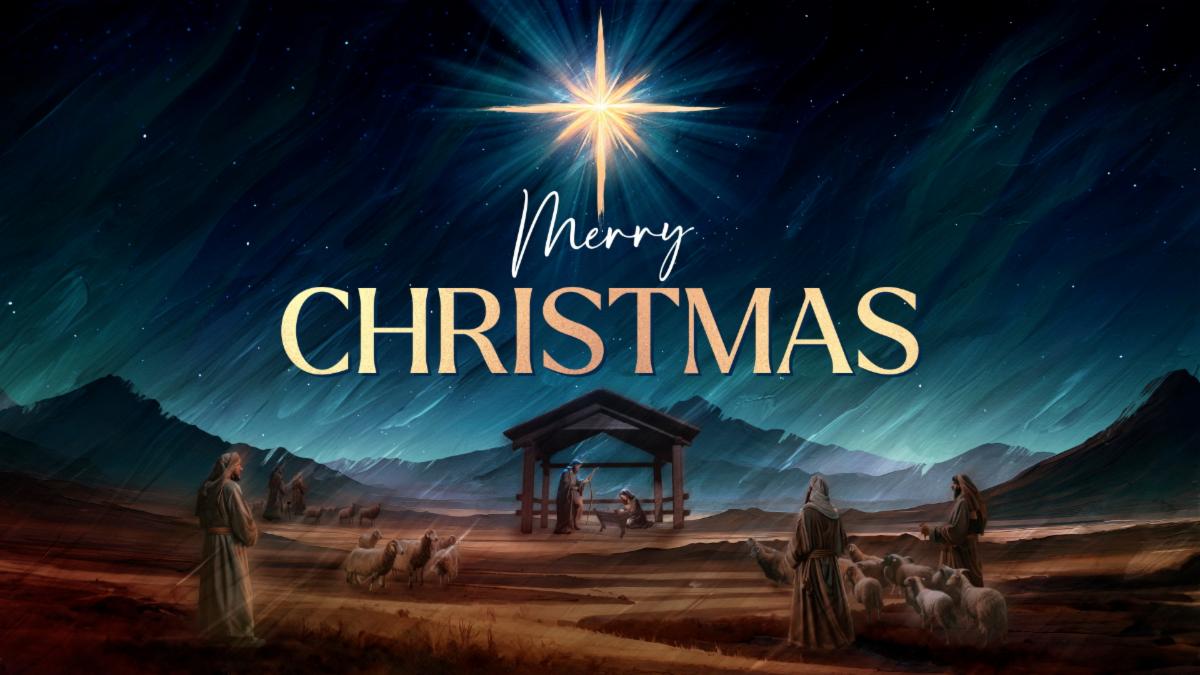
The shepherds recognized Him. They were on the margins, unimportant in the eyes of their society, but they became the first evangelists of the gospel. They saw what the powerful missed. They worshiped where the religious couldn’t be bothered to look.
That’s still the way it often works. God reveals Himself to those who are watching, who are open, who haven’t become so set in tradition that they’ve lost the capacity for wonder.
|