Welcome to Gesher (‘Bridge’ in Hebrew) – JCRC's monthly impact newsletter to keep you informed on our work and the challenges and opportunities before our community. | |
Observe, describe, reflect
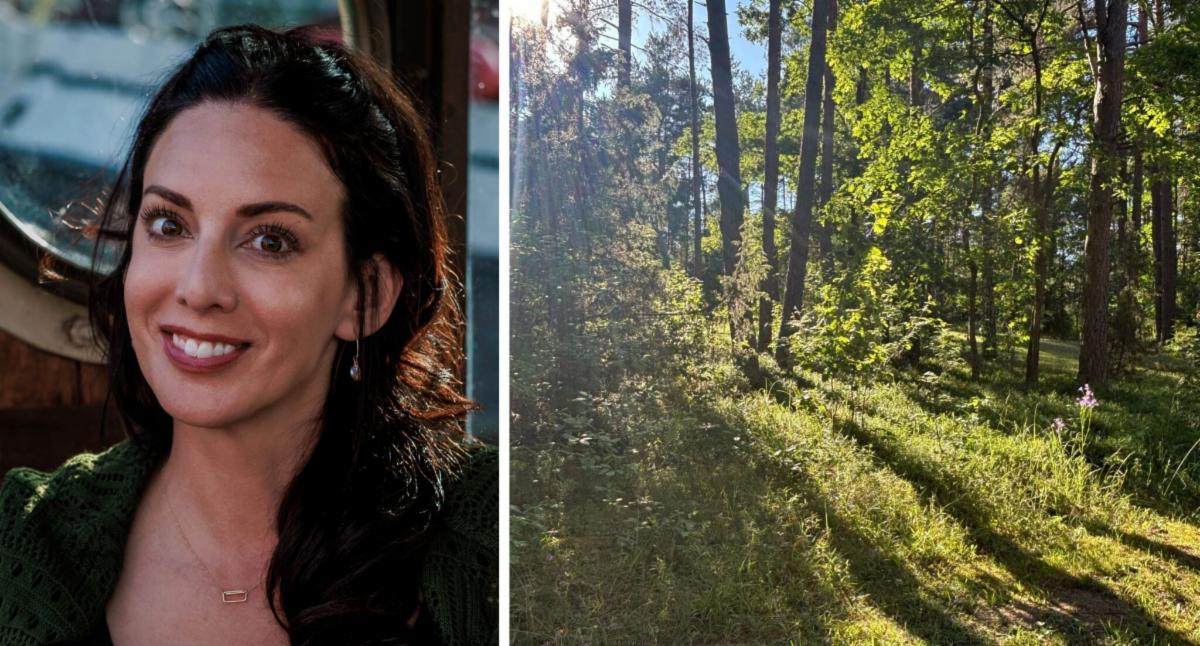
Susie Greenberg
Director of Holocaust Education
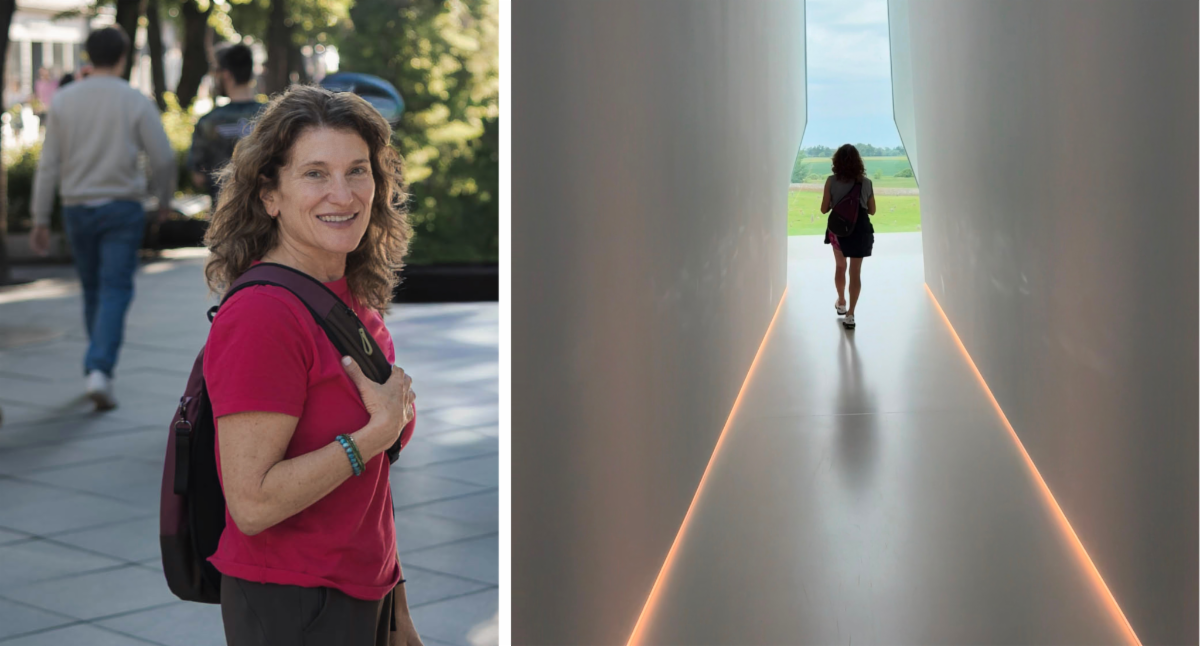
The three opening words in my personal journal on this summer’s European Institute for Holocaust Educators were: Observe, Describe and Reflect.
What seemed like a simple directive to help guide the process of visiting places significant to the Holocaust, and working through the emotions, facts, and unanswered questions they evoke, proved far more challenging. A journey like this compels us to ask profound questions: How does a society judge the value of another person's life? What has history taught us about antisemitism, about the Jewish communities which thrived and then were destroyed in the Holocaust, and how do our societies understand these histories today?
These are the questions the educators on our trip will carry back to their classrooms. After spending two weeks learning beside them, I believe they will challenge their students to go even further: What is the value of a human life, and what does remembrance require of us?
Continue reading
Now accepting applications of interest for Power of Place summer 2027
| |
Building Bridges
Live Blogging from Power of Place
| |
The Power of Place
Breaking new ground
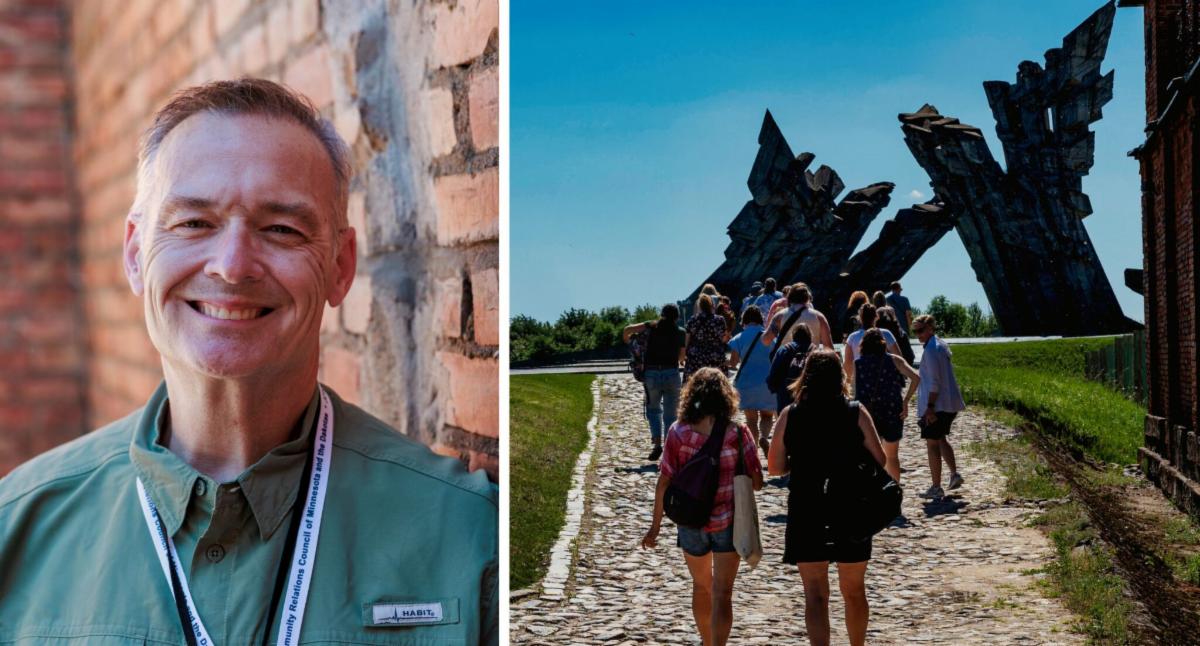
David Reeser, Madison High School (Rexburg, Idaho)
I have learned an important lesson – I am breaking new ground.
Many of the places I have visited in the past were already familiar to me through the curriculum I teach, and I knew the history of the events that took place there. However, my first visit to Lithuania has reminded me of the vastness of the Holocaust and how much I still do not know – about what happened, where it happened, and the people whose lives were forever changed by it. I was not fully prepared for how powerful that realization would be.
If I feel this way after only one day, what will tomorrow bring when we travel to Vilnius? And then to new sites in Poland? To the Netherlands?
Continue reading
| |
The Power of Place
Vanished... like footprints in the sand
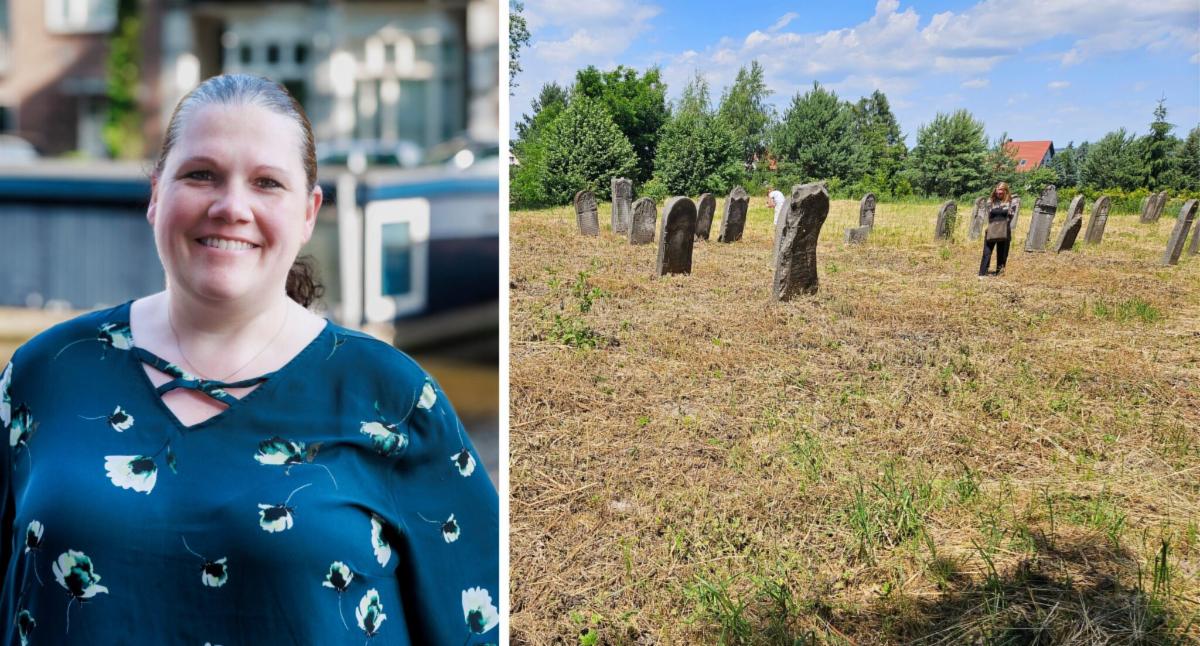
Angela Kitzman, Rolette Public School (Rolette, North Dakota)
We start day 8 of our trip heading from Krakow to Bodzentyn, Poland.
As we leave the city and enter the rural countryside during our two-hour journey, it almost feels like I am at home in North Dakota – the small rolling hills in certain places, the different rows of crop colors, the variegated greens that run through the prairie grasses, and the scattered farms that spread throughout the limitless countryside… and yet, the vast towering hills and the multitude of scattered trees in all directions are foreign to me, as I am one who lives along the low, flat prairie.
Continue reading
| |
The Power of Place
Where do we go from here
Eugenia Ijames, Johnston County Career and Technical Leadership Academy (Wendell, North Carolina)
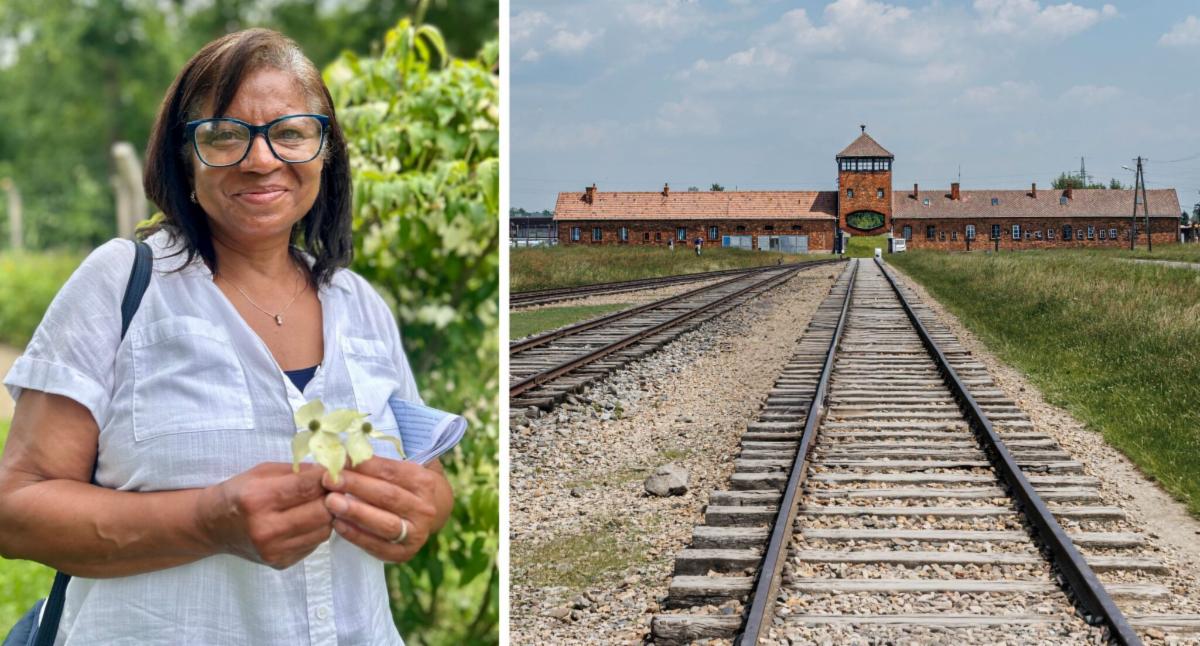
I participated in the Power of Place, where we followed the footprints of Jewish communities that once existed across Lithuania, Poland, and Amsterdam. To walk through these places is to understand that Holocaust education cannot live only in textbooks, dates, and statistics. It must also live in streets, buildings, forests, cemeteries, photographs, names, and silences.
The power of place reminds us that the Holocaust happened in real communities, to real families, in towns where people once prayed, worked, studied, celebrated, raised children, and imagined a future.
Continue reading
| |
The Power of Place
What the forest remembers
Lindsay Nazarenus, Pomona Junior/Senior High School (Arvada, Colorado)
Biology has taught us that trees communicate with each other. Through intricate underground root systems trees can warn each other about danger, fire and even impending destruction. This makes me wonder what the massive trees of the Ponary forest witnessed. Could they have warned the innocent Jewish lives that were to be snuffed out by the Nazis and their collaborators? Did they cast shadows to hide as the few survivors planned their escape? A lone bird cries out to no answer. Maybe that’s the point of this place.
Nothing in the landscape prepares you for what it remembers.
Continue reading
| | Read more live blogs from the Power of Place: 2026 European Summer Institute for Holocaust Educators | | |
Today: Community Reception at Minneapolis Institute of Art
Thursday, July 9, 5:30-8:30 PM
JCRC and Mia cordially invite you to a special community reception to celebrate “Modern Art and Politics in Germany 1910–1945: Masterworks from the Neue Nationalgalerie, Berlin,” an exhibition that features more than 70 paintings and sculptures from the collections of the Neue Nationalgalerie (New National Gallery), the distinguished modern art museum of the Berlin State Museums. It traces the German experience in the visual arts over four decades.
Enjoy light refreshments throughout the evening, and listen to welcoming remarks and a curatorial overview at 6:00 PM followed by tour guides stationed in the galleries between 6:30 and 8:30 PM to answer questions as you experience the exhibition.
Reserve free tickets
Generations After MN-DAK Inaugural Gathering: A Fun Afternoon at Asher's!
Sunday, August 2, 2:00-4:00 pm, Asher's Bar & Grill
Holocaust survivor families are gathering at the newly reopened Asher’s with a lakeside view of Bde Maka Ska. Co-owner and third generation Holocaust survivor descendant, Zach Sussman, is providing the setting for us to meet each other across generations and celebrate the renewal of our descendants’ group in Minnesota. Food will be available for purchase. Enjoy a summer afternoon at the lake. Bring your ideas for our 2027 Generations After activities along with your sunscreen!
RSVP
Want to receive Generations After MN-DAK's new monthly newsletter? Reply to this email to let us know!
Applications now open: Youth Fellowship for Jewish Identity & Leadership
Rolling admission through September 24
A single school year program designed by JCRC to empower Jewish high school juniors and seniors to explore and embrace their history, develop leadership skills, and cultivate a deep sense of pride, meaning and joy in their Jewish identity. Upon successful completion, participants will earn a $1,000 stipend.
Learn more
| | |
The Election Is August 11: Why the Primary Matters
Minnesota’s August 11 primary is not a warm-up. In many races, especially in districts that strongly favor one party, the August primary may effectively determine who will hold the seat after November.
That is why every vote matters. Minnesota primary elections often draw lower turnout, and close state legislative and local races can be decided by a very small number of ballots.
Minnesota has an open primary, which means voters do not register by party. But on the partisan section of the ballot, you must choose one party’s primary—DFL or Republican—and vote only in that party’s column. There is no mix-and-match between parties. Early voting by mail or in person begins June 26 and runs through August 10.
Before voting, research the candidates and the issues. There can be significant differences not only between parties, but also between candidates of the same party on issues of critical importance to our community, including the threat of rising antisemitism from across the political spectrum.
Learn more from the Minnesota Secretary of State: Primary Election Information
| |
Bridging the Gap
Recommended articles, videos and podcasts
| |
JCRC in the Media
Media coverage that includes the consensus public affairs voice of the Jewish community
| | Featured media highlights | | |
Dakota News Now: 'Violins of Hope' Comes to Sioux Falls
MPR: Amid Middle East conflict, Minnesota Democrats more vocally criticize Israel's actions
The Andrew Parker Show: 1948 to October 7: The Historical Facts Behind Today's Middle East Conflict with guest Steve Hunegs
TC Jewfolk: Holocaust-Era Diarists Focus Of 2026 ‘Power of Place’ Educators’ Trip
TC Jewfolk: Q&A With Sarah Hurwitz Ahead Of Twin Cities Visit
See all coverage
| | | | |