|
The future of workforce readiness is getting a fresh look from colleges and universities. For decades, the “college experience” meant exploring subjects you had barely touched upon or heard of (geology, anyone?) to broaden your development as an educated person who is ready to contribute to society. Along the way, you had to discover for yourself what career was the best fit for you. When I stepped onto my undergraduate campus in Minnesota, I had visions of practicing law one day. However, after taking classes in business law and mass communications law, I concluded that field did not fit well with my temperament (I couldn’t run away fast enough!).
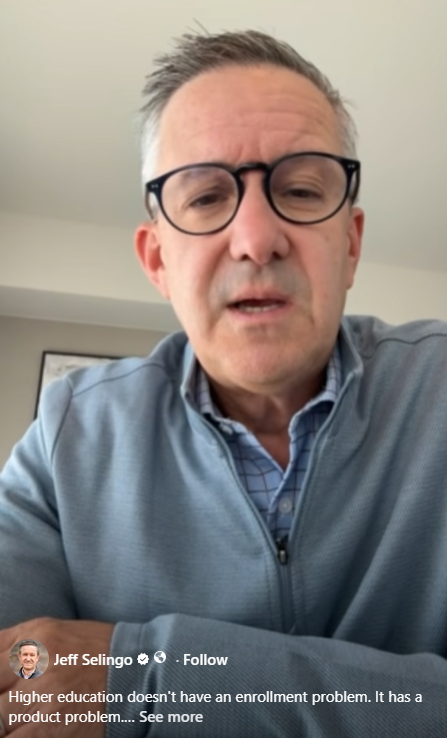
I was hooked, however, on classes covering subjects like American government, urban studies, and geopolitics. That led to two important internships – one in local government and the other in the United States Senate. Those “mini work experiences” convinced me I had found my calling. Author and higher education journalist Jeff Selingo makes a similar point in a video on this topic, highlighting the growing importance of connecting the college experience more directly with the world of work. Watch the short video >
Today, we live in a country shaped by massive demographic shifts, the emergence of AI technology, and more. It is important, therefore, that the college and university experience puts co-ops, internships, and other forms of work-based learning at the center of each undergraduate degree program. This should create more immediate value for students as they pivot from higher education to gainful employment, and for employers across all industries and of all sizes as they more precisely connect new hires with in-demand jobs.
|