|
Six Interceptions at Gitzlaff Park
Changing drain tile outfalls: the key to the park’s wetland restoration success
| | |
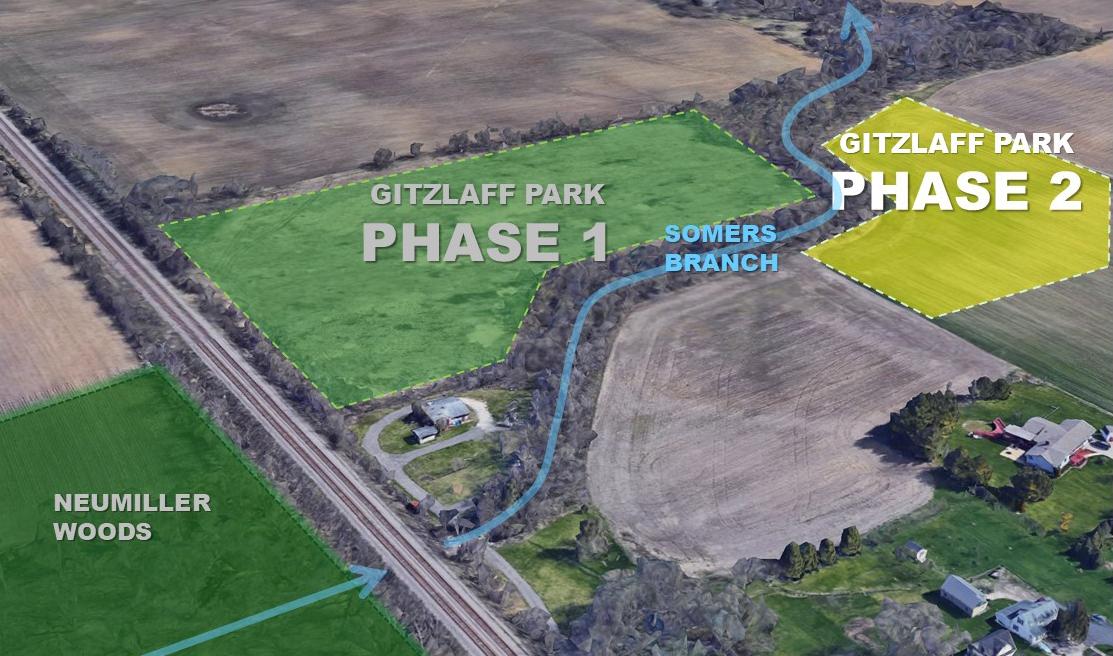
Ah yes, it’s football season again, and it’s a great time for an analogy for a project Root-Pike WIN and the Village of Somers have been trying to implement for almost a decade. The project was born from the Somers Branch Ecohydrological “Playbook”/Plan of 2014. Funded by the Fund for Lake Michigan for the Village of Somers, the “Playbook” defined the Gitzlaff Park Phase 1 and 2 projects as two of the best plays to help improve the Somers Branch. |
| |
Gitzlaff Park's Phase 1 and Phase 2 restorations in the Village of Somers | | |
In 2020, our partnership completed Phase 1, and last month, we completed Phase 2.
It may not look like much, but the years of effort and fundraising necessary to make the project happen at times were draining. COVID, inflation, approvals, design changes, and scheduling all challenged our team. Still, we persevered. Our engineering partner, Hey & Associates, and the U.S Fish and Wildlife Service were the keys to victory.
|
| |
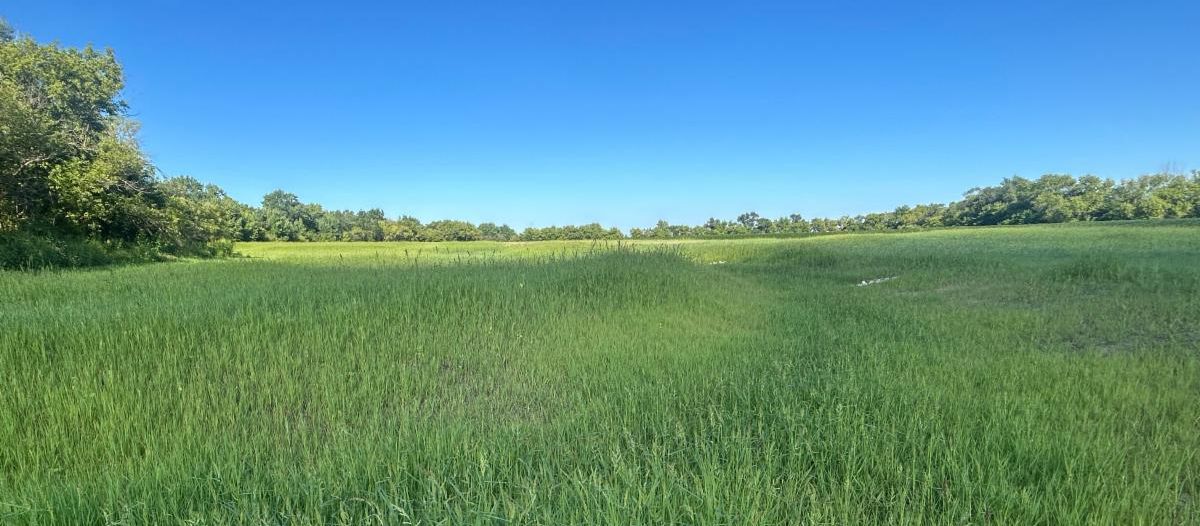
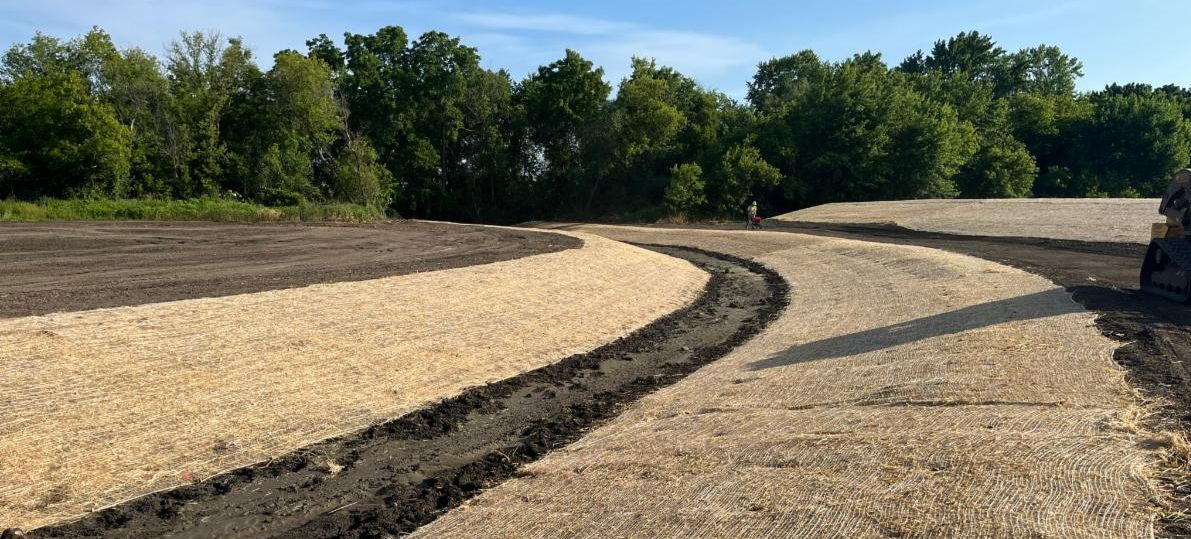
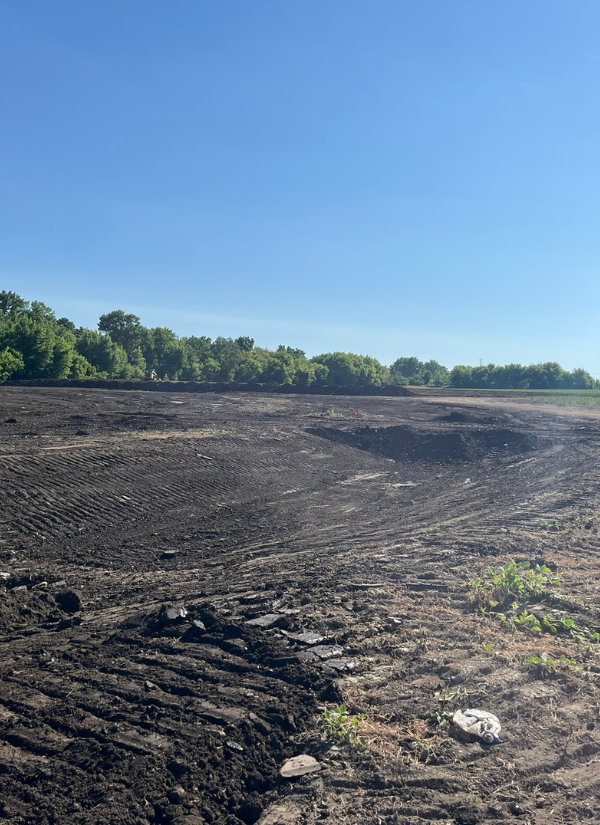
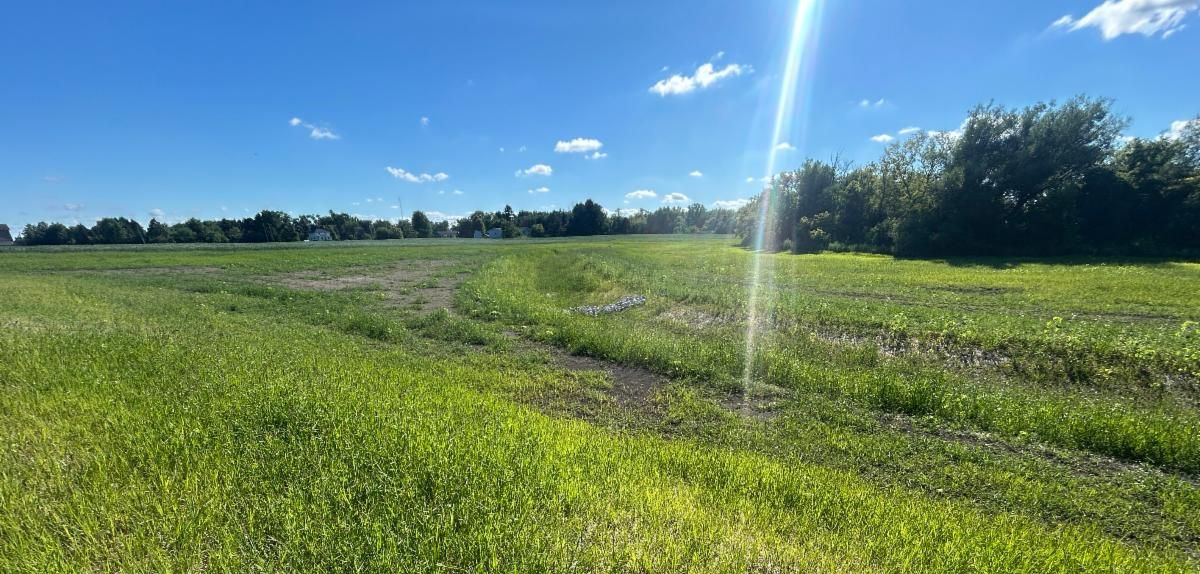
The erosion control cover crop is on defense until the native vegetation goes on the offense over the next three years. | | | |
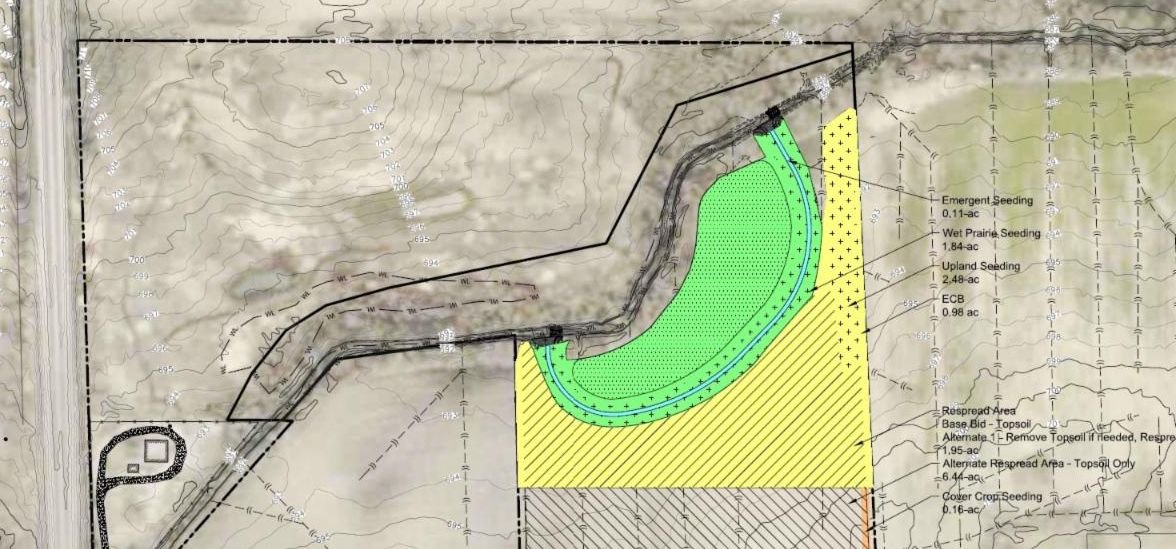
The Phase 2 restoration defines a unique strategy that focuses on stormwater management and ecological renewal. Once you understand the innerworkings of nature-based design, you understand that bringing back native, wetland vegetation into the landscape also brings back high performance stormwater infiltration and pollutant processing. They are not mutually exclusive. It’s a win-win. | | |
Phase 2 has the new wetland channel in blue, wetland shelf in green and upland prairie in yellow. (Hey &Associates) | | |
|
Now, let’s talk about the interceptions.
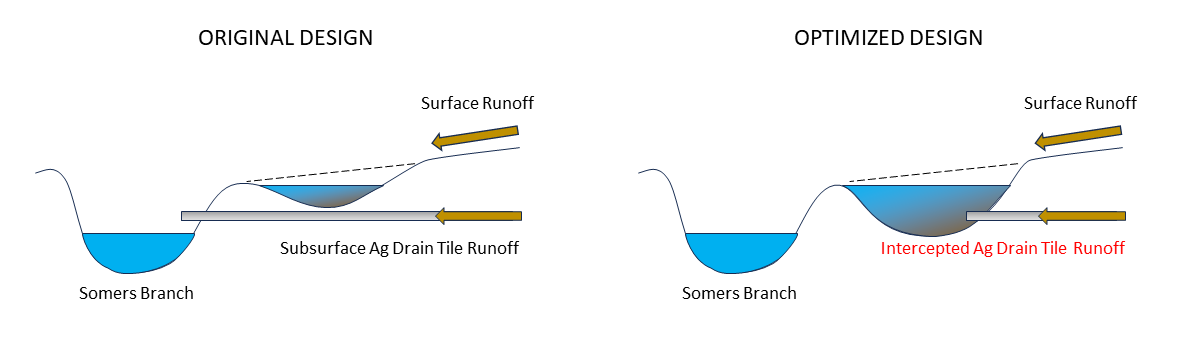
Building on the momentum of earlier efforts, Phase 2 focused on reawakening the park’s natural hydrology by breaking through decades-old agricultural drain tile and bringing back the area’s wetland characteristics.
|
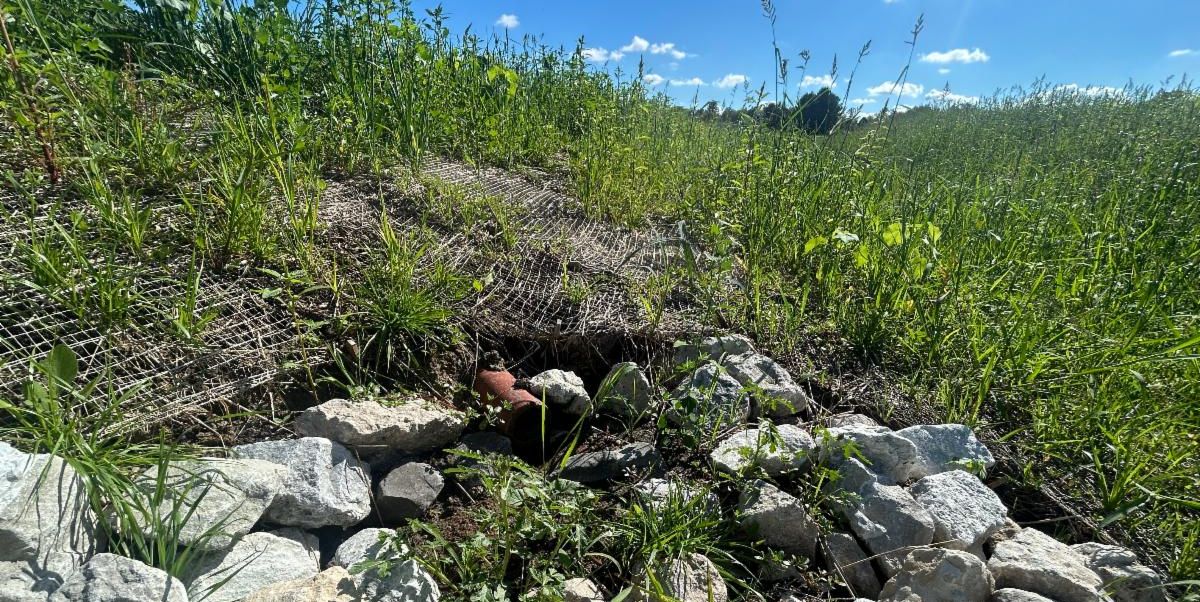
| The interception: create a deeper wetland channel and drain the existing agricultural tiles into it. | | | |
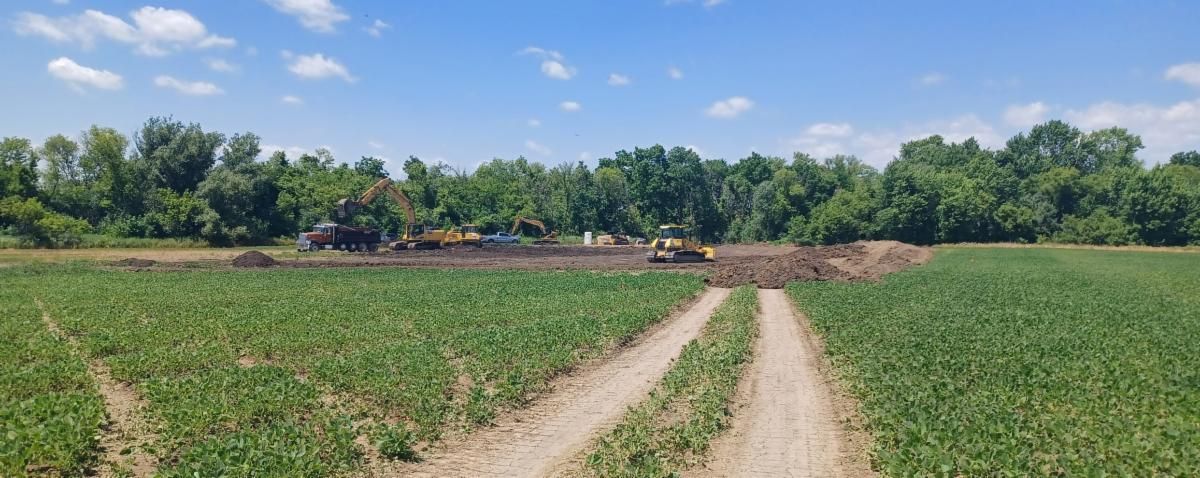
Once the tiles were found and new outfalls were created, water was finally allowed to return to its historic wetland areas, saturating the soil and reviving dormant wetland pockets. | | |
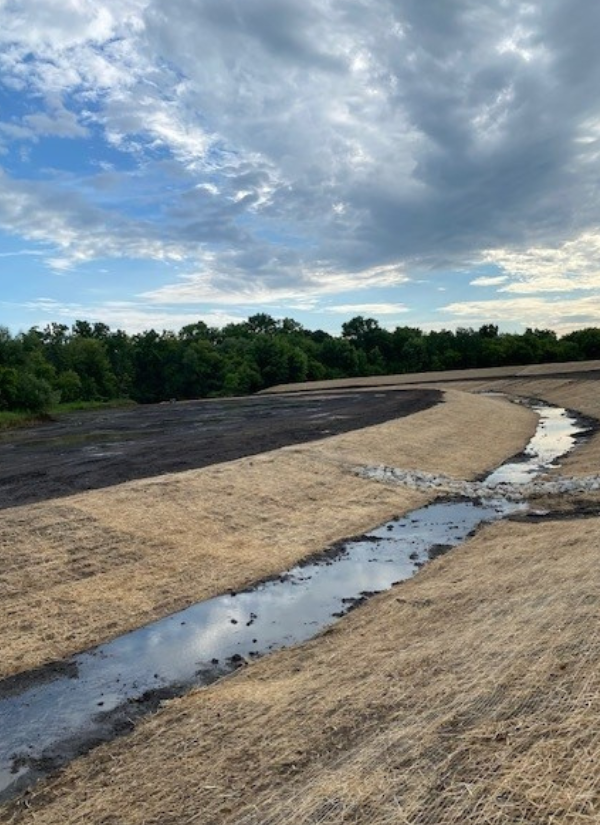
The newly created wetland channel takes stormwater pressure off the Somers Branch. (CW Purpero) | | |
The installation of a secondary wetland channel further enhanced this transformation, creating a dynamic system that slows runoff to the Somers Branch, filters pollutants, and supports amphibians, waterfowl, and native wetland plants. |
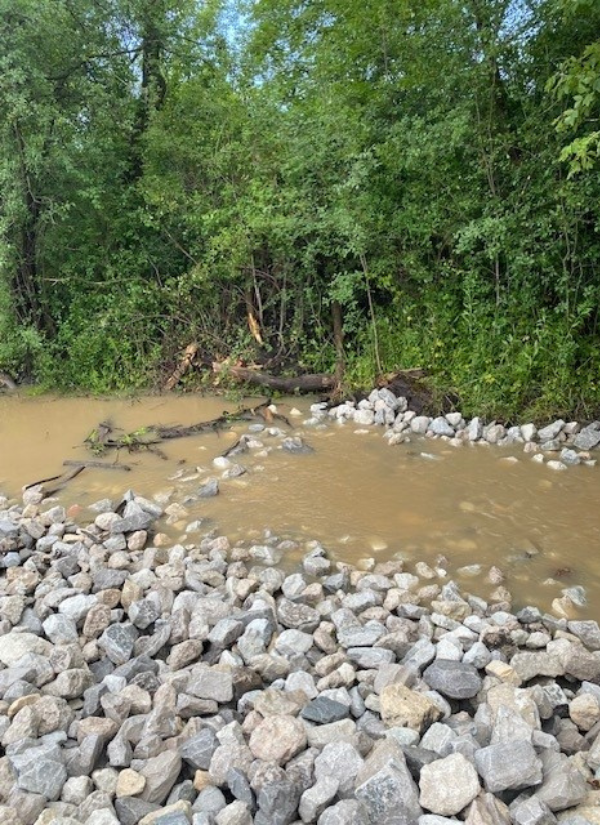
| Connecting the wetland channel to the Somers Branch (CW Purpero) | | The Somers Branch overflows into the wetland channel as intended (CW Purpero) | | Above the wetland basin, the restoration crew from C.W. Purpero turned their attention to the upland zones, planting a diverse mix of native prairie species. These grasses and wildflowers — bluestem, coneflower, prairie dropseed — were chosen not just for their beauty, but for their deep root systems that stabilize soil and improve infiltration. | Transforming a traditional agricultural field to high-performing wetlands and prairie along the Somers Branch (CW Purpero) | The upland prairie now serves as a vibrant buffer, connecting the wetland below to the surrounding landscape and offering critical habitat for pollinators and grassland birds. Public trails, interpretive signage and community planting days are being planned to help engage residents and visitors, turning restoration into a shared story of stewardship. |
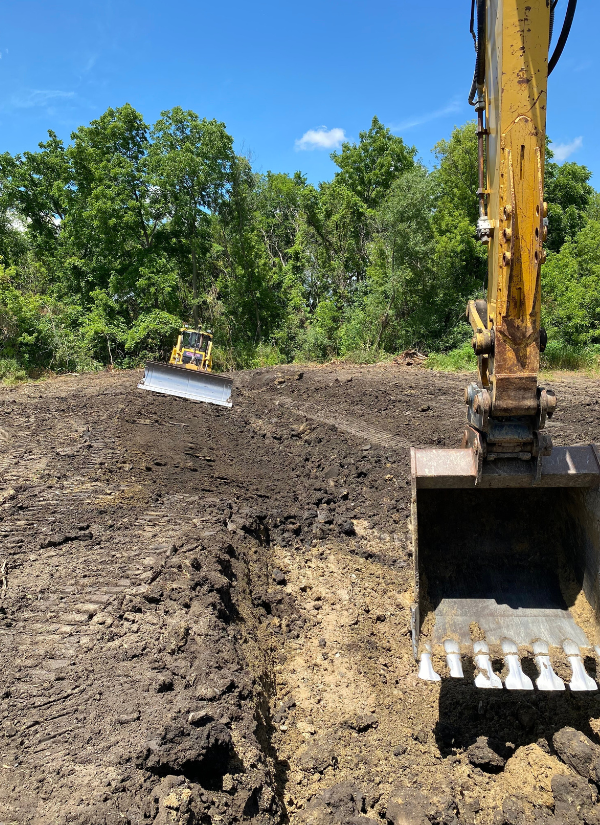
| Construction of the wetland channel with grade controls and tile outfalls (CW Purpero) | | The wetland channel now receives runoff from the tiles, sheet flow, and the Somers Branch overflow (CW Purpero) | | | |
The Phase 2 work at Gitzlaff Park is more than one win — it marks a season of success for the Somers Branch environmental corridor. Stretching across different land types, the corridor is being reimagined as a mosaic of healthy riparian buffers, wetlands, prairies, and woodlands that support biodiversity and resilience in the Pike River watershed. |
| Gitzlaff Park is a shining example of persistence and partnership – addressing multiple EPA/DNR approved Pike River Plan recommendations. |
| |
“Combining stormwater improvements with ecosystem benefits makes for a better Village of Somers. We are grateful to all the partners that made this project possible.”
- George Stoner
Board President, Village of Somers
|
| |
By restoring hydrology, reconnecting habitats, and involving the public, the Village of Somers is laying the groundwork for a future where nature and community thrive side by side. We are grateful for the partnership we have with the Village, as great ecosystem projects have been implemented and there are more on the horizon. | | |
A special thanks goes out to the U.S Fish and Wildlife Service whose staff serve our needs as coaches, not spectators. Their staff made this project better by helping us plan and execute Phase 1 and Phase 2. The USFWS is focused, cost-efficient and adds value, and we are grateful for what they do. We also want to thank our strategic partners, the Fund for Lake Michigan, the Enroth Family Fund at the Greater Milwaukee Foundation, and Microsoft, who put our project development partners in a position to win.
Want to be on our team? Need a winning project in your community? Reach out today!
| | |
Dave Giordano
dave@rootpikewin.org
| | | | | |