|
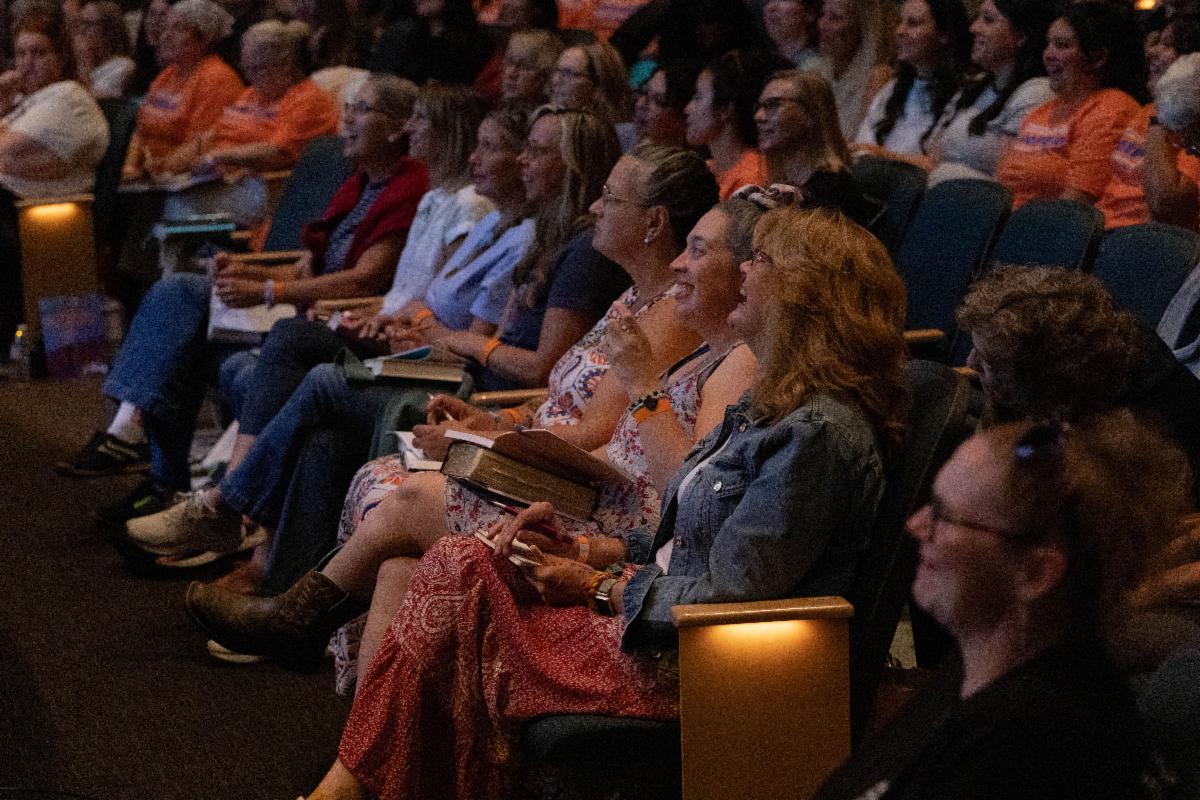
On Thursday, Sept. 24, about 60 pastors and church leaders from around Arizona gathered to discuss practical next steps to overcome barriers and lead their churches into the next stage of growth.
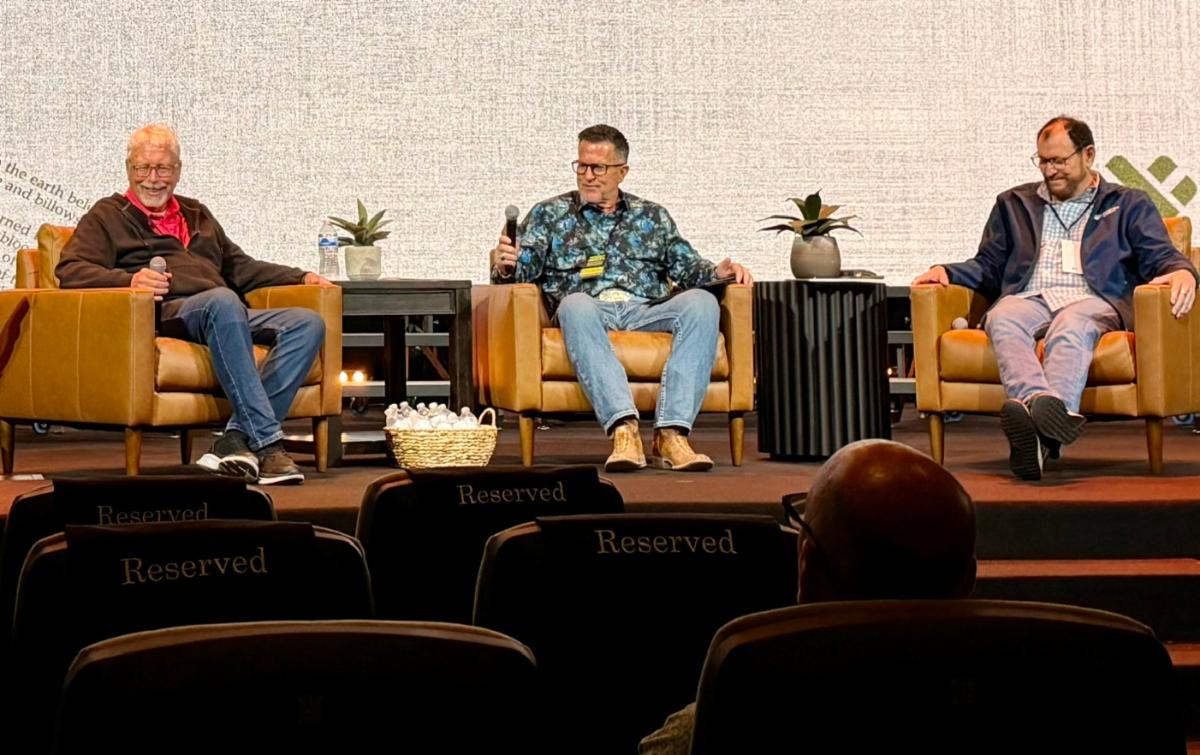
Three Arizona pastors facilitated the conversation. Chad Garrison, pastor of Calvary Baptist Church in Lake Havasu City; Mark Martin, pastor of CalvaryPHX in Phoenix; and Billy VanCamp, pastor of Heart Cry Church in Queen Creek, set the stage for table discussions by sharing their own journeys.
Here are four practical takeaways for church leaders from that conference.
1. Growth requires honest conversations.
Church leaders need places where they can openly discuss challenges without pretending they have everything figured out. As Garrison noted, “It’s important for pastors not to chase numbers.” The conversational format created space for pastors to learn from both successes and struggles by speaking openly and honestly with each other.
2. The next step is often more practical than it is complicated.
Rather than searching for a single program or strategy to solve every problem, leaders were encouraged to identify practical actions that can move their churches forward. As Martin noted, it’s important for each pastor to keep his eyes on his own race and not focus on the success that other pastors are experiencing, because every pastor, calling and church is different.
3. Other pastors can be a valuable source of wisdom.
One of the strengths of the conference was the opportunity to learn from peers. Pastors facing similar challenges can often provide perspective, encouragement and ideas that cannot be found in a textbook or seminar. VanCamp encouraged pastors to visualize the task to which they are called, vocalize that vision to others and verify what the Lord is doing in their ministry.
4. Every church needs to ask, “What next?”
Church growth is not simply about getting bigger. It is about faithfully leading people toward greater spiritual maturity and missional engagement, which requires church leaders to continually evaluate where they are and prayerfully consider the next faithful step. As Garrison noted, the typical church is structured for where it is now. If it desires growth, it needs to want to grow, and it needs to expand its capacity to grow.
Read the full story
|