June 22, 2026

July 5 Fireworks Event—Invasive Warrior Table

Please stop by the Invasive Warriors

table at the 


Glenmore Country Club Fireworks event on July 5th.  


Learn about the Glenmore Invasive Warrior team and how our work in the common area protects your landscaping! 


We can answer questions about invasive plants that you might find creeping into your yard, and provide useful information on identifying and removing them.  


Hope to see you there!

What are the benefits of natives and why are we

treating/removing invasive plants?

Native plants include the ferns, grasses, perennial and annual wildflowers, woody trees, shrubs, and vines that covered an area before the first Europeans arrived.


Our native wildlife, especially birds, butterflies and pollinators, evolved with the plants here; many can only feed on plants they co-evolved with. Additionally, native plants are needed to support songbirds by supplying food for the insects that most baby birds require.


Research by the entomologist Doug Tallamy has shown that native oak trees support over 500 species of caterpillars, whereas ginkgos, a commonly planted landscape tree from Asia, host only 5 species of caterpillars. When it takes over 6,000 caterpillars to raise one brood of chickadees, that is a significant difference. Native plants also provide the habitat (food, cover, and places to rear their young) that wildlife needs. 


Unfortunately, invasive plant species of all types have become pervasive across the state and country. If left unchecked, they will crowd and replace native plants because they have no natural predators, and have a shortened dormant season, allowing them to proliferate. This is why the Invasive Warriors are doing what they do each month!


Native plants are well adapted to our climate and soils because they evolved here, so they are great additions to your garden. They are generally easier to care for once they are established, needing little or no pruning, deadheading, watering, or fertilizing.

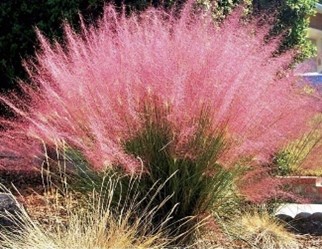
Pink Muhly grass

From flowers in spring and summer to brilliant fall color and interesting bark in winter, native plants give four seasons of beauty and benefit the ecosystem at the same time. And they provide food and shelter for birds and wildlife in one or more seasons, often into winter.

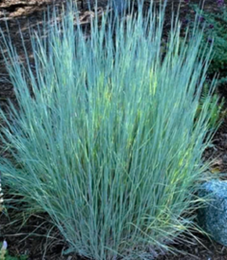
Little Blue Stem

For example, native grasses feed seed-eating birds in fall and winter. Pink Muhly grass puts on a massive pink display in autumn. Little Bluestem is a fine-textured warm-season grass with copper-orange winter color. Both of these are excellent for sunny, well-drained sites.

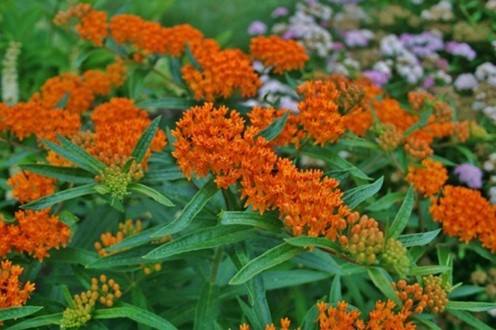
Butterfly Weed

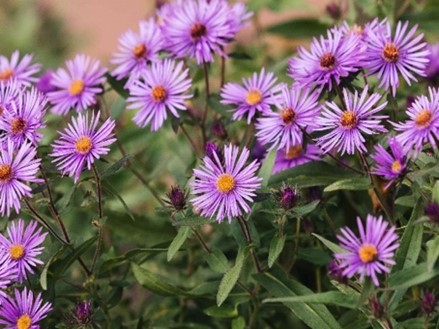
New England Asters

Invasive Warrior Workdays:

Special dates for July and NEW seasonal timing. 

Because our normal workday falls on a holiday, we have moved our dates to

July 11th and 21st this month.


We will return to our regular scheduled dates in August, the 8th and 18th.


During these very hot months, we will start work at 8am. Meet at the Country Club in the first parking lot on the left at 8am.

Plant This Not That!

Focus on Native Plants


Planting native plants in your landscape is a wonderful way to create a healthy habitat for native wildlife and pollinators. They also are easier to care for as they are well adapted to our climate and soil.  


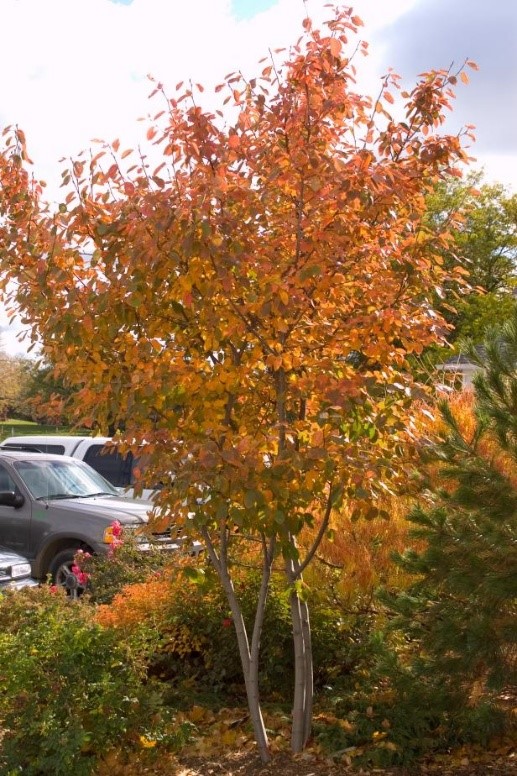
Plant This: Downy Serviceberry  

Downy Serviceberry can be grown as a large, multi-trunked shrub or a small tree, reaching heights up to 15 feet. It will grow in full sun to full shade. The white flowers typically bloom in mid-March to early April, providing an early nectar source for bees and other pollinators. In summer, Serviceberry has edible berries loved by birds and exceptional orange-red fall color. Serviceberry is a host plant for over 120 species of moth and butterfly larvae.

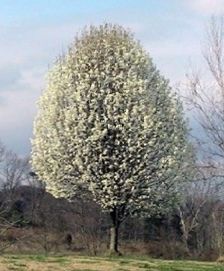
Not That: Bradford Pear 

Bradford Pear is highly invasive tree whose white spring flowers give off a stink reminiscent of unwashed gym socks. Bradford pear trees crowd out native plants and provide little to no food for insects, resulting in a damaged ecosystem. As it matures it becomes a serious hazard. The tight, upright branching structure begins breaking apart. Older trees with heavy branches can split apart and fall onto cars, sidewalks, and homes during storms and also do so suddenly with no apparent cause.

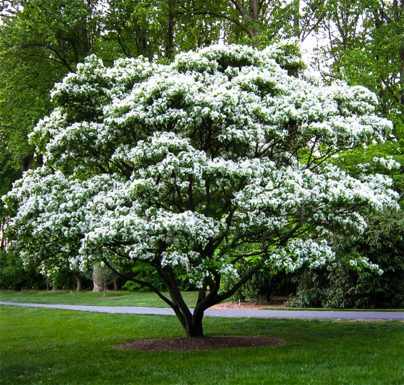
Plant This: Fringetree 

Fringetree is a beautiful flowering tree. With a cascade of snow-white blossoms in April/May, the fringetree will grow in partial shade to full sun. Fringetree is a small deciduous multi-stemmed tree, which reaches heights of 10 to 25 feet. Each spring blossoming trees function as food sources for pollinators.

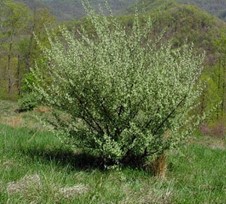
Not That: Autumn Olive

Autumn Olive is a deciduous shrub or small tree in the Oleaster family that can grow up to 20 feet tall. It has light green speckled leaves and a shiny silver underside. It, along with its siblings, Thorny Olive and Russian Olive, is extremely invasive. It problematic because it outcompetes native plants with dense shade and by changing the chemistry of the soil around itself. Autumn Olive will quickly take over the landscape in a matter of a few years. 


Did you know that Keystone plants are the most productive plants that support the most species?  By planting keystone plants you can help restore native biodiversity. Landscapes that do not contain one or more species of keystone genera will have failed food webs, even if the diversity of other plants is high.


For example: Oak trees (a keynote species) support 513 species of butterfly and moth caterpillars, while Japanese Maple supports only a few.  Goldenrod supports 114 species of caterpillars, and Asters support 106. 


If you need more help, find native plants by zip code. Enter your zip code and find your most supportive species. Use a variety of plants. Garden for wildlife as well as beauty.


Or Sign up for the Piedmont Master Gardeners monthly newsletter


Download the Piedmont Native Plants

Invasive Species Warrior Contacts in your Neighborhood


Liza Moorman: Team Leader. Sandown Lane and Sandown Park- liza.moorman@gmail.com

Liz Burns: Scottish Homes- lburns1117@gmail.com

Cathy Skelly: Highlands, Carroll Creek area- cathy.skelly@yahoo.com

Nancy Canavan: S section, Glenlochan pond- nancanavan@aol.com

Diana Ferguson: Darby West- dianasfergy@gmail.com

Bob Cox: Bremerton Cottages- robertwcox855@gmail.com

Anne Poland: Piper West- lauren.poland@att.net