|
Summer is wildfire season, and Glenmore residents know how often smoke from distant fires reaches our area.
But did you know that invasive plants and vegetation in our forests are contributing to the intensity of these fires? In natural forest ecosystems, periodic fires once cleared out extra grasses, vines, and shrubs before they could build up. In residential areas like Glenmore, controlled burns aren’t an option, so managing invasive vegetation is especially important.
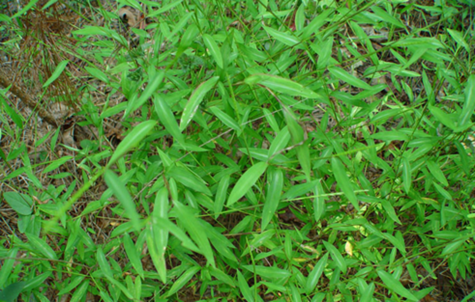
Although most people think of dead trees and fallen branches as the major fuel source of wildfires, dead invasive grasses and vines actually pose the bigger threat. The proliferation of invasive grasses, vines and shrubs in our common areas over the last decade increases our risk of wildfire. Invasive grasses, like Japanese Stiltgrass, dry out quickly, are easily ignitable and form a continuous carpet which can rapidly carry fire across the forest floor. Invasive vines create a ladder for fire to reach the tree canopy more quickly. Other culprits that are found in Glenmore Common Areas include, Chinese silvergrass, Scotch broom, and Japanese honeysuckle. Scotch broom, due to its high oil content and dry, woody material, is an extremely volatile plant.
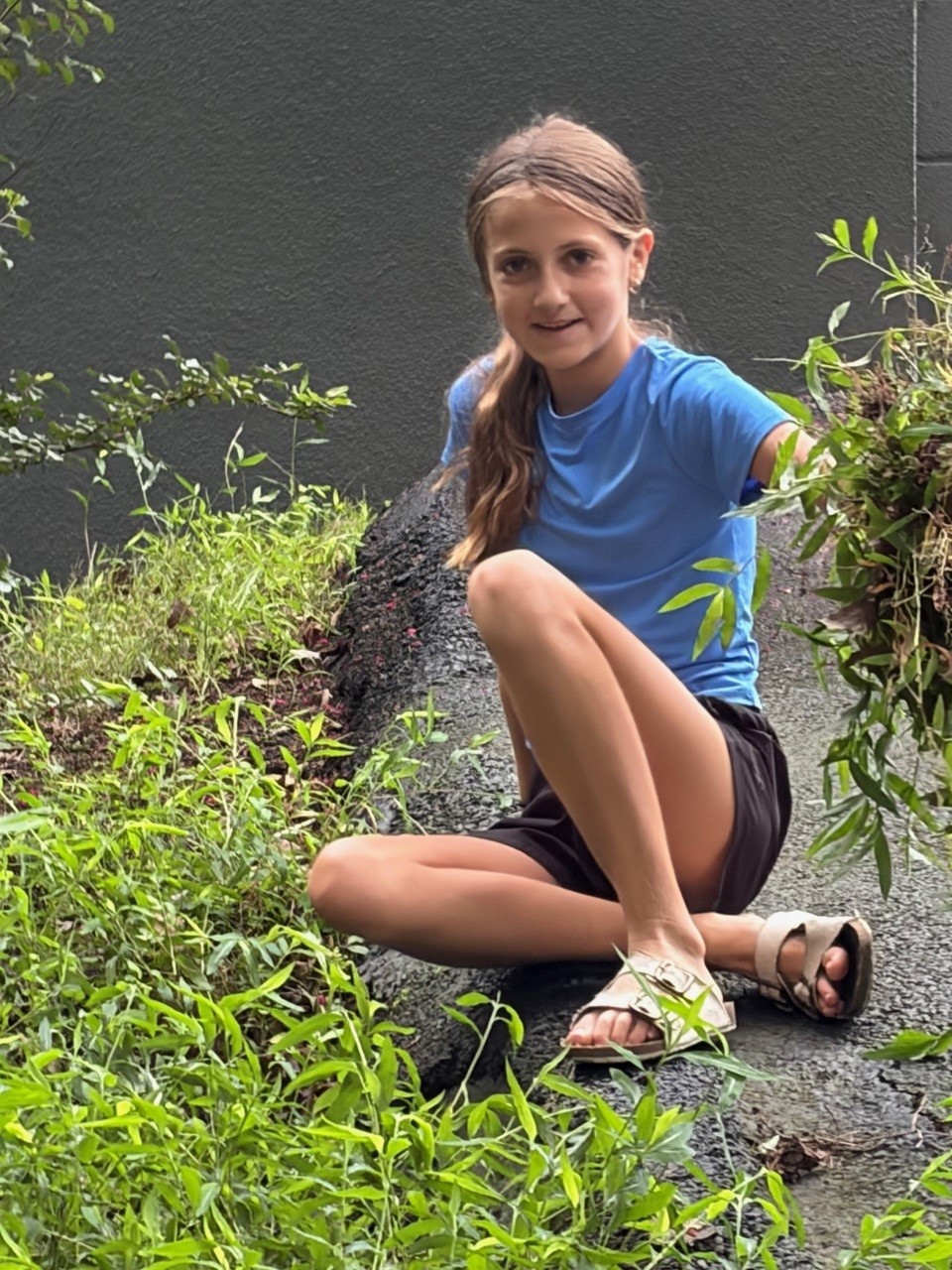
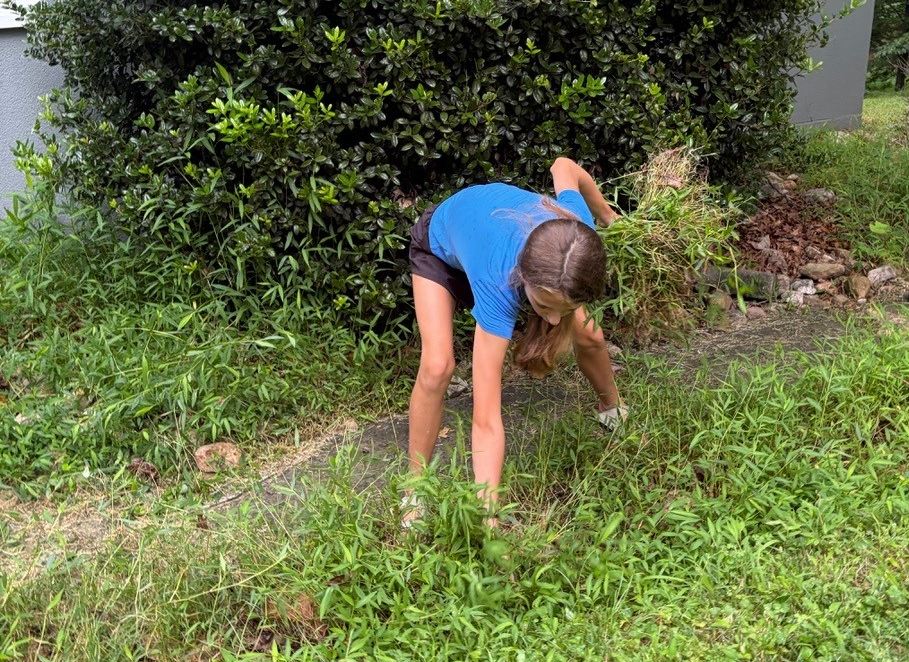
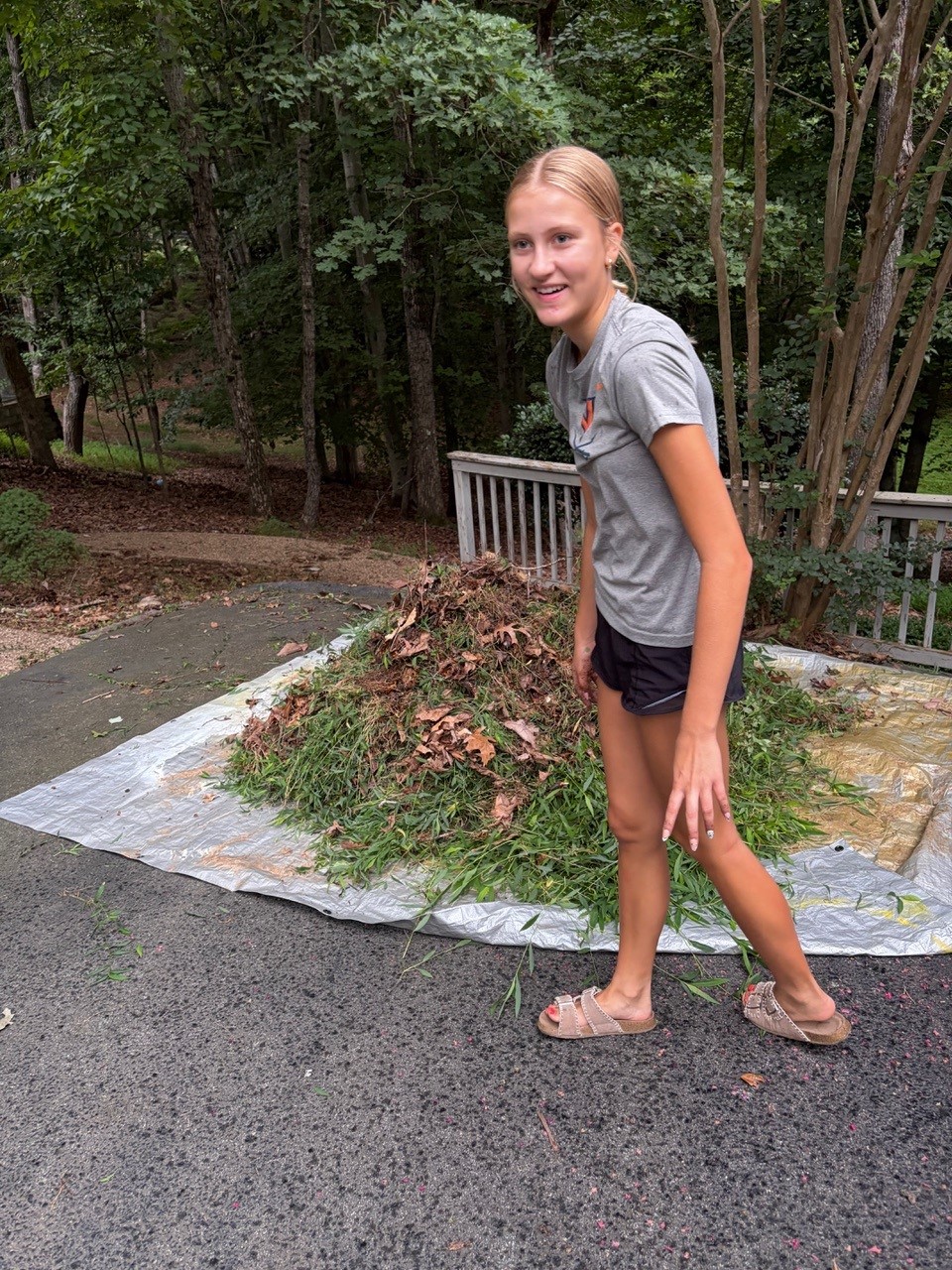
Glenmore’s Invasive Warrior Team works year-round to control invasive plants. During August and early September, the team focuses on removing Japanese Stiltgrass before it goes to seed. Cut or pulled Stiltgrass will decompose more quickly than if it is left to dry and die where it stands. Residents can help by pulling Stiltgrass near their homes and weed-whacking it 5–10 feet into nearby common areas.
If you see the Invasive Warriors at work, know that they’re not only helping restore the beauty of our common areas — they’re also helping reduce wildfire risk and protect our neighborhood!
|