|
By Fr. Jonathan D. Kalisch, O.P.
Director of Chaplains and Spiritual Development
As we prepare to accompany our brother Knights in the passion, death and resurrection of the Lord this month, God’s patient mercy is a theme we can explore. The late celebration of Easter this year adds an extra layer to this dimension.
As a child, I daily prayed before a picture near my bed that read: “Please be patient with me. God isn’t finished with me yet.” How true that is for all of us — spiritually, metaphysically, and in our interactions with those whom we live with and minister to. Pope Francis’ Lenten message reminds us that this jubilee year is a time for us to return to God, believe in the hope of his promise, and accompany those who are pilgrims with us along the way.
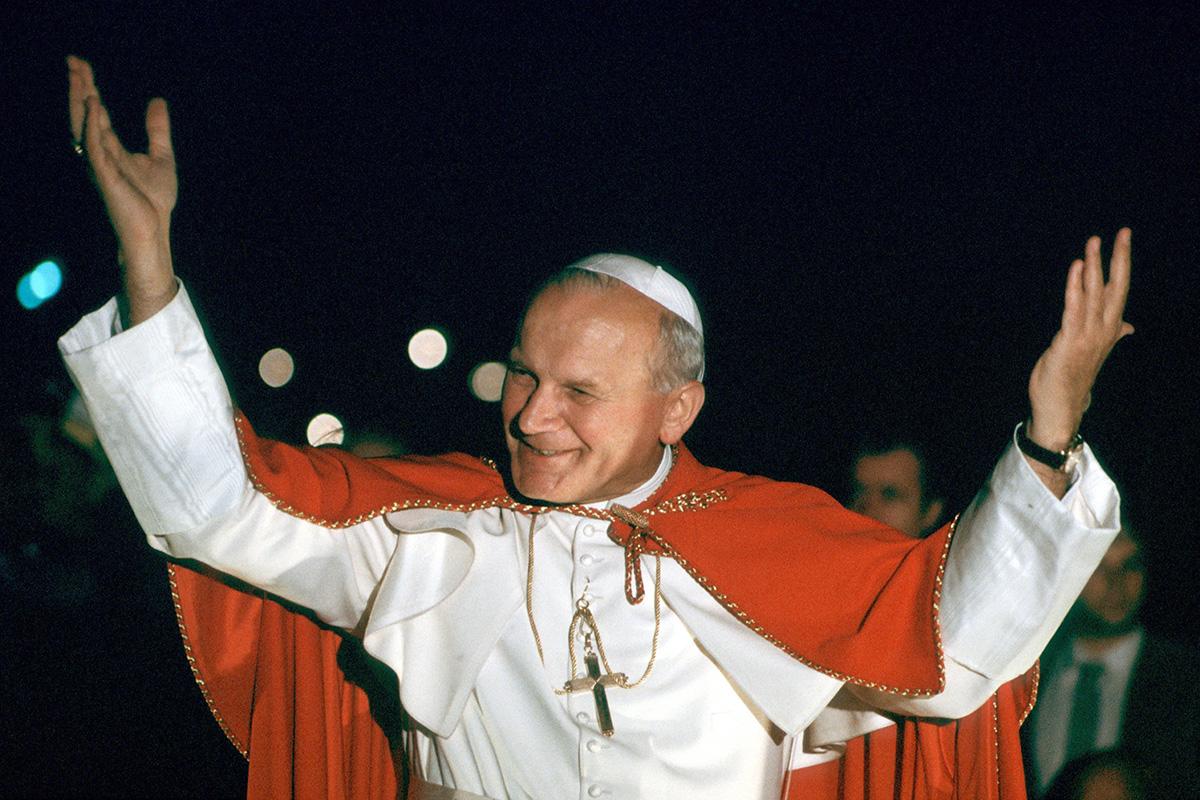
St. John Paul II described in his last book, Memory and Identity, how Divine Mercy is God’s answer to evil, recalling how the tyranny of the Nazi German regime ended after 12 years. On the one hand, God’s patient mercy allows us to return to him, and on the other, his in-breaking action of mercy can be seen when an end finally comes to the evils we endure.
At the beginning of this month in which we celebrate the Easter mysteries and Divine Mercy Sunday, we commemorate the 20th anniversary of St. John Paul II’s death and of Archbishop William Lori’s election as supreme chaplain, both on April 2. We are also approaching the 80th anniversary of the end of World War II. The commemoration of the liberation of the Dachau concentration camp on April 29 and the miraculous role played by St. Joseph in that event may be a good starting point to lead our councils in reflection on the service of living and deceased members and parishioners and how active God’s mercy is in the world. Wishing you a blessed Triduum and Easter.
Vivat Jesus!
| | |
This month, Supreme Chaplain Archbishop William Lori challenges Knights to take part in a Catholic faith formation course, event or opportunity offered through your local council (such as Cor), your parish or diocese, or online.
| | Blessed Michael McGivney's Corner | | After serving at St. Mary’s Church in New Haven, Connecticut, for seven years and forming many deep pastoral relationships with his parishioners, Father Michael McGivney humbly embraced a new assignment as pastor of St. Thomas Church in Thomaston in 1884. Recognizing that the Order’s mission was greatly needed in his new parish, Father McGivney established Atlantic Council 18, which this month marks its 140th anniversary and continues to thrive and preserve the legacy of its founder today. Father McGivney’s work in Thomaston is a powerful reminder of the essence of true pastoral calling: meekness of heart. You can read more about Blessed Michael McGivney’s ministry in Thomaston here and learn about the continued impact of Council 18 in this July 2021 article from Columbia. |
| |
April 2 marks the 20th anniversary of the death of St. John Paul II. This occasion gives us a opportunity to reflect on his unwavering support for Ukraine during its times of transition, beginning in 1989. As Ukraine navigated the challenges of post-Soviet life, John Paul II was a strong advocate for the country’s sovereignty. He supported Ukraine’s aspirations for freedom and democracy, always emphasizing the importance of human dignity and spiritual renewal. His historic visit to Ukraine in 2001 was a symbol of solidarity, as he called for peace, unity and respect for the rights of all people. His prayers and encouragement continue to resonate with the people of Ukraine, especially during the current conflicts. This short video segment from Liberating a Continent: John Paul II and the Fall of Communism underscores this support.
| | |
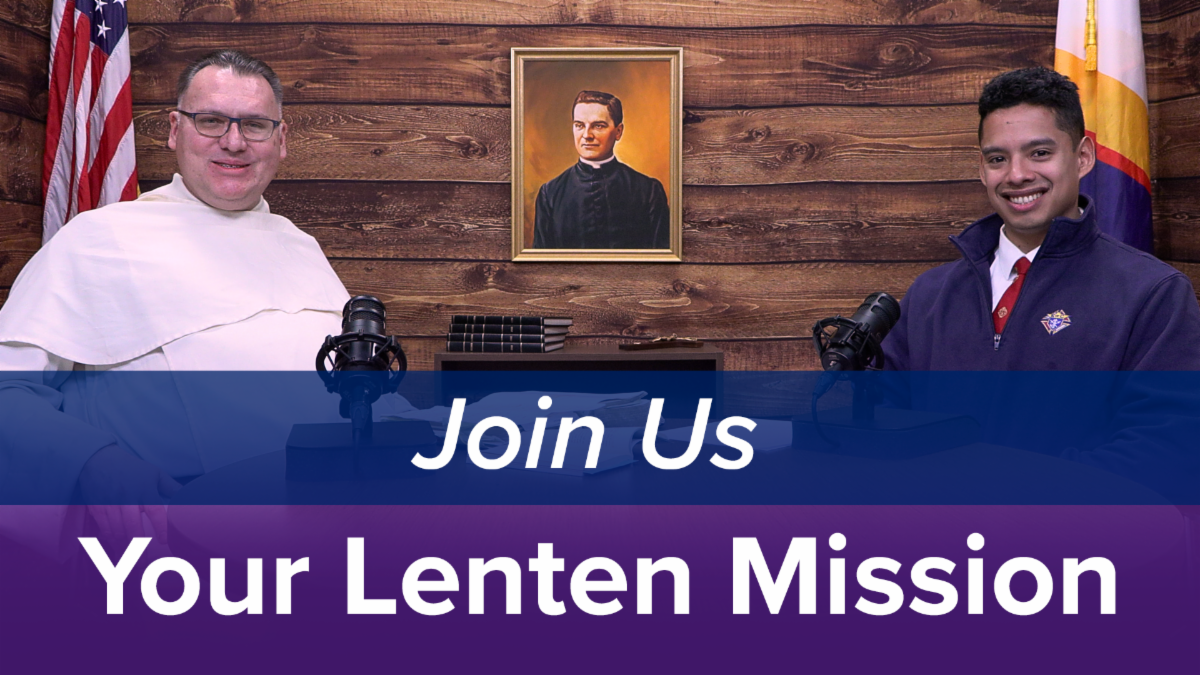
As we progress toward Easter, you and your council are invited to continue following along with our Lenten mission, led by Dominican Father Jonathan Kalisch, director of chaplains and spiritual development. Weekly discussion videos are released and made available on official K of C social media channels and kofc.org/lent. In addition to the videos, you’ll find a series of Lenten resources to help you and your council members enter more deeply into this penitential season.
| | |
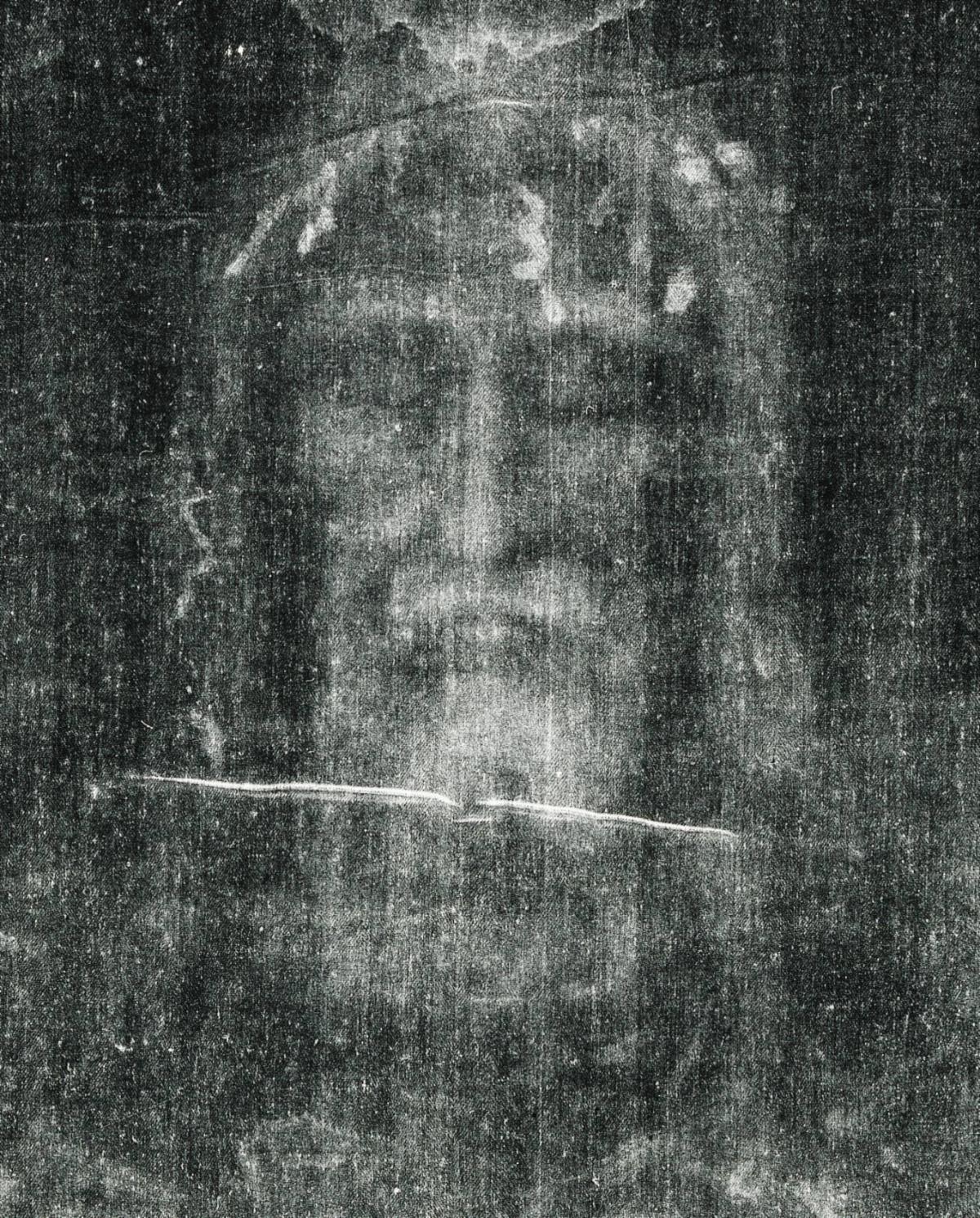
During his visit to Turin in 1998, St. John Paul II visited the Shroud of Turin, where he spoke on the power of redemptive suffering. “Contemplation of that tortured body helps contemporary man to free himself from the superficiality of the selfishness with which he frequently treats love and sin,” John Paul II said in an address during his pastoral visit. “The shroud does not hold people’s hearts to itself, but turns them to him, at whose service the Father’s loving providence has put it.”
This Lent, the Saint John Paul II National Shrine in Washington, D.C., features a temporary exhibit on the Shroud of Turin, tracking the movement of the shroud through history and displaying a replica of the shroud, on loan from the National Shroud of Turin Exhibit. The exhibit, which will be open through Easter Sunday, offers pilgrims an opportunity to embrace the Lenten spirit of repentance and conversion. Learn more about the exhibit here.
In a recent interview with Columbia, Dr. Gilbert Lavoie, author of The Shroud of Jesus and the Sign John Ingeniously Concealed (Sophia Press, 2023), shared how he became interested in the shroud, where his scientific investigations led him, and what he believes his discoveries reveal to the objective observer and to the eyes of faith. Dr. Lavoie is a member of St. James Council 12402 in Orlando, Florida, and a doctor of internal medicine who has pursued medical and forensic studies of the blood marks on the shroud for 40 years. Read the full Q&A here.
| | April 27 — Divine Mercy Sunday | | |
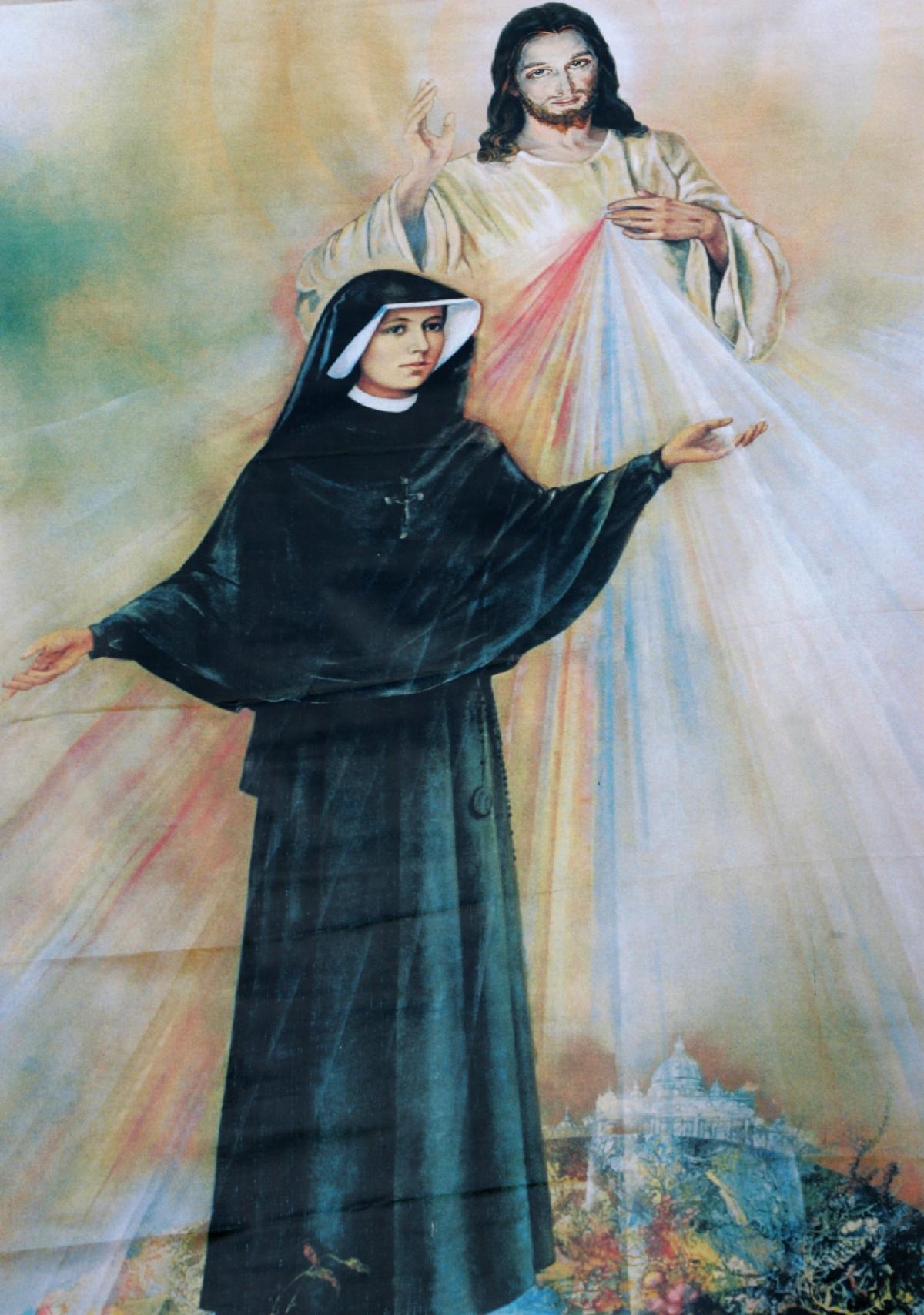
On April 30, 2000, the day of Sister Faustina Kowalska’s canonization, St. John Paul II instituted the feast of Divine Mercy for the whole Church. Celebrated on the first Sunday after Easter, the feast was inspired by a desire revealed by Jesus to St. Faustina: “I want the Feast of Mercy to be a refuge and sanctuary for all souls, and especially for poor sinners. On that day the depths of my mercy are open; I pour out a whole sea of graces on souls that approach the fount of my mercy” (Diary 699).
Through St. Faustina, Jesus promised to grant all manner of graces to souls who participate in the Divine Mercy novena, which consists of praying the Chaplet of Divine Mercy each day, beginning on Good Friday.
We invite you to listen to this talk by Sister Gaudia Skass of the Congregation of the Sisters of Our Lady of Mercy, who spoke about the life of St. Faustina and the message of Divine Mercy at St. Mary’s Church in New Haven, Connecticut, during the Extraordinary Jubilee of Mercy in 2016. You can also learn more about the story of Divine Mercy by watching the K of C-produced documentary The Face of Mercy; shorter segments of the film are also available here.
| | April 27 — Canonization of Carlo Acutis | | |
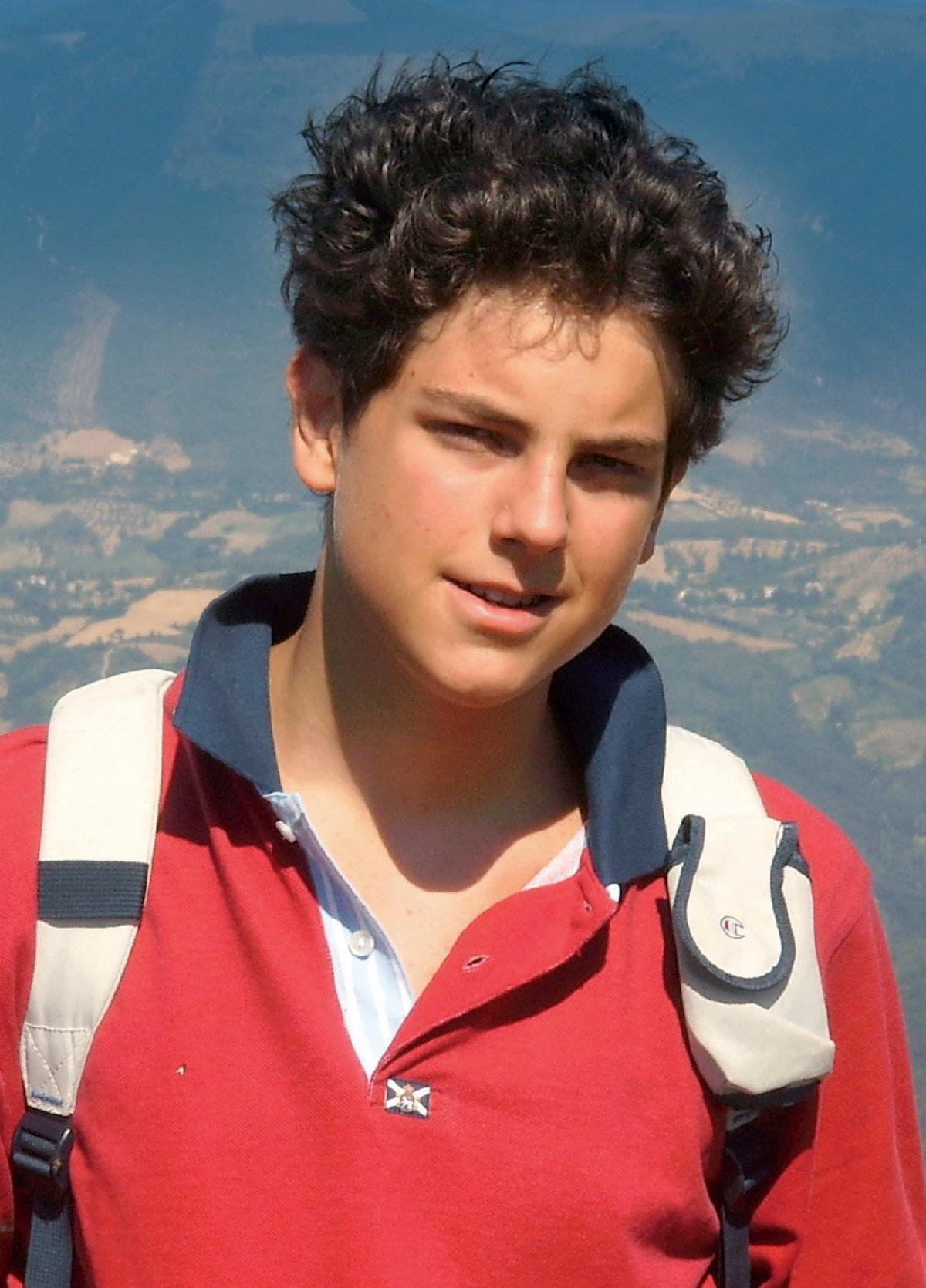
On April 27, during the last day of the Jubilee of Teenagers, Pope Francis will officially proclaim Blessed Carlo Acutis (1991-2006) a saint. Blessed Carlo’s short life was filled with Eucharistic devotion, love for Christ and neighbor, and a passion for computers, football and video games. Blessed Carlo famously worked to document and make known Eucharistic miracles — including through a website cataloguing remarkable stories about Jesus’ real presence — believing that these testimonies have great power to bring people closer to Christ and his Church. Through it all, Blessed Carlo lived an ordinary teenager’s life: he was a good student, a loyal friend and a lover of nature and sports.
His canonization invites us to reflect on our faith in the true presence and gives us the chance to rekindle our hunger for the Eucharist. To learn more about Blessed Carlo, visit the special exhibit Transformed by the Eucharist: Blessed Carlo Acutis and St. John Paul II on display at the Saint John Paul II National Shrine. More information about his canonization Mass is available here.
| | April 29 — Liberation of Dachau | | |
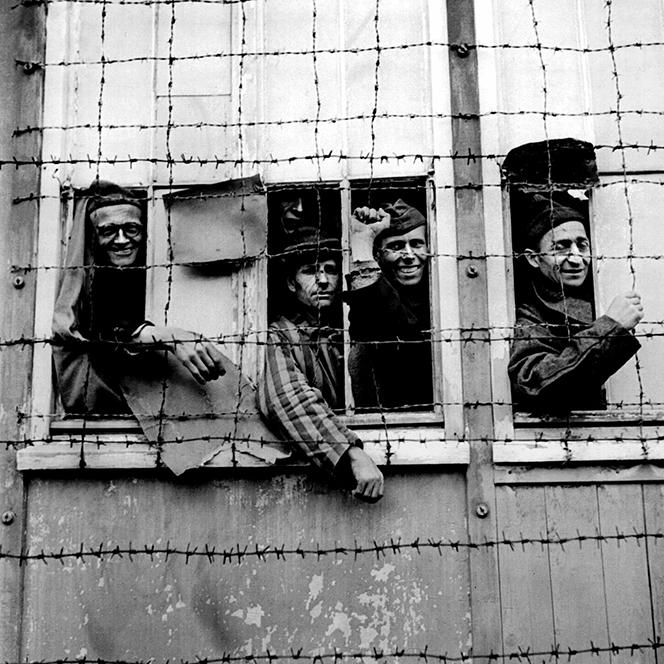
Eighty years ago, on April 29, 1945, the concentration camp in Dachau, Germany, was liberated by American forces on the very day when the camp was scheduled to be liquidated. Before their liberation, prisoners, facing extreme suffering and hopelessness, turned to St. Joseph of Kalisz for help. Entrusting their lives to St. Joseph, they took an oath to bear witness to his loving protection with every day of their lives. Their prayers were answered, and the camp was liberated just hours before they would have perished. As an expression of their gratitude, former prisoners made annual pilgrimages to Kalisz to visit St. Joseph’s Sanctuary.
On the 30th anniversary of their liberation in 1975, the Institute for Studies of the Family was founded through the initiative of Bishop Kazimierz Majdański, one of the survivors of Dachau. The goal of the Institute is to protect and serve the family through turbulent times. The miracle of the Dachau liberation reminds us that St. Joseph’s powerful intercession not only grants the impossible but, most importantly, transforms and converts our hearts. Watch Our Liberator: St. Joseph and the Priests of Dachau — a documentary about St. Joseph’s protection of the Dachau prisoners.
| | |
The United States Conference of Catholic Bishops (USCCB), with the generous support of the Knights of Columbus, will hold a special event during the Jubilee of Young People in Rome on July 30. From 7-10 p.m. Rome time, attendees will gather at the Papal Basilica of St. Paul Outside the Walls for an evening of pilgrimage, prayer, catechesis and Eucharistic adoration. Bishop Robert Barron of Winona-Rochester and Bishop Edward Burns of Dallas will lead the gathering, focusing on prayer and teaching. RSVP to save a spot for your group here.
Save the date:
| | Thank you for your service to the Order. If you have any questions or suggestions during your term, please email chaplains@kofc.org | | |
To view previous editions of Chaplain's Report, click here.
If you do not receive Chaplain's Report and would like to, please click SUBSCRIBE and complete the form.
| | | | | |