Adult and Family Literacy Today
Updates on adult and family literacy research, policy, and practice
Volume 15: December, 2024
| |
|
Best wishes for a joyful holiday season and a Happy New Year!
| |
Health Literacy: Bridging Skills, Culture, and Well-Being | |
|
As the cold winter days approach in the Northern Hemisphere, so do seasonal ailments such as the flu, coughs, and colds. These challenges remind us of the vital role health literacy (HL) plays in empowering individuals to maintain their health and make informed decisions about it. In 2020, the US Center for Disease Control and Prevention (CDC) revised its definition of health literacy to align with the goals of Healthy People 2030:
Personal health literacy is the degree to which individuals have the ability to find, understand, and use information and services to inform health-related decisions and actions for themselves and others.
Being literate about health-related matters enables individuals to make informed decisions, prevent health issues, and safeguard the well-being of families. Yet, HL disparities according to gender, age, income, and race are still significant (National Assessment of Adult Literacy, 2006).
Well before the COVID-19 Pandemic, critical health literacy (CHL) was an important issue in our country and disparities among vulnerable populations needed to be addressed (Prins & Mooney, 2014). Post-pandemic, this issue has become even more urgent for vulnerable families and communities. Recent research highlights three essential aspects of health literacy:
-
Healthy Habits: HL is reflected in daily routines, such as maintaining a balanced diet, engaging in regular physical activity, and adhering to preventive health measures.
-
Socio-Cultural Context: HL is shaped by cultural traditions, personal beliefs, and social experiences, making it vital to approach health education with cultural sensitivity.
-
Mental Well-Being: Mental health is an integral part of HL, as understanding and managing stress, anxiety, and emotional well-being are key to overall health literacy.
HL alone may not be a "magic bullet" for addressing public health disparities (Prins et al., 2015), but its impact is undeniable. Simplified, culturally sensitive materials, such as the Rapid Estimate of Adult Literacy in Medicine REALM tool (Davis et al., 1993), have long been recognized as essential for bridging communication gaps. Advancements in technology, including the integration of AI with tools like REALM, offer promising avenues for improving health literacy outcomes (Panagoulias et al., 2024). However, significant barriers persist, and low HL is linked to more frequent ER visits, higher rates of medication errors, and increased hospitalizations (NPSF, 2011). These challenges are particularly acute for non-native speakers and individuals from culturally diverse backgrounds (Prins & Mooney, 2014).
Adult educators play a critical role in enhancing HL among learners. Here are some actionable steps:
-
Integrate Health Literacy into Lessons: Use relatable scenarios, such as interpreting medical forms, scheduling appointments, or understanding prescription labels. Activities with recipes or grocery shopping allow practitioners to incorporate numeracy and HL skills, at different competence levels.
-
Culturally Responsive Content: Tailor materials to reflect learners’ linguistic and cultural backgrounds. For example, family literacy programs can incorporate stories that illustrate healthy behaviors and the consequences of poor health choices.
-
Promote Digital Health Skills and Critical Thinking: Teach students to navigate online health portals, schedule telehealth appointments, and evaluate online health information critically.
-
Collaborate with Health Experts: Partner with local healthcare providers to provide learners with accurate, accessible resources. Provide presenters with strategies for clear communication, such as using visual aids, defining unfamiliar terms, and breaking down information into smaller, digestible parts.
-
Foster Community Engagement: Encourage discussions about physical and mental health within community contexts, promoting a collective approach to wellness.
HL is a multifaceted skill set that includes literacy, numeracy, and digital competencies. By supporting learners to develop these competencies, practitioners can empower learners to navigate healthcare systems more effectively and advocate for themselves and their families.
In the "Resources" section below you can find some helpful HL resources for adult education and family literacy.
| |
Literacy Around the World | |
Digital and Media Literacy & Critical Awareness | |
The growing importance of digital literacy worldwide is evident in the increasing number of conferences, toolkits, and webinars aimed at keeping both educators and adult learners informed about how new technologies can enhance our lives and how to navigate these digital spaces with critical awareness. While October is internationally recognized as Digital Literacy Month, integrating digital skills into adult education should be a continuous effort throughout the year. In this section, we highlight a few key events:
| |
What's New at the Institutes? | |
Announcing Our New Director | | |
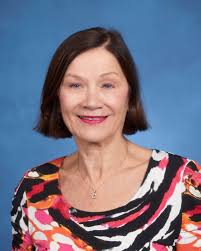
Dr. Marcela Movit began her career in adult education almost 20 years ago as a graduate assistant for GI/ISAL at Penn State while earning her Ph.D in Educational Theory and Policy. After graduation, she spent 16 years at the American Institute for Research (AIR), advancing the field through her work on federal initiatives such as the NRS, LINCS, and Teaching the Skills That Matter. She also worked on various state projects such as the development of adult education content standards for Alaska, training on the English Language Proficiency Standards for Iowa, and development of Integrated Education and Training programs in Alabama. She is very excited to be rejoining the GI/ISAL team as the new Director. | |
|
Dr. Carol Clymer, Co-director of ISAL and the Goodling Institute, is semi-retiring after 11 years at the Institutes, and 48 years as an educator and researcher. Dr. Clymer has been a successful grant writer, helping to raise over 10 million dollars of funding for direct service programs, research projects, and professional development activities in adult education and family literacy. In January 2025, she will begin a phased retirement and work part-time until March 2026 to finish several projects and help our new director, Dr. Marcela Movit. Carol is looking forward to working with Marcela and handing over the reins to a leader with such outstanding credentials.
|
| |
Promising Findings of Targeted Professional Development In The William Penn Foundation Family Literacy Initiative
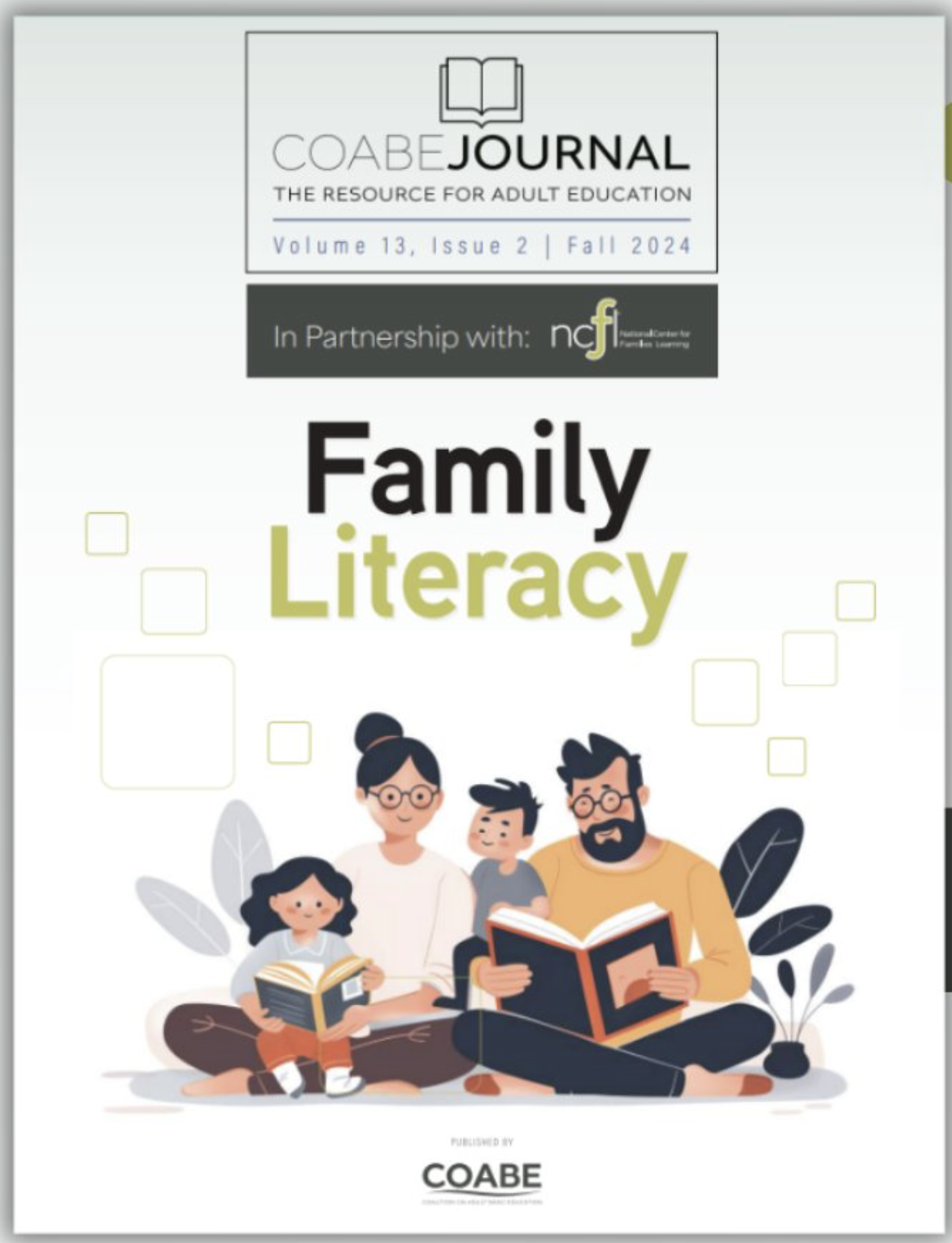
Elisabeth McLean, Carol Clymer, Esther Prins, and Jungeun Lee recently published this article in the COABE Journal - Family Literacy Special Edition. It discusses the regular, intensive professional development (PD) that the Goodling Institute for Research in Family Literacy team provided to five family literacy programs in Philadelphia, Pennsylvania over 5 years. Few program evaluations on family literacy have examined the role of PD. Findings from a multiyear, mixed methods evaluation demonstrated statistically significant results from a self-reported pre/ post caregiver survey about daily literacy activities and engagement in various parent-child activities. These findings, along with prior research, support the possibility that ongoing, intentional, and customized PD helped improve program quality, creating the conditions for enhanced parent-child language, literacy, and learning interactions. Well-planned PD and regular, supportive interactions with program staff are crucial for developing and improving successful, high-quality family literacy programs.
| |
| |
|
|
|
Parents’ learning in family literacy: a mixed-methods evaluation
Carol Clymer and Esther Prins, with Irit Bar-Kocha (German Institute for Adult Education - Leibniz Centre for Lifelong Learning, Bonn, Germany) and Daphne Greenberg (Georgia State University) were guest editors for the Journal for Research in Adult Education, Special Issue, Basic and Language Education for Adults with Low Literacy Skills. This Special Issue elucidates the needs of adults with low literacy skills and how their needs can be addressed. The articles reflect a multiliteracy approach to study development of reading, writing, oral language (in the context of second language acquisition), numeracy and digital skills and includes studies applying a range of research methods as well as varied data sources. The Special Issue can be found here (Volume 47, Issue 2 | Zeitschrift für Weiterbildungsforschung).
| | | |
Resources to Promote Health Literacy
As you read in the first section of the newsletter, practitioners are encouraged to include health literacy in adult education, particularly with learners from diverse cultural backgrounds. Below we listed some helpful websites, to inspire and enrich your classes.
The Center for Disease Control and Prevention CDC offers a few customizable resources to promote health literacy, for example, posters and videos on the importance of getting a flu vaccine. The website of the project Healthy People 2030 is also a goldmine of tools, to introduce health literacy into adult education classes.
The Literacy Information and Communication System (LINCS) elaborated a vast array of teaching resources on Health literacy.
The Wisconsin Health Literacy website offers great videos and tools to support different types of needs related to HL.
| | | |
Upcoming Events and Conferences | | |
|
The annual conference of The Adult Higher Education Alliance
will take place at The University of South Florida in Tampa FL.
February 26, 2025 (Virtual)
March 12 – 14, 2025 (In-Person)
The 2025 Virtual and In-person Conference theme is based on the book “Military Veterans Transitioning to Higher Education and the Civilian Workforce: Challenges, Opportunities, Supports, and Resources” edited by Yvonne Hunter, Timothy J. Ros, and Mary V. Alfred.
| |
|
2025 PAACE Conference
From 27 Apr to 29 Apr 2025
215 Innovation Boulevard, State College, Pennsylvania
Join colleagues from across Pennsylvania for the premier conference for adult educators and administrators! Specialized strands for administrators, teachers, caseworkers and tutors will be available. Networking opportunities will abound! You will also have the opportunity to learn about new products and services to support your adult learners.
| |
|
2025 COABE CONFERENCE
Texas, March 30 to April 2, 2025
The COABE 2025 national conference will be held at the Hyatt Regency in Dallas, TX! We invite you to enjoy the world’s largest adult education conference where you will access new best practices and receive targeted training from national level speakers.
| |
Penn State is an equal opportunity, affirmative action employer, and is committed to providing employment opportunities to all qualified applicants without regard to race, color, religion, age, sex, sexual orientation, gender identity, national origin, disability or protected veteran status. | | | | |