Adult and Family Literacy Today
Volume 17: April, 2025
| | Updates on adult and family literacy research, policy, and practice | | |
Why Integrate Financial Literacy into Adult Education?
| | |
From choosing a phone plan to understanding a mortgage, financial decision-making shapes everyday life. Yet millions of adults around the world navigate these decisions without access to the tools, knowledge, or support they would need to make sound financial decisions and build confidence in managing their personal and family finances (Niccolini & Cude, 2022).
In recent years, financial literacy (FL) instruction has gained traction in the U.S. not only in K–12 and higher education, but increasingly in adult education spaces. National organizations such as the Jump$tart Coalition, National Endowment for Financial Education, and the Council for Economic Education have helped promote financial education across age groups and platforms, shaping curriculum standards and resource development.
Not surprisingly, FL rates vary enormously between major economies. On average, 55% of adults in countries with advanced economies (e.g., Canada, France, Germany, Italy, Japan, the UK, and the US) are financially literate, with rates ranging from 37% in Italy to 68% in Canada. Further, according to the 2014 S&P Global FinLit Survey, just 57% of adults in the United States can be considered financially literate. But what does being financially literate mean? What skills, knowledge, or habits does it involve? And perhaps most importantly, why does it matter?
Although definitions of “financial literacy” vary, the OECD (2020) emphasizes the connection between knowledge and behavior, defining FL as “a combination of financial awareness, knowledge, skills, attitudes, and behaviors necessary to make sound financial decisions and ultimately achieve individual financial well-being.”
Age, gender, socioeconomic status, and cultural background all significantly influence how individuals engage with and learn about finances. UNESCO reminds us that globally, an estimated 754 million youth and adults lack basic literacy and numeracy skills—two-thirds of whom are women. Moreover, an individual's financial literacy is often shaped by the broader educational context of their country of origin. As Davoli and Rodríguez-Planas (2020) point out, there is a strong link between a person's financial knowledge and the average literacy level in their home country, highlighting the importance of culturally responsive and context-aware financial education.
FL instruction can build learners’ awareness of finances and confidence in navigating everyday financial challenges (Sajid et al., 2024). FL can also help learners gain a greater sense of control over their financial lives. Although FL efforts often focus on individual behaviors, it is also crucial to acknowledge the structural and systemic barriers that influence financial decision-making. Lack of access to banking, credit, affordable housing, or even stable internet can significantly limit one’s ability to make informed financial choices. In this light, financial literacy is not just a personal responsibility—it’s part of a broader ecosystem of equity and access.
Additionally, FL today is closely tied to digital literacy (Lo Prete, 2022). Navigating mobile banking, budgeting apps, or avoiding scams requires not only technical skills but also critical thinking and digital awareness, especially for learners with limited digital access or experience.
Financial learning also happens outside formal classrooms. Peer learning in community spaces—such as libraries, family literacy programs, or GED programs—offers meaningful opportunities for learners to exchange knowledge and support one another’s progress. Finally, the workplace is another key context for developing FL. Understanding contracts, benefits, taxes, or retirement plans is often a necessary and critical part of financial learning for working adults, especially those navigating insecure or low-wage jobs.
Including Financial Literacy into Your Practice
For adult educators, teaching FL does not require a finance degree—it requires an understanding of everyday challenges and a commitment to making learning relevant and accessible. Here are a few practical suggestions:
-
Start with lived experiences: Use real-life scenarios (e.g., budgeting for groceries, comparing phone plans, or managing unexpected expenses) to spark discussion and learning.
-
Integrate numeracy: Build confidence by embedding basic math into financial tasks—calculating percentages for discounts or interest rates can strengthen both skills at once.
-
Use multilingual and culturally responsive materials: Consider learners’ linguistic backgrounds and cultural perceptions of money to avoid a one-size-fits-all approach.
-
Connect to digital literacy: Teach learners how to navigate online banking, read electronic pay stubs, or recognize financial scams that come through texts or emails.
-
Address emotions and mindset: Recognize that money is deeply emotional. Acknowledge feelings of anxiety, shame, or fear about finances while fostering a classroom environment that encourages reality, reflection, and sound decision-making.
-
Build critical awareness: Discuss financial systems, inequalities, and consumer traps to foster not only informed decision-making but also a broader understanding of how these systems operate.
-
Link to work and everyday needs: Help learners make sense of financial topics they encounter on the job-such as contracts, benefits, or payroll deductions.
For more teaching ideas, information, and lesson plans, please explore:
| | Literacy Around the World | | Arab American Heritage Month: Stories That Build Understanding | |
April is Arab American Heritage Month—a meaningful time to recognize the vibrant cultural contributions and lived experiences of Arab Americans across the United States. In the context of family and adult literacy, this month invites us to expand our reading practices and educational spaces to include stories that reflect the full spectrum of American identities.
The New York Public Library’s curated reading list features books by Arab American authors—ranging from memoirs and poetry to novels and children’s literature. These titles can spark powerful conversations in adult education classrooms, family literacy programs, and community learning circles.
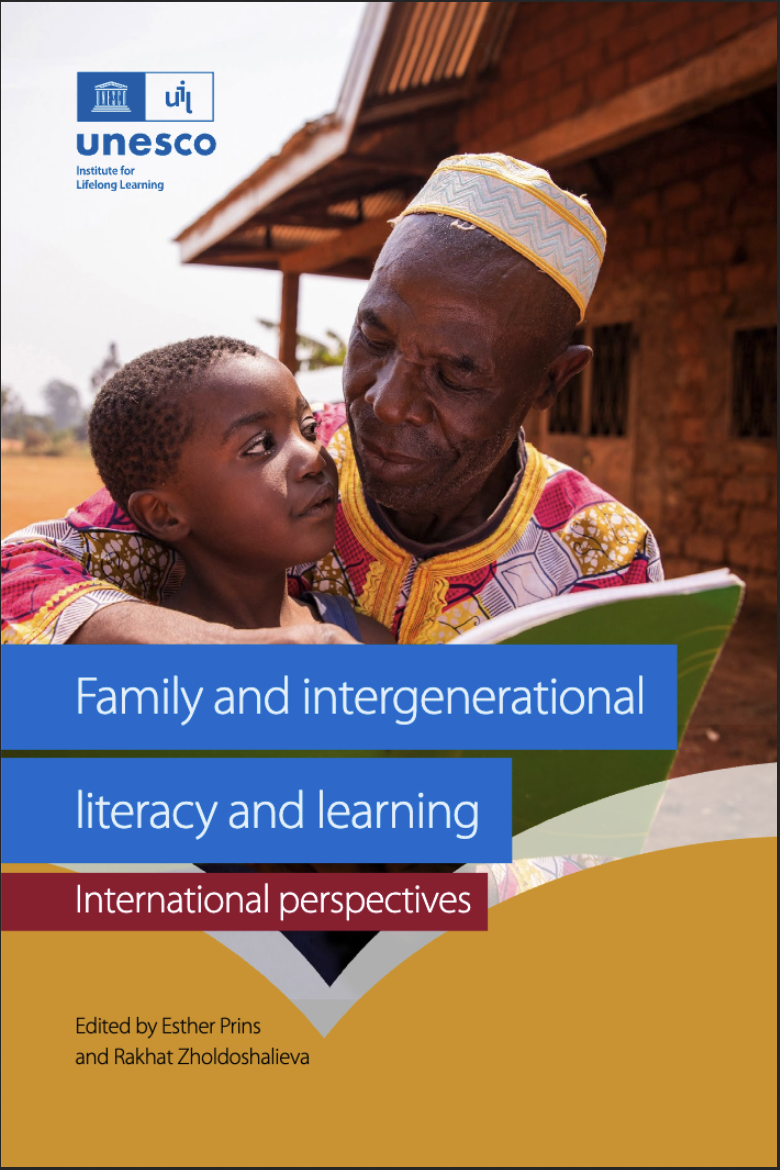
| | What's New at the Institutes? | | New UNESCO Book Highlights Global Perspectives on Family and Intergenerational Literacy and Learning | | | | Following the official launch on April 2, we are pleased to announce the publication of Family and Intergenerational Literacy and Learning: International Perspectives, co-edited by Goodling Co-Director Dr. Esther Prins and Dr. Rakhat Zholdoshalieva of the UNESCO Institute for Lifelong Learning (UIL). Published by UIL in Hamburg, Germany, this open-access volume features 20 chapters representing experiences and insights from five geographic regions and 15 countries—from Argentina to Uganda. The book includes a chapter on policy co-authored by the editors, former Goodling Institute Director Dr. Carol Clymer, and former Goodling graduate assistant Dr. Alexis Cherewka. Focusing on lower- or middle-income, non-Anglophone countries, the book is a valuable resource for researchers, educators, and policymakers interested in lifelong and intergenerational learning. | | |
State Association Leadership Institute (SALI)
Supports Emerging Leaders in Adult Education
| | |
Loretta Lininger, a workforce development specialist, participated in State Association Leadership Institute (SALI) which a unique professional development opportunity designed to strengthen leadership skills and foster collaboration. This program provides a blend of virtual and in-person learning experiences to equip participants with the tools they need to effectively support their state associations.
As a participant in SALI, she has the privilege of meeting virtually on a monthly basis with a diverse cohort of leaders from across the country. These sessions provide invaluable opportunities to gain professional development, build capacity, and access resources to better understand and support the work of our state associations. The program also fosters a dynamic community of practice, where leaders can share experiences, challenges, and solutions, allowing us to grow together in our roles.
SALI hosted an in-person pre-conference session at the COABE National Conference in Dallas, Texas, last March. This gathering served as a cornerstone of the program, providing participants with hands-on learning opportunities and a chance to deepen connections with peers and mentors.
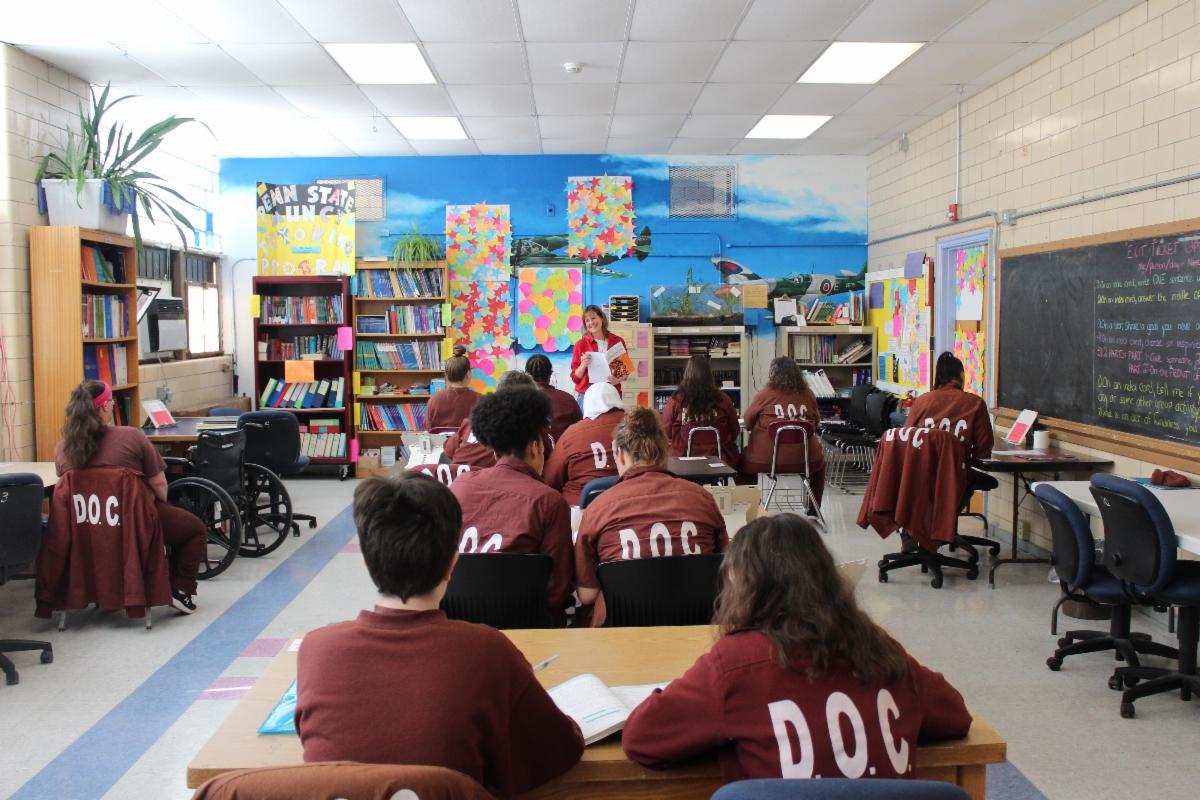
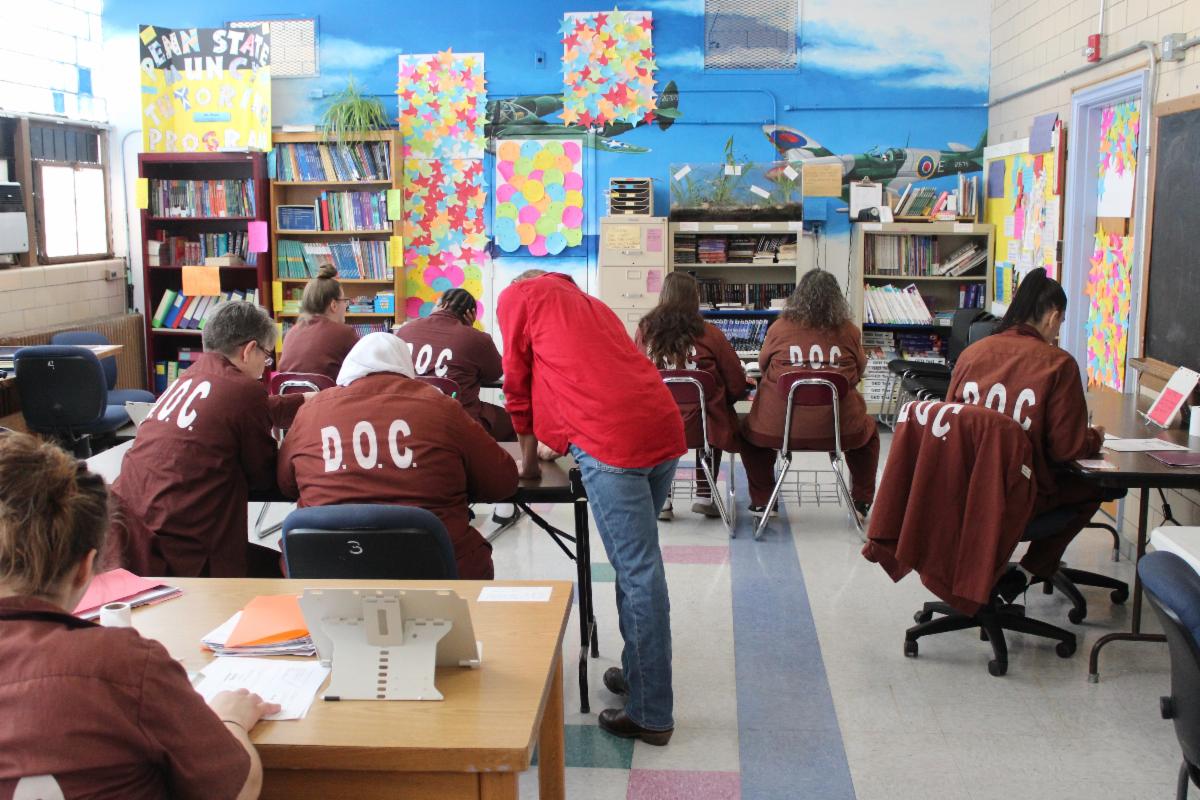
| | Tutoring Program at Women's Prison | | Robert Getz and Kim Roush facilitate the peer tutoring program at SCI Muncy, one of two women’s prisons in Pennsylvania. The photos provide an intimate view of a unique scenario, heads bowed together over challenging math problems or confounding grammatical questions. Pretenses are removed, openness and positivity prevail, and growth occurs. This program allows individuals to embrace their skills and move forward at a pace that suits them. From math to grammar to life skills to an essential boost in self-confidence, this program marks lives with positive growth. These individuals make a difference! | |
| |
Financial Literacy Resources
April is Financial Literacy Month! Here are some valuable resources to help adult educators enhance their financial literacy programs. These tools and organizations offer practical strategies, materials, and insights to support learners in building essential financial skills for everyday life.
| | | | |
MoneySkill – Free, Flexible, and Bilingual
The MoneySkill platform, developed by the AFSA Education Foundation, offers a comprehensive 37-module course tailored for high school and adult learners. Available in English and Spanish, the curriculum is fully customizable and free to use for educators, families, nonprofits, and education administrators. It was recently spotlighted during a COABE webinar on April 9—watch the recording here to learn how to get started.
Upcoming UNESCO Webinar: Financial Literacy for Adults
Mark your calendars for 2 July 2025, 13:00–14:30 CEST (7:00–8:30 AM EST). This UNESCO Global Alliance for Literacy webinar will focus on financial literacy for adults, with insights from policy, practice, and research. A great opportunity to connect global perspectives with your local teaching context.
| | Upcoming Events and Conferences | | |
2025 Pennsylvania Association for Adult Continuing Education Conference
The 2025 PAACE Conference will be held from April 27 to April 29, 2025, at the Penn Starter Hotel and Conference Center! Join colleagues from across Pennsylvania for the premier conference for adult educators and administrators. Please join the presentations by people from GI/ISAL!
Integrating Workforce Preparation Skills for Student Success (April 28, 10:45-11:45 AM) Loretta Lininger & Bethany Lezanic
Developing Workforce Preparation Skills, including Digital Literacy and Transferable Skills, is essential for empowering adult learners to succeed in today's dynamic job market. This interactive session will guide participants through practical strategies to integrate these critical skills into their instructional routines.
Tiny Talks: Improving Student Success through Instructor Reflection (April 28, 3:00-4:00 PM) Shannon Frey
This presentation outlines Tiny Talks, a brief reflective practice strengthening teaching and improving student success. Instructors audio-record responses to questions in four categories - Dump, Deepen, Do Over, and Dialogue - immediately after teaching. This simple method cultivates insight into teaching strategies, leading to more effective and engaging lessons, ultimately improving support for adult learners.
Unlocking Success: Workforce Technical Assistance Resources (April 29, 8:00-9:00 AM) Alexis Vang & Loretta Lininger
During this session we will explore tools that help improve program outcomes, resources that support adult learners with creating realistic career goals, and how programs can implement innovative approaches to working effectively with others.
eData Access Template - Questions and Queries (April 29, 9:30-10:30 AM) Michael David & Steve Linnes
Data informed decision making starts with establishing a question, followed by creating a query in the eData Access template. A well-developed question results in a query that provides more accurate data for analysis. eData Tech Support staff will demonstrate how to develop data-focused questions which help to inform effective query creation.
Hitting Outcomes through Effective Partnerships & Collaborative Case Management (April 29, 9:30-10:30 AM) Chrissie Klinger
Whether your program is trying to hit the bullseye with educational gains or having learners transition to employment or training, this session has what you need. Through interactive discussions and hands-on activities, we will explore strategies and tools that help you work effectively with partners to help adult learners find success.
Accelerating Learner Success (April 29, 1:45-2:45 PM) Chrissie Klinger & Tara Ondra
This session will explore accelerated adult education programming benefits adult learners. Participants will explore strategies and real student scenarios on how to reduce barriers and increase learner outcomes through accelerated programming.
| | |
American Educational Research Association Annual Meeting
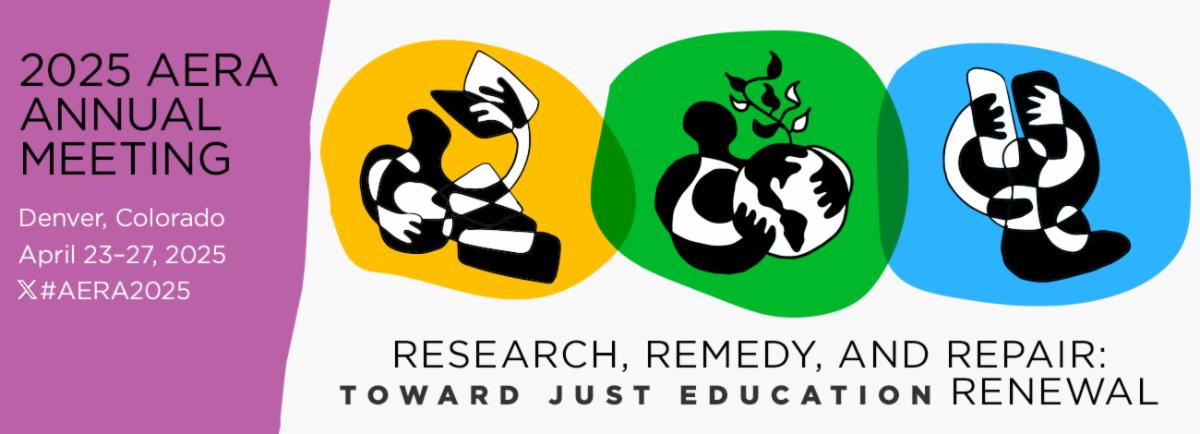
AERA is excited to host its annual meeting on April 23-27, 2025 in Denver, Colorado. This year’s theme asks researchers, practitioners, and policymakers to explore interdisciplinary approaches to addressing educational inequalities and fostering holistic renewal within the education system.
Don’t miss the session by Esther Prins, Carol Clymer, Jungeun Lee, and Elisabeth McLean on Wed, April 23, 4:20 to 5:50pm MDT: "Adult Learning Matters: Examining Parents’ Learning in the Philadelphia Family Literacy Initiative". They will share findings from a multi-year, mixed-methods evaluation of five family literacy programs in Philadelphia.
| | |
Adult Education Research Conference
The 2025 Annual Adult Education Research Conference will be hosted by Troy University-Montgomery Campus and held on the Montgomery Campus June 26-28, 2025. AERC is an annual North American conference that provides a forum for adult education researchers to share their experiences and the results of their studies with students, other researchers, and practitioners from around the world.
| |
Penn State is an equal opportunity, affirmative action employer, and is committed to providing employment opportunities to all qualified applicants without regard to race, color, religion, age, sex, sexual orientation, gender identity, national origin, disability or protected veteran status. | | | | |