Adult and Family Literacy Today


Volume 18: June, 2025

Updates on adult and family literacy research, policy, and practice

Research to Practice

Civic Literacy and Community Engagement

Research highlights the significant role family literacy programs can play in promoting civic literacy and community engagement (NCFL, 2014; Epstein et al., 2011; Olasehinde, 2024), particularly by fostering intergenerational learning. These programs have the potential to help families navigate the complexities of civic life and actively contribute to democratic processes. A central aspect of successful family literacy programs is their ability to integrate theoretical frameworks with practical applications, which can help to advance intergenerational learning and civic engagement. 


Recent scholarship emphasizes that civic literacy extends beyond traditional classroom instruction. Klinkhammer et al. (2024) found that adult education programs significantly enhance civic participation when they incorporate personality-aware approaches, particularly leveraging learners’ openness to new experiences. This aligns with earlier work that found that structured reflection and cross-cultural dialogue are key predictors of sustained civic engagement (Kuk and Tarlau, 2020). 


Family literacy programs can draw inspiration from civic education models that focus on service learning, which combine community services and traditional academic learning (Bringle & Clayton, 2012). Such models not only enhance civic knowledge and skills but also promote active participation by involving both students and community members as co-educators and co-learners. A participatory approach ensures that learning is directly connected to community needs.


Implementing Research-Based Strategies 


Integrate Multigenerational Learning Frameworks 

The four-component family literacy model—adult education, children’s education, Parent and Child Together (PACT) time, and parent education—provides a robust structure for civic skill development. Analyzing local ballot measures builds both reading comprehension and democratic participation skills (McCormick & Halvorsen, 2021). During PACT sessions, families can engage in community-mapping exercises that combine literacy practices with civic awareness.  


Employ Scaffolded Critical Reading Techniques 

Adopting McCormick & Halvorsen’s (2021) Reading Apprenticeship model can help learners critically analyze civic-related texts. This approach combines metacognitive questioning (“How does this author’s background influence their perspective?”) with collaborative annotation strategies, enabling learners to decode complex political material, particularly considering “the propagation of “fake news” that can fan the flames of misinformation” (McCormick & Halvorsen, 2021, p. 14). Educators might pair news articles about housing policies with guided reflection prompts to connect textual analysis with lived experiences. 


Provide Media Literacy Instruction 

Studies have indicated that media literacy, which can be a component of family literacy programs, significantly supports civic engagement in the digital age. Media literacy programs enhance media knowledge, news analysis skills, and information-seeking motives, which are crucial for civic engagement (Martens & Hobbs, 2015). These skills are important because they help individuals critically engage with media content, thereby fostering informed and active participation in civic life. In a PACT session, parents and children could sort a mix of pictures from storybooks, cartoons, and real-life photos into two piles, “Real” and “Make-Believe,” while talking about how they know which is which. 


Connect Learning to Authentic Civic Action 

Partnering with local organizations creates tangible opportunities for applied learning. A 2024 study found that adults participating in community-led initiatives demonstrated 23% higher civic self-efficacy than their peers in classroom-only programs (Klinkhammer et al., 2024). Educators might coordinate with food banks to have family research policy drivers of food insecurity while volunteering, thereby linking services to systemic analysis. 


Additional Considerations

While these strategies show promise for promoting civic literacy and community engagement, educators must be aware of potential challenges they may encounter. The OECD (2025) reports an inconsistent evaluation of civic literacy programs across adult education systems, emphasizing the need for standardized outcome metrics. Without that, it can be difficult to measure the effectiveness of the strategies. Additionally, Kuk and Tarlau (2020) cautioned against overly prescriptive curricula that may stifle organic knowledge production inherent in social movement learning. Balancing structured skill-building with learner autonomy remains crucial. Successful programs often use “emergent curriculum” models, in which facilitators adapt content to participants’ evolving civic interests while maintaining core literacy objectives. 


Literacy Around the World

2025 UNESCO International Literacy Prizes

Since 1967, UNESCO International Literacy Prizes have rewarded excellence and innovation in the field of literacy. 512 projects and programmes undertaken by governments, non-governmental organizations and individuals around the world have been recognized. Through these prestigious prizes, UNESCO seeks to support effective literacy practices and encourages the promotion of dynamic literate societies


Currently, there are two UNESCO International Literacy Prizes: the UNESCO King Sejong Literacy Prize and the UNESCO Confucius Prize for Literacy.


This year, the Prizes focus on promoting literacy in the digital. The 2025 call is now open until 27 June.

What's New at the Institutes?

Exemplary Paper Award from the AERA Adult Literacy and Adult Education 

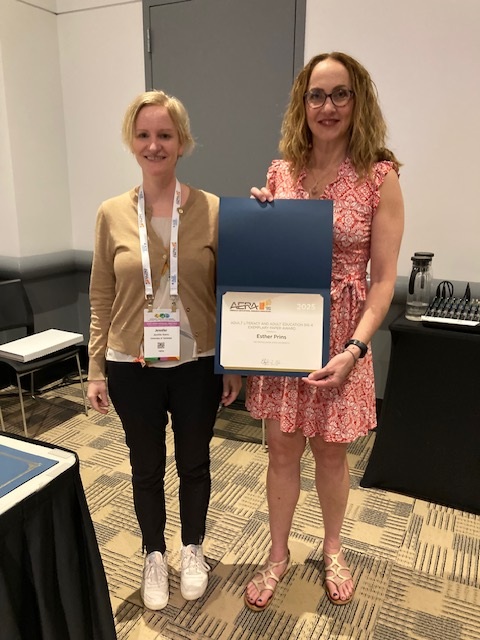
The Goodling Institute is excited to announce that a paper authored by Esther Prins, Carol Clymer, Jungeun Lee, and Elisabeth McLean received the Exemplary Paper Award from the American Educational Research Association (AERA) Adult Literacy and Adult Education Special Interest Group. The paper, “Adult Learning Matters: Examining Parents' Learning in the Philadelphia Family Literacy Initiative,” was presented at AERA in April 2025. 


The paper presents findings from a four-year, mixed-methods evaluation of five family literacy programs in Philadelphia, funded by the William Penn Foundation. Qualitative and statistically significant quantitative data demonstrate positive parents’ educational, personal, social, and parenting outcomes. The results illustrate the value of using multi-faceted, holistic measures to examine the benefits parents gain from family literacy.

Summer Events in our English Classes

Community Gardening


The Community Garden is an organic space planned, planted, and maintained by adult education ESL students as part of their learning program. The garden includes five raised beds and currently grows a variety of produce and herbs, including four types of tomatoes, four types of peppers, lettuce, green onions, radishes, sweet peas, two varieties of mint, basil, and zinnias. Chinese chives and additional herbs will be added soon. Students take responsibility for the care of the garden, and all students are welcome to harvest and enjoy the fresh produce whenever they like.


2nd Annual Summer Kick-off Picnic


On Monday, June 2, ISAL ESL students and teachers enjoyed a beautiful sunny day at the Orchard Park Pavilion. Approximately 50 students attended and had grilled hamburgers, hot dogs, eggplant, and falafel. Students brought an amazing array of international foods to share. They enjoyed each other’s company while we ate, talked, and laughed. Students learned and played cornhole, most of them for the first time. 

Earth Day


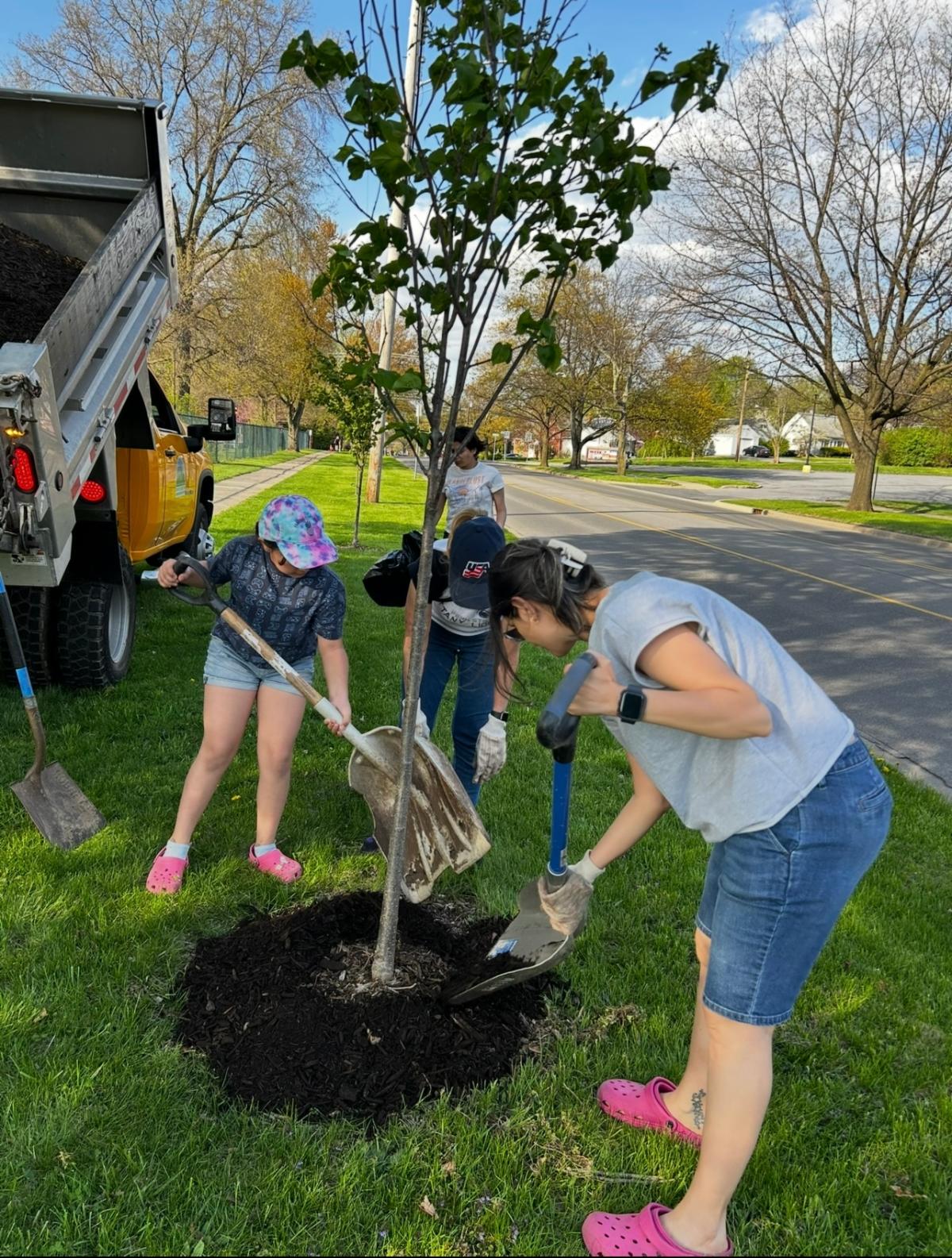
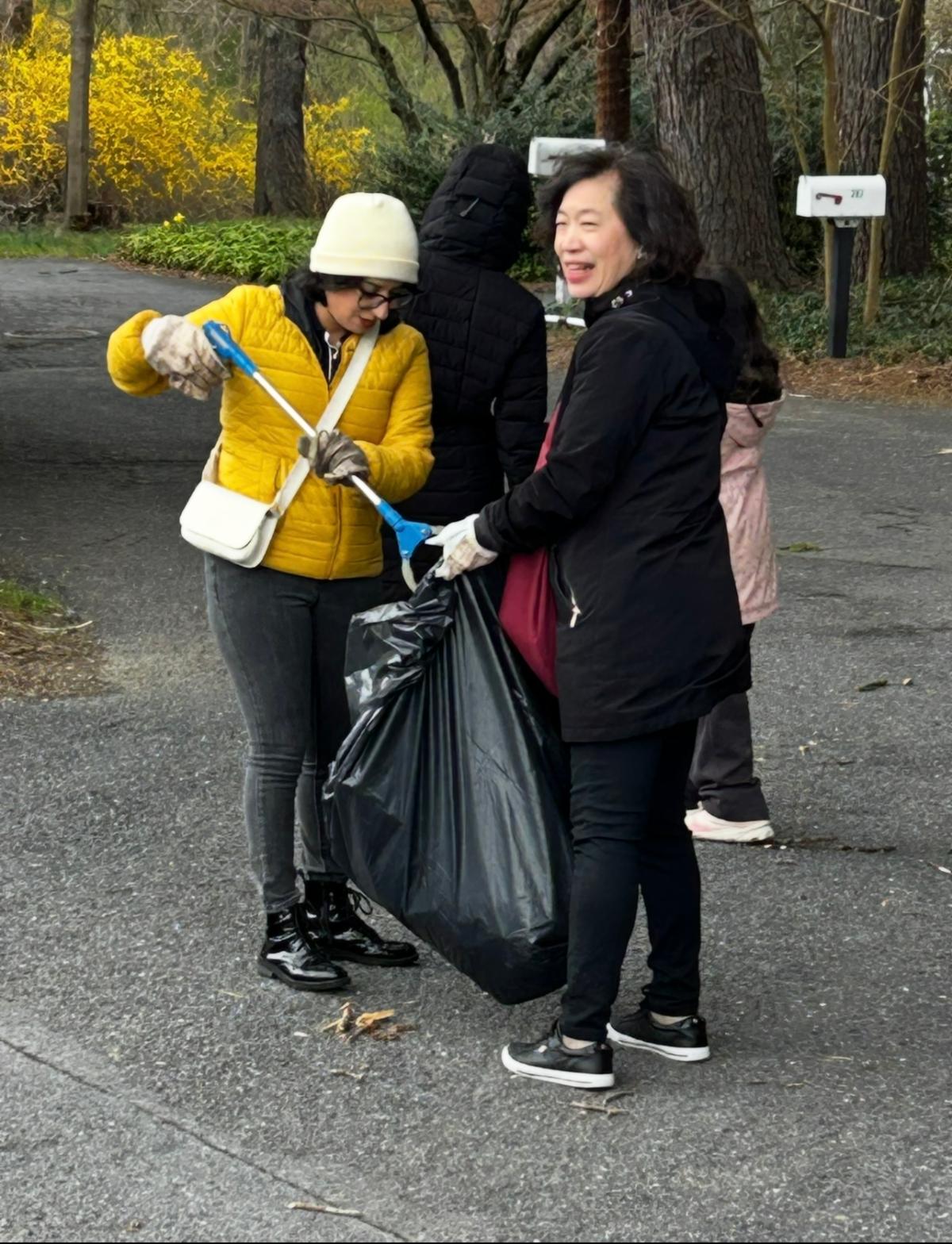
In April, ISAL students joined with the State College Borough and participated in two Community Clean-up events for Earth Day. Students and instructors met at Lederer Park in mid-April and cleaned the park. In late April, they met at the Westerly Parkway Wetlands and cleaned the area. They also mulched all the trees lining Westerly Parkway in front of the wetlands.

Upcoming


On Saturday, June 28, the group will make its annual Culture/Conversation Destination trip to Centre Hall for the Centre Hall Yard Sales. These community yard sales are some of the biggest in the area with BBQs and food trucks along the streets. Students learn about yard sales as a part of American culture in classes before the event. 

Resources

Teaching Skills That Matter: Civics Education


Designed to support teachers in adult education and family literacy, this LINCS resource page provides practical tools to strengthen civic engagement and civic literacy. It includes lesson plans, instructional strategies, and classroom activities that promote learners’ understanding of government, community involvement, and everyday civic responsibilities. The goal is to help adult learners gain the knowledge and confidence needed to participate fully in civic life. 

Civic Online Reasoning 


The Civic Online Reasoning curriculum provides free lessons and assessments that help you teach students to evaluate online information that affects them, their communities, and the world.

Upcoming Events and Conferences

Adult Education Research Conference


The 2025 Annual Adult Education Research Conference will be hosted by Troy University-Montgomery Campus and held on the Montgomery Campus June 26-28, 2025. AERC is an annual North American conference that provides a forum for adult education researchers to share their experiences and the results of their studies with students, other researchers, and practitioners from around the world.

2025 American Library Association Annual Conference & Exhibition


Take your library vision to the next level at the ALA 2025 Annual Conference & Exhibition! Connect with forward-thinking librarians from around the globe and explore new possibilities for the future of libraries. This dynamic event brings together thousands of library professionals and friends of libraries to exchange innovative ideas and turn them into impactful action.


This conference will have several sessions about adult literacy, including: 

  • Meeting the Moment: Reimagining Library Support for Adult Literacy in a Changing Landscape 
  • Something's Missing: The Need for Library Involvement in Prison Literacy Programs 
  • T.E.C.H. for Reentry: Digital Literacy and Public Library Programming for Formerly Incarcerated Community Members

Upcoming UNESCO Webinar: Financial Literacy for Adults


Mark your calendars for July 2nd, 2025, 13:00–14:30 CEST (7:00–8:30 AM EST). This UNESCO Global Alliance for Literacy webinar will focus on financial literacy for adults, with insights from policy, practice, and research. A great opportunity to connect global perspectives with your local teaching context.

European Conference on Information Literacy


Information Literacy in an AI-driven World being the main theme, ECIL aims to bring together researchers, information professionals, media specialists, educators, policy makers and all other related parties from around the world to exchange knowledge and experience and discuss recent developments and current challenges in both theory and practice.  

LinkedIn Share This Email
logo image
Penn State is an equal opportunity, affirmative action employer, and is committed to providing employment opportunities to all qualified applicants without regard to race, color, religion, age, sex, sexual orientation, gender identity, national origin, disability or protected veteran status.