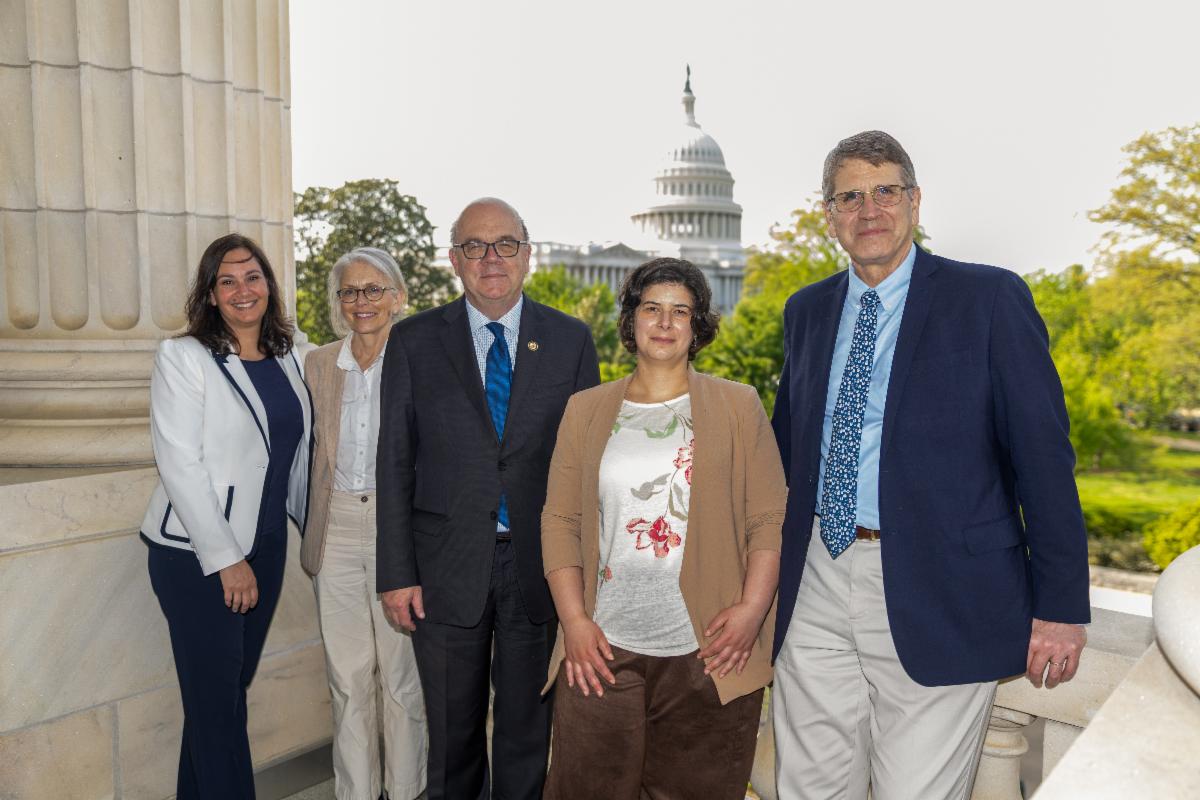
AAVMC Volunteers Champion Veterinary Education at Advocacy Day 2026 | Advocates with Rep. James P. McGovern (center), Massachusetts. | |
More than 150 advocates representing over 40 AAVMC member institutions met with congressional offices during Advocacy Day 2026. This year's event took place on April 15, preceding AAVMC Catalyze 2026.
They highlighted critical concerns impacting veterinary education, including the Veterinary Medicine Loan Repayment Program (VMLRP), student loan affordability, and visa policy.
Digital Materials
Read more and access the 2026 Advocacy Day materials here.
| AAVMC Shares Legislative Priorities for the 119th Congress | |
AAVMC continues to advocate for policies that strengthen veterinary education, research, and workforce development.
Review our top priorities for the second session of the 119th Congress here.
| DOE Releases New Regulations for Federal Student Loans | | |
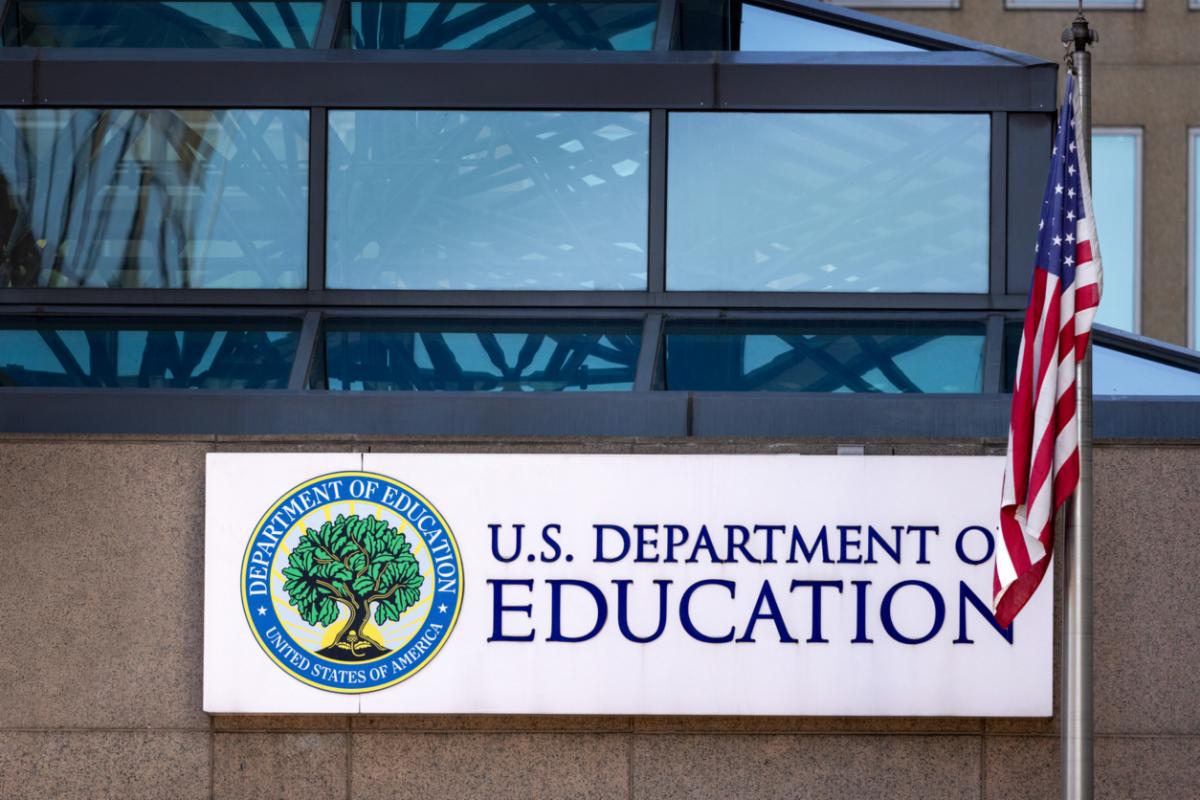
The U.S. Department of Education (DOE) has released final regulations under the new Reimagining and Improving Student Education (RISE) Federal Student Loan Program, implementing major student loan changes created by the One Big Beautiful Bill Act (OBBBA). These changes are expected to significantly impact graduate and professional degree programs, including veterinary medicine.
Veterinary medicine will continue to qualify as a professional degree program, allowing students to borrow up to $50,000 annually with a $200,000 aggregate federal loan cap. However, the elimination of Grad PLUS loans may create additional affordability challenges for students whose total cost of attendance exceeds those limits.
The new regulations also replace several existing income-driven repayment plans with a new Repayment Assistance Plan (RAP), which will continue to allow qualifying payments to count toward Public Service Loan Forgiveness (PSLF). Institutions will additionally gain authority to establish program-level borrowing limits beginning July 1, 2026.
View a summary of the changes.
| | DOE Holds Session on Accreditation | |
The DOE held the first session of its 2026 negotiated rulemaking on accreditation from April 13–17. This is part of a broader effort to revise federal oversight of higher education. The negotiated rulemaking process on accreditation and higher education oversight is now entering its final session.
Draft proposals discussed during the sessions include:
- Greater use of program-level student outcome measures, including completion, placement, and licensing exam data.
- Increased focus on affordability, cost effectiveness, and return on investment.
- Reduced regulatory requirements and streamlined processes for accrediting agencies.
- Expanded flexibility for institutions changing accreditors or working with multiple accreditors.
- New requirements tied to compliance with federal and state law, academic freedom, and institutional governance.
AAVMC will continue to monitor developments, engage with higher education partners, and provide updates and resources via AAVMC Connect as the rulemaking process continues. Find a comprehensive summary of initial regulations here.
| House Passes Farm Bill (H.R. 7567) | | |
In April, the House passed the Farm, Food, and National Security Act of 2026 (H.R. 7567), which includes several updates that could impact veterinary medical education, workforce development, and federal funding opportunities.
Noteworthy provisions include:
-
Veterinary Services Grant Program (Sec. 7104): Expands support for building and sustaining rural veterinary practices, strengthening opportunities for rural clinical training and workforce development.
-
VMLRP (Sec. 7103): Maintains loan repayment support for veterinarians serving shortage areas while streamlining program administration.
-
Agriculture and Food Protection Grant Program (Sec. 7128): Broadens grant eligibility and may create new partnership opportunities in food system security and disease preparedness.
-
Centers of Excellence (Sec. 7208): Continues recognition of veterinary medicine priority areas, though future funding may become increasingly competitive and outcomes-focused.
Learn More:
View the full comparison of the 2026 Farm Bill with current law here.
| | |
Appropriations Update Highlights Vet Med’s Impact
The House Appropriations Committee approved the FY2027 Agriculture, Rural Development, Food and Drug Administration, and Related Agencies bill, which continues support for the VMLRP.
While final funding levels and implementation details will continue to develop through the federal budget process, the appropriations package signals continued congressional recognition of the veterinary workforce’s role in food security, public health, and agricultural resilience. Learn more.
| | |
PACCARB Will Reconvene in June
Following advocacy from stakeholder organizations, including a coalition letter led by the American Society for Microbiology and Infectious Diseases Society of America, the Presidential Advisory Council on Combating Antibiotic-Resistant Bacteria (PACCARB) will reconvene on June 16 and accept public comments through June 19. The letter, signed on by AAVMC, supported renewed federal coordination on antimicrobial resistance policy.
Paul Plummer, DVM, PhD, DACVIM, Dean of the University of Tennessee College of Veterinary Medicine, currently chairs the committee. Read More.
| | |
FDA Names Acting Head of Human Foods Program
Donald A. Prater, DVM, has been named Acting Head of the Food and Drug Administration (FDA) Human Foods Program. A career FDA official with more than 26 years at the agency, he earned his DVM from Virginia Tech University, Virginia-Maryland College of Veterinary Medicine. Read More.
| | |
USDA Grant Conditions Lawsuit
Twenty-one states and the District of Columbia have filed suit against the United States Department of Agriculture (USDA) over new federal grant conditions scheduled to take effect later this year. The lawsuit challenges provisions tied to diversity initiatives, gender-related policies, immigration restrictions, and executive order compliance. Plaintiffs argue the conditions exceed USDA authority and could jeopardize funding for programs such as SNAP, WIC, and school meal initiatives.
The Association of Public and Land-grant Universities (APLU) has been engaged with USDA and Congressional leaders on the issue, and updated grant terms are expected following ongoing stakeholder review. More details here.
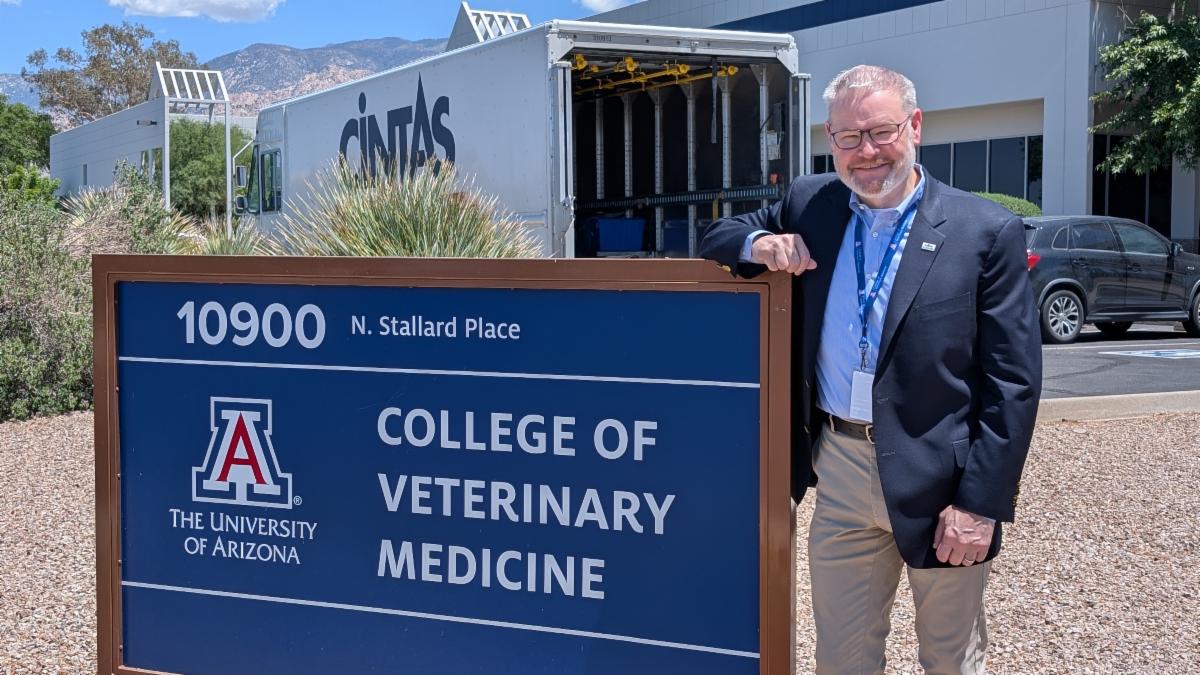
| | During a recent campus visit to the University of Arizona College of Veterinary Medicine, Kevin Cain, AAVMC's Senior Director for Governmental Affairs, engaged with students and discussed policy and advocacy. | | |
Advocacy Letters
AAVMC works closely with organizations interested in advancing academic veterinary medicine, food security, and public health. The letters below reflect some of that recent activity.
| | |
Advocacy Webinars
Catch up on AAVMC's recent webinars:
| | |
Get Involved: AAVMC Governmental Affairs
Members of the academic veterinary medicine community play an important role in shaping federal policy.
Ways to Engage:
- Participate in AAVMC advocacy initiatives.
- Meet with congressional offices.
- Share research and institutional impact stories.
- Attend policy briefings and advocacy events.
Track Key Legislation:
Contact Kevin Cain, AAVMC Senior Director for Governmental Affairs, with any comments, questions, or suggestions about our program.
| | |
Stay Up-to-Date with AAVMC
-
Subscribe to AAVMC Advocacy Insights newsletter here. Read past issues here.
-
Sign up to receive Vet-Med Educator in your inbox here. See past issues here.
AAVMC strives to create a culture of diversity and inclusion in every dimension of academic veterinary medicine. To foster this goal, the photographs and illustrations in our communications programs are aspirational, and do not necessarily reflect the levels of diversity and inclusion that currently exist.
| | | | |