Governor's Mental Health Newsletter | |
|
The holiday season is often a busy time of year for many of us, and while it can be filled with joy and festivities, it can be challenging for others. Holidays can bring about higher levels of stress, feelings of loneliness, depression, and anxiety. This phenomenon is referred to as the holiday blues, and consequently, some may consider suicide. Warning signs that may be overlooked include changes in sleep patterns, weight loss or weight gain, increased or decreased eating, increased anger or anxiety, headaches, lack of concentration, and decreased interested in things you would normally do.
What Causes the Holiday Blues?
- Unrealistic Expectations
- "Holiday happiness" may be difficult to achieve, and the pressure to upkeep a positive, 'merry' attitude can be stressful and may even worsen anxiety during this season
- There can a pressure for everything to be perfect, and when things don't fit into this expectation, it can lead to disappointment and anxiety
- Overcommitment
- The holiday season can be an extremely busy time between hosting and attending holiday gatherings and shopping for gifts. This can be overwhelming and leave you feeling drained
- The pressure to agree to every activity and meet everyone's needs can lead to anxiety in most people
- Loneliness
- Those who may be living far away from family and friends, unable to travel back home, can experience increased feelings of loneliness
- Feelings of loneliness may be exacerbated if you're grieving friends and family that are no longer part of your life
- Financial stress
- The over-commercialization of the season can lead to feelings of inadequacy related to gift-giving imbalances
- In addition to gift shopping, other expenses (e.g., holiday travel, hosting large dinners, etc.) can lead to financial stress and anxiety
- Changes in Routine
- An interruption in one's exercise routine, a tendency to eat and drink more, and travel in addition to various holiday gatherings can disrupt one's sleep schedule
- Colder weather and shortened daylight hours
How To Manage the Holiday Blues
- Self-care
- Make sure to get enough sleep
- Movement - even if it's a short walk
- Do relaxing activities such as meditation or drawing
- Listen to music
- Limit time on social media - people tend to only post the highlights of their life, which is not a realistic depiction of their day-to-day life.
- Maintain your usual routines as much as possible
- Avoid Isolation
- Spend time with supportive and caring people
- Talk through your feelings with a close friend, family member, or therapist
- Seeking the support of those you are close with can help reduce feelings of depression and loneliness
- Set Boundaries
- Prioritize yourself by saying "no" to things that can be draining, and "yes" to things that nurture your well-being
- Learn how to say no and be okay with it
- It's okay to leave a party or gathering early
- Avoid difficult interactions
- Stick to a Budget
- Decrease any financial stressors by creating and sticking to a budget
- Simplify gift-buying and avoid giving too much to avoid feeling any financial strain
- Plan Ahead
- Keep things simple
- Make a to-do list
- Schedule stress-reducing activities such as exercise or mindfulness
- Consider planning a vacation or staycation so you have something to look forward to after the holidays
- Manage Expectations
- Avoid comparing your holiday season to others'
- Be realistic about what you can achieve for holiday activities such as shopping, cooking, entertaining, attending parties, or sending cards
The holiday blues typically go away after the holiday season, when people get back into their usual routines again. However, if these feelings persist, it is recommended to seek help from a mental health professional.
| |
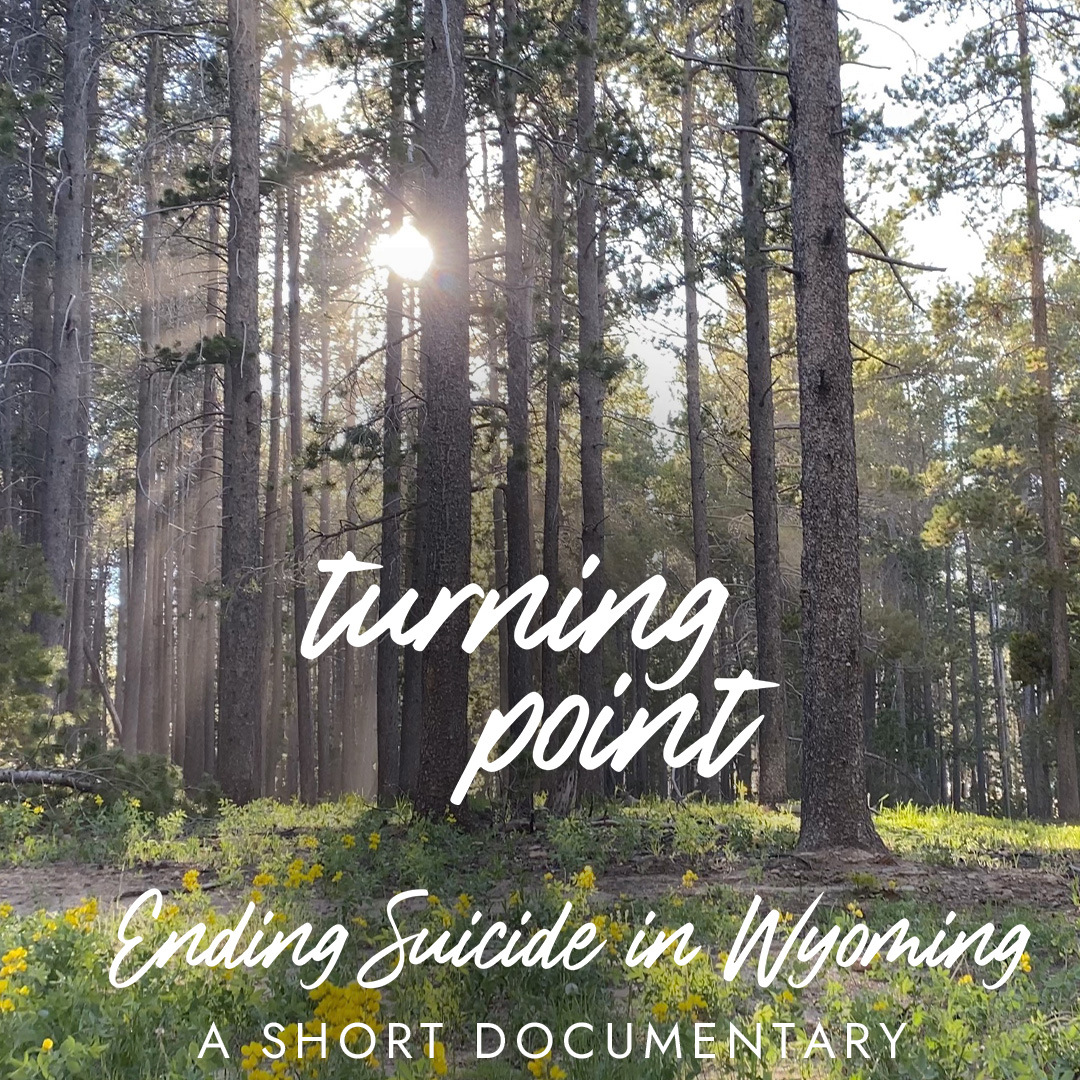
Turning Point: Ending Suicide in Wyoming
A Short Documentary
| |
Turning Point: Ending Suicide in Wyoming is a thirty-minute documentary created, directed, and edited by Casper native Brooke Schmill. Filmed in 2022, Turning Point is a collection of perspectives and stories that discuss the persistently high suicide rate that touches every corner of Wyoming. | |
Like many young people in WY, Brooke lost her friend to suicide in 2005 when they were only 15. In 2011, Brooke made her first film about suicide prevention after losing a second classmate. In 2022, Brooke decided to make a follow-up film because Wyoming's suicide rates continue to increase. She hopes that everyone in Wyoming will watch this film and realize they can take action to end suicide by learning to have challenging, confident, and open conversations about suicide and mental health. | |
Project ECHO
Extension for Community Healthcare Outcomes
| |
|
The Wyoming Institue for Disabilities (WIND) collaborates with the University of Wyoming College of Health Sciences School of Nursing to provide a continuing education opportunity called ECHO in Integrative Care. ECHO stands for Extension for Community Healthcare Outcomes and is a modality for providing evidence-based continuing education while also building a community of practice. The program is designed for primary care providers and behavioral healthcare providers to increase their knowledge and skills regarding the integration of mental and behavioral healthcare into the primary care setting. We meet biweekly on Tuesdays from 12:00 pm - 1:15 pm via Zoom. Each session includes a didactic presentation along with a real-time case discussion where participants collaborate and problem-solve together. Each academic year, the program focuses on a specific topic area. For Fall 2024 - Spring 2025, the focus is suicide prevention and interventions. Each ECHO session is free and open to the public, and free certificates of attendance and nursing contact hours are provided.
To register for the Fall 2024 - Spring 2025 sessions, please visit the ECHO homepage below. There, you can watch previously recorded ECHO sessions as well as sessions recorded in both English and Spanish.
| |
|
Source: ECHO Model
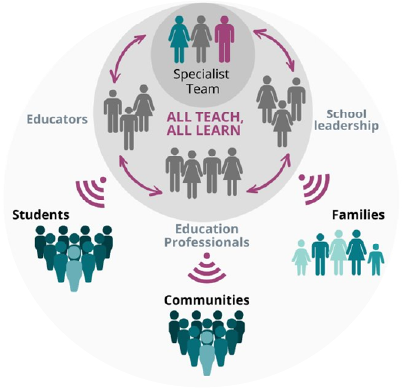
Project ECHO® is a lifelong learning and guided practice model that revolutionizes medical education and exponentially increases workforce capacity to provide best-practice specialty care and reduce health disparities. The heart of the ECHO model is its hub-and-spoke knowledge-sharing networks, led by expert teams who use multi-point videoconferencing to conduct virtual clinics with community providers.
| |
UW ECHO Networks Core Components:
The heart of the ECHO model is the hub-and-spoke knowledge-sharing networks, led by expert teams using multi-point videoconferencing to conduct virtual sessions with local education agencies. In this way, educators, special service providers, case managers, administrators, and others – who know their students, family, and community – have access to expert advice right in their home districts.
UW ECHO Networks provide ongoing support for educators and other professionals in a rural state where specialized knowledge is not always locally available. By connecting educators and experts, barriers to specialized knowledge are removed and outcomes improved.
| |
The goal of Project ECHO is to continue reaching Wyoming individuals to increase skills and knowledge to serve the mental and behavioral healthcare needs of the people in our state. Each session offers not only a chance to learn best practices but also a chance for individuals to receive consultation and feedback from professionals around the state regarding a specific problem of practice they might have during the case portion of the session. It’s a great chance for collaboration and learning among Wyomingites. | |
|
Unlike traditional fear-based approaches, PROSPER focuses on long-term strategies that incorporate community values and cultural elements. The program emphasizes prevention, intervention, and postvention, encouraging community engagement and cooperation to tackle suicide as a social issue.
PROSPER Wyoming has several great training opportunities for the upcoming year, including an online training session throughout February 2025. If you are interested in the upcoming PROSPER trainings, please visit the link below.
| |
PROSPER Podcast
One Minute Can Save A Life
| | |
|
The podcast highlights grassroots efforts and provides insights into effective suicide risk reduction. Listen to the podcast and learn new insights about suicide and how to reduce it. Come see how you can be part of the solution by engaging with your community and becoming an advocate for competence, confidence, and connectedness in suicide prevention. The podcast is a dedicated space to explore innovative and community-focused strategies to reducing suicide risk across Wyoming. | |
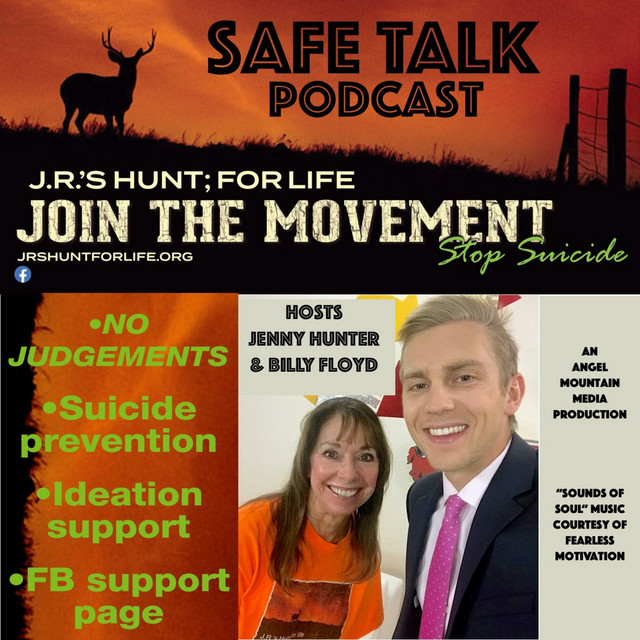
Safe Talk Podcast
In this impactful episode of Safe Talk, Jenny Hunter and Dr. Lesley Manson, Psy.D., discuss the vital role of postvention in suicide prevention. Dr. Manson, a PROSPER Master Trainer and licensed clinical psychologist with over 20 years of experience, shares insights on culturally informed, strengths-based strategies to foster healing, reduce risk, and unite communities. Together, Jenny and Dr. Manson delve into the vital role of postvention—supporting those affected by a loss to suicide—as a means of healing and prevention.
| |
| | |
|
Governor’s Mental Health Summit
Educational Series
The Educational Series will be taking a short break for the time-being. Please visit our website for any updates.
If you haven't already, please visit our website to watch previously recorded sessions.
| |
|
Collective Call to Action
We know we cannot address our mental health crisis in Wyoming in a vacuum. None of us can do it alone. The educational webinar series and this recently formed newsletter are attempts to maintain engagement and continue the conversation around mental health in Wyoming. Please share the opportunity to subscribe with your networks. Thank you for your commitment to this work.
| | |
|
|
We want to
hear from you!
Email us with any
comments,
questions or
concerns.
| |
|
If you want to receive these newsletters click here | | | | |