Dystonia Medical Research Foundation Announces
2026 Grant and Fellowship Recipients | | |
The Dystonia Medical Research Foundation (DMRF), a leading non-profit organization dedicated to funding research to find a cure for dystonia, is proud to announce its 2026 grant and fellowship recipients.
This year, the DMRF awarded six grants and fellowships for basic and clinical dystonia research projects. These grants and fellowships will support scientists investigating the underlying causes and mechanisms of dystonia and developing new treatment strategies.
“For 50 years, the Dystonia Medical Research Foundation has been supporting the work of young investigators studying dystonia. This is part of our mission to advance research for more treatments and ultimately a cure,” said Mark Rudolph, President of the Board at the DMRF. “We were impressed by the quality of these researchers and clinicians, and we are eager to follow how their work will benefit the greater dystonia community in the future.”
| | |
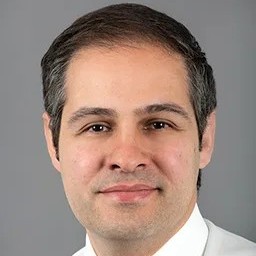
Darius Ebrahimi-Fakhari, MD, PhD & Katerina Bernardi, MD
Creating Clinical Trial Readiness for cAMP-Related Dystonias through Natural History Characterization and Therapeutic Discovery
Boston Children’s Hospital
Dr. Ebrahimi-Fakhari’s research will study cAMP-related dystonias and how rare and severe childhood movement disorders are caused by genetic changes that disrupt communication between brain cells. Affected children experience uncontrolled movements, painful muscle contractions, and severe dystonic episodes, yet there are currently no disease-modifying treatments and few therapeutic options. This project will follow 100 children over two years to better understand how these conditions progress and to identify meaningful measures needed for future clinical trials. In parallel, researchers will create patient-derived brain cell models to study disease mechanisms and screen thousands of existing FDA-approved drugs to identify potential treatment candidates.
| | |
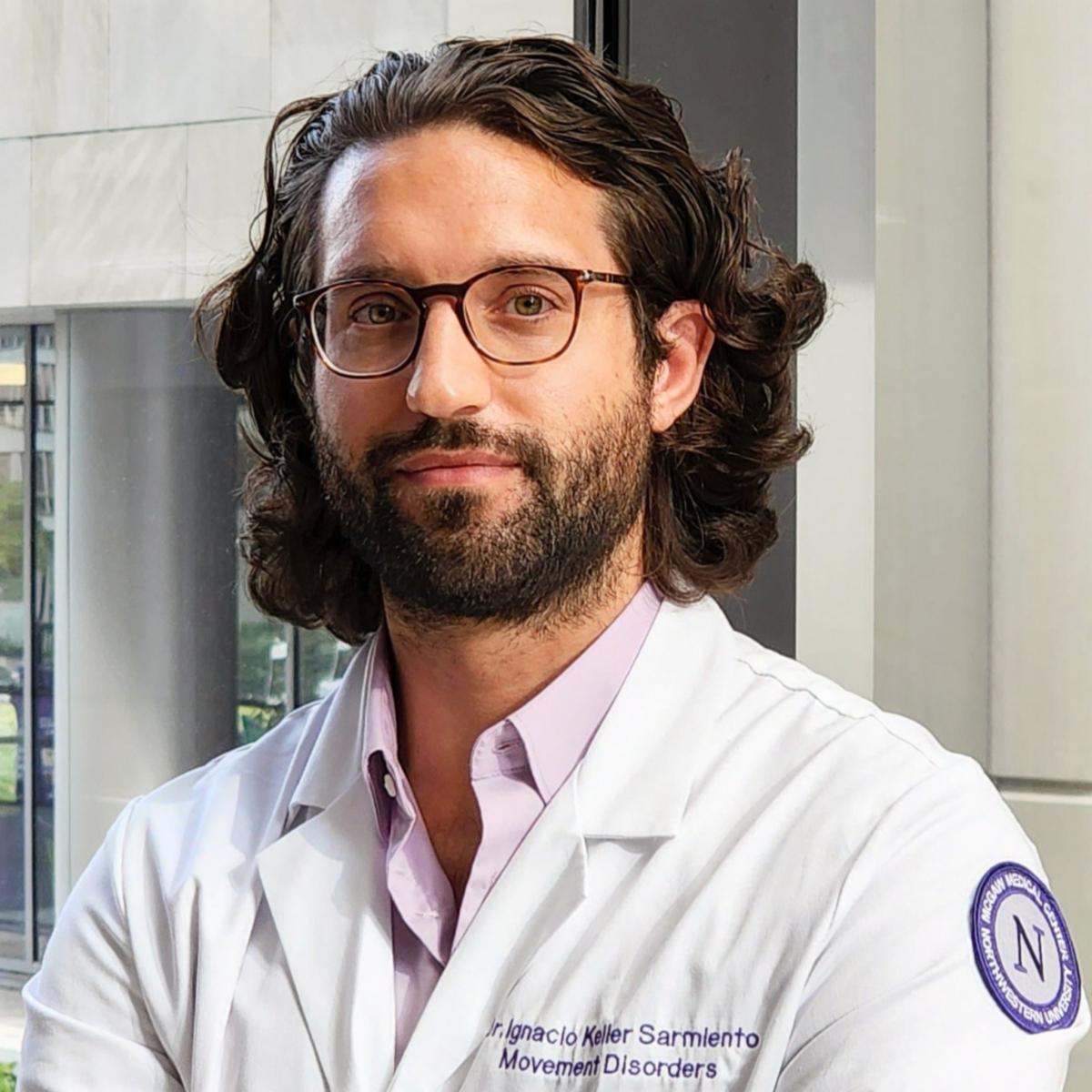
Ignacio Keller Sarmiento, MD
Integrative Transcriptomic and Machine Learning Framework for Novel Dystonia Gene Identification
Northwestern University
Dr. Sarmiento researches how dystonia is a rare movement disorder that causes involuntary muscle contractions and abnormal postures, yet about 80% of cases still lack a known genetic cause. This project will use advanced computational and machine learning approaches to analyze brain gene-expression data and identify new genes that may contribute to dystonia. Researchers will then examine large whole-genome datasets from children with dystonia to find rare, potentially harmful genetic variants in these candidate genes. The goal is to improve genetic diagnosis, better understand disease mechanisms, and support the development of targeted therapies for affected children.
| | Postdoctoral Research Fellows | | |
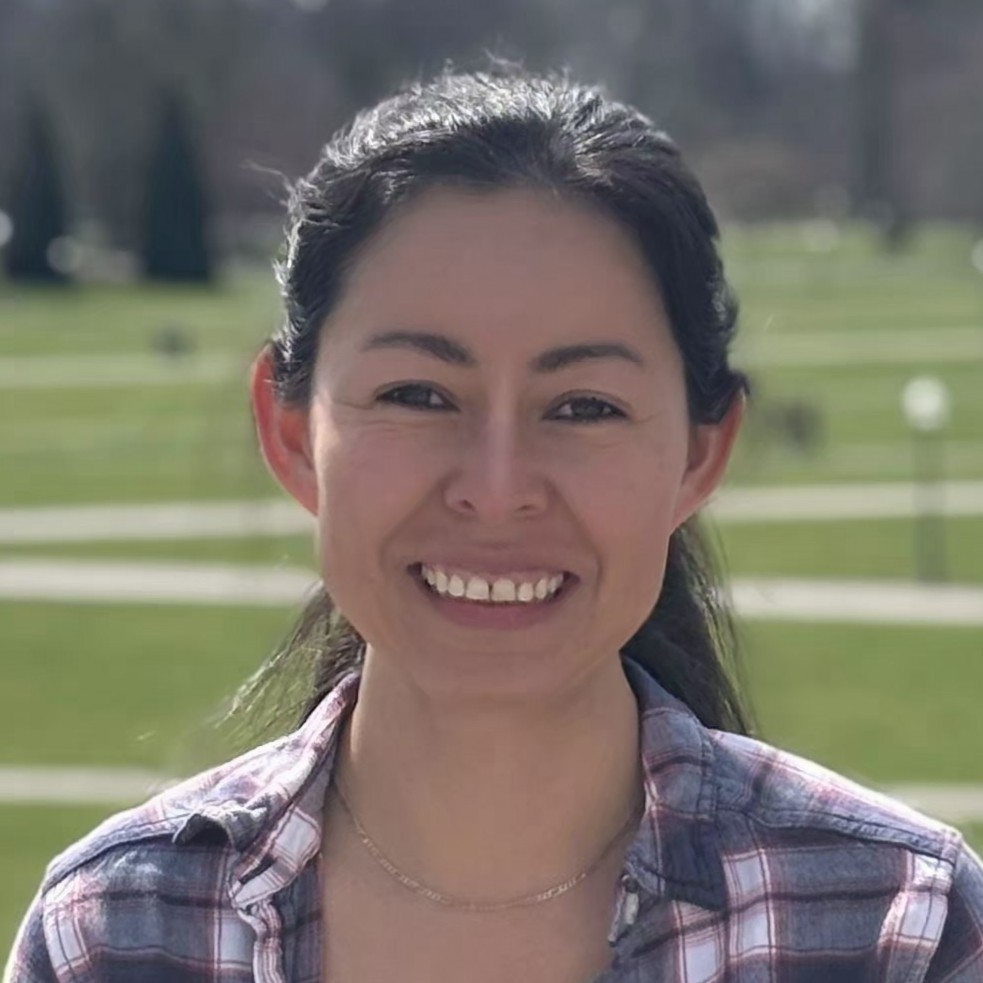
Viviana Hernández Castañón, PhD
Predictive Modeling of Dystonic Biomarkers Using Minimally Invasive EEG Recordings
Virginia Tech University
Dystonia is a common movement disorder characterized by involuntary muscle contractions and abnormal postures, but its causes and early detection remain poorly understood. This project studies early brain changes using a mouse model in which some animals develop dystonia while others with the same mutation remain symptom-free. Researchers will record brain activity using electroencephalography (EEG) and track movement over time to identify patterns that predict when dystonia symptoms will appear. The goal is to discover early brain markers that could help doctors detect dystonia sooner and guide more effective treatments.
| | |
Nguyen Minh Thu Pham, PhD
Autophagic Targeting of Nuclear Condensates to Restore Protein Homeostasis in Dystonia
Yale University
DYT1 dystonia is a childhood-onset movement disorder caused by mutations in the torsin protein, which disrupts how cells maintain healthy proteins. This research found that cells lacking torsin form harmful protein clusters, called condensates, that trap important quality-control factors and lead to cellular stress. Building on previous discoveries, this project will test how activating autophagy—the cell’s natural cleanup system—can remove these toxic condensates and restore normal protein balance. The work aims to identify new therapeutic targets and potential treatment strategies for dystonia.
| | |
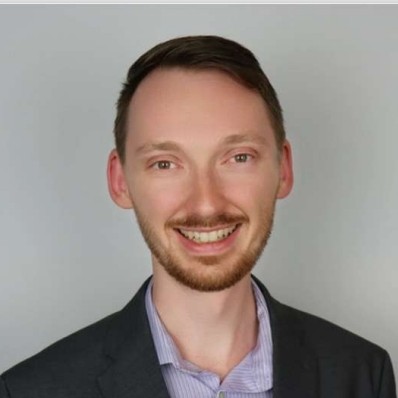
Dakota Peacock, MD
Mentor: Jennifer O’Malley, MD, PhD
Stanford University
Dr. Peacock will begin his fellowship at Stanford University in July 2026 and will spend the first year receiving clinical training while the second year will focus on clinical research.
| | |
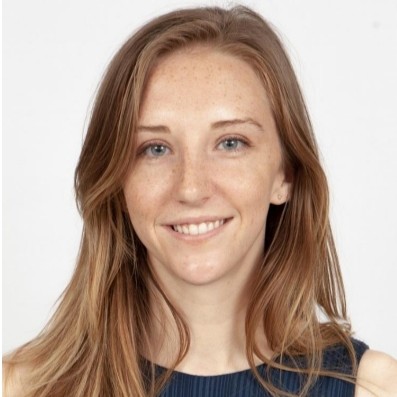
Alexandra Thele, MD
Mentor: Aasef Shaikh, MD, PhD
University Hospitals Cleveland Medical Center
Dr. Thele will begin her fellowship at University Hospitals Cleveland Medical Center in July 2026 and will spend the first year receiving clinical training while the second year will focus on clinical research.
| | 2025 DMRF Annual Report Now Available Online | | |
The 2025 DMRF Annual Report, Where Purpose Meets Progress is now available online. This year’s digital report highlights the meaningful strides we’ve made together—stories of impact, measurable outcomes, and the forward momentum made possible by the Foundation's supporters. Together we are making a difference in lives of those living with dystonia.
| | Share with CMS How New Rules Impact Dystonia Patients | | |
The Centers for Medicare and Medicaid Services (CMS) work with regional providers to serve as the primary operational contact between the Medicare fee for service program and physicians. These regional providers are called Medicare Administrative Contractors (MACs). MACs are multi-state, regional contractors responsible for administering both Medicare Part A and Medicare Part B claims. Five of the MACs proposed changes to how they will reimburse the use of botulinum toxin for treating a number of health issues, including dystonia. We are asking dystonia patients to fill out a brief survey by May 7 to help us demonstrate how the new rules are problematic for people living with dystonia.
| | Patients with Isolated Dystonia Needed for Clinical Study | | |
Vima Therapeutics is launching Stride Dystonia: A Phase 2 clinical study evaluating an investigational medicine for adults with Isolated Dystonia.
What is Stride Dystonia?
- This is a 16-week clinical study for adults ages 18-65 with isolated dystonia to assess the effectiveness of an investigational medicine called VIM0423.
- During the study, participants will be assigned to take either a daily oral dose of VIM0423 or a placebo pill for the duration of the study.
- Participants will attend approximately six in-clinic visits and have regular phone calls to check-in with the study team.
- Vima will provide travel support for participants to get to and from their study site.
Do I Qualify?
-
Go to StrideDystonia.com to take a short, self-paced pre-screening checklist to see if you may qualify.
- If the pre-screening checklist suggests you may be eligible, you will be connected to a Patient Navigator to continue eligibility discussions.
More Questions?
| | Scientific Community Invited to 7th Samuel Belzberg International Dystonia Symposium April 7-9, 2027, in Seville | | |
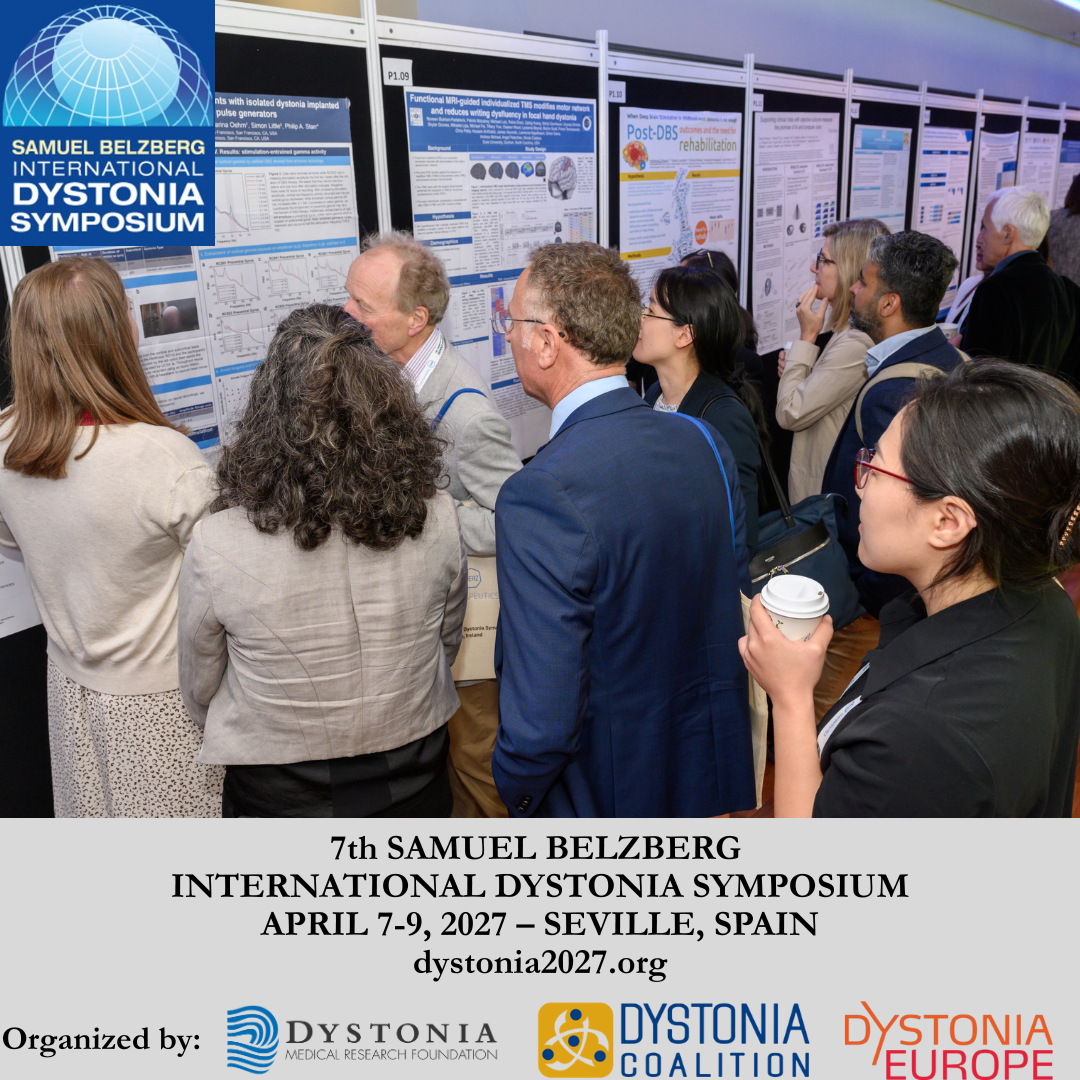
SAVE THE DATE: The 7th Samuel Belzberg International Dystonia Symposium will be held April 7-9, 2027, in Seville, Spain. Co-chaired by Buz Jinnah, MD, PhD, and Antonio Pisani, MD, PhD, the Symposium will be designed to provide a comprehensive overview of important scientific advances in the field and stimulate discussion within and across disciplines. The symposium organizers look forward to presenting and discussing current dystonia research, as well as identifying promising areas and gaps for the research community to explore.
Stay up to date on the latest news of the congress by signing up for emails or visit the event website.
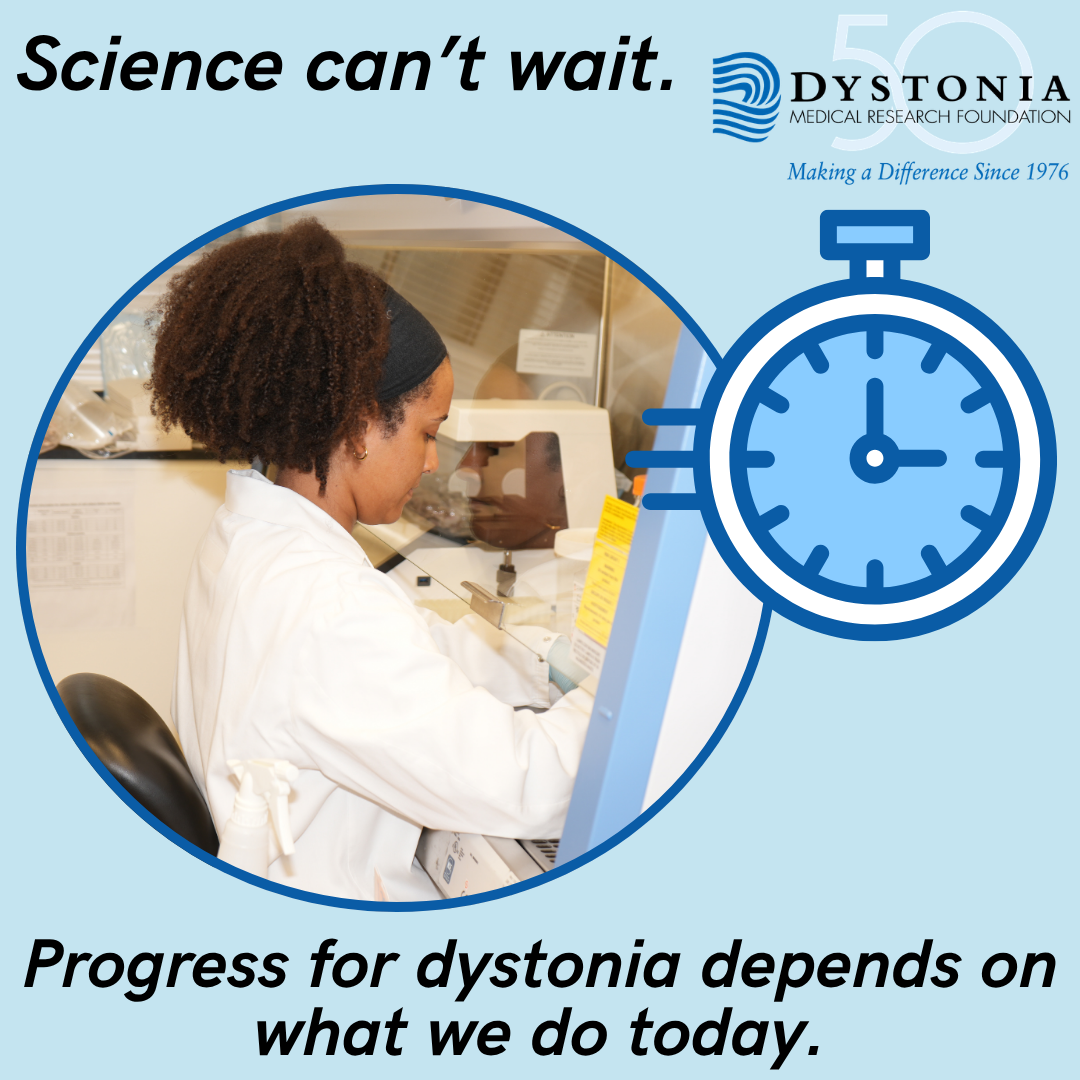
| | Science can't wait.
Progress for dystonia depends on what we do today. | | |
For 50 years, the DMRF has played a unique and essential role in pioneering research, providing seed funding that launches major scientific discoveries, and bringing together a global network of experts dedicated to improving the lives of everyone affected by dystonia.
When supporters like you invest in science, progress follows.
Please make your contribution to the DMRF and stand with the scientists, clinicians, and families who are committed to creating a future where dystonia can be better understood, better treated, and ultimately cured.
Together, we can make that future possible, but only if we act now.
| | Meet Jules van Dongen on the Road for “Pedals & Points” | |
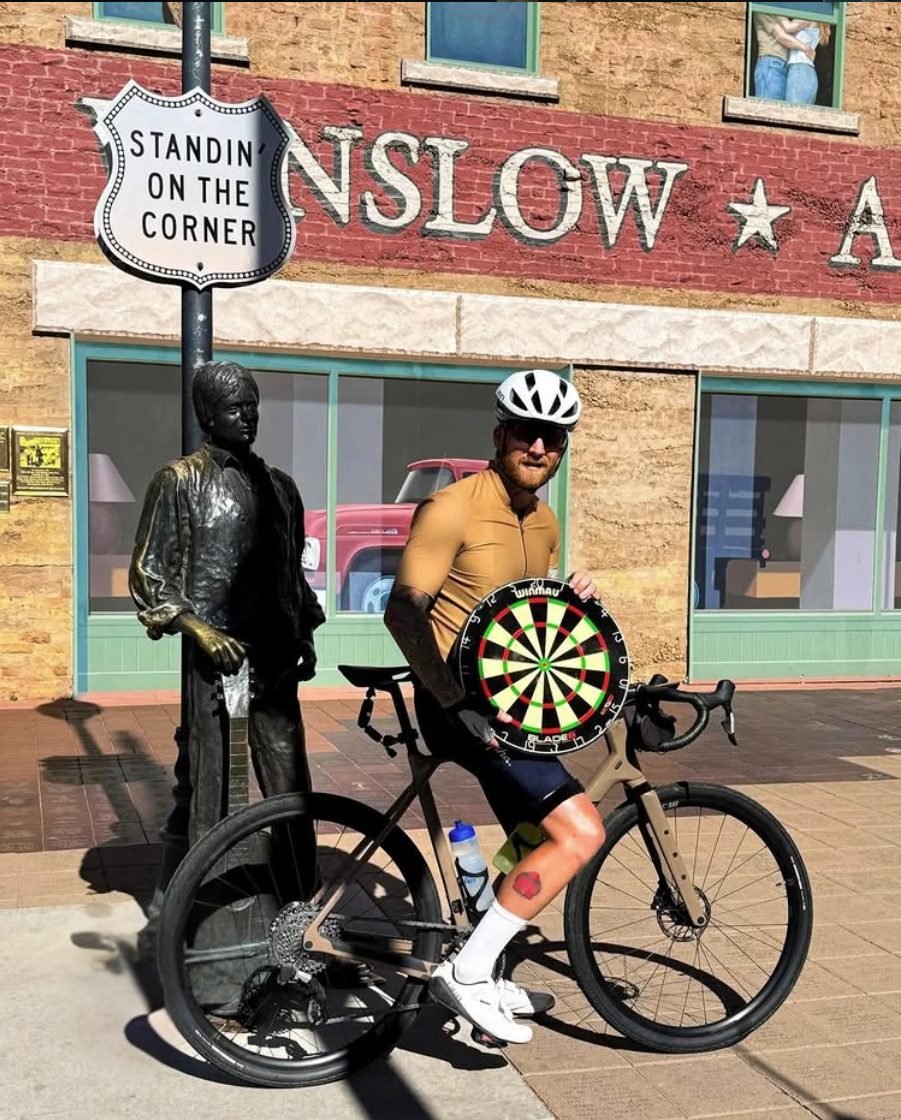
Jules van Dongen, a professional dart player with task-specific dystonia, is currently on the road raising dystonia awareness and vital funding for the DMRF. Help him reach his $40,000 goal!
Jules is about halfway through his 3,644-mile solo cycling journey—Pedals & Points 2026—with frequent pitstops for matches, conversations, fundraising, and filming for a documentary.
If there’s a scheduled stop near you, we hope you will come out, meet Jules, and connect with other members of the dystonia community. Here are the scheduled stops for this month:
- Joplin, MO - Sunday, May 3
-
Springfield, MO - Tuesday, May 5 - Meet up at The Foxhole (time tbd)
- Chester, IL - Tuesday, May 12
-
St Louis, MO - Tuesday, May 12 - Meet up at South 94 Bistro (time tbd)
- Carbondale, IL - Thursday, May 14
-
Elizabethtown, KY - Tuesday, May 19 - Meet up at Flaherty Bar (time tbd)
- Harrodsburg, KY - Monday, May 25
Jules is scheduled to finish Pedals & Points in Yorktown, VA on June 11. Stay tuned for more details on how he will wrap up his ride.
| | |
Pedals & Points is just one example of how anyone can use their unique talents to make a difference in the dystonia community. With our new Movers & Shakers DIY Events, you choose the date, the theme, and the activity. From neighborhood walks to art nights and backyard BBQs, every DIY event helps propel our mission forward. Explore our starter toolkit and create something that moves you.
| | DMRF History Moment: First Grant Recipients | | |
In 1977, one year after the founding of the Dystonia Medical Research Foundation, the first research grants from the Foundation were awarded to individuals who became distinguished researchers in their respective fields after receiving support from the DMRF. Here is a list of DMRF grants funded for the “Class of 1977” and a brief overview of their research legacies:
André Barbeau, MD, University of Montreal, "Feasibility Study of Dystonia Patients in Canada" Dr. Barbeau was a pioneering French-Canadian neurologist whose research legacy was defined by his transformative work on Parkinson’s disease and the therapeutic use of L-DOPA. He was a foundational figure in neurogenetics and the understanding of neurotransmitters.
David Barkley, PhD, University of California Los Angeles, "Dominantly Inherited Dystonia-Hypersensitivity In Vitro" Throughout his career, Dr. Barkley continued his research in cellular immunology, particularly regarding neurological conditions. He has published research collaborating on studies concerning cellular immune responses in neurodegenerative diseases, specifically focusing on Huntington's disease and Multiple Sclerosis.
John P. Blass, MD, PhD, Burke Rehabilitation Center, "Metabolism of Dystonia Musculorum Deformans Fibroblasts" Dr. Blass eventually became a leading figure in the metabolic study of neurodegenerative diseases, particularly Alzheimer’s disease, pioneering research showing that Alzheimer’s is a "whole-body" disease, not just a brain disease.
Xandra Breakefield, PhD, University of Connecticut, "Neurotransmitter Metabolism in Dystonia Musculorum Deformans: Studies with Cultured Skin Fibroblasts” Dr. Breakefield's research legacy spans over three decades of pioneering work in neurogenetics, gene therapy, and the study of intercellular communication via extracellular vesicles. In 1997, Dr. Breakefield's research team identified and cloned the gene responsible for early-onset torsion dystonia (DYT1/TOR1A).
Ivan Diamond, MD, PhD, University of California San Francisco, "Abnormal Regulation of Post-Synaptic Cholinergic Mechanisms in Dystonia" Dr. Diamond transitioned from his early work on phototherapy and neurology to become a leader in addiction research and neuroscience. He was the founding director of the Ernest Gallo Clinic and Research Center at UCSF.
Abel Lajtha, PhD, NY State Research Institute, "Alteration of Neural Membrane Transport Systems in Dystonia" Dr. Lajtha was a foundational figure in neurochemistry, with a 70-year legacy of research on brain protein metabolism and his role in establishing neurochemistry as a distinct scientific discipline.
| Honor Mothers with a 50th Anniversary Tribute | |
Mother's Day is on May 10. It is a day to celebrate the strength, love, and resilience of the women in the dystonia community—those living with dystonia, those caring for a loved one, and those advocating for research and awareness every day.
Make a 50th Anniversary Tribute in their honor and we’ll send a personalized card (mailed or emailed) on your behalf and list them on the Honor Roll at the Tribute website.
| Thank You for Supporting the DMRF Auction for Action | |
The Foundation is grateful to everyone who was a part of this year’s DMRF Auction for Action — together, we made an extraordinary impact.
Because of supporters like you, we raised nearly $30,000—directly fueling dystonia research, education, and support programs across the country. Your generosity helps move us closer to a future where everyone affected by dystonia has access to better treatments, greater understanding, and hope.
| Start Registering for 2026 Dystonia Zoo Days | | |
Get ready for these upcoming Dystonia Zoo Days and visit the event websites to learn more about T-shirt deadlines and sponsorship opportunities. You won't want to miss this family-friendly event to promote dystonia awareness if it is coming to a city near you!
| |
Dystonia - DMRF's Scientific Journal Available to You | |
Dystonia is the leading journal in dystonia research. As an “open access” journal, it is available to all scientists as well as laypersons who have been impacted by dystonia.
REVIEW: Vibro-tactile stimulation as a non-invasive neuromodulation method to treat motor symptoms in focal dystonia: a systematic review (published April 16, 2026)
ABSTRACT
Background: Superficial vibrotactile stimulation (VTS) is a non-invasive form of neuromodulation targeting tactile and proprioceptive mechanoreceptors known to influence reflexive and voluntary motor behavior and conscious proprioception.
Objectives: Systematically review empirical evidence on the behavioral, biomechanical and neurophysiological effects of VTS in focal dystonia and evaluate its suitability and potential as a clinical intervention in patients with focal dystonia.
Results: The review of empirical data indicated that VTS of dystonic regions is typically fast acting and can lead to symptoms reduction within minutes. Results show than VTS can 1) induce head righting and reduce pain in cervical dystonia, 2) improve voice quality and reduce speech effort in laryngeal dystonia, 3) normalize muscle activation in upper limb and cervical dystonia. Based on objective behavioral and biomechanical measures as well as subjective effect ratings by patients, between 57% and 85% of participants responded to VTS by reducing the frequency and magnitude of symptoms. Temporal post-treatment VTS effects varied widely, with short applications (4 s −15 min) decaying within minutes and longer applications (20–45 min) showing effects for hours or days. Major observable electrophysiological responses to VTS included 1) a reduction in EMG activity of vibrated muscle and its synergists, and increased activity of antagonistic muscles, 2) reduction of excessive neuronal synchronization over somatosensory-motor cortex, 3) and altered motor-evoked potentials of vibrated muscles, their synergists and antagonists.Conclusion: The reviewed empirical evidence indicates that VTS can reduce unwanted muscle spasms in various forms of focal dystonia. At present, there is no knowledge of optimal daily or weekly dosage. Initial evidence indicates that at-home application of VTS over months is feasible, but there is only inconclusive evidence about the long-term effects of VTS on FD symptoms and what differentiates responders from non-responders to VTS. (READ FULL ARTICLE)
Citation: Konczak J, Özkul C, Rooney S and Amini S (2026) Vibro-tactile stimulation as a non-invasive neuromodulation method to treat motor symptoms in focal dystonia: a systematic review. Dystonia 5:15695. doi: 10.3389/dyst.2026.15695
| | | Upcoming DMRF Support Group Meetings | | |
DMRF support groups provide a safe space in which individuals can connect with others and share their experiences. All DMRF support groups operate in a private and confidential manner, whether groups meet in-person or virtually.
-
May 14, 2026 - North Carolina Dystonia Support Group, virtual
-
May 15, 2026 - NYC Dystonia Support Group, virtual
-
May 16, 2026 - Atlanta Dystonia Support Group, virtual
-
May 16, 2026 - Michigan Dystonia Support Group, virtual
-
May 16, 2026 - Houston Dystonia Support Group, virtual
-
May 16, 2026 - Los Angeles Dystonia Support Group, virtual
-
May 16, 2026 - Dystonia Support & Advocacy Group of San Diego County, virtual
-
May 19, 2026 - Central Oregon Dystonia Support Group, virtual
-
May 20, 2026 - Rochester NY Dystonia Support Group, virtual
-
May 21, 2026 - Southeast Pennsylvania Dystonia Support Group, in-person
-
May 28, 2026 - Greater Richmond Area Dystonia Support Group, in-person
To learn more about becoming a support leader, contact the DMRF at dystonia@dystonia-foundation.org.
Click here to access DMRF's meeting calendar.
| | |
Researchers are always in need of brain tissue from dystonia-affected individuals to analyze and study in order to learn more about this very complex disorder. Donating your brain to science is a selfless and invaluable gift. The DMRF partners with the Harvard Brain Tissue Resource Center (HBTRC) at McLean Hospital in Belmont, MA where a private dystonia collection has been established.
If you are interested in learning more about this important program, please visit our website, e-mail brainbank@dystonia-foundation.org or call 1-800-377-DYST. We also have an informative video on brain donation that you can view on the DMRF YouTube channel.
| | |
Follow the DMRF for the latest updates, inspiring stories,
and expert insights!
| | Give to DMRF with Confidence | | | | DMRF holds a four-star (the highest) rating from Charity Navigator and has earned a Platinum Seal from Candid, demonstrating the Foundation's ongoing transparency and effectiveness. DMRF has added our audited financials and most recent annual report to our website. This information can be found on the About Us/Financials section of our site. | | | | | |