WRITING CONTESTS | RECENT WINNERS | CALENDAR | SUBMISSION TRACKER


Welcome to Grants & Awards: The Writing Contest Newsletter, your weekly guide to everything you need to know about writing contests, including upcoming deadlines, advice and insights from judges and recent winners, a look inside notable contests, and more.


You’re receiving this newsletter as an exclusive premium for subscribers of Poets & Writers Magazine. We hope you enjoy our weekly dispatches from the world of writing contests. If you’d like to share comments or suggestions, please e-mail us at editor@pw.org.

UPCOMING CONTEST DEADLINES

End the year with a bang by submitting your poetry, fiction, nonfiction, and hybrid-genre work to the following twenty contests with deadlines of December 31. Take your time and read the submission guidelines carefully. Good luck!


Action, Spectacle

Prose & Poetry Chapbook Contest

A prize of $1,000, publication by Action, Spectacle, and 25 author copies will be given annually for a chapbook of poetry, prose, or hybrid-genre work. Entry fee: $25.


Alternating Current Press

Front Range Book Prize

A prize of $1,000, publication by Alternating Current Press, and 25 author copies will be given annually for a poetry collection, story collection, essay collection, novel, memoir, or book-length hybrid work on the theme of Colorado or by a writer born, raised, or residing in Colorado (or who has resided in Colorado for at least three years). The winner will also be given the opportunity to participate in a book tour in Colorado. All entries are considered for publication. Entry fee: $18.


American Library Association

W.Y. Boyd Literary Award

A prize of $5,000 is given annually for a novel published in the current year that is set in a period when the United States was at war. Entry fee: None.


Baton Rouge Area Foundation

Ernest J. Gaines Award for Literary Excellence

A prize of $15,000 is given annually to an emerging African American writer for a book of fiction published in the current year. The winner is also provided money for the cost of travel and lodging to attend an awards ceremony and participate in educational outreach events in Baton Rouge, Louisiana, in 2025. Anthony Grooms, Edward P. Jones, Opal J. Moore, Francine Prose, and Patricia Towers will judge. Entry fee: None.


Before Columbus Foundation

American Book Awards

Awards are given annually for books published in the United States during the current year to recognize “outstanding literary achievement from the entire spectrum of America’s diverse literary community.” Anyone may submit nominations for the awards. Entry fee: None. 


Black Caucus of the American Library Association

Literary Awards

Four prizes of $1,000 each are given annually for a poetry collection, a debut novel, a book of fiction, and a book of nonfiction (including creative nonfiction) by African American writers published in the United States in the current year. The awards honor books that depict the “cultural, historical, or sociopolitical aspects of the Black Diaspora.” Publishers may nominate books published in 2024. Entry fee: None.


Boulevard

Short Fiction Contest for Emerging Writers

A prize of $1,500 and publication in Boulevard is given annually for a short story by a writer who has not published a nationally distributed book. The editors will judge. All entries are considered for publication. Entry fee: $18 (includes a subscription to Boulevard).


Burnside Review Press

Book Contest

A prize of $1,000, publication by Burnside Review Press, and 10 author copies is given annually for a poetry collection. Ananda Lima will judge. Entry fee: $25 (includes one title from the press’s catalogue).


Lascaux Review

Lascaux Prize in Short Fiction

A prize of $1,000 and publication in Lascaux Review is given annually for a short story. Previously published and unpublished stories are eligible. The editors will judge. All entries are considered for publication. Entry fee: $15.


LitMag

Virginia Woolf Award for Short Fiction 

A prize of $2,500 and publication in LitMag is given annually for a short story. The winner will also have their work reviewed by agents Lisa Bankoff (Bankoff Collaborative), Jenny Bent (Bent Agency), Sonali Chanchani and Erin Harris (Folio Literary Management), Emily Forland (Brandt & Hochman), David Forrer (Inkwell Management), Mollie Glick (Creative Artists Agency), Nat Sobel (Sobel Weber Associates), and Monika Woods (Triangle House). The editors will judge. All entries are considered for publication. Entry fee: $20.


Michigan Quarterly Review

Laurence Goldstein Prize in Poetry

A prize of $1,000 and publication in Michigan Quarterly Review is given annually for a single poem. Cyrus Cassells will judge. All entries are considered for publication. Entry fee: $20.


Michigan Quarterly Review

Jesmyn Ward Prize in Fiction

A prize of $2,000 and publication in Michigan Quarterly Review is given annually for a short story. Ghassan Zeineddine will judge. All entries are considered for publication. Entry fee: $25.


The Moth

Poetry Prize

A prize of €6,000 (approximately $6,605) is given annually for a single poem. Three runners-up prizes of €1,000 (approximately $1,101) each are also given. The four shortlisted poets, including the winner, are also published in Irish Times and invited to read at an online awards ceremony in spring 2025. Fiona Benson will judge. Entry fee: €15 (approximately $17).


Ohio University

Press Hollis Summers Poetry Prize

A prize of $1,000 and publication by Ohio University Press is given annually for a poetry collection. Natalie Shapero will judge. Entry fee: $30.


Poetry Society of America

Four Quartets Prize

A prize of $20,000 is given annually for a unified and complete sequence of poems published in the United States in a print or online journal, a chapbook, or a book during the current year. Three finalists, including the winner, will receive $1,000 each. Entry fee: None.


Poetry Society of America

Robert H. Winner Memorial Award

A prize of $2,500 and publication on the Poetry Society of America website is given annually to a poet over 40 who has published no more than one poetry collection. Entry fee: $15 (none for PSA members).


Poetry Society of America

Alice Fay Di Castagnola Award

A prize of $1,000 and publication on the Poetry Society of America website is given annually for poetry from a manuscript-in-progress. Entry fee: $15 (none for PSA members).


Press 53

Award for Short Fiction

A prize of $1,000, publication by Press 53, and 53 author copies is given annually for a story collection. Claire V. Foxx will judge. Entry fee: $30.


Tampa Review

Danahy Fiction Prize

A prize of $1,000 and publication in Tampa Review is given annually for a short story. All entries are considered for publication. Entry fee: $20 (includes a subscription to Tampa Review).


Tupelo Press

Dorset Prize

A prize of $3,000, publication by Tupelo Press, and 25 author copies is given annually for a poetry collection. The winner also receives a two-week residency at Gentle House in Port Angeles, Washington. All entries are considered for publication. Entry fee: $30.


Two Sylvias Press

Wilder Series Poetry Book Prize

A prize of $1,000, publication by Two Sylvias Press, and 20 author copies will be given annually for a poetry collection by a writer over 50 who identifies as female (including nonbinary individuals who are assigned-female-at-birth [AFAB] or female-identified, transgender women, and genderqueer women). The editors will judge. All entries are considered for publication. Entry fee: $24.


Visit the contest websites for complete guidelines, and check out the Grants & Awards database and Submission Calendar for more contests in poetry, fiction, creative nonfiction, and translation.


ADVERTISEMENT


FREE CONTESTS

Illustration by Jordan Metcalf

Spend less time worrying about money for entry fees and more time writing and revising your manuscripts to submit to the following no-fee contests with December deadlines, organized by genre.


POETRY


Pushcart Press

Pushcart Prizes (December 1)


African Poetry Book Fund

Sillerman First Book Prize for African Poetry (December 1)


Griffin Trust for Excellence in Poetry

Griffin Poetry Prize (December 20 for publishers)


Griffin Trust for Excellence in Poetry

Canadian First Book Prize (December 20 for publishers)


Before Columbus Foundation

American Book Awards (December 31)


Poetry Society of America

Four Quartets Prize (December 31)


Black Caucus of the American Library Association

Literary Awards (December 31)


FICTION


Athenaeum of Philadelphia

Literary Award (December 1)


Pushcart Press

Pushcart Prizes (December 1)


Friends of American Writers

Literature Awards (December 14)


Virginia Commonwealth University

Cabell First Novelist Award (December 30)


Baton Rouge Area Foundation

Ernest J. Gaines Award for Literary Excellence (December 31)


Before Columbus Foundation

American Book Awards (December 31)


American Library Association

W.Y. Boyd Literary Award (December 31)


Black Caucus of the American Library Association

Literary Awards (December 31)


CREATIVE NONFICTION


Athenaeum of Philadelphia

Literary Award (December 1)


Pushcart Press

Pushcart Prizes (December 1)


Friends of American Writers

Literature Awards (December 14)


Before Columbus Foundation

American Book Awards (December 31)


Black Caucus of the American Library Association

Literary Awards (December 31)


TRANSLATION


Before Columbus Foundation

American Book Awards (December 31)


NEW CONTEST ALERT

Colorado authors, take note: Submissions are open through December 31 for the Front Range Book Prize. Sponsored by Alternating Current Press, the annual award will offer $1,000, publication, and 25 author copies for a book about Colorado or by a writer born, raised, residing, or previously residing in the state. The winning author will also participate in a Colorado book tour. Manuscripts of all genres, including poetry, fiction, nonfiction, and hybrid work are accepted, although writing for children is not eligible.


Using only the online submission system, submit a manuscript of any length with an $18 entry fee. All entries will be considered for publication. Note that books set in Colorado need not be set specifically in Colorado’s Front Range to be considered. Visit the website for complete guidelines.


Founded in 1993 in Michigan and now based in Boulder, Colorado, Alternating Current Press is “an indie press dedicated to publishing and promoting incredible literature that challenges readers and has an innate sense of self, timelessness, and atmosphere.” In addition to publishing books, the press releases chapbooks and several print and online journals. The Front Range Book Prize takes its name from the stretch of the Rocky Mountains that transects Colorado. The contest’s inaugural winner was Krista Hanley for How to Survive a Mass Shooting: A Columbine Memoir.

WINNERS ON WINNING

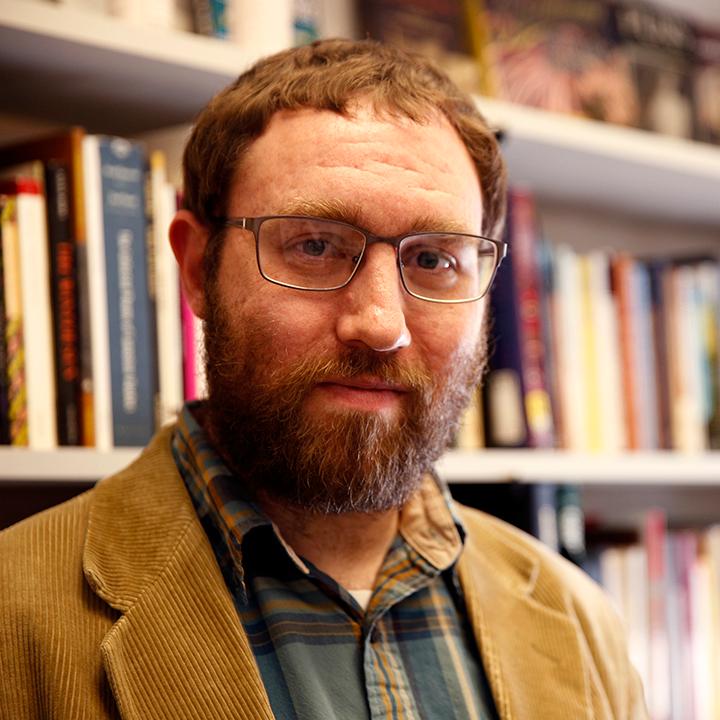
Ryan Clark, winner of the Prose & Poetry Chapbook Contest, sponsored by Action, Spectacle.

In this week’s installment of Winners on Winning, Ryan Clark shares his process for gauging whether a contest is “fit” for him, a process that involves researching the type of work the sponsoring press typically publishes—traditional or formally inventive—and considering word-of-mouth recommendations from people who are familiar with his writing.


Clark is the winner most recently of the 2024 Action, Spectacle Prose & Poetry Chapbook Contest, which offers a prize of $1,000, publication by Action, Spectacle, and 25 author copies for a chapbook of poetry, prose, or hybrid-genre work. His winning hybrid-genre chapbook, Suppose / a Presence, will be published by Action, Spectacle in January. A former associate professor of English and creative writing at Waldorf University in Forest City, Iowa, Clark is the author of two books written in a unique style of homophonic translation, Arizona SB 1070: An Act (Downstate Legacies, 2021) and How I Pitched the First Curve (Lit Fest Press, 2019). His poems have appeared in Diagram, Interim, Posit, and other venues.


What do you generally look for in a contest when deciding where to devote your energies?

It seems an obvious answer, but I consider the fit, first and foremost. There are so many contests out there, and so many qualified submissions, that it’s ultimately going to come down to the right person seeing my work. The better a handle I have on a press or journal, the more confident I feel about sending my poems or manuscript. Naturally, the price of the contest fee comes into play as well, particularly if I’m less certain of the fit.


How do you select the writing you’ll submit to a contest? 

While I have a number of poems I’d consider as fitting into my personal “highest quality” tier, I’d send the more formally inventive work to certain contests and the more traditional work to other contests. Likewise, for my two unpublished poetry manuscripts, I have lists of different presses for each (with some overlap) based on the types of work these presses have championed in the past.


What have you learned from submitting your writing to contests? Has anything changed about your approach to finding and entering a competition?

I was a bit spoiled early on, as the first time I sent a full-length poetry manuscript to a press it was named a finalist for their first book award. But then, after a few years of trying a lot of big-name presses, it was never published, and I abandoned the manuscript. Since then, I've learned to be more selective about my submissions, both through my own research and through word-of-mouth from people who know my poetry. Also, I tend to prioritize contests from presses if they have already published my work in a journal, as I already know that they value my work.


Do you have any advice for how to handle the ups and downs of writing contests, including the inevitable losses as well as the successes?

I teach creative writing, and I always tell my students that publishing is like fishing: If you sit in the boat with your line in the water, you're doing the work. Whether your writing is published or not, you’re doing the necessary labor. Beyond being thoughtful and intentional about where we submit our work, this labor is all we can control. As frustrating as it can be to accumulate form letter rejection after form letter rejection, this remains a signal of the attempt, a valuable reminder that you remain in the boat and refuse to return to shore. With enough time and dedication to honing your craft, there will be some successes, so long as you’re willing to stay on the boat.


How do you see contests like the Prose & Poetry Chapbook Contest fitting into the bigger picture of your writing career?

Personally, winning the Prose & Poetry Chapbook Contest was a pretty major moment of affirmation. While it is of course wonderful to have the opportunity to publish my forthcoming chapbook Suppose / a Presence with a press I admire, it’s that stamp of approval that really hit me. Here’s someone who doesn’t know me and thinks my work is worth devoting resources to promote. That’s the real magic of a contest for me, and it gives me a great deal of fuel to keep pushing myself through all the inevitable rejection.

STAY CONNECTED
Facebook  Twitter  Instagram