May 2026 | Issue #177 Click 'View Entire Message' to make sure you don't miss important information! | | | | |
Bring agriculture to life in your classroom with the Christina Sue Lilja Resource Grants! These grants provide educators with funding to purchase ag literacy resources from the Ag Foundation store, helping students gain a deeper understanding of where their food comes from and the importance of agriculture.
100 educators will each receive a $100 store credit to support their classrooms.
Applications are due July 17th!
| | | | |
MAITC's Agricultural Leadership and Statewide Agriculture Education Organization grants both have rolling deadlines of June 26th!
Agricultural Leadership: These grants are in support of leadership development activities for students already enrolled in agriculture courses at the Middle or High School level, in formal and informal education settings, providing these students with the skills to become future leaders in the agriculture and natural resources field. Grants are intended to support organized leadership programs rather than an individual student.
| | Statewide Agriculture Education Organization: Funding will be available to nonprofit 501(c)(3) organizations within the state of Maine or serving students or educators within the state of Maine. Funds may be used for events, materials and educational programs for students, educators and/or volunteers with a statewide impact. (This category is not designated for individual schools or school districts, or programs serving only a geographical portion of the state.) Matching contributions are mandatory and may consist of; use of facilities, volunteer time, in-kind contributions, community involvement, salaries, etc. | | | | The White-Reinhardt Grant Program funds projects that will increase agricultural literacy. County and state Farm Bureaus may apply for $1,000 grants for education programs for grades K-12 in order to initiate new ag literacy programs or expand existing programs. Organizations and individual schools can work with their local Farm Bureaus to apply. Grants are available on a competitive basis. Grant applications for the 2026-2027 school year close on June 12. | | |
| The Maine department of Agriculture, Conservation and Forestry's Community Greenhouse Grant is open for application! The purpose of this funding opportunity is to deliver the greatest measurable benefit by enhancing food production opportunities through investments in shared, educational-use, durable greenhouses. | | |
This RFA provides instructions on how schools, community centers, non-profit organizations, and other public entities may apply for one-time grant funding for durable greenhouse structures and associated siting and installation costs.
Eligibility to Apply: Schools, colleges, universities, non-profit organizations, community centers, municipalities, and public entities located in Maine are eligible to apply.
Funding Available: DACF anticipates awarding up to $500,000 through this grant opportunity.
Award Range: Award ranges will be between $10,000 and $100,000
Application Deadline: May 22, 2026, no later than 12:00 p.m., ET.
| | Maine Environmental Education Association Conference | | |
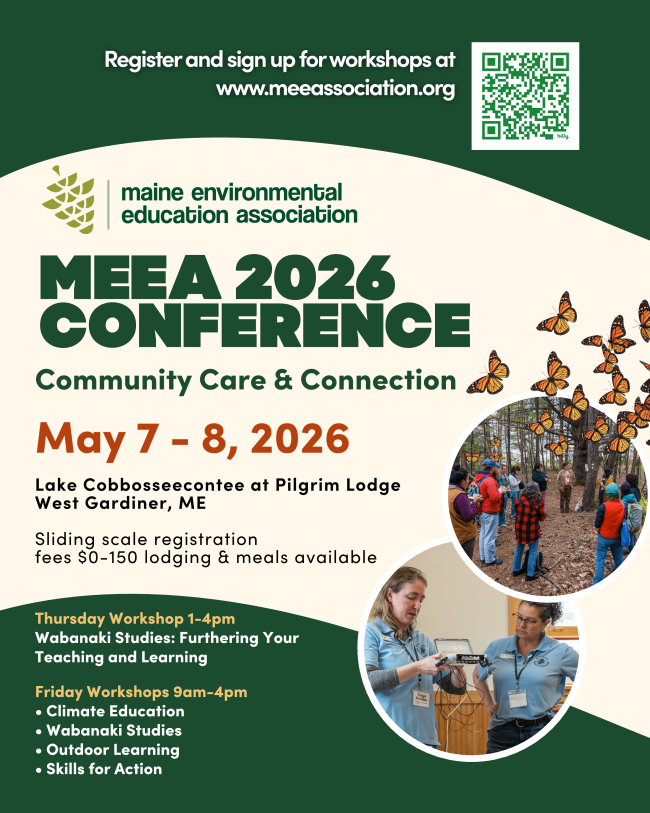
The Maine Environmental Education Association will continue to accept registrations for their annual conference through Monday, May 4th!
About the MEEA 2026 Conference:
Build community and skills with educators at the Maine Environmental Education Association Conference! This two-day event on May 7th and 8th at the Pilgrim Lodge in West Gardiner is for environmental educators of all kinds, students, and passionate community members. Topics include environmental education, outdoor learning, Wabanaki studies and skills for action. The conference offers workshops, networking, and a retreat atmosphere at Lake Cobbosseecontee. Lodging and meals are available. The registration fee is $0-150 sliding scale. Register and learn more here!
*Please register and sign up for workshop sessions by Monday May 4th. This event does not take walk-in registrations day-of the event.*
| | | |
Wabanaki Studies Workshop for Educators
On Thursday May 7, MEEA is offering a 3-hour collaborative work session intended for educators who are actively working on implementing Wabanaki studies into their teaching practices. Please bring any lessons, activities, or resources that you have been building to workshop in the company of Wabanaki advisors and other educators. This is a welcoming and open space where you will have the opportunity to receive invaluable feedback from Wabanaki knowledge sharers, collaborate with fellow educators, and leave feeling well supported in your furthered Wabanaki Studies learning journey! If you have not yet taken the Maine Dept. of Education microcourse “Wabanaki Studies - Essential Topics for Teaching & Learning” but would like to before May in order to attend this workshop, please contact brianne.lolar@maine.gov. Register and learn more here!
| | |
Grades K-2
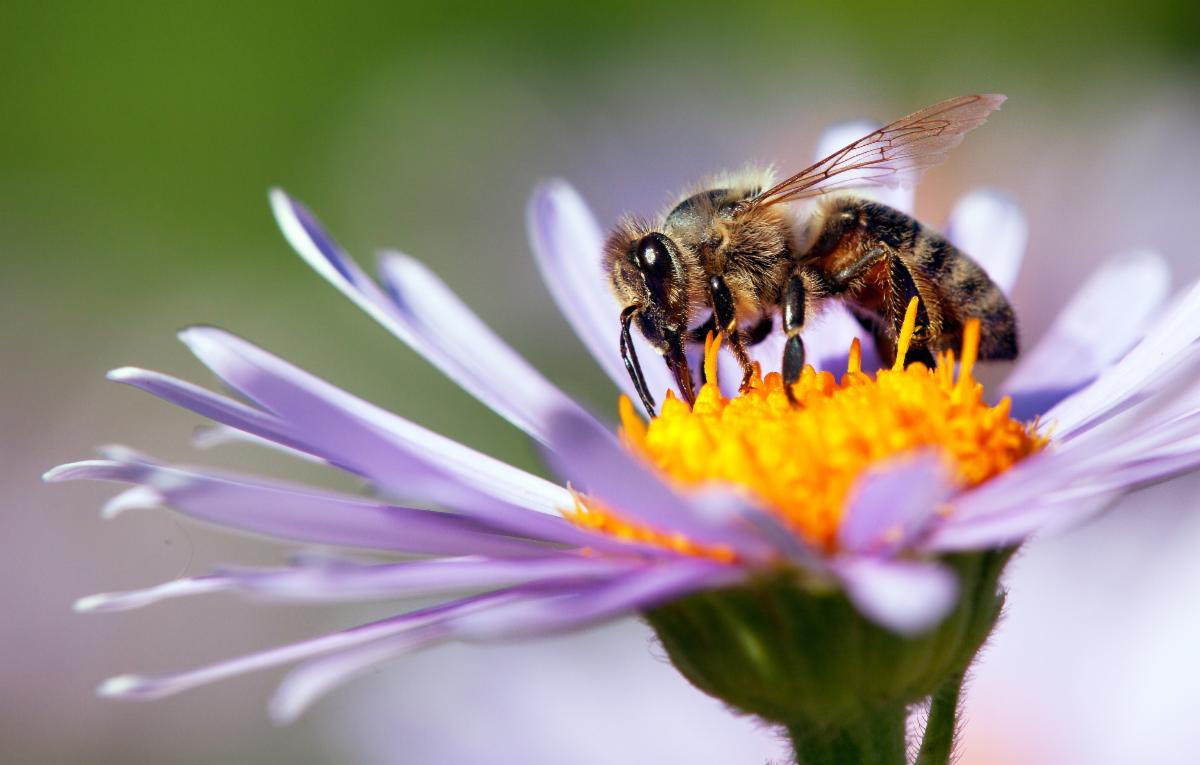
Fabulous Flowers
The students examine the functions of flowers and determine that some flowers are edible.
| | |
Grades 3-5
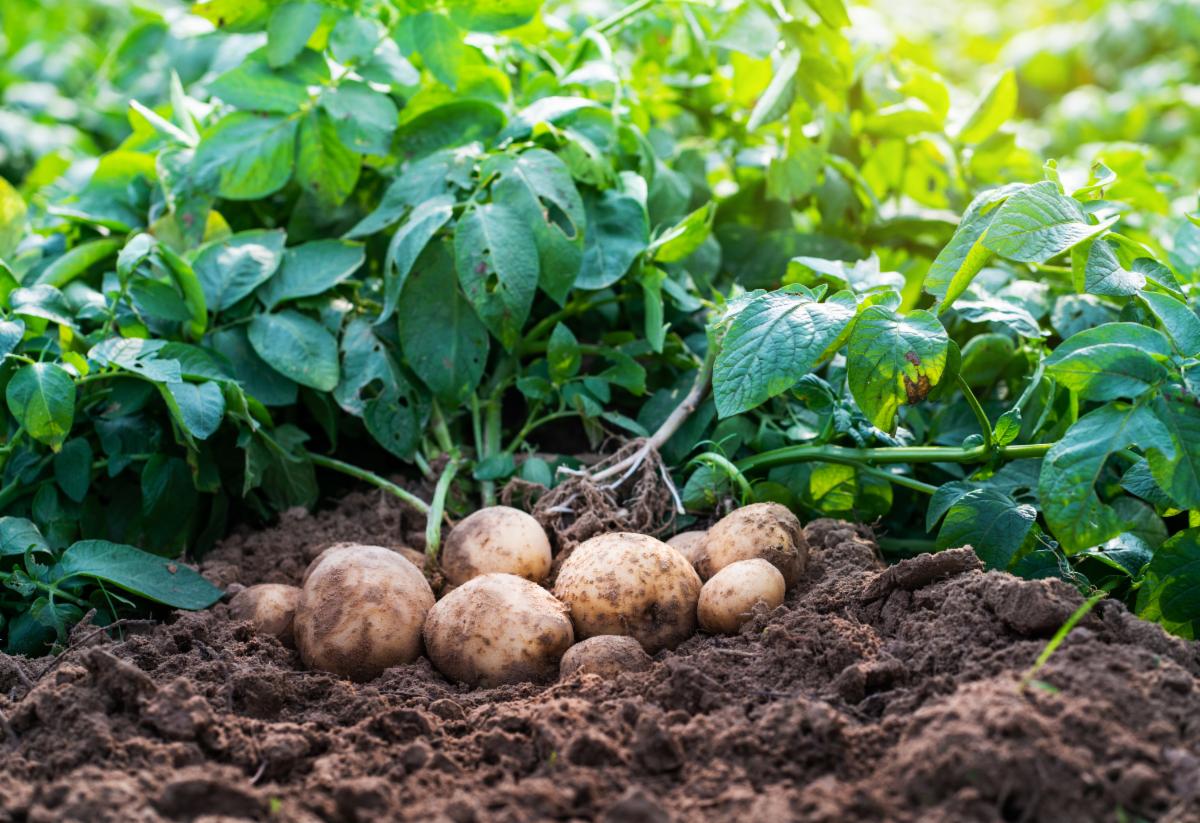
Powerful Potato
Students observe a potato grow with and without soil, chart potato geography on a world map, and hold a potato dress up contest.
| | |
Grades 9-12
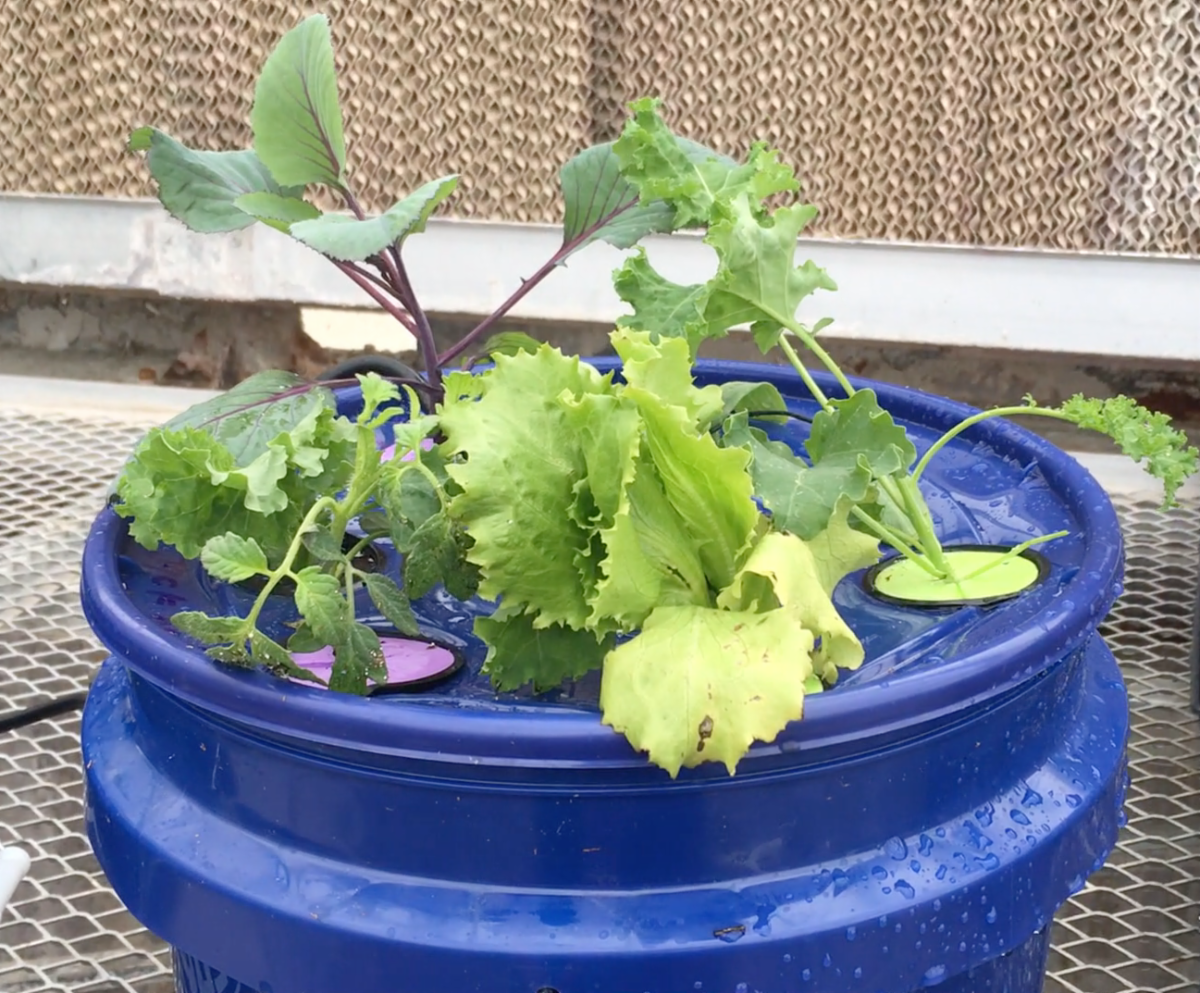
Aeroponic Engineering
and Vertical Farming
Students will use the Engineering Design Process to develop and construct an aeroponic garden to grow a food crop.
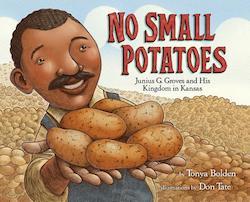
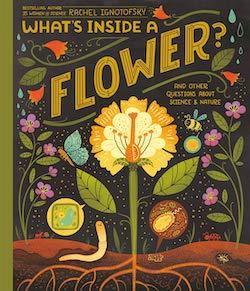
| | Looking for more? Explore the Agricultural Literacy Curriculum Matrix HERE | | Discover the incredible true story of how one of history's most successful potato farmers began life as a slave and worked until he was named the "Potato King of the World!" Junius G. Groves came from humble beginnings in the Bluegrass State. Born in Kentucky into slavery, freedom came when he was still a young man and he intended to make a name for himself. Along with thousands of other African Americans who migrated from the South, Junius walked west and stopped in Kansas. Working for a pittance on a small potato farm was no reason to feel sorry for himself, especially when he was made foreman. But Junius did dream of owning his own farm, so he did the next best thing. He rented the land and worked hard! As he built his empire, he also built a family, and he built them both on tons and tons and tons of potatoes. He never quit working hard, even as the naysayers doubted him, and soon he was declared Potato King of the World and had five hundred acres and a castle to call his own. | |  | Budding backyard scientists can start exploring their world with this stunning introduction to these flowery show-stoppers—from seeds to roots to blooms. Learning how flowers grow gives kids beautiful building blocks of science and inquiry. Rachel Ignotofsky's distinctive art style and engaging, informative text clearly answers any questions a child (or adult) could have about flowers. | | | |
Funding from this plate impacts up to 200,000 students annually with lessons, materials, volunteers and teacher training. Additionally, up to $60K is distributed annually in grants to schools, FFA, 4-H and other Non-profit programs for Ag education initiatives by the Maine Agriculture in the Classroom Council.
Learn more about the Ag plate here.
| | |
Our Mission Statement
"To promote the understanding of agriculture and natural resources among students, educators, and the general public"
| | | |
28 State House Station
Augusta, ME 04333
(207)287-5522
| |
| | | |