- Happy Holidays!
- Winter Trade Shows
- Hoffman Nursery Update - Growing Stock
- Cool is Just Around the Corner
- Gulf Muhly named New Texas Superstar Plant
- Winter Care for Ornamental Grasses
- Plant Spotlight: Palm Sedge
- Landscape Architecture is Essential to Improving our Nation's Infrastructure
- The Value of Rigorous Science for Green Infrastructure
- Fall Chores in the Pollinator Garden
- Leave the Leaves
- In Memory of Coach Dooley
| |
|
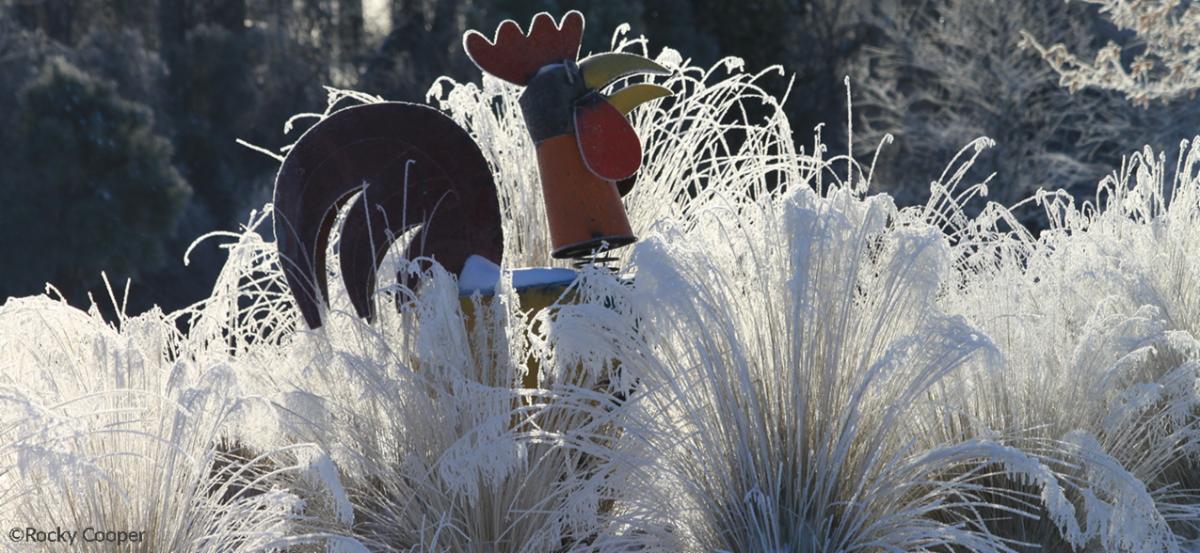
We wish you a joyful holiday and a year filled with great grasses!
Holiday Schedule
Hoffman Nursery will be closed December 19-30, 2022.
We will reopen on January 2, 2023.
Our first ship date is January 9, 2023.
| |
2023 Winter Trade Shows - See you there! | | |
|
|
MANTS
January 11-13, Baltimore, MD
Booths 412 & 414
| |
Visit our Events page for more information. | |
Hoffman Nursery Update - Growing Stock | |
|
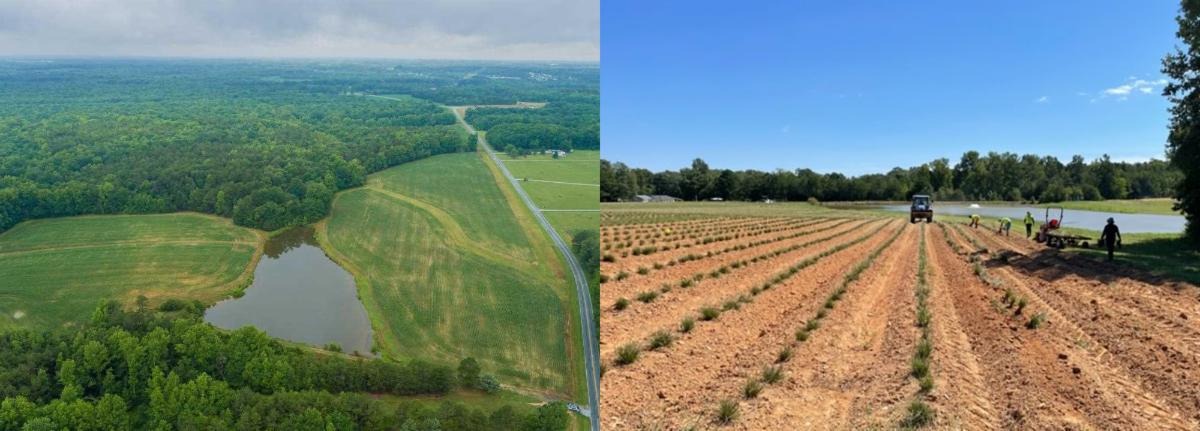
It is with great pleasure to introduce the Hoffman Nursery update series. The purpose of this series is to notify you of some changes and improvements being made here at the nursery that will benefit your business.
We have all faced challenges over recent years with labor constraints, supply chain issues, inflation, and keeping our employees safe. Hoffman Nursery has worked hard to meet these challenges while trying to keep the business going and growing.
Our first update is our new stock farm, the Victor Chandler Property. Read more about it in this blog post.
| |
Cool is Just Around the Corner | |
One of our favorite seasons is just around the corner, and we’re so excited! No, we’re not talking about the holidays (although we do love the holiday season). It’s time to start thinking about cool-season crops. Come December and January, fresh liners of cool-season favorites will be ready to ship. An added bonus? Some are available now!
| | | |
Gulf Muhly named New Texas Superstar Plant | Gulf muhly, Muhlenbergia capillaris, also known as hairy awn muhly or pink muhly, a native perennial ornamental grass, has been named the newest Texas Superstar plant. Gulf muhly is adapted to most areas of the state and is known for its incredible drought tolerance and pink color of its inflorescences. | | | |
Winter Care for Ornamental Grasses | Ornamental grasses grace nearly any type of landscape and often provide winter interest in the garden. Some grasses are evergreen, and retain some color even after trees and shrubs in the landscape drop their leaves. Most warm-season and cool-season grasses often look pretty in winter landscapes, even when dormant. | | |
|
|
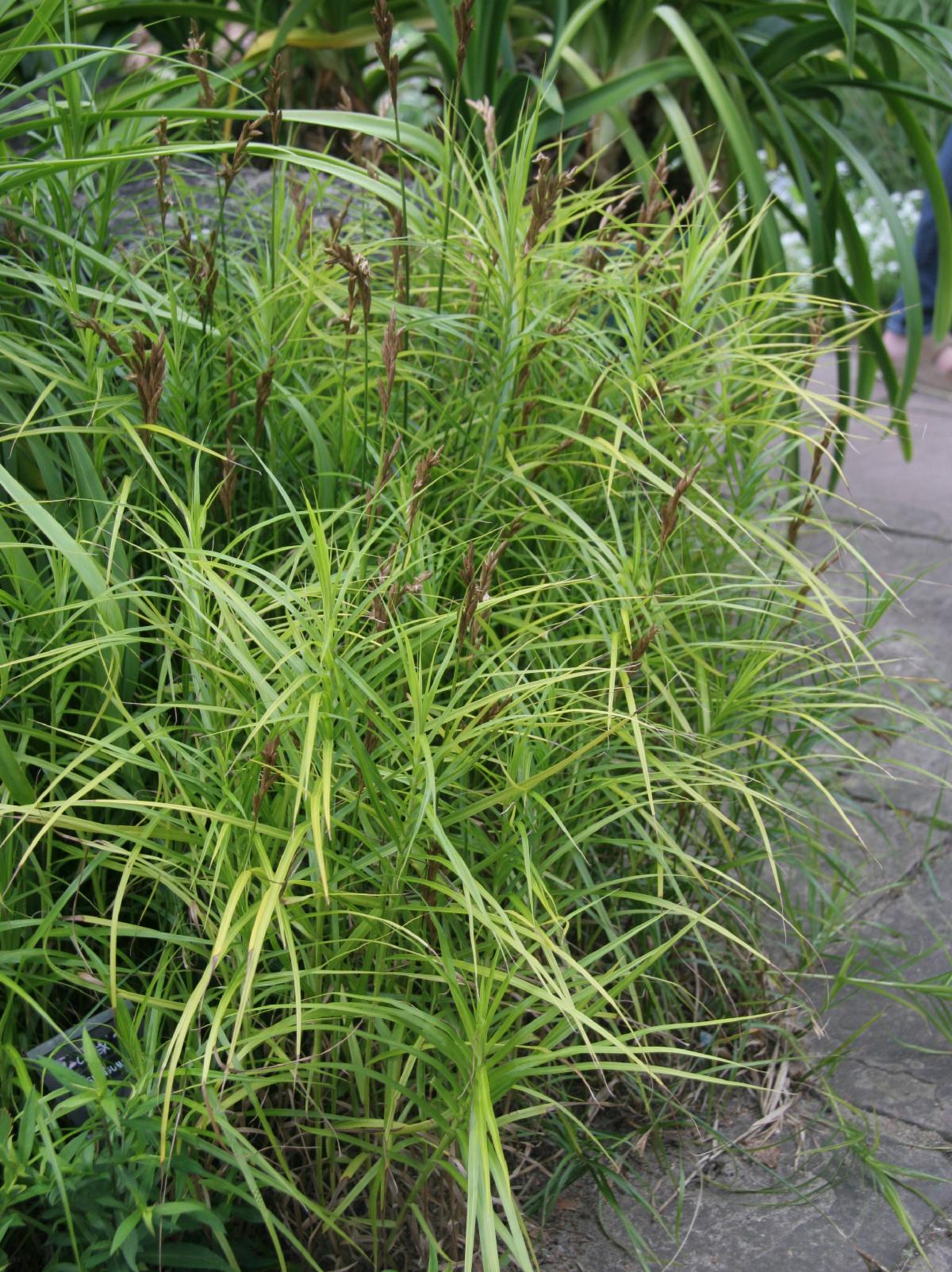
Carex muskingumensis
Carex muskingumensis (Palm Sedge) has brilliant green foliage that grows in a pinwheel, palm-like pattern. It prefers shade to part shade but can grow in sun if the soil is moist. Palm Sedge spreads slowly by rhizomes and reaches two feet. Plant in moist locations, near water gardens or ponds, in low-lying areas or in average garden soil that remains humid. It is particularly lovely in mixed planters, especially when combined with other moisture-loving plants such Juncus or Acorus.
See our Plant Profile
| | |
Landscape Architecture is Essential to Improving our Nation's Infrastructure | |
The upcoming need for infrastructural investment in the United States is an extraordinary opportunity for the community of landscape practitioners. There is powerful potential in the alignment of infrastructural needs with the design community’s tools to creatively address some of the most pernicious issues facing our society today, including an interrelated set of social, cultural, and environmental crises. The rapid decline in biodiversity, increase in climate extremes, and social disenfranchisement of minority communities, coupled with failing infrastructure, are urgent issues that should be front of mind in reimagining the critical networks of our world and our nation. The best solutions will be found within innovative collaborations across disciplines that align the engineered, ecological, cultural, and social.
In recent years, landscape architects have delivered compelling projects that punch above the typical response of engineered solutions by utilizing multidisciplinary design approaches with multivalent goals.
| | | |
The Value of Rigorous Science for Green Infrastructure | |
Our world is rapidly changing. Currently, about 56 percent of the world’s population lives in urban areas, and this number is expected to increase to 66 percent by 2050. At the same time, our climate is changing bringing with it increasingly extreme weather such as intense storms, hail, drought, and extreme heat.
These changes bring with them significant challenges, especially for urban areas. Many of the challenges result from a reduction in plant cover in favor of materials such as stone or asphalt. Most of us know the details around this, and it is generally a depressing read. However, this article intends not to spread doom and gloom but to celebrate the innovation that is our best chance in managing our urban climate. Just take a look at the Netherlands and the fantastic work on flooding protection and stormwater engineering that stems from this small country. Admittedly, the pressure on The Netherlands to perform well in this area is exceptionally high as 26 percent of its surface is below sea level, and failure would result in disaster. But out of this pressing need comes great innovation, and as our metropolitan areas are increasingly in need, innovation is already sprouting.
| | | |
Fall Chores in the Pollinator Garden: Leave the Leaves and Save the Stems! | After planting, weeding, and watering through the spring and summer, some gardeners look forward to fall as a period of rest as plants senesce at the end of the season. Other gardeners are eager to continue with chores through the end of the year. There are still plenty of things that can/need to be done in the fall, but the good news is there are also tasks you can delay until late winter or early spring (while also benefitting wildlife!). | | | |
|
It's the time of year to do your fall garden cleanup. Rather than the tedious task of raking and bagging leaves and taking them to the landfill, the best way to reduce greenhouse gases and benefit your garden is to leave the leaves!
Leaves create a natural mulch that helps to suppress weeds while fertilizing the soil as it breaks down. The leaves also serve as a habitat for wildlife including lizards, birds, turtles, frogs, and insects that overwinter in the fallen leaves. These living creatures help keep pests down and increase pollination in your garden, so having a habitat for them in the fallen leaves can help to keep them around when you need them the most.
| | | |
In Memory Of Coach Vince Dooley | |
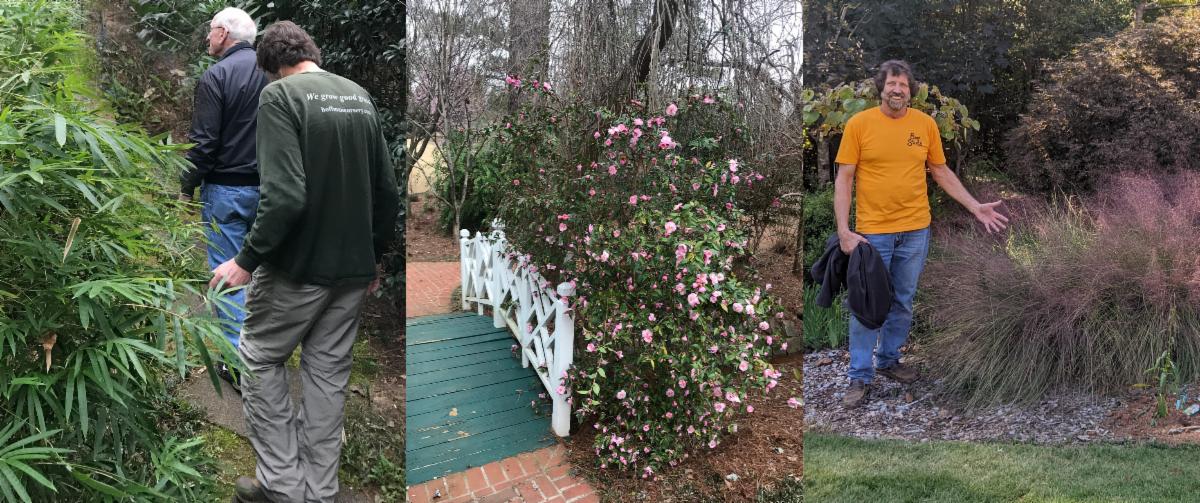
He was a coach, a mentor, and a friend. We have many fond memories of walking with him through his garden - his pride and joy. Thanks for 20 years of cherished memories. We will miss you, Coach! | |
|
Download Availability & Order Form
Prices for liners, number of liners currently in stock, and future availability are listed in PDF and Excel files. You may also use these as order forms. Need details on what the numbers mean? Learn more here.
| |
Join us for the best in grass-related content. | | | | | |