- Ornamental Grasses for the Golf Course
- Grasses, Sedges, and Pollinators
-
Plant Spotlight: Bowles' Golden Sedge
- How Green Wins over Grey: The Case for Landscape-led Architecture
- The Boon of Green Infrastructure
- Rain Gardens help keep Pollutants out of Waterways
- Ornamental Grasses that Thrive Even with Little Water
- New Landscaping Guide suggests 'Plant This Instead!'
- Lawns are a Time and Water Suck - Build a Meadow Instead
- The Deep Connection Between Forests and Pollinators
- NC-founded Program promotes Pollinator Protections
- What Makes a Garden a Work of Art? Piet Oudolf Explains
- 27 Garden Design Ideas that Will Get you Growing
- Grey to Green: Unveiling the Success of Regional Conferences
- What You Can Expect to See at Cultivate’23
- Upcoming Events
| |
|
Ornamental Grasses for the Golf Course
Hoffman Nursery Blog
| |
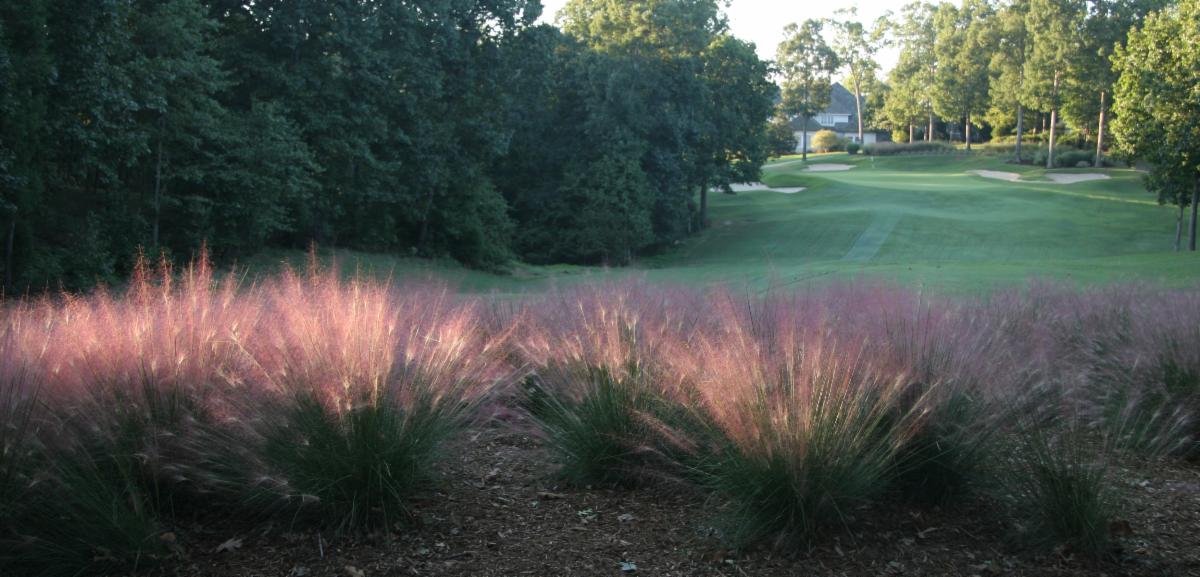
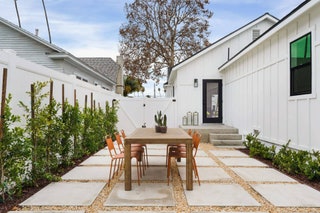
Sure, when you think of golf courses, you think of turfgrass. But the ornamental grasses we grow and supply to golf courses play an important role. They add ecological value.
Ornamental grasses are great performers for golf courses. They do not need a lot of input- they adapt to poor soils and do not require supplemental irrigation and fertilization once established. Their branching, fibrous root systems slow runoff, which helps reduce erosion, improves water quality, and increases infiltration. And beautiful? They’ve got that covered, too. The rough needs to look good, and with their seasonality, unique forms and textures, and design versatility, grasses bring outstanding beauty to the course.
Learn more and see which grasses we recommended for the golf course in our latest blog post.
| | | |
|
Grasses, Sedges, and Pollinators
Hoffman Nursery Blog
| |
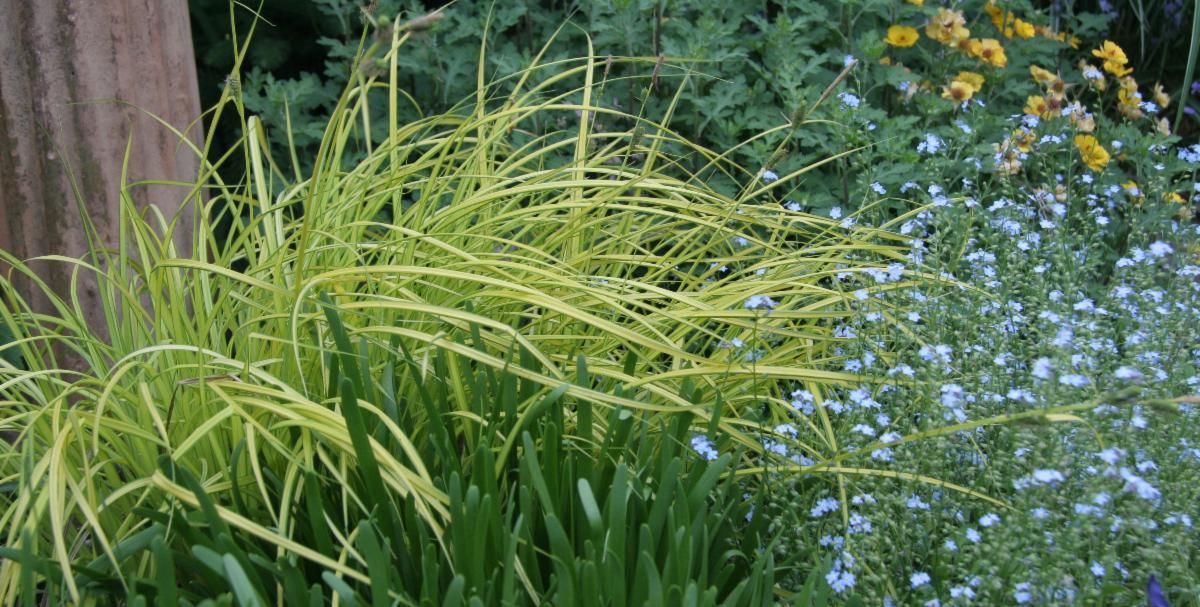
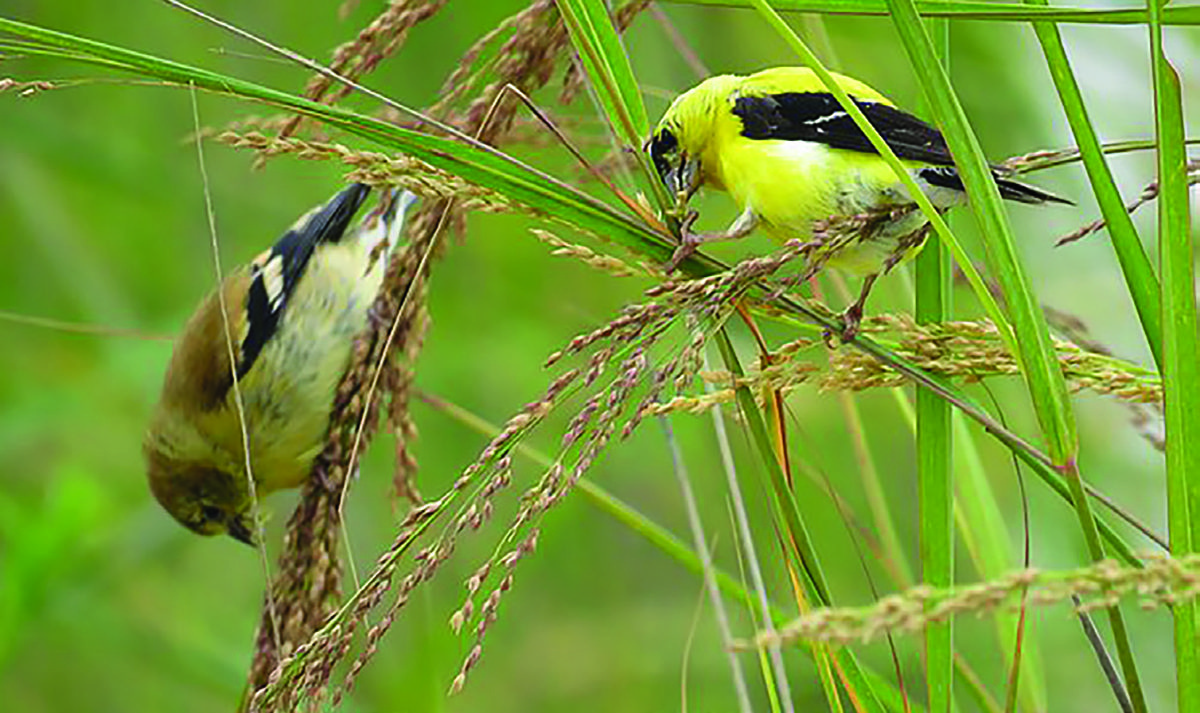
Did you know? Many grasses and sedges provide for and protect our pollinator friends. They supply nesting space and shelter away from predators and bad weather as well as provide a place to raise their young and forage for food. Grasses and sedges can also serve as the foundation for a designed plant community. Learn more in this blog post.
| | | | |
|
|
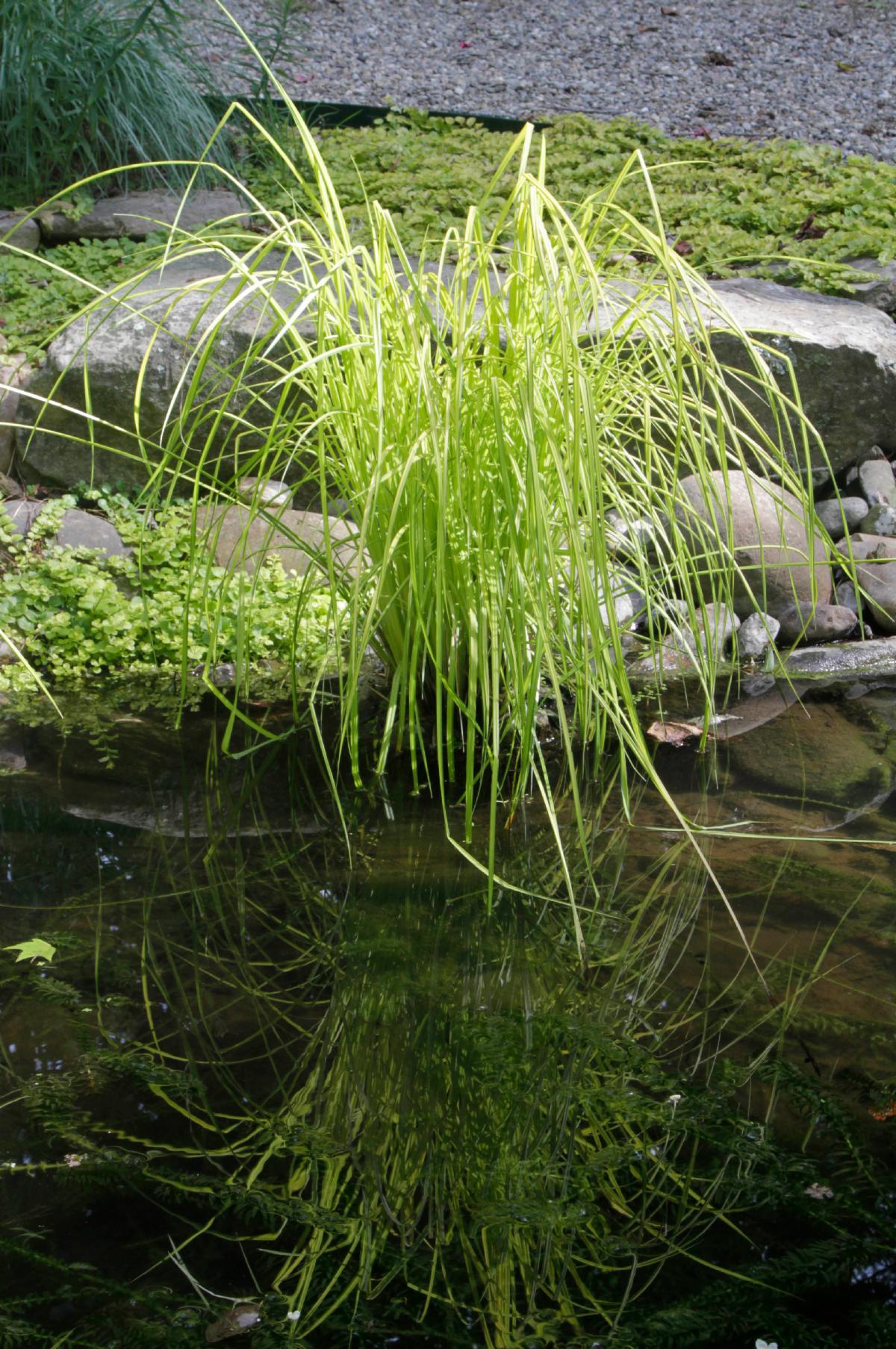
Carex elata 'Aurea' (Bowles' Golden Sedge) is a unique golden sedge discovered by famous plantsman, E.A. Bowles. He found Bowles' Golden Sedge in the Norfolk Broad, a wetland waterway in eastern England. It is very well-suited for moist or wet areas, as it thrives in up to three inches of water. This Carex can tolerate slightly drier soils if it is planted in the shade. However, its color is most spectacular when planted in full sun and moist to wet soil similar to its native habitat.
Great for:
- Containers
- Mass Plantings
- Border of ponds & water features
- Water Gardens
- Bog Plantings
- Shade Gardens
See our Plant Profile
| |
What can Green Infrastructure do for us? | |
|
How Green Wins over Grey: The Case for Landscape-led Architecture
World Economic Forum
| |
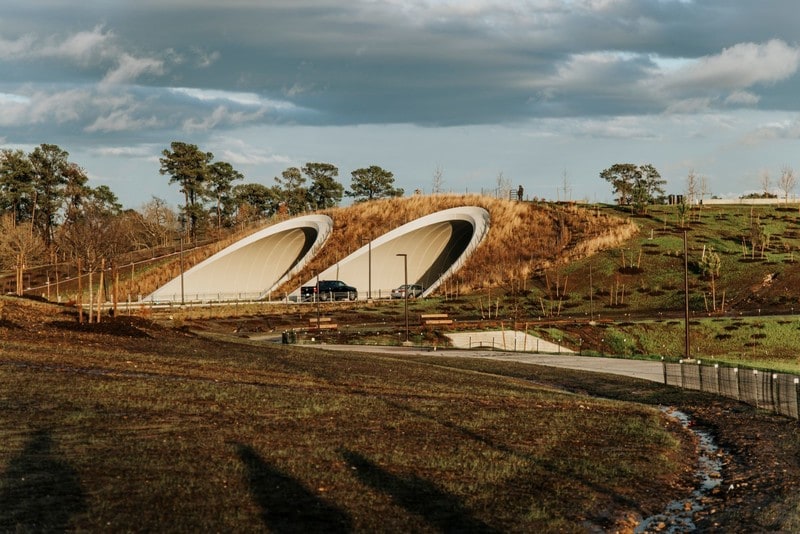
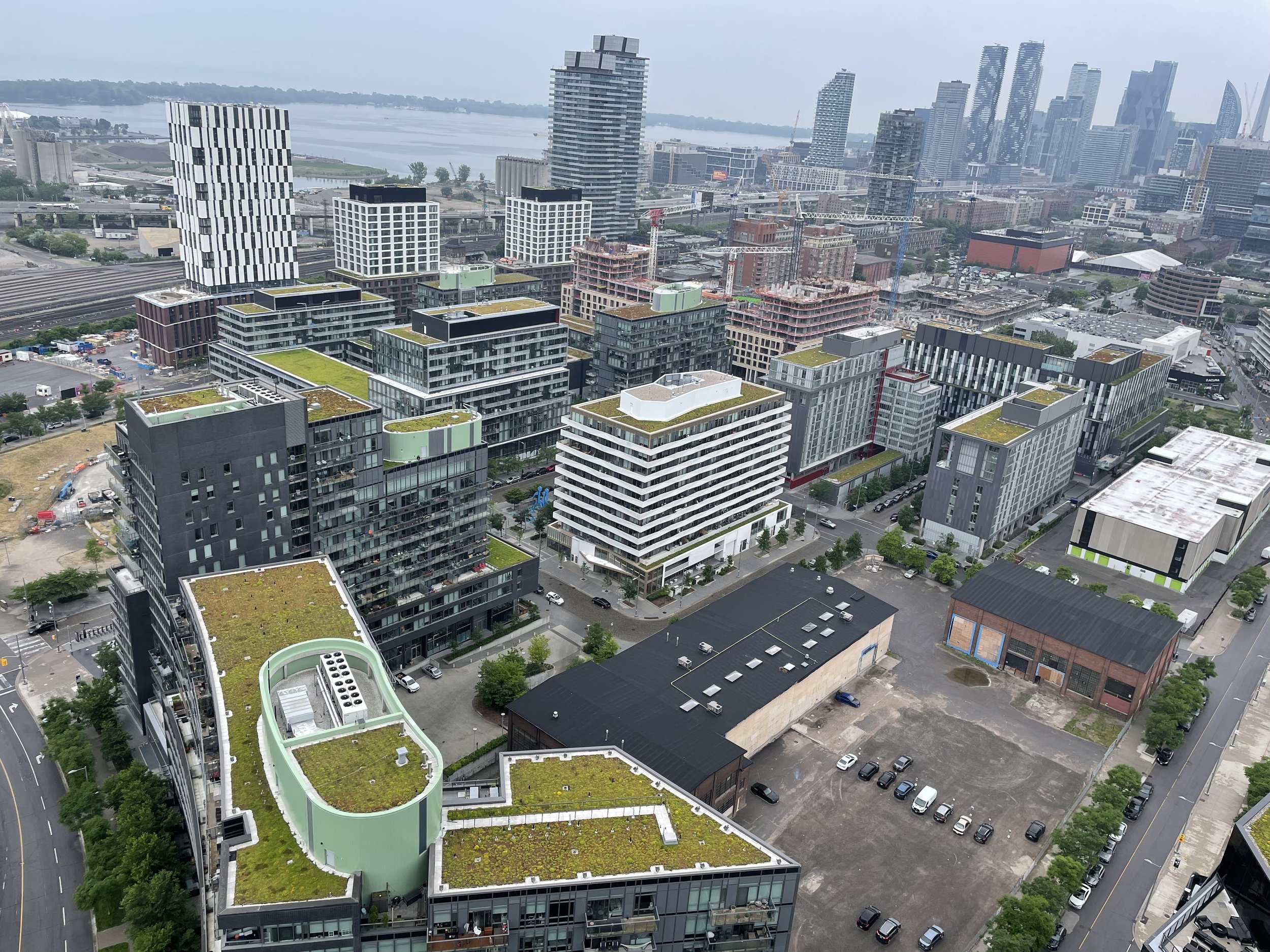
Grey infrastructure is a large-scale and expensive intervention, such as highways or sewers, whereas the green model uses natural resources to achieve multiple ends.
Recent green landscape-led architecture infrastructure projects not only reconnect communities, they can also improve biodiversity, air quality, and public health. While tearing down highways or capping them are often cited as optimal solutions, green infrastructure, such as a land bridge, is often far less expensive and disruptive.
| | |
|
The Boon of Green Infrastructure: Nature-based solutions benefit the environment, economy, and businesses
Fast Company
| |
If you asked an average person what “green infrastructure” entails, they might say something about buildings constructed from recycled materials, powered by solar panels, or with dedicated green space on the premises.
None of these responses are entirely wrong, according to Torey Carter-Conneen, CEO of the American Society of Landscape Architects, but they’re not exactly right, either. “The simplest way I would describe green infrastructure is that it works with nature to solve a problem,” Carter-Coneen says. “Contrast that with gray infrastructure, which basically refers to concrete, steel, and other hard construction materials.” Gray infrastructure is not designed to offer solutions to the problems of climate change, or to those caused by development in heat islands, natural flood plains, drought-prone areas, and other vulnerable ecosystems.
Read more about why green infrastructure is good for the planet and for businesses’ bottom line.
| | | |
|
Rain Gardens Help keep Pollutants out of Waterways
Oregon State University
| |
As water runs down roofs, over driveways and patios, and off other impervious surfaces, it might pick up pollutants as it flows directly into streams, wetlands, lakes, and groundwater aquifers.
Stormwater runoff from impervious surfaces has been routed directly to streams through stormwater pipes and ditches with little infiltration or treatment, according to Derek Godwin, Oregon State University Extension Service water management and conservation specialist. That’s because municipalities focused on getting the water off the property as quickly and efficiently as possible.
However, stormwater runoff has become the No. 1 source of residential pollution for waterways. It also increases potential flooding. Municipalities have responded, by installing rain gardens, a type of green infrastructure, in public and commercial spaces to slow down and treat the water before it enters streams, wetlands, lakes, and groundwater aquifers. They encourage homeowners to build them, too.
| | | |
Problem Solving with Plants | |
|
Ornamental Grasses that Thrive even with Little Water
House Digest
| |
Ornamental grasses add year-round interest to a landscape. In the spring, summer, and fall, their feathery foliage and color create the perfect backdrop for bold blooms. As the days turn cold and many plants in the landscape die back, ornamental grasses remain. Even when they turn brown for the winter season, they add texture to an otherwise forlorn-looking space.
One of the best things about ornamental grasses is even though they add so much to our landscaped areas, most require very little water to look their best.
Whether you are looking for something compact for a container or a centerpiece for your landscaping, this post explores some great options to consider.
| | | |
|
New Landscaping Guide suggests 'Plant This Instead!'
Coastal Review
| |
It's hard to know what plants are best for your garden, but a new guide from the Coastal Landscapes Initiative offers alternatives to potentially harmful and invasive ornamentals.
The Coastal Landscapes Initiative has identified landscaping plants to avoid because they are “bad actors.” They also hand-picked attractive eco-friendly plants to use instead. And compiled it all in Plant This Instead! — a guide to help our state’s coastal property owners, landscapers, and designers learn more about harmful landscaping plants, as well as North Carolina plants that make better alternatives.
| | | |
|
Lawns are a Time and Water Suck - Build a Meadow Instead
The Washington Post
| |
There’s something undeniably enticing about a meadow. Homeowners fantasizing about bidding lawn care adieu might see an expanse of flowering plants and grass plumes as an ecologically sound — and low-maintenance — alternative.
It seems simple enough: Dig up the yard, toss out some seeds, and you’re instantly rewarded with a dense tapestry of flowers that will make you the neighborhood hero, right? If you do it well, yes, a meadow can be all those things. But meadows are not easy to start, and they’re not entirely low maintenance, even once established. They are, however, easier to manage than a traditional garden, and proponents say the benefits of planting native plants that attract pollinators and provide refuge for local wildlife make them well worth the effort.
| | | |
|
The Deep Connection Between Forests and Pollinators
The Roanoke Star
| |
This article addresses why forests are incredibly important to pollinators and how forest pollinators can provide substantial economic benefits to neighboring agricultural areas.
“There’s a common misconception that bees don’t live in forests,” says USDA Forest Service researcher and lead author Michael Ulyshen. “Addressing that misconception is one of the main drivers for our new global review.”
| | | |
|
NC-founded Program promotes Pollinator Protections
Coastal Review
| What began as a grassroots effort in the North Carolina mountains a decade ago to save honeybees has become a nationwide initiative to protect pollinators. The program, Bee City USA, got its start in Asheville as an independent nonprofit in 2012. Founder Phyllis Stiles grew the program by welcoming affiliates across the country and adding Bee Campus USA for colleges and universities. In 2018, the nonprofit Xerces Society for Invertebrate Conservation absorbed the programs that provide a framework for communities and campuses “to come together to conserve native pollinators by providing them with healthy habitat that is rich in a variety of native plants, provides nest sites, and is protected from pesticides.” | | | |
|
What Makes a Garden a Work of Art? Piet Oudolf Explains.
The New York Times
| |
There is a transcendent quality to the gardens of the Dutch designer Piet Oudolf, which overtake us with the sense that we have arrived at a place where we would like — and very much need — to spend more time. Drawn into the complex textural mosaic of muted colors, we can exhale
Even when his landscapes sit against the backdrop of an urban setting, as many of his best-known works do — the High Line in New York City, for example, or the Lurie Garden at Millennium Park in Chicago — we feel ourselves enveloped in nature, our craving for it fed.
The noted designer has wisdom to share with other gardeners: "I put plants on a stage and let them perform."
| | |
|
27 Garden Design Ideas that Will Get you Growing
Architectural Digest
| |
Ah, summer…the season of fresh-baked strawberry rhubarb pies, farmer's markets, and falling down Pinterest rabbit holes in search of garden ideas. Are you a gardener à la Bunny Mellon—i.e. champion of native plants and a Francophile garden layout? Or do you prefer your exteriors like your interiors: crisp and clean, with nary a blade of grass out of place?
Whatever garden ideas you’re in search of, Architectural Digest has polled the pros for solutions and compiled 27 garden ideas to get you going.
| | | |
Event Articles and See Where We'll Be | |
|
Grey to Green: Unveiling the Success of Regional Conferences in Toronto and Boston
Living Architecture Monitor
| Discover the regional conferences as Grey to Green explores green infrastructure in Toronto and Boston, fostering knowledge and showcasing remarkable tours, plenary sessions, and networking opportunities. | | | |
|
What You Can Expect to See at Cultivate’23
Greenhouse Grower
| The team at AmericanHort highlights everything you need to know about Cultivate'23, from education to the trade show and much more. | | | | |
|
Cultivate is a must-attend event for the green industry. We are excited to take part and see our friends and colleagues in person. Join us at booth 3013 for a chance to catch up, share your stories, and hear what's happening with grasses. | | |
|
Set at the wonderfully situated Sheraton Fallsview in beautiful Niagara Falls, Canada, this wonderful symposium is carefully curated to deliver an unforgettable horticultural experience. Participants will have the opportunity to attend education, tours, socials, dinners, and a trade show. | | |
|
The GIC Water Symposium is back and we will be there! This event brings green industry experts and stakeholders together to discuss the latest trends, innovations, and challenges in water management. Join us July 26 at the McKimmon Center at North Carolina State University for this fantastic event. | | |
|
We are excited to take part in Nursery/Landscape EXPO in San Antonio, Texas this year. The event prides itself on showcasing industry trends and offering the breadth and depth of the green industry all under one roof. Don't forget to stop by and see us at the trade show in booth 1045! | |
|
Download Availability & Order Form
Prices for liners, number of liners currently in stock, and future availability are listed in PDF and Excel files. You may also use these as order forms. Need details on what the numbers mean? Learn more here.
| |
Join us for the best in grass-related content. | | | | | |