- Dig Deeper into Meadow & Prairie Plantings
- Dig Deeper into Rain Gardens
- Plant Spotlight: Purple Fountain Grass
- Sedges have Edges
- Native Garden Designs
- What is Meadowscaping & How to Get the Look in your Garden
- Nine Popular Options for Green Roofs
- Big City Solution: Installing Green Stormwater Infrastructure
- Let's Get Spongy!
- Use Nature as Infrastructure
- Five Reasons Why We Are Not Separate from Nature and Why it Matters
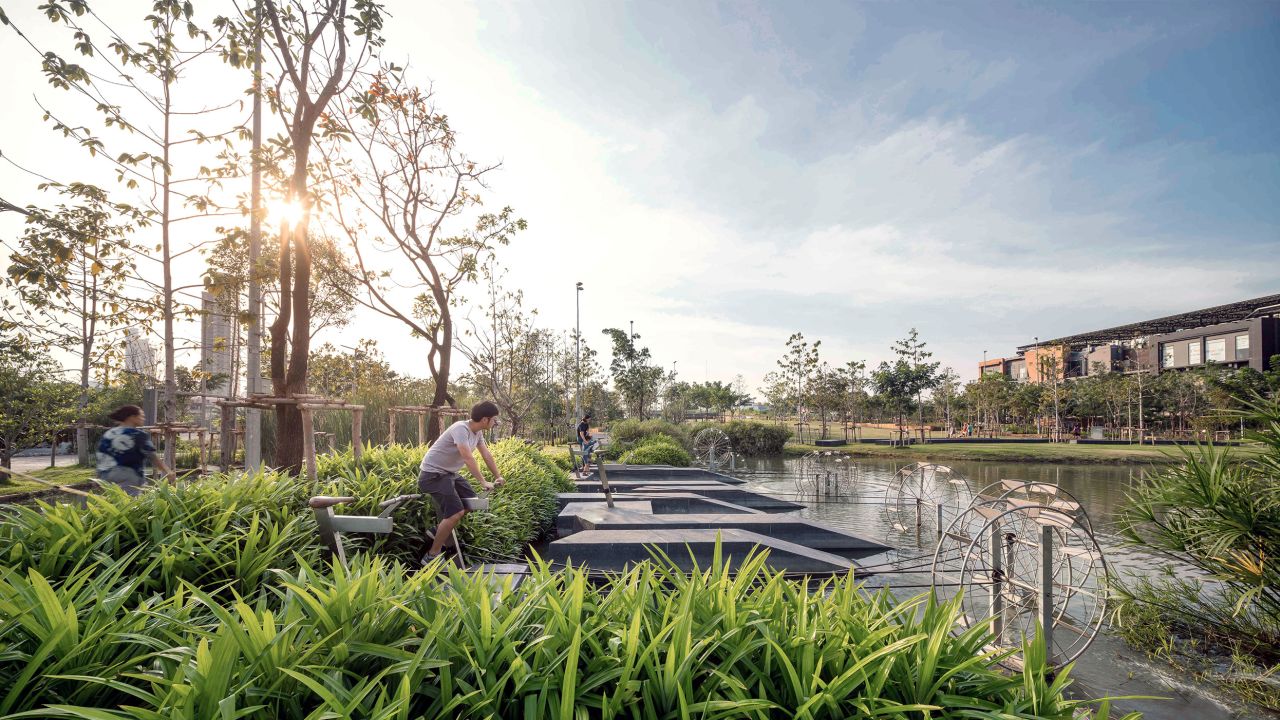
- As Flooding Increases, These Cities are Designed to Work with Water
- Upcoming Events
| | |
|
|
Dig Deeper into Meadow & Prairie Plantings
Hoffman Nursery
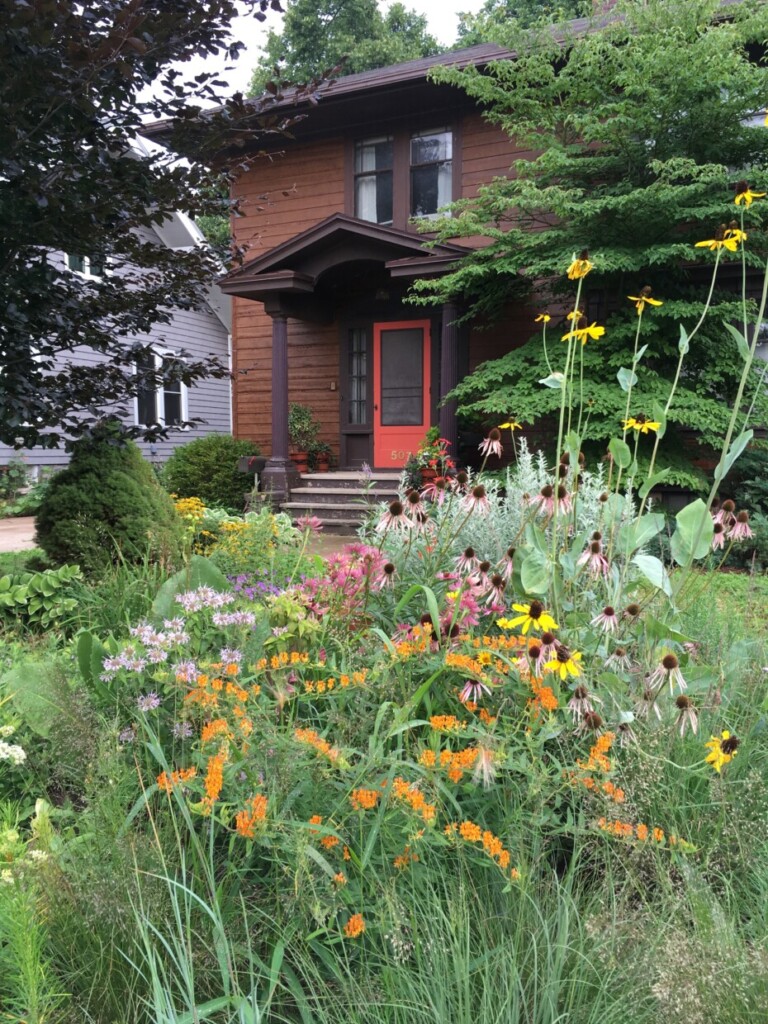
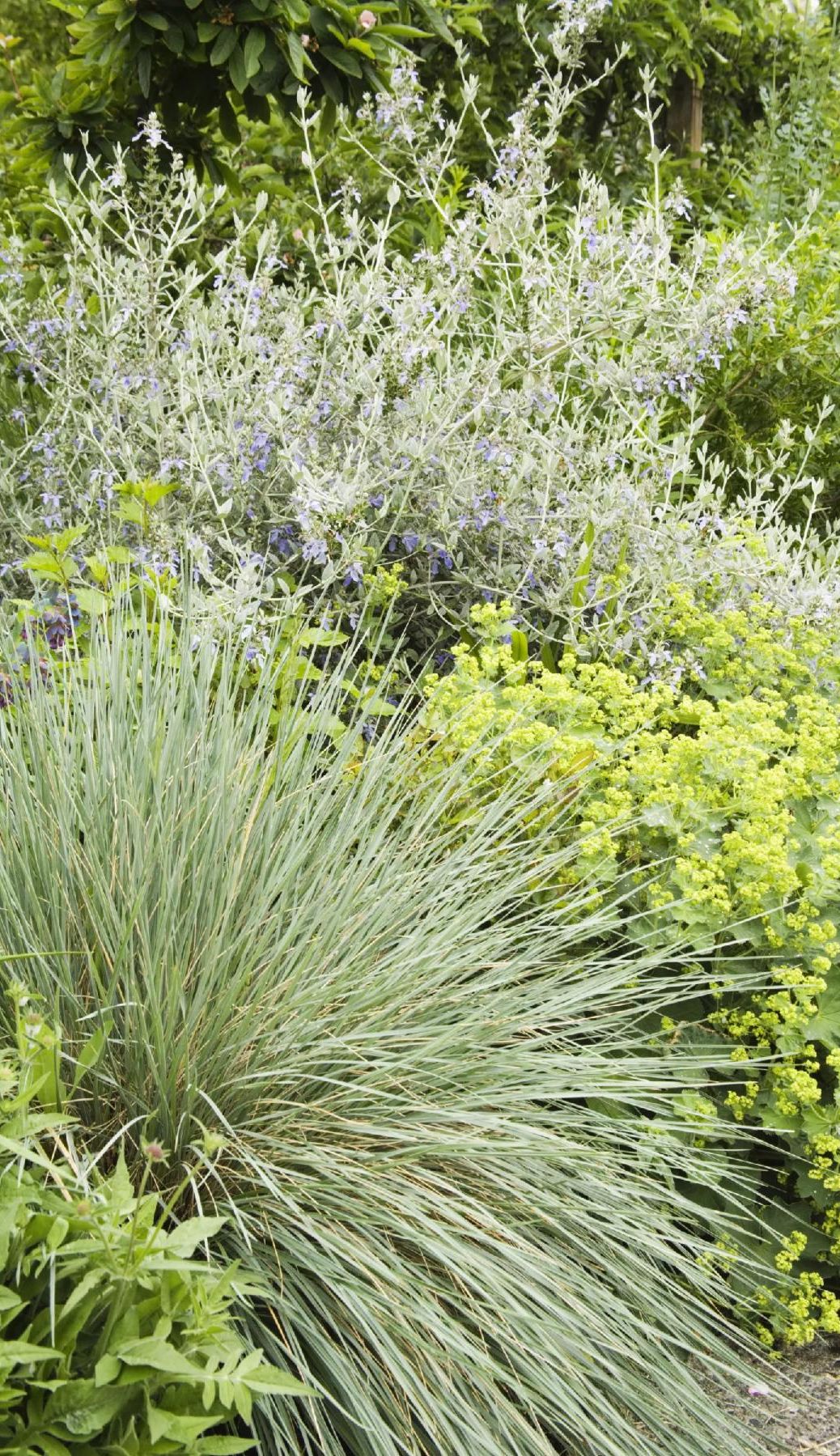
Meadow and prairie plantings are usually open communities of grasses, sedges, and wildflowers, with few trees. They create low-maintenance areas with added ecological value. Densely planted areas like these reduce and filter stormwater runoff, increase infiltration, support a rich variety of wildlife, and add green space in urban areas. We consider them a vital part of green infrastructure. Learn more about meadow and prairie plantings and a few of our favorite grasses and sedges to use in this blog post.
| |
|
Dig Deeper into Rain Gardens
Hoffman Nursery
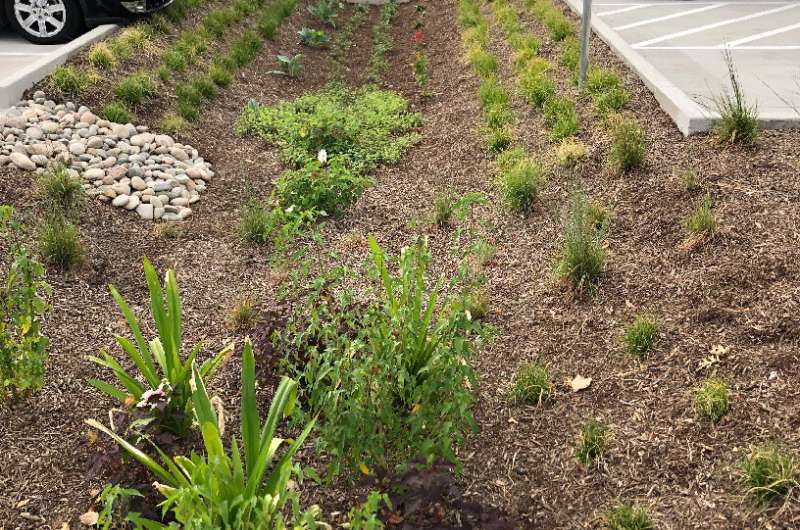
| Rain gardens provide solutions to stormwater runoff by capturing rainwater efficiently and trapping pollutants from entering our waterways. They can be created intentionally or occur naturally in the landscape and provide many benefits to you, your community, and the environment. In this blog post we dig deeper into rain gardens, some of the grasses and sedges we recommend, and a video with Sami from our Sales Team. | | | |
Pennisetum x advena 'Rubrum'
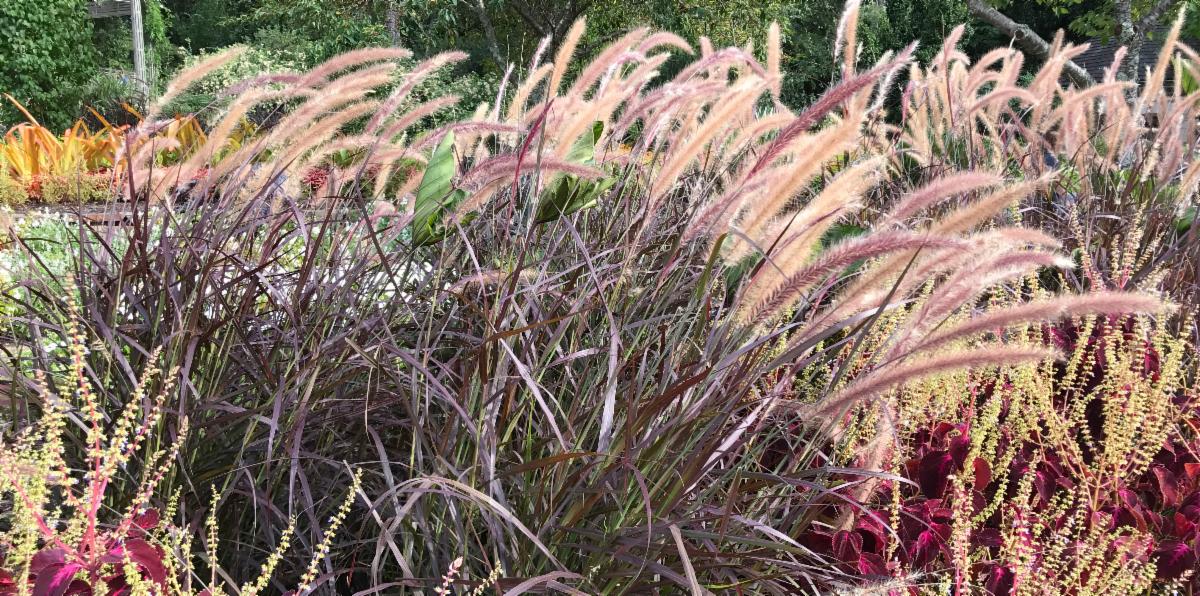
Pennisetum x advena 'Rubrum' (Purple Fountain Grass) appeals to both inexperienced gardeners and seasoned grass enthusiasts. Folks new to grasses are attracted to its beautiful red-burgundy color, flowing foliage, and long bottlebrush plumes. Those more familiar with ornamental grasses love it because it is an easy- and fast-growing annual bedding plant with plenty of character. It is often used as a colorful specimen, in sweeping masses, or as filler in perennial beds. In decorative urns, its garnet color contrasts beautifully with deep greens, blues, and yellows. It maintains its shape and color throughout the summer; blooms remain lovely from June until frost. It is just the right size for many landscape designs. Check out the video below with Jessica from our sales team on why you should buy this plant.
| |
|
Sedges have Edges
Coastal Point
| |
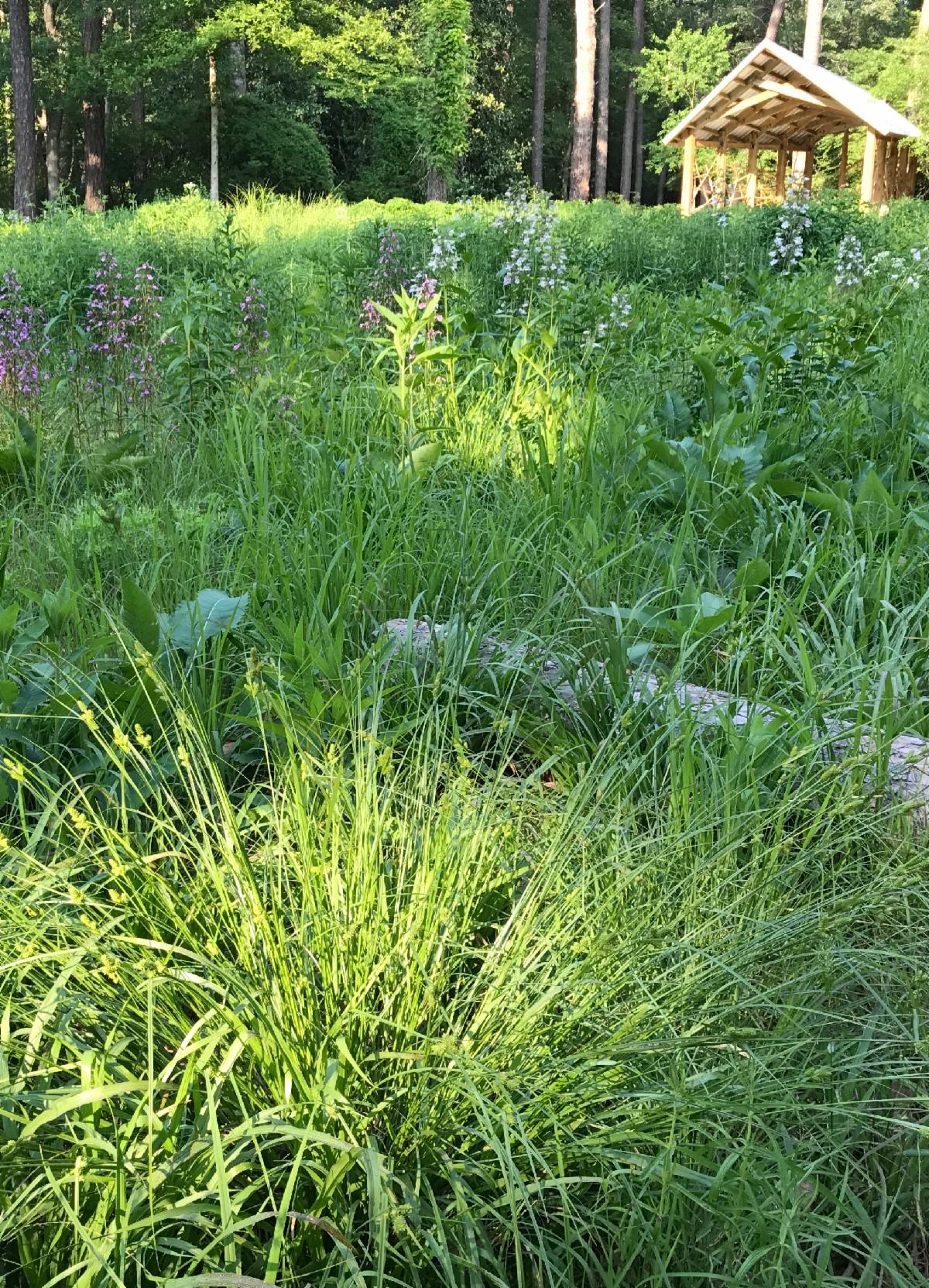
Carex is a great choice to use as a garden edging, as well as a replacement for turf grass, as many handled mowing quite well (and need it less frequently). It can be an exceptional option if you are looking to replace your lawn with a less costly, more sustainable option, and they are wonderful options for suppressing weeds. Since sedges are bunching grass (grown in tufts, rather than as sod) and have great root systems, they provide ecological importance to your gardens.
This piece from Coastal Point takes a closer look at sedges and all their greatness.
| | | |
|
|
|
Native Garden Designs
Wild Ones
| Check out this site that provides practical, educationally-sound information on native landscaping developed specifically for first-time native plant gardeners looking for help getting started. It also features a growing number of free, downloadable native garden designs created by professional landscape designers for multiple ecoregions in the United States, taking into account various light, soil and moisture conditions. | | | |
Putting Green Infrastructure into Practice | |
|
What is Meadowscaping & How to Get the Look in your Garden
House Digest
| |
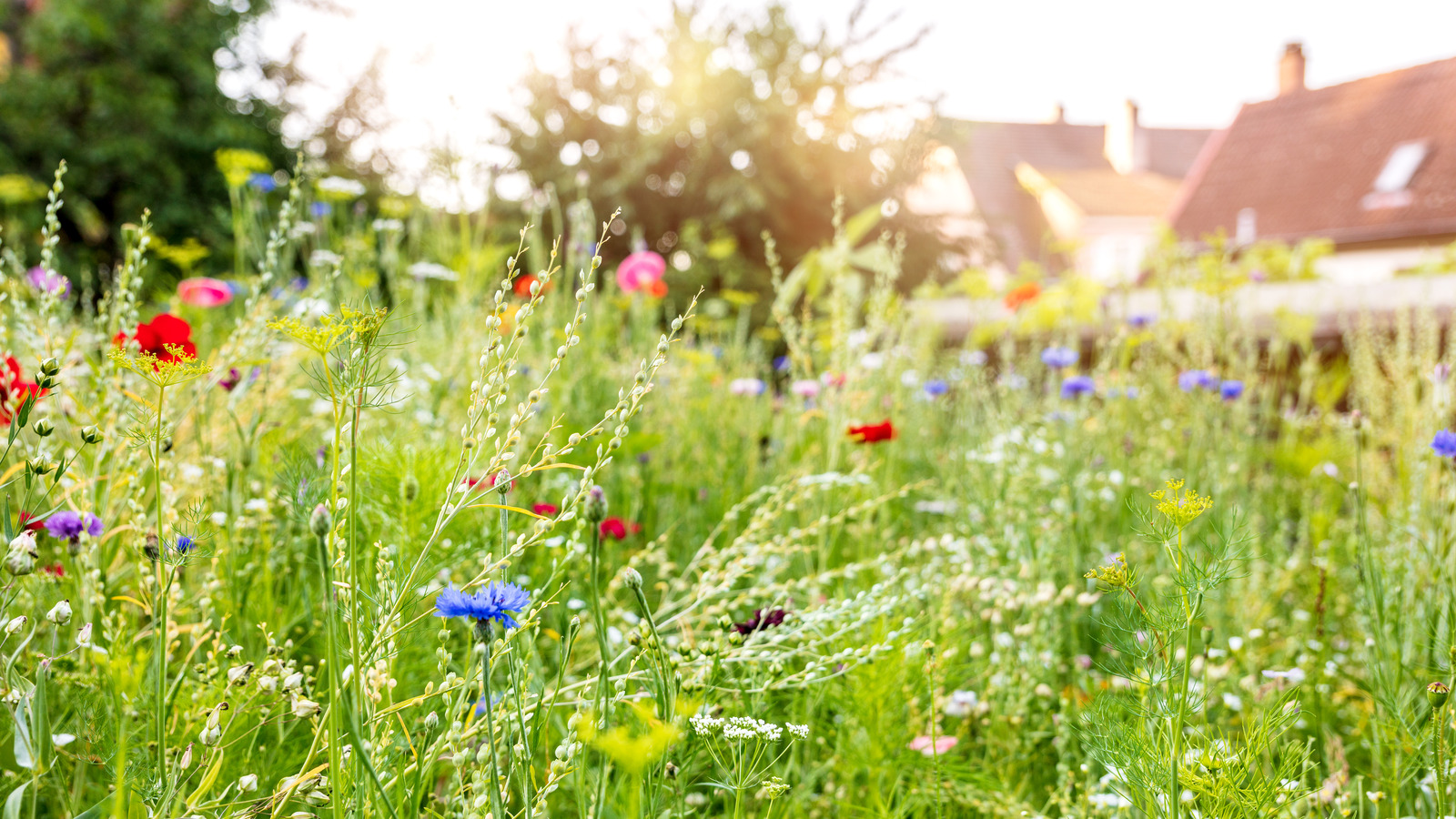
Are you tired of battling with fickle flowers and stubborn weeds? Worried about the environmental consequences of maintaining a curated lawn or garden? Even if you're just interested in cutting your water bill in half, it may be time to try out a more eco-friendly alternative to typical lawns: Meadowscaping.
Learn more about this up-and-coming natural gardening trend and how you can use it to transform your outdoor space in this article from House Digest.
| | | |
|
|
|
Nine Popular Options for Green Roofs
Homes & Gardens
| |
Working out the best plants for your green roof will primarily depend on the type of green roof you have. A green roof can be an intensive (or thick) type; extensive (or thin); or semi-extensive/hybrid, which is a combination of the two.
An extensive roof needs to be able to function independently as you will not be able to access it once it is established, so plants such as sedums are popular. For an intensive roof, access is essential as you will need to occasionally tend to your green oasis. On an intensive roof, your options are much broader and you are able to grow everything from sedums to trees.
To help you make the right choice, this article from Homes & Gardens rounded up popular options for every type of green roof. These practical yet pretty plants are ideal for adding coverage, color, and interest to your green roof.
| | | |
|
Big City Solution: Installing Green Stormwater Infrastructure Slows down, Cleans up Runoff
Phys.Org
| |
Not only has population growth and aging infrastructure put a strain on existing stormwater drainage systems, but climate change impacts have also made extreme one-day rainfall events more common. Rapid urbanization's increased impervious surfaces have sped up how fast extreme rainfall runs off into rising waterways, prompting flooding.
How should we deal with these compounding challenges? Local governments are searching for solutions to meet these new challenges, according to experts. Green stormwater infrastructure, GSI, can be a major part of the solution, said researchers at the Texas Water Resources Institute, TWRI, in College Station.
| | | |
|
Let's Get Spongy!
Placemakers
| |
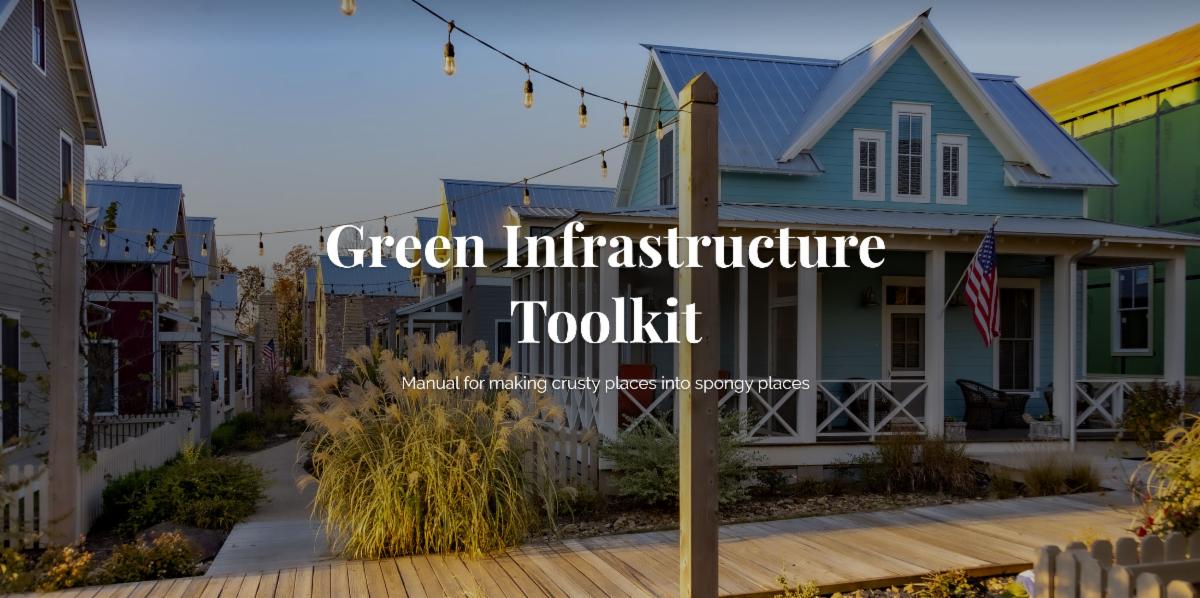
In honor of World Water Day 2023, Placemakers launched a Green Infrastructure Toolkit which is based on best practices for incorporating green infrastructure into local government planning and projects. It provides a comprehensive set of 25 key actions that local governments can implement to create more sustainable and resilient communities. The toolkit is available as a free, interactive document.
| | | |
More Nature-Based Solutions | |
|
Use Nature as Infrastructure
Scientific American
| |
Wetlands, coastal plains, sand dunes, forests, and many other permeable surfaces do cheaply (or even for free) what engineered levees, seawalls, and pumps do at a cost of billions of dollars. They protect the land around them from storm surge, flooding rains, erosion, and pollution. They are vital infrastructure that makes us more resilient against climate change, and the cost of destroying them or weakening their ability to function must be factored into the decisions we make to build and grow.
How do these “ecosystem services” fare against the cost of, say, 30 years of emergency operations, utility failures, and repeated rebuilding? Maintaining and restoring natural infrastructure to support healthy functioning saves money, time, and lives.
This article from Scientific American takes a look at how wetlands often have more economic value than new development.
| | | |
|
Five Reasons Why We Are Not Separate from Nature and Why it Matters
Living Architecture Monitor
| |
"If you think you are not part of the natural world, allow me to try to convince you that this is not the case. What we believe about our place in nature, largely determines how we perceive, value, shape and interact with it."
This fantastic article from Steven W. Peck, the founder and president of Green Roofs for Healthy Cities and Editor for Living Architecture Monitor magazine takes a closer look at our interconnectedness and interdependence with the natural world.
| | | |
|
As Flooding Increases, These Cities are Designed to Work with -- not against -- Water.
CNN
| |
Cities' relationship with water is a fragile balance. Too little leads to parched landscapes and water shortages; too much can cause deadly flooding, washing away homes, lives, and livelihoods. Last year severe flooding caused devastation around the world, including in Nigeria, Pakistan, and Australia. And it's predicted to get worse.
This piece from CNN shows how five cities are trying to reclaim their relationship with water.
| | | |
|
Regional Grey to Green Conference
April 23 & 24, 2023; Boston, MA
The 2023 Regional Grey to Green Conferences hosted by Green Roofs for Healthy Cities and the Green Infrastructure Foundation, will explore the most recent green infrastructure science, economic valuation, asset management, public policy, technologies, and best practices in design, installation, and maintenance.
These will be smaller-scale conferences, with a strong focus on providing content tailored for designers, contractors, installers, maintenance professionals, and policymakers. This content includes practical information about the implementation and maintenance of green infrastructure systems. The first regional event will take place in Boston.
Each event will be 2 days, with training, a plenary session, tours, technical presentations, panel discussions, and a central trade show.
| |
|
ASLA Southeast Regional Conference
April 23-25, 2023; Atlanta, GA
The North Carolina, Georgia, and South Carolina Chapters of the American Society of Landscape Architects (ASLA) will be hosting the Southeast Regional Conference in Atlanta April 23-25, 2023. The conference will feature talks, workshops, and activities to educate, engage, and ignite discussion within the landscape architecture community.
| |
|
Download Availability & Order Form
Prices for liners, number of liners currently in stock, and future availability are listed in PDF and Excel files. You may also use these as order forms. Need details on what the numbers mean? Learn more here.
| |
Join us for the best in grass-related content. | | | | | |