- Grass & Sedges for Resilient Landscapes
- Join Us for our Webinars Next Week!
- An Even Busier October
- Plant Spotlight: Prairie Fire Sedge
- New Wildflower Meadow at the Brooklyn Museum Entrance
- Abandoned Golf Courses are being Reclaimed by Nature
- Warrie Price, On the Battery's Sustainable Landscape Design
- Sustainability: Native Versus Non-Native Plants
- New Policy Requires Native Plants at State Parks and Historical Sites
- 7 of the Best Native Grasses to Add Drama and Movement to your Yard
- New York Needs to Get Spongier-or Get Used to More Floods
- Why this Couple Went All-in on a Show-stopping 'Green Roof'
- Key Considerations When Designing a Green Roof
- Useful Resources
| |
|
Grass & Sedges for Resilient Landscapes Series
Hoffman Nursery Blog
| |
|
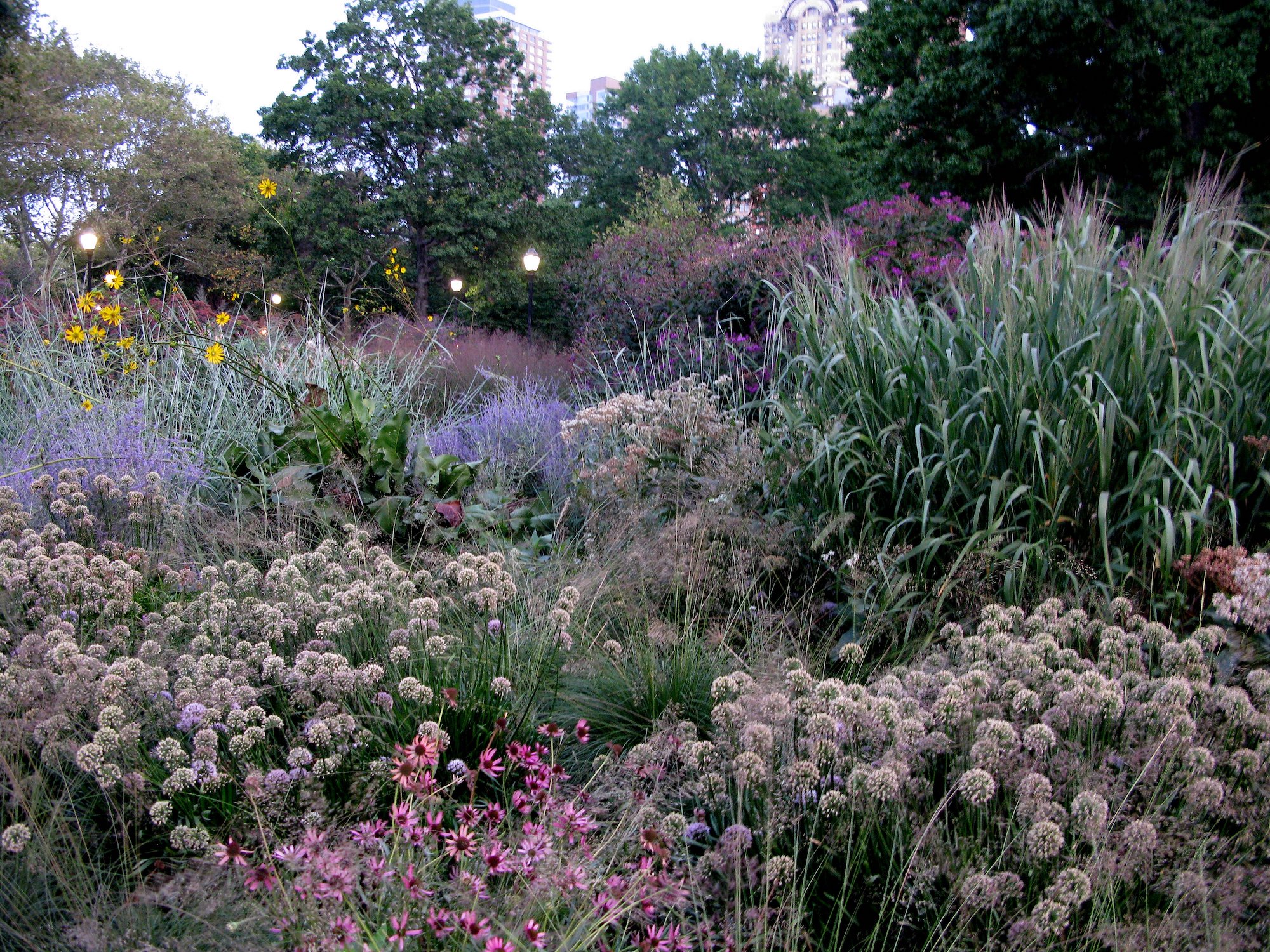
As disruptive natural events become more common, there is an increased need for communities to recover quickly and regenerate. Working with nature (instead of against it) to build resilient landscapes provides a foundation for recovery and regeneration that can improve human and ecological health. A resilient landscape is an adaptive, forward-looking framework that works with nature to design and retrofit communities, and spaces to recover quickly and provide solutions from extreme events such as loss of biodiversity, drought, extreme heat, fire, flooding, and landslides.
Check out our blog series where we examine each of these extreme events and recommend grasses and sedges that work well in resilient landscapes.
| |
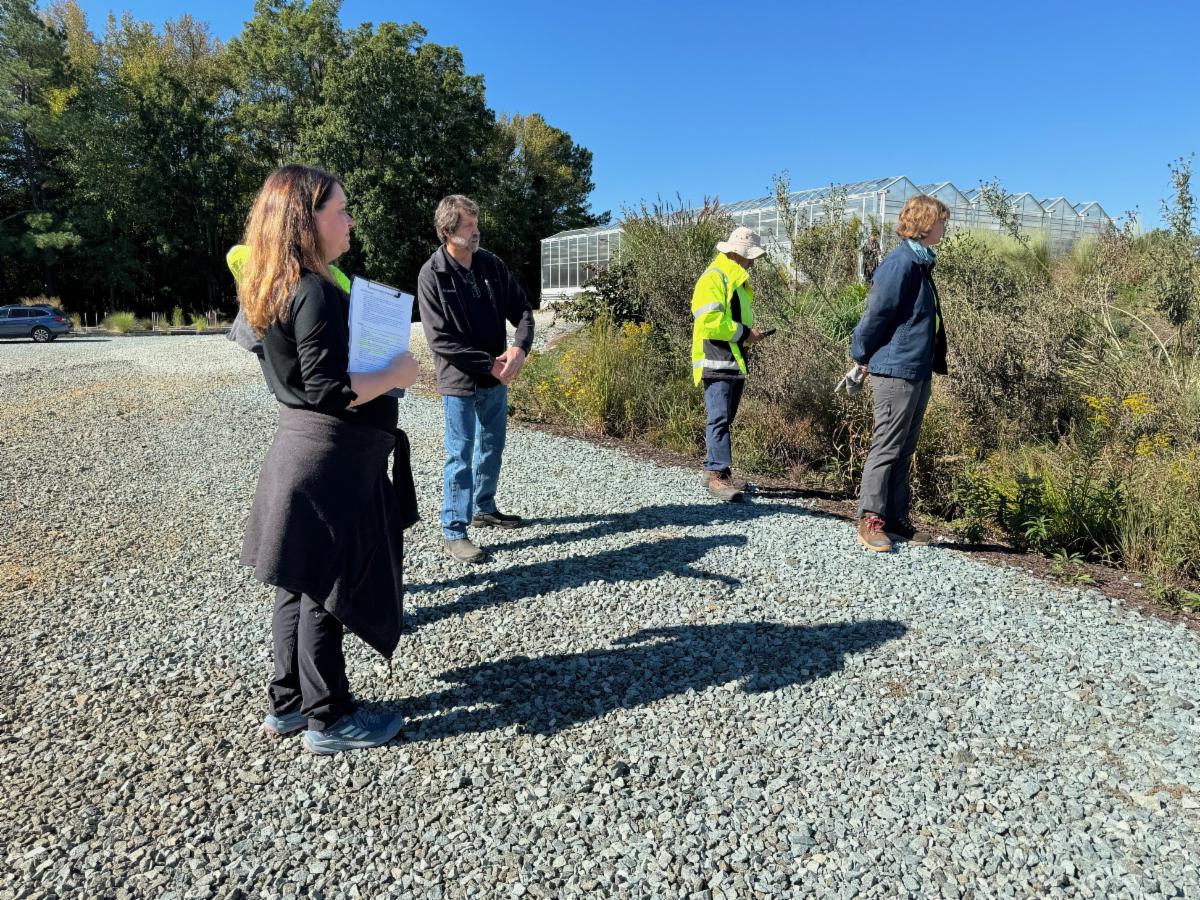
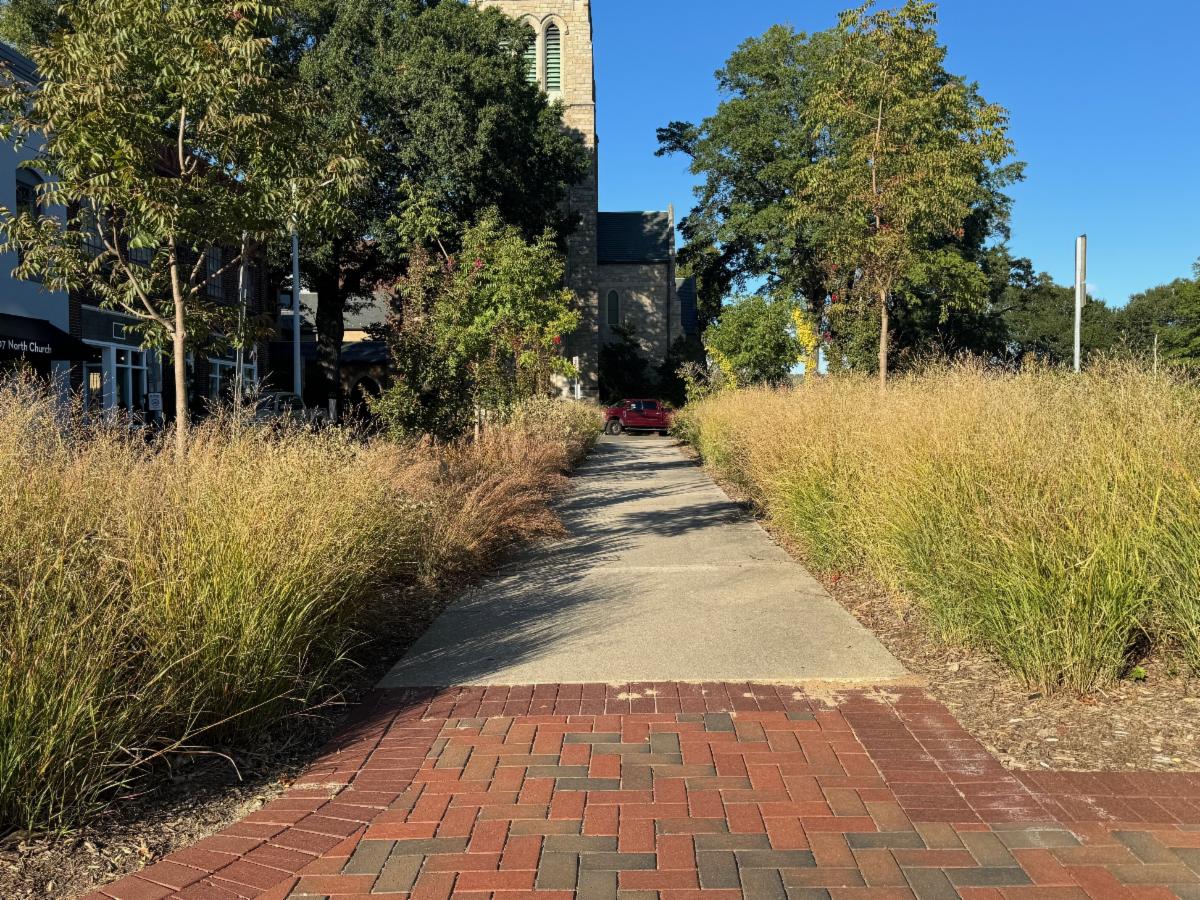
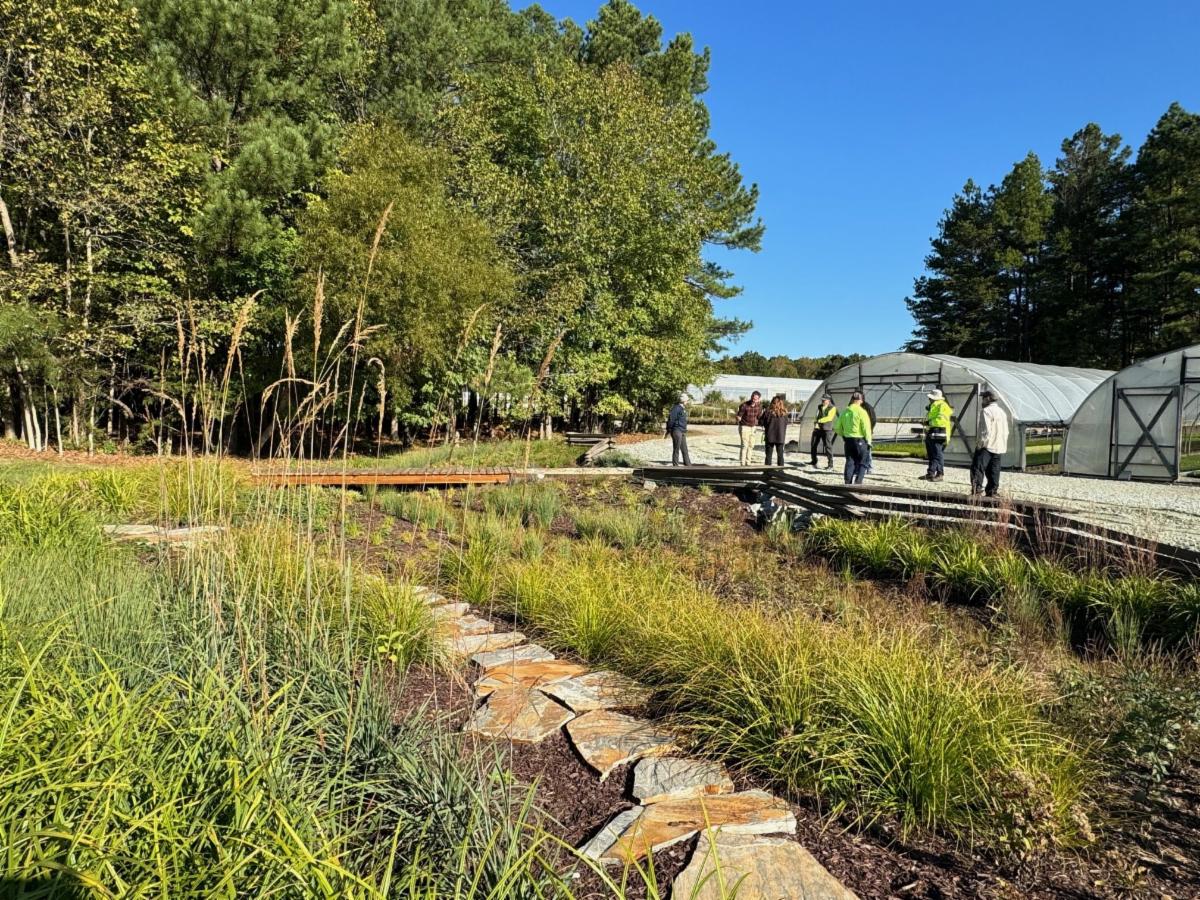
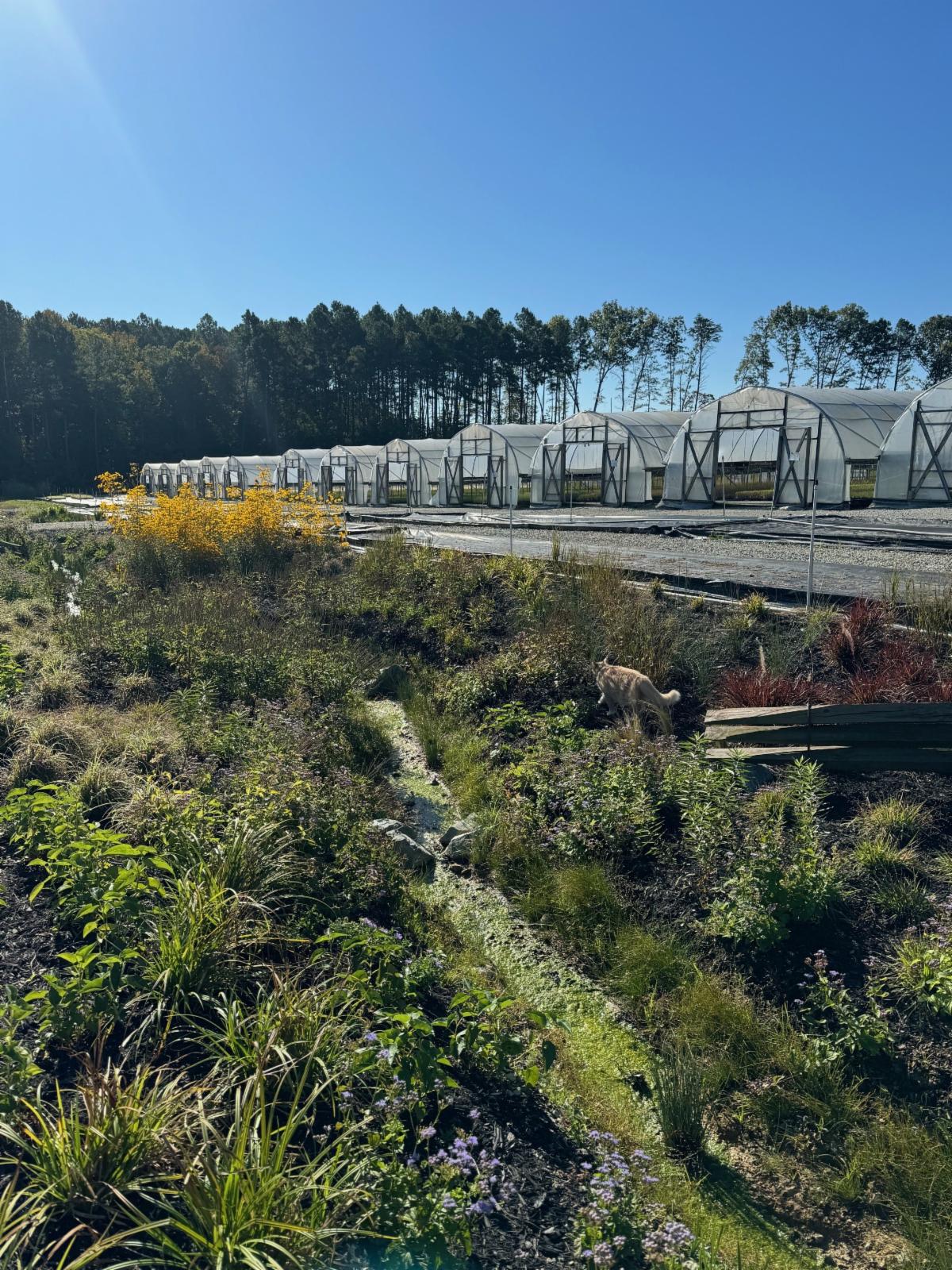
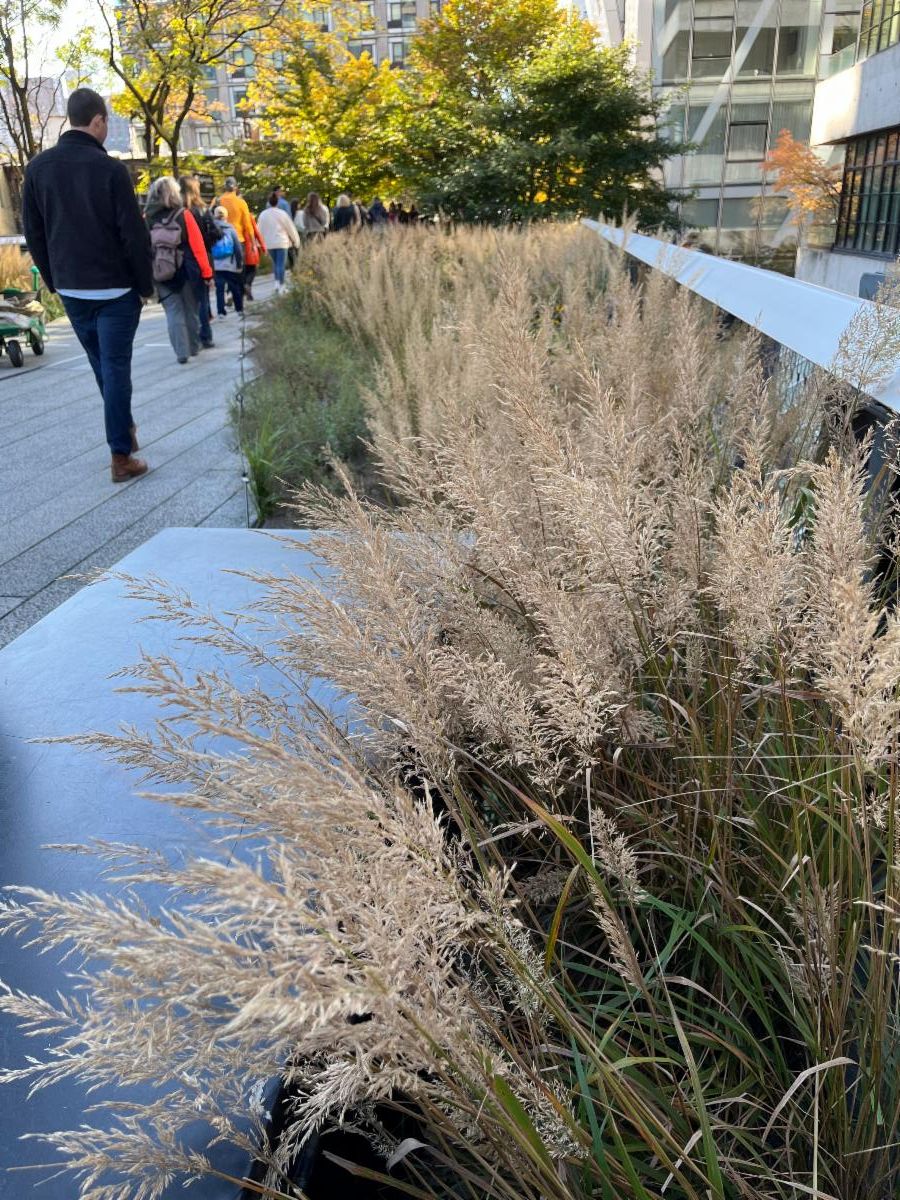
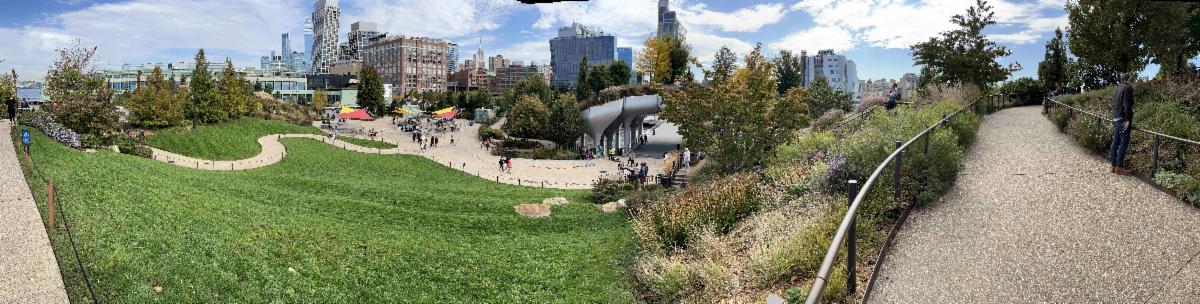
And we thought September was busy! The events, tours, and webinars in October kept us on our toes. From Downtown Durham to The High Line in NYC, here's a look at some of the highlights and grasses along the way. | |
|
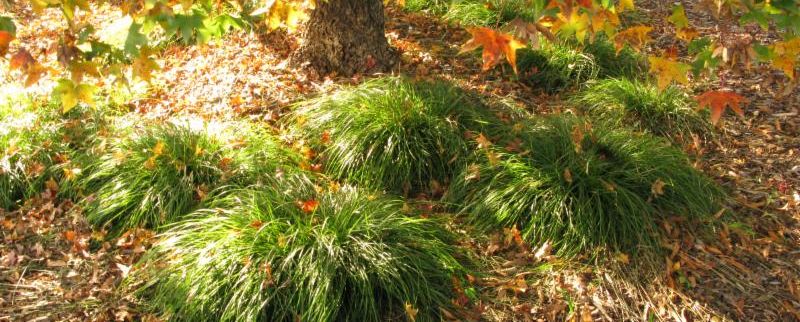
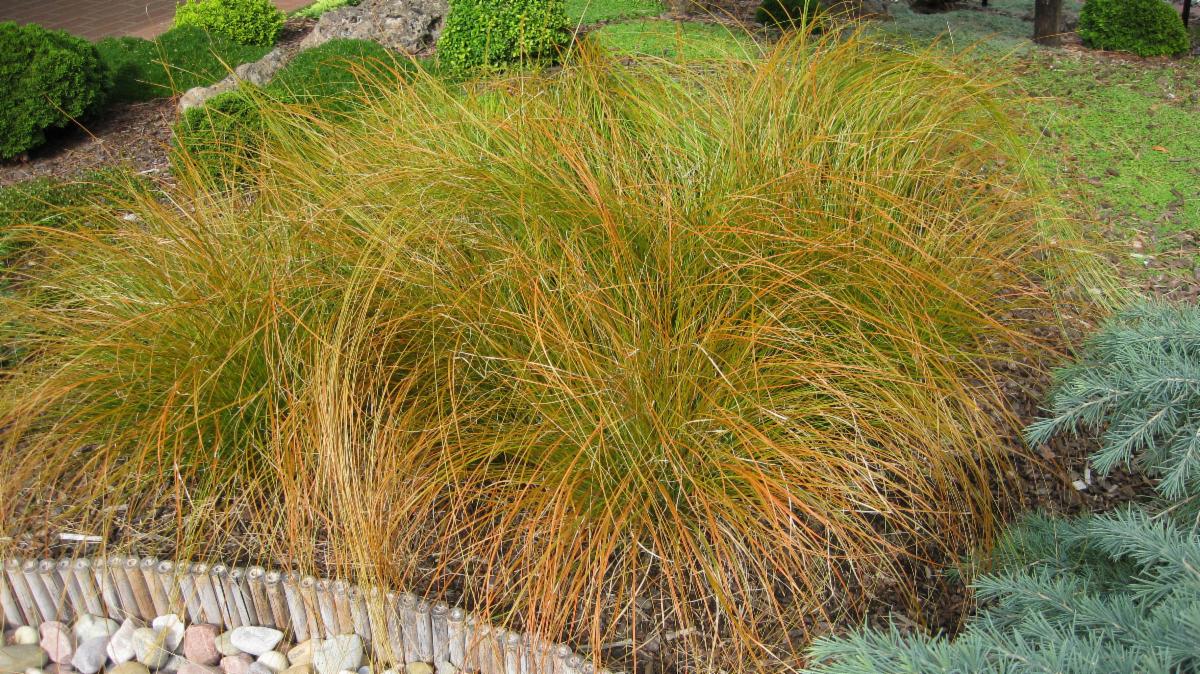
Prairie Fire Sedge creates a fiery display of color when planted in ground covering sweeps. Its upright, slender, green-bronze foliage is tipped with orange highlights. In full sun this deep orange coloring intensifies, creating a dramatic look that blends well with hot-colored perennials and yellow-green shrubs. Coloring persists through most of the winter in warmer climates. This New Zealand native does best in moist, well-drained soil, but will adapt to drier conditions once established. Part of the ColorGrass® series, ‘Prairie Fire’ is a seed selection of Carex testacea.
Great for:
- Container Plantings
- Borders and Walkways
- Mass Plantings
- Rock Gardens
- Banks and Slopes
- Mixed Plantings
See our Plant Profile
| |
Nature-Based Spaces & Solutions | |
|
New Wildflower Meadow at the Brooklyn Museum Entrance
Gardenista
| |
Steal some inspiration from Brook Klausing and Rebecca McMackin's new wildflower meadow design for the Brooklyn Museum's entrance.
| | |
|
Abandoned Golf Courses are being Reclaimed by Nature
CNN
| |
Despite occupying large green spaces, golf courses are not necessarily good for the environment. Conservationists are reclaiming and rewildling the spaces in an effort to boost biodiversity.
| | | |
|
Warrie Price, On the Battery's Sustainable Landscape Design
Gardenista
| The founder of The Battery Conservancy shares the story of the park's transformation from urban wasteland to beautiful biodiversity. | | | |
The Importance of Native Plants | |
|
Sustainability: Native Versus Non-Native Plants
The Edge from the National Association of Landscape Professionals
| |
“Native plants give us a sense of where we are in this great land of ours,” Lady Bird Johnson, First Lady of the United States from 1963-1969, famously said. “I want Texas to look like Texas and Vermont to look like Vermont.”
More than 50 years later, the landscape industry — and many of its customers — continue the fight to protect the environment through sustainable landscaping. Choosing between native and non-native plants continues to be an important decision for building a sustainable environment.
| | | |
|
New Policy Requires Native Plants at State Parks and Historical Sites
Audubon North Carolina
| North Carolina’s state parks and historical sites will soon be blooming with more native plants, thanks to a new policy from the N.C. Department of Natural and Cultural Resources. The agency announced early this month that native vegetation would be required for landscaping and habitat work on state parks and all of the 100+ locations it manages. | | | |
|
7 of the Best Native Grasses to Add Drama and Movement to Your Yard
Homes & Gardens
| |
If the only grasses you’ve ever grown are in your lawn, think again. This wonderfully diverse group of ornamental plants includes many US natives that will adorn your yard with their lush, textured foliage, graceful flowers and seedheads.
Gardening experts recommend the best native grasses to support wildlife, reduce water consumption, and put on a spectacular show in your yard.
| | | |
Going with Green Infrastructure | |
|
New York Needs to Get Spongier-or Get Used to More Floods
Wired
| Devastating deluges around the world point to the metropolis of tomorrow: the "sponge city." Think more parks and fewer parking lots. | | | |
|
Why this Couple Went All-in on a Show-stopping 'Green Roof'
Washington Post
| A family installed an eco-friendly roof filled with chives, succulents, and other plants to manage storm water runoff and add insulation. | | | |
|
Key Considerations When Designing a Green Roof
Greenroofs.com
| Designing green roof systems involves creating a functional, sustainable, and aesthetically pleasing space on the rooftops of buildings. With numerous options available to achieve your goals, there are just as many aspects that need to be considered when designing green roofs. | | | |
|
Download Availability & Order Form
Prices for liners, number of liners currently in stock, and future availability are listed in PDF and Excel files. You may also use these as order forms. Need details on what the numbers mean? Learn more here.
| |
Join us for the best in grass-related content. | | | | | |