In this issue:
- Get Ahead with Late-season Production
- The Other Prairie Pollen
- Our Comparison Charts
- Selecting Plants for Green Infrastructure
- Buffalo's Big Plans to Increase Green Infrastructure
- When it Comes to Green Roofs, is it Native Plants Only?
- A Bright Future in Horticulture
- Upcoming Events
|
|
Get Ahead with Late-season Production |
|
|
|
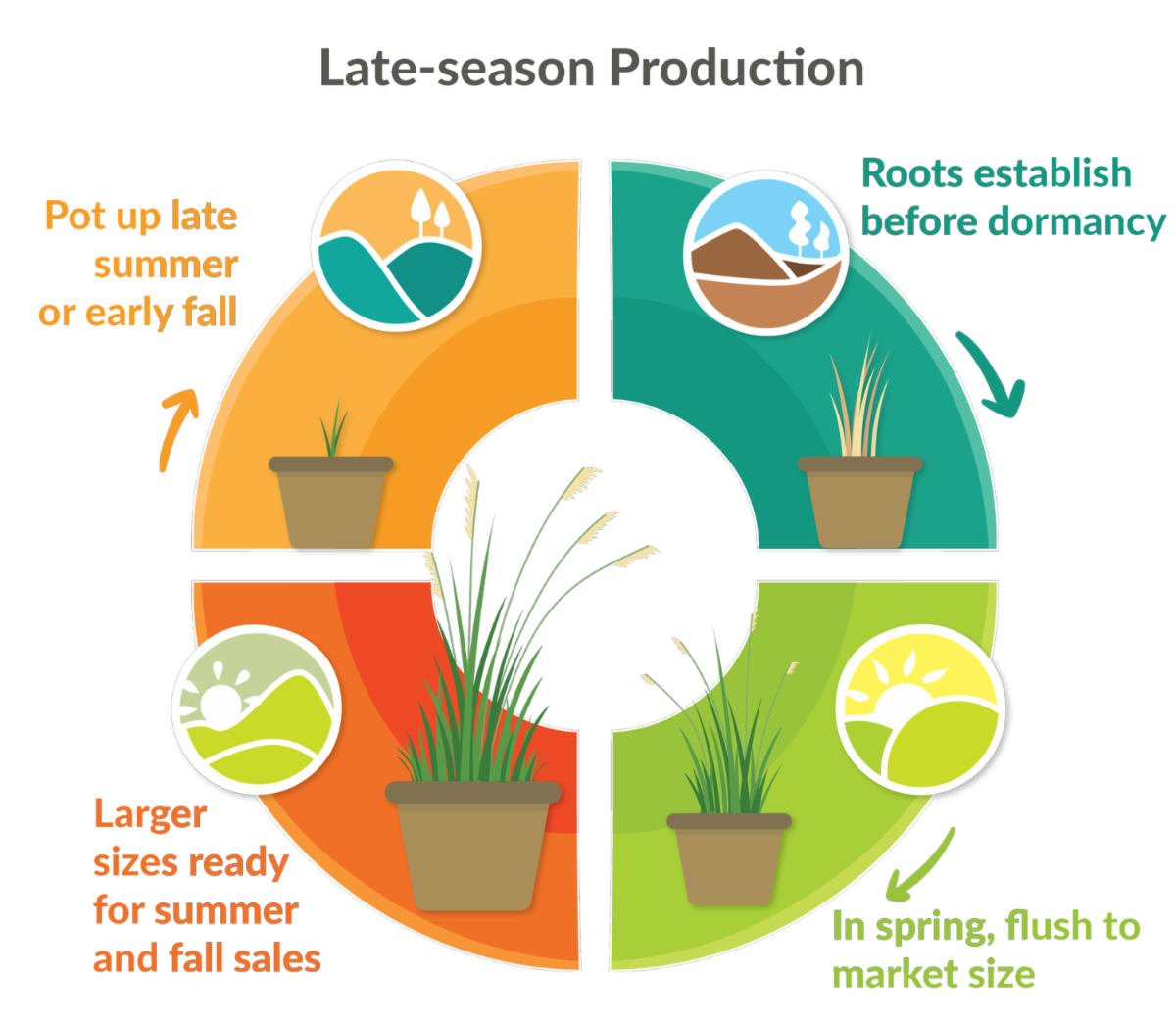
How can being late make you early? When you use late-season production to maximize the next season’s crops! It’s a smart way for growers to make sure grasses are full and ready for the spring rush.
How does it work? Bring in grass liners late summer and early fall for transplanting. When spring comes, they’ll start stronger and finish faster than if potted up the same season.
|
|
|
The Other Prairie Pollen
When we think about insects seeking pollen, we probably think of bees on flowers. But Prairie Ecologist Chris Helzer sees a lot of insects feeding on prairie grasses. His post this month on insects and wind-pollinated grasses is intriguing!
Read more
prairieecologist.com
|
|
|
|
|
|
Smart Tools for Choosing Grasses |
|
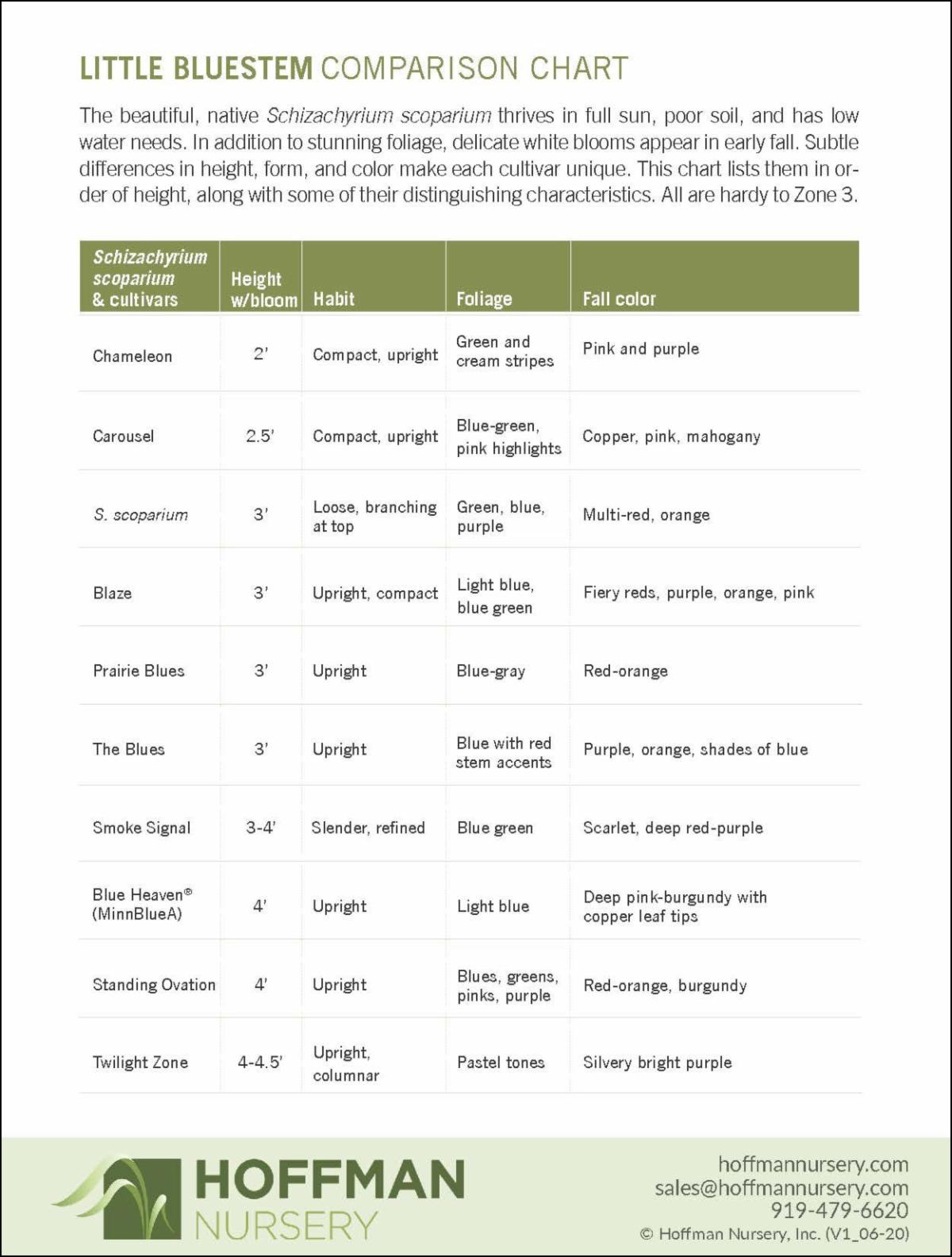
With so many grass and sedge selections available, how do you choose? Our comparison charts, which focus on five popular plant groups, are a quick and easy way to find what best fits for your project. Each chart uses key features to help you select. They're in our current catalog, and you can download them directly here:
If you'd like to learn more, visit our popular plant groups page. From there, you can dig deeper into nine different genera and link to the selections we carry. We've recently updated the Schizachyrium page, so don't miss that one!
|
|
|
Selecting Plants for Green Infrastructure |
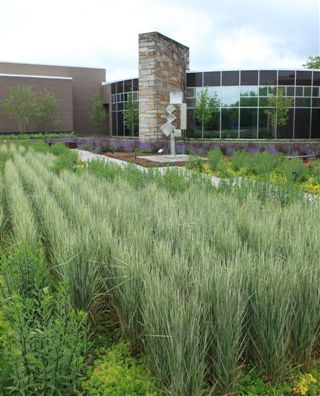
Green infrastructure (GI) is becoming the new normal. As our regular readers know, GI uses natural features to manage water, while providing additional benefits such as support for wildlife, recreation, and more beautiful developed spaces.
In our Plants for Green Infrastructure Guide, we give an overview of common GI features that include plants. We also suggest grasses, sedges, and rushes that should perform well in the growing environments of these features.
|
|
|
News on Green Infrastructure |
|
Buffalo's Big Plans to Increase Green Infrastructure |
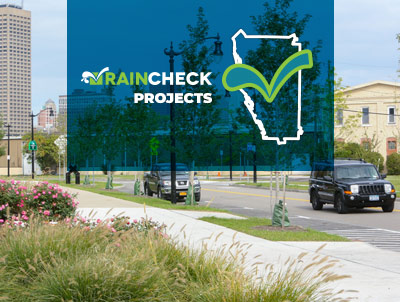
Buffalo, New York has already committed to investing $93 million on green infrastructure through its Rain Check program. Most of the efforts so far have been focused on public projects. Now, they're turning their attention to private property where it can be a tougher sell.
To help push the project along, the city plans to issue a $30 million environmental impact bond (EIB). The grant program is will fund encourages private landowners to install green infrastructure. The bond will be among the largest in the country. An excellent article in the August issue of Landscape Architecture Magazine explains how this and other EIBs work to promote investment in green solutions.
|
|
Buffalo, New York is tackling its stormwater challenges and responding to climate change with green infrastructure. The Rain Check program website shows how they're doing it. |
|
When it Comes to Green Roofs, is it Native Plants Only? |
Should there be a policy specifying only native plants on green roofs? Do native plants on green roofs provide greater environmental services than non-natives?
Dr. Brad Rowe, green roof researcher at Michigan State University addresses these questions in a recent policy issue of the Living Architecture Monitor. Get his expert take on when natives-only makes sense.
|
|
Photo courtesy of Dave MacKenzie |
|
A Bright Future in Horticulture |
Hunter Hall, who interned with us in 2018, recently won a scholarship from the Sydney B. Meadows Fund. Created by the Southern Nursery Association, the fund provides support for horticulture students in Southeastern universities. It's a competitive scholarship, and this year's recipients were chosen from a very accomplished group of applicants.
Hunter is a senior at the University of Mt. Olive in North Carolina. We are thrilled to see her pursuing horticulture with passion and know she has a bright future in the industry. She also earned a Perennial Plant Foundation scholarship in 2019 and was named an AmericanHort Scholar earlier this year. Way to go, Hunter, and congrats!
|
|
Hunter Hall, awarded a 2020 Sydney B. Meadows Scholarship. Read more about the scholarship and this year's recipients. |
|
Late Summer and Fall 2020
|
The Perennial Plant Association, known for its networking and plant intensity, is offering webinars, happy hours, and garden tours virtually. The sessions have included public gardens highlighting their current showstoppers, top five faves from experts, and lively discussions on what makes a good Perennial Plant of the Year®. And there are more great topics on deck. It's a welcome connection for those of us growing, designing, and working with perennials.
Join your perennial colleagues from across North America in these engaging virtual events. Check out the schedule at the link above.
|
|
|
Cultivate this summer was a unique experience for many of us. There's just under a week left to explore and learn more on the Cultivate Virtual platform. It will be open until September 1.
Don't miss this opportunity to spend more time getting to know us and other exhibitors. Those of you with the all-access pass can also revisit the education sessions. See you virtually!
|
|
|
Many in-person events are suspended for now, and virtual is the new event mode. See our upcoming events page to find out where we hope to be and what's happening. |
|
Please note the nursery will be closed on Monday, Sept. 7 for Labor Day. |
|
Download Availability & Order Form
Includes liner prices, number of liners in stock, future availability, and order form.
|
|
Stay connected with us for the best in grass-related content. |
|
|
|
|
|
|