- Burning Grasses
- Hidden Treasures
- Celebrate Wetlands
- The 10 Best Types of Native Ornamental Grass
- Plant Spotlight: Gold Hakone Grass
- Happiness is a Plant Away
- 5 Reasons your Community Should Create More Green Spaces
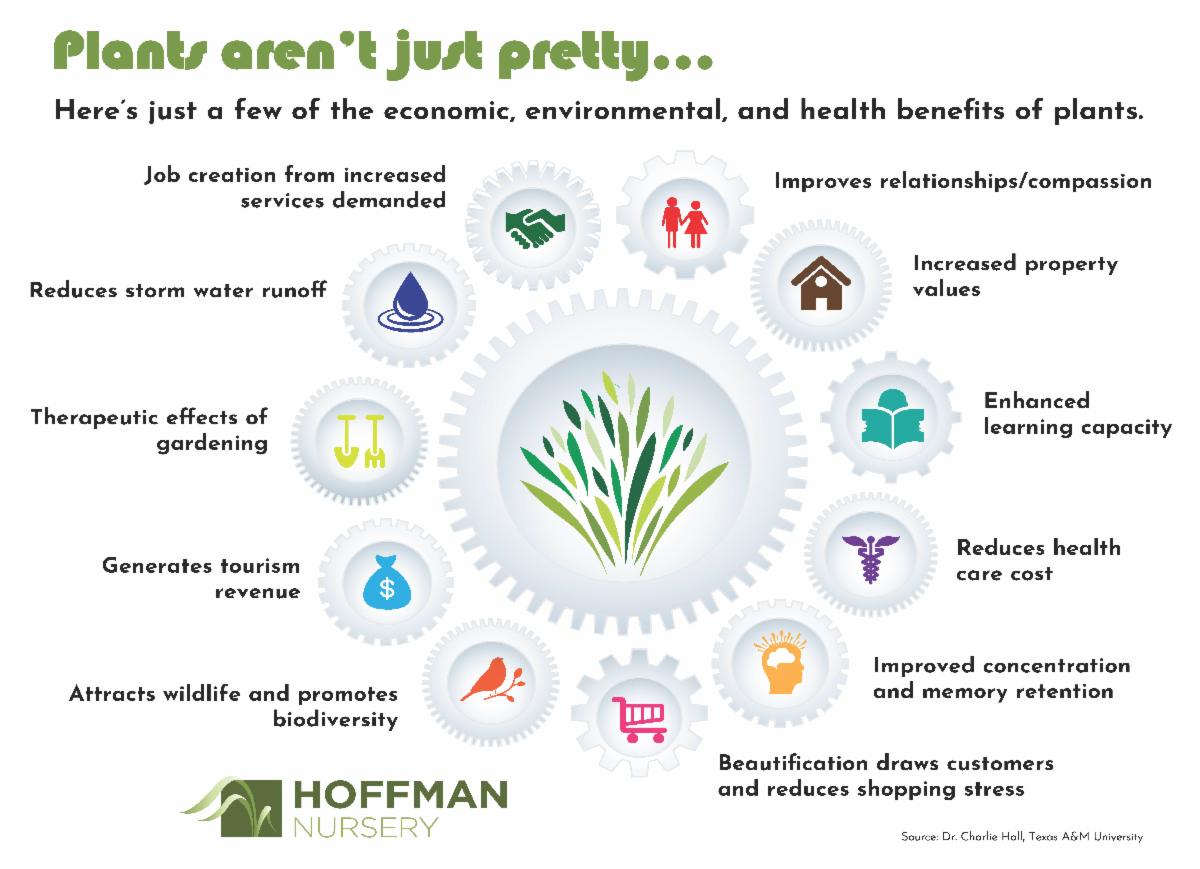
- Plants aren't Just Pretty...
- Parts of South Seeing Earliest Spring on Record
- Preparing a Garden for Spring
- Green Infrastructure can Provide Habitat for Pollinators in Our Cities
- Fewer Moths, More Flies: Complex Relationships between Plants and Pollinators
| | |
|
|
Burning Grasses
Hoffman Nursery
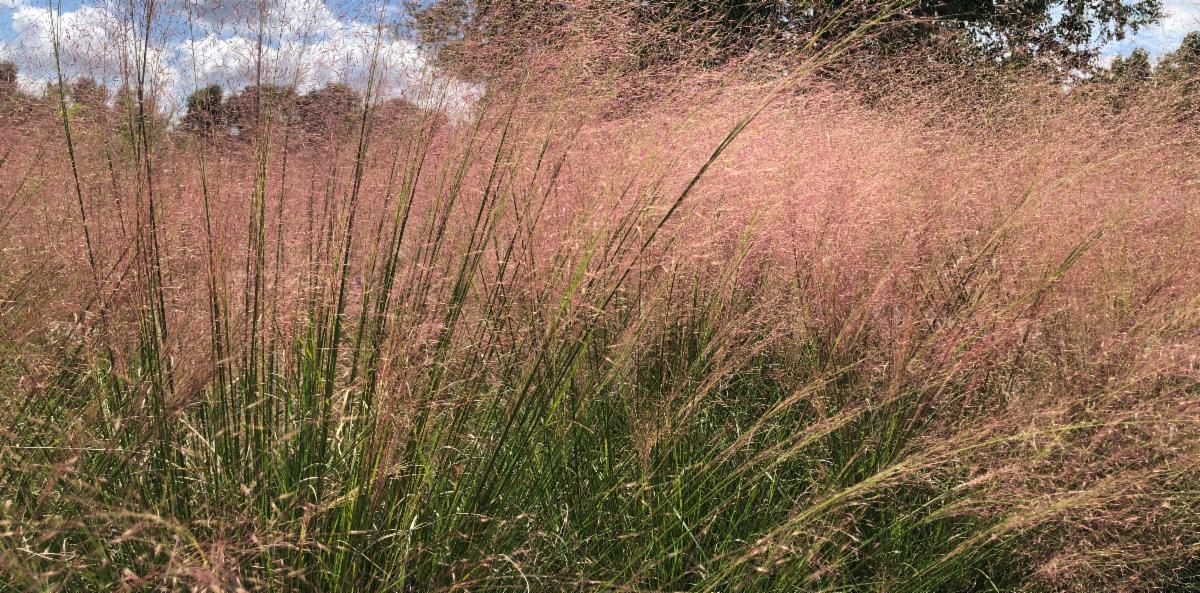
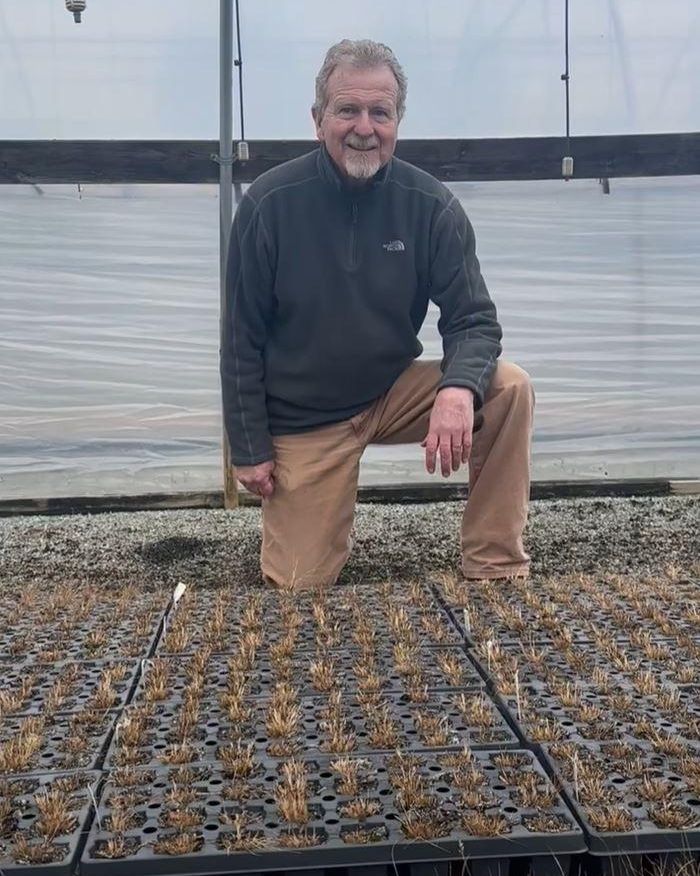
Intentionally setting fire to a landscape can seem counterproductive. But it’s a useful tool for managing forests, prairies, meadows, other grasslands…and now grass liners? In our Burning Grasses blog post we talk about some of the grasses we are burning, why, and how they are responding to the process.
Greenhouse Grower Magazine also featured our Burning Grasses video as their Video of the Week earlier this month. Check it out here.
| |
|
Hidden Treasures
Hoffman Nursery
| Every nursery has their fair share of popular plants, but what about the plants that don't make it into the limelight? Beyond the well-known, there are some fantastic grasses and sedges with distinctive offerings. Take a look at these hidden treasures that are available now to add to your lineup. | | | |
|
|
|
Ornamental grasses make beautiful, low-maintenance additions to any garden. They add height and texture to your plant combinations, mixing well with perennials, annuals, and bulbs. Like other grasses, they don't have showy flowers, but their leaf color varies and changes through the seasons. They also produce attractive seed heads that vary in color and shape and last in the garden for many weeks.
This article touches on how to create a gorgeous, low-maintenance landscape with these North American beauties.
| | | |
|
Hakonechloa macra ‘All Gold’
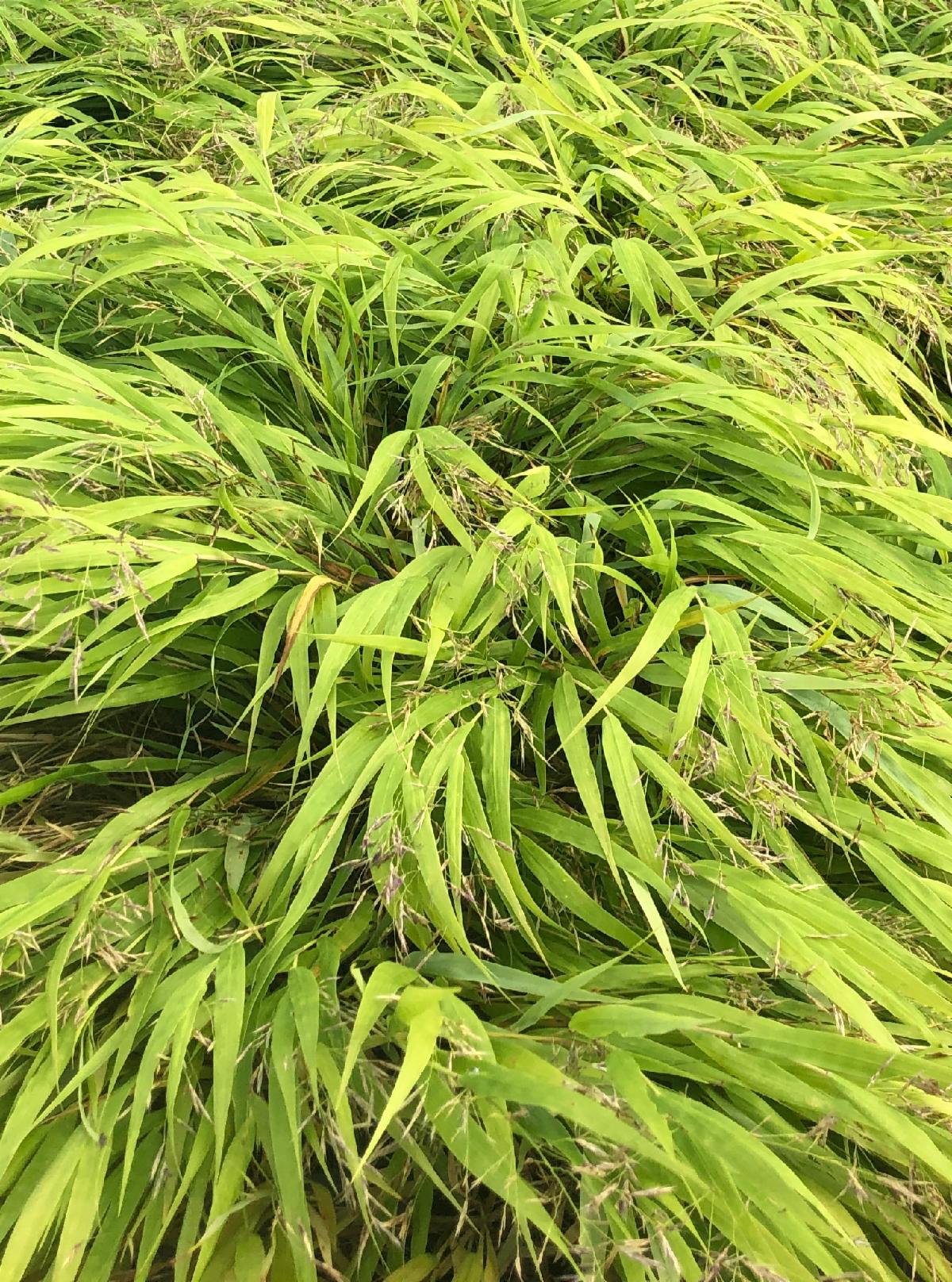
Gold Hakone Grass cures lackluster landscapes with its gilded-yellow foliage. This burst of color builds excitement, yet its mounding, cascading shape creates a soothing space for the eyes to rest and rejuvenate. Combine it with deep greens and blues in the landscape. Take advantage of its habit and golden hue to dress up containers. It spreads slowly by rhizomes to form a superb groundcover. Hakone Grass is able to handle sun in cool, moist climates, but requires shade in hot, dry environments.
See our Plant Profile
| |
|
Happiness is a Plant Away
Green Profits
| |
Mental health has become an increasingly important issue in society. It's defined as "the degree to which one's behavior and personality are centered on hope and motivated by positive goals." Globally, there's been a dramatic rise in anxiety due to the COVID-19 pandemic. With the prevalence of mental illness, the opposite of mental health, it’s not surprising that mental health has come to the forefront of people’s minds and more individuals are seeking corrective actions, which include plant therapy and nature walks.
This article features research by Dr. Melinda J. Knuth, Dr. Alicia L. Rihn, Dr. Bridget K. Behe & Dr. Charles R. Hall documenting the emotional, mental, and physiological benefits associated with plants.
| | | |
|
5 Reasons Your Community Should Create More Green Spaces
Route Fifty
| |
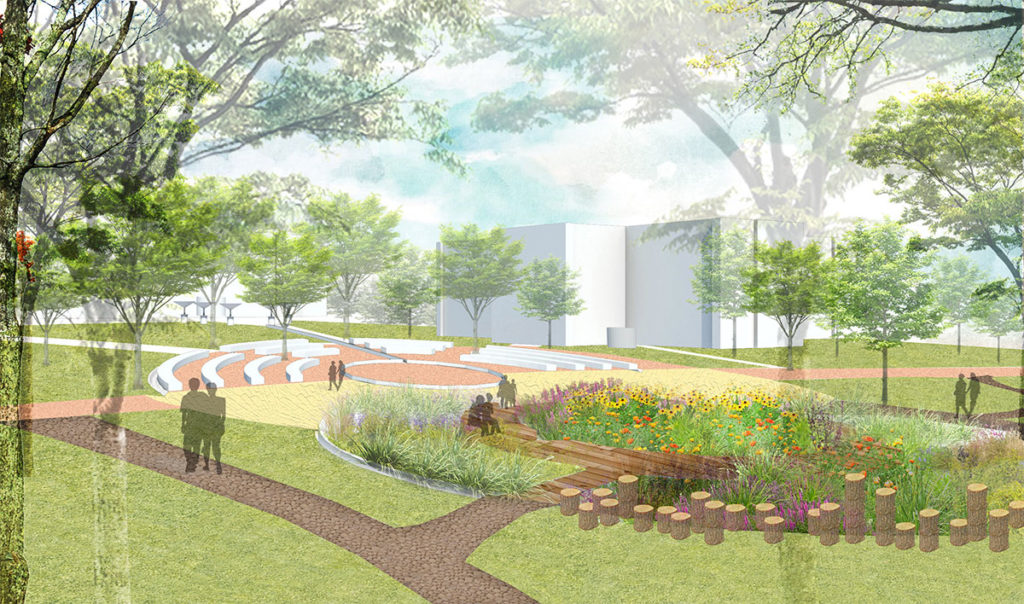
If the pandemic taught us anything, it is that public green spaces are essential. The ability to go outside and get some fresh air has never been more important. And yet, so many people lack access to parks, gardens and greenbelts.
With increased infrastructure funding, cities have a unique opportunity to invest in their public green spaces—both in claiming and reclaiming spaces and in ensuring funding to build and maintain what we have.
Check out these benefits for cities and communities when they add more green spaces.
| | | |
|
Parts of the South and Southeast are seeing their earliest spring on record this year, with leaves already budding on trees as much as three weeks early. Much of the “early spring” we are seeing has to do with the warm start to 2023. Much of the South is off to their top-10 warmest years on record, and several cities are seeing their top-five warmest: Houston, Jackson, Nashville, and Atlanta.
This article covers how plants are sensitive to this early change, why we are seeing this shift, and how it affects the environment.
| | |
|
|
|
|
Preparing a Garden for Spring
Homes & Gardens
| |
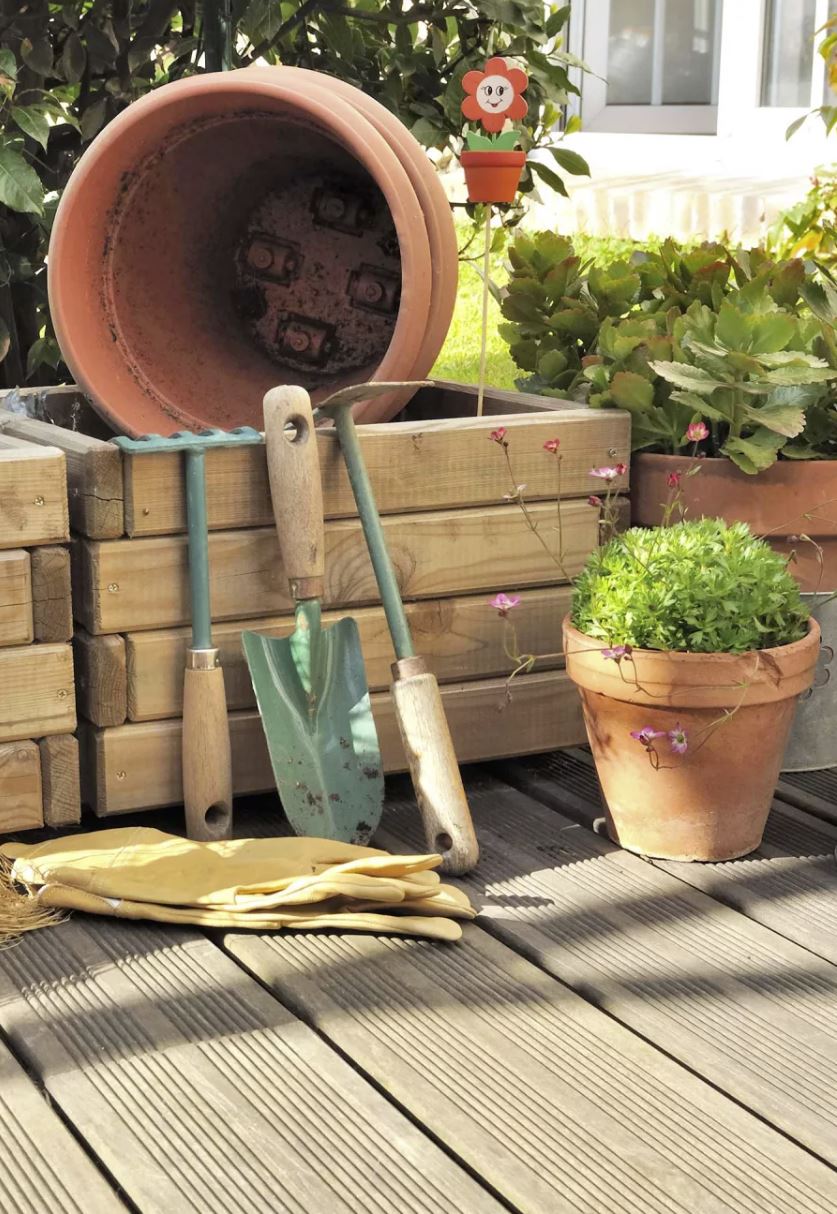
There's a new season on the horizon, and we're all looking forward to the sunnier days it will bring. Preparing a garden for spring means everything will be ready for when it's time to get growing - plus it'll make the space a more relaxing and enjoyable place to spend time in as temperatures warm up.
In this article from Homes and Gardens they give us 5 easy tasks to get our outdoor space ready for the new season.
| | |
|
Green Infrastructure & Pollinators | |
|
Green Infrastructure can Provide Habitat for Pollinators in Our Cities
Greenroofs.com/Environment America
| |
Pollinators - bees, butterflies, moths, wasps, flies, beetles, ants, bats, hummingbirds and others - are a vital component of the planet's ecosystems. Almost 90% of all flowering plants and more than a third of the world's crop species depend on them.
Green infrastructure can take many forms, from the humble street tree to green stormwater infrastructure like the bioswales and rain gardens now used in many cities to manage stormwater runoff and mitigate flooding. Much of this infrastructure can double as a thriving wildlife habitat, and some can be particularly beneficial to pollinators.
While each species has its own specific habitat needs, there are two that are common to all pollinators: an abundance of diverse, flowering native or naturalized plants, and safe places to nest and breed.
| | | |
|
Fewer Moths, More Flies: Complex Relationships between Plants and Pollinators
Phys.org
| |
Their service is invaluable. The army of insects and other animals that pollinates the numerous plants of this earth has an essential function. Without these flower visitors, numerous wild plants could reproduce only poorly—or not at all. Ecosystems would thus no longer be able to function in their current form. More than three quarters of the most important crops depend on pollinators in order to be able to produce a high yield and good quality. A loss of pollinators would therefore also lead to economic losses amounting to billions.
This article discusses how historical datasets and comparable modern studies are helping to better understand the relationship between plants and pollinators.
| | | |
|
Download Availability & Order Form
Prices for liners, number of liners currently in stock, and future availability are listed in PDF and Excel files. You may also use these as order forms. Need details on what the numbers mean? Learn more here.
| |
Join us for the best in grass-related content. | | | | | |