- Plant for Success: Grass Best Practices
- Shades of Sedges
-
Plant Spotlight: Mexican Feather Grass
- Sedge Heads
- Carex Is One of the Best Grass Alternatives for Your Lawn
- The Sustainable Grass Alternative Landscaping Experts Swear By
- 100 Years of Data Identify the Right Time to Regenerate Perennial Grasses
- Ornamental Grasses add Texture and Color to your Garden
- Green Roofs for Native Pollinators Using Grasses
- How NYC is Preparing Its Infrastructure for Extreme Weather
- Cities are Learning to Manage Urban Stormwater the Way Nature Would
- Five Reasons Why We Are Not Separate From Nature and Why It Matters
- Upcoming Events
| |
|
|
|
Plant for Success: Grass Best Practices
Hoffman Nursery Blog
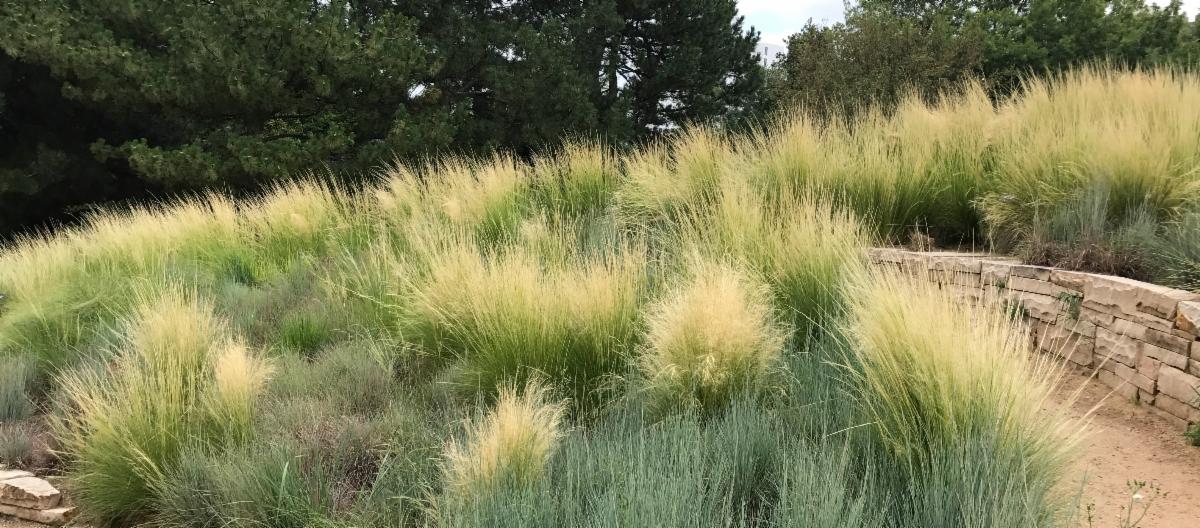
| Grasses complement any space and style. They add texture, movement, color, and year-round interest to the landscape. Whether you are new to the world of grasses or just need a refresher on the grass basics, in this post, we highlight some best practices when it comes to growing, planting, and maintaining your grasses. | | | |
|
|
|
Shades of Sedges
Hoffman Nursery Blog
| When we think of the color of sedges, we often think of a light green but the shades of sedges are much more than that. Sedge grows in blues, silvers, dark greens, golds, browns, oranges, and everything in between. In this post, we have selected various sedges from our collection that have interesting color. | | | |
|
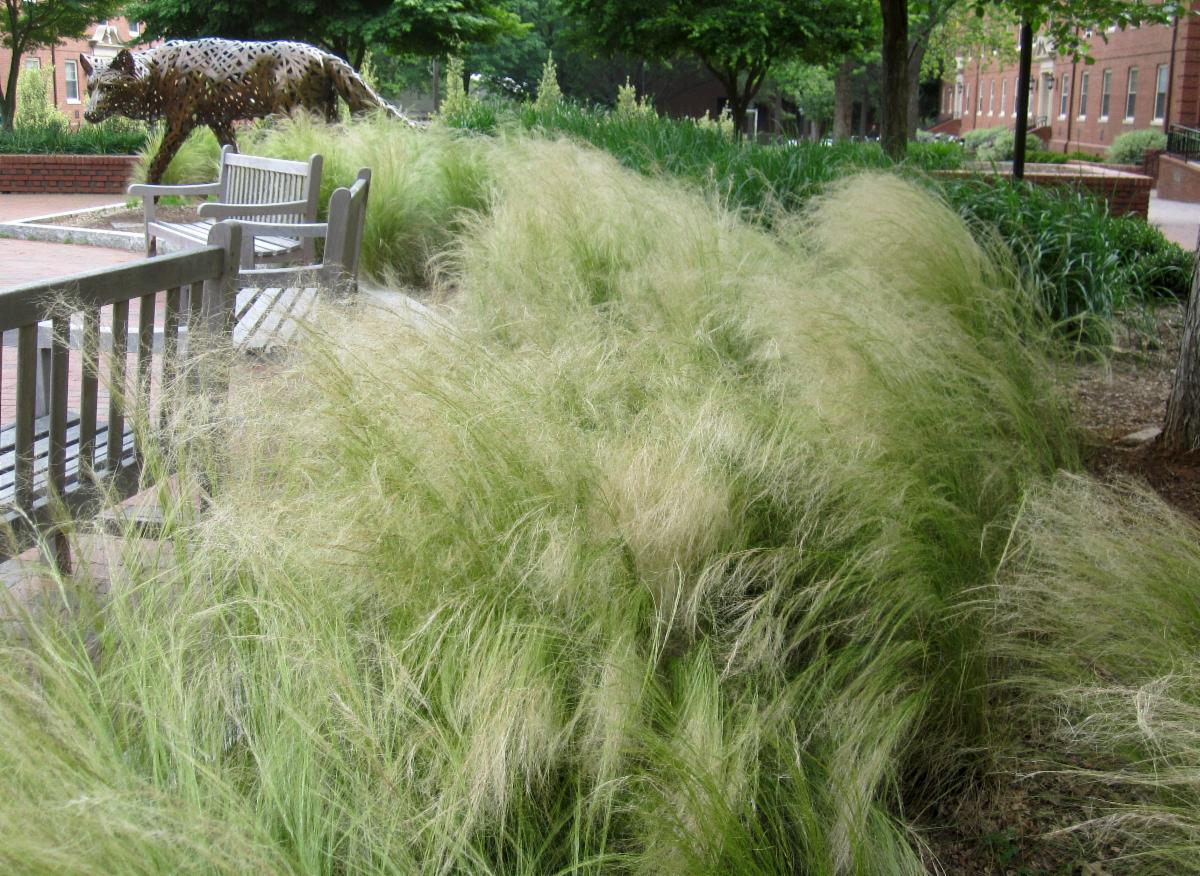
Nassella tenuissima (Mexican Feather Grass) is the most fine-textured grass we grow. With wispy, flowing, lime-green foliage, the slightest breeze will cause it to sway. This cool-season native grass retains its color year-round, although it may brown out somewhat in the heat of the summer. Light, wheat-colored seed heads emerge in May. Self-sowing can occur, so it’s best used in managed landscapes where spreading can be controlled. Mexican Feather Grass requires dry soil and full sun, and it is very drought tolerant.
Great for:
- Containers
- Borders
- Mass Plantings
- Drought Tolerant & Low Water Use Landscapes
- Low Maintenance Landscapes
- Rock Gardens
- Erosion Control
- Green Roofs
| |
|
Sedge Heads
Landscape Architecture Magazine
| The "True" sedges of genus Carex have been showing up everywhere in ornamental landscapes. Designers are seduced by their beauty but see why that's just the start of what sedges provide in the May Edition of Landscape Architecture Magazine. (Subscription Required) | | |
|
Carex Is One of the Best Grass Alternatives for Your Lawn, Say Horticulturalists
Martha Stewart
| Often referred to as sedge, Carex is the sustainable grass alternative taking the landscaping world by storm. The reason why this genus of turf-like and often-native plants is gaining in popularity? A recent trial at Mt. Cuba Center, a botanical garden in Hockessin, Del., evaluated 70 types of Carex and found that most make excellent native lawn replacements thanks to their spreading habits—many can even be mowed just like regular grass. MarthaStewart.com spoke with two garden experts to learn more about Carex, including how to use it to transform your landscape. | | | |
|
The Sustainable Grass Alternative Landscaping Experts Swear By For Your Home Lawn
House Digest
| |
As eco-friendly lawns grow in popularity, horticulturalists are recommending alternatives to grass that require fewer resources and less maintenance. One of these is Carex, a bladed plant that thrives with less water, mowing, and fertilization than normal lawn grass. Carex species are best known for their narrow, green leaves, which resemble grass. They can create a lush, carpet-like appearance and tolerate foot traffic.
See how Carex make excellent lawn alternatives in this article.
| | | |
|
Time is of the Essence: 100 Years of Data Identify the Right Time to Regenerate Perennial Grasses
USDA (Agricultural Research Service)
| |
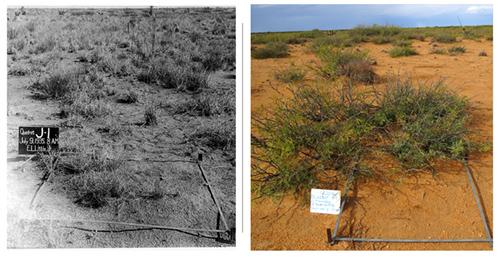
Perennial grasses are economically and biologically important in the Southwest U.S. region, but the abundance of these plants can change dramatically over time. There is concern that declines in grasses are becoming more common. Why grass cover changes, however, is poorly understood.
In this article see how Scientists at the ARS's Jornada Experimental Range and Army Research Laboratory in N.M. used 100 years of measurements of perennial grass growth from their Long-Term Agroecosystem Research site to identify how climate controls abrupt changes in grass cover. The study showed that both periods of extreme loss and recovery have occurred.
| | | |
|
Ornamental Grasses add Texture and Color to your Garden
Happy Sprout
| |
Although there are countless varieties of grass, so many of them look the same. It can be difficult to find grass that really stands out in your garden. That's where ornamental grasses come in. Ornamental grasses like pink muhly grass, purple fountain grass, and switchgrass can add color and texture to your garden borders just like flowers would.
In this article Happy Sprout spotlights a few of their favorite grasses and how to use and care for them.
| | | |
|
Green Roofs for Native Pollinators using Grasses
Living Architecture Monitor
| Grasses and pollinators go together like summer and hot weather. However, one might not intuitively think that grasses attract pollinators because most grasses lack the bold floral display of wildflowers. Although all grasses flower, many native grasses have small flowers that look like seeds, and many are quite beautiful. Learn more about the connection between grasses and pollinators in this article. | | | |
Going with Green Infrastructure | |
|
How NYC is Preparing Its Infrastructure for Extreme Weather
Smart Cities Dive
| In this article from Smart Cities Dive, Thu-Loan Dinh, who helps lead infrastructure design for the city's Department of Design and Construction, talks about the city’s biggest resilience needs, and how engineers should be preparing for extreme weather, and green infrastructure trends. | | | |
|
Cities are Learning to Manage Urban Stormwater the Way Nature Would
Governing.com
| |
Plants, trees and streams may welcome rainfall into their homes, but humans not so much. In the urban areas where 8 out of 10 Americans live, impervious surfaces — rooftops, roads, sidewalks, parking lots — are built above and below to keep water out. By some estimates, impervious materials cover more than a quarter of all urban land in the U.S. Coverage can vary greatly from city to city; one study of 20 metropolitan areas found a range from about 18 percent to more than 60 percent. Parking lots alone cover more than 5 percent of developed land in the lower 48 states. This kind of development disrupts natural stormwater storage and discharge systems.
The Green Infrastructure Leadership Exchange, a nonprofit association of local government professionals responsible for stormwater management, recently published a report on the state of public-sector green stormwater infrastructure (GSI). It offers an unprecedented look at implementation, best practices, investment trends and drivers for increasing the use of GSI in stormwater management.
| | | |
|
Five Reasons Why We Are Not Separate From Nature and Why It Matters
Living Architecture Monitor
| If you think you are not part of the natural world, allow Steven Peck, Founder of Green Roofs of Healthy Cities, to try to convince you that this is not the case. What we believe about our place in nature, largely determines how we perceive, value, shape and interact with it. | | | |
|
Download Availability & Order Form
Prices for liners, number of liners currently in stock, and future availability are listed in PDF and Excel files. You may also use these as order forms. Need details on what the numbers mean? Learn more here.
| |
Join us for the best in grass-related content. | | | | | |