|
Osher Center for Integrative Health
November 2026
| | Health Is Something We Build Together | | |
As we move into November, and the season of gratitude is upon us, I find myself thinking about the many ways our health is shaped by the communities around us. We often approach health as a personal responsibility—a collection of choices about what we eat, how we move, how we sleep, and how we manage stress. These choices matter, of course, but they are only part of the story.
Our well-being is also influenced by the relationships we nurture, the communities we belong to, the environments in which we live and work, and the opportunities we have to feel supported and understood. A conversation that makes us feel less alone, a shared meal (Thanksgiving or otherwise), a walk with a friend, or a community that welcomes us can all become meaningful parts of a life well lived.
We cannot fully understand health by looking at any one part of a person in isolation. Physical health, emotional well-being, social connection, and our surrounding environment are deeply intertwined. This reinforces that advancing integrative health is a communal effort—one that depends on the curiosity, expertise, and commitment of many people working toward a shared goal.
Here’s what’s happening at Osher this month:
-
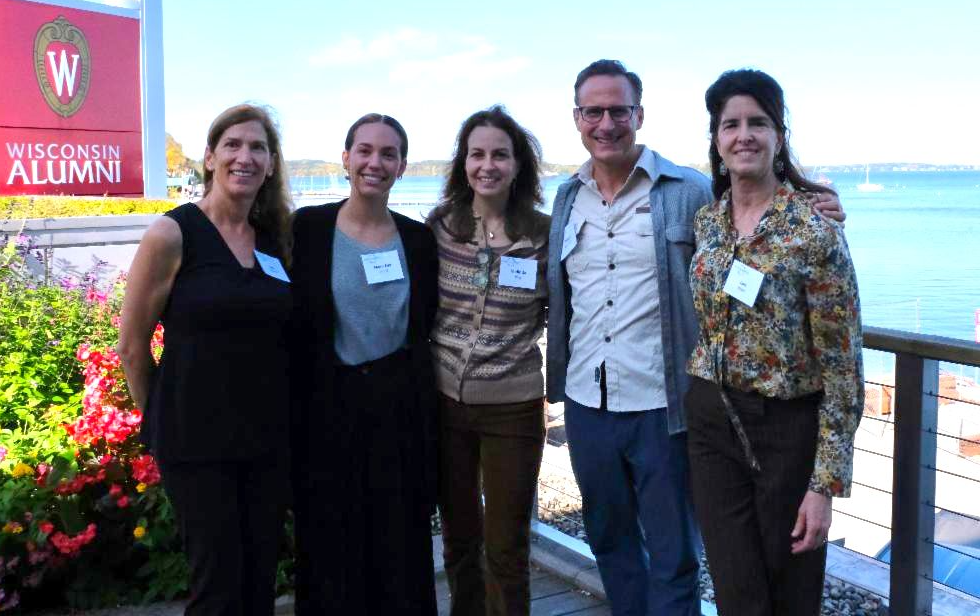
Osher Collaborative Annual Meeting: Our team and leaders from all 11 centers of the Osher Collaborative gathered in Madison to share ideas, strengthen partnerships, and advance integrative health.
-
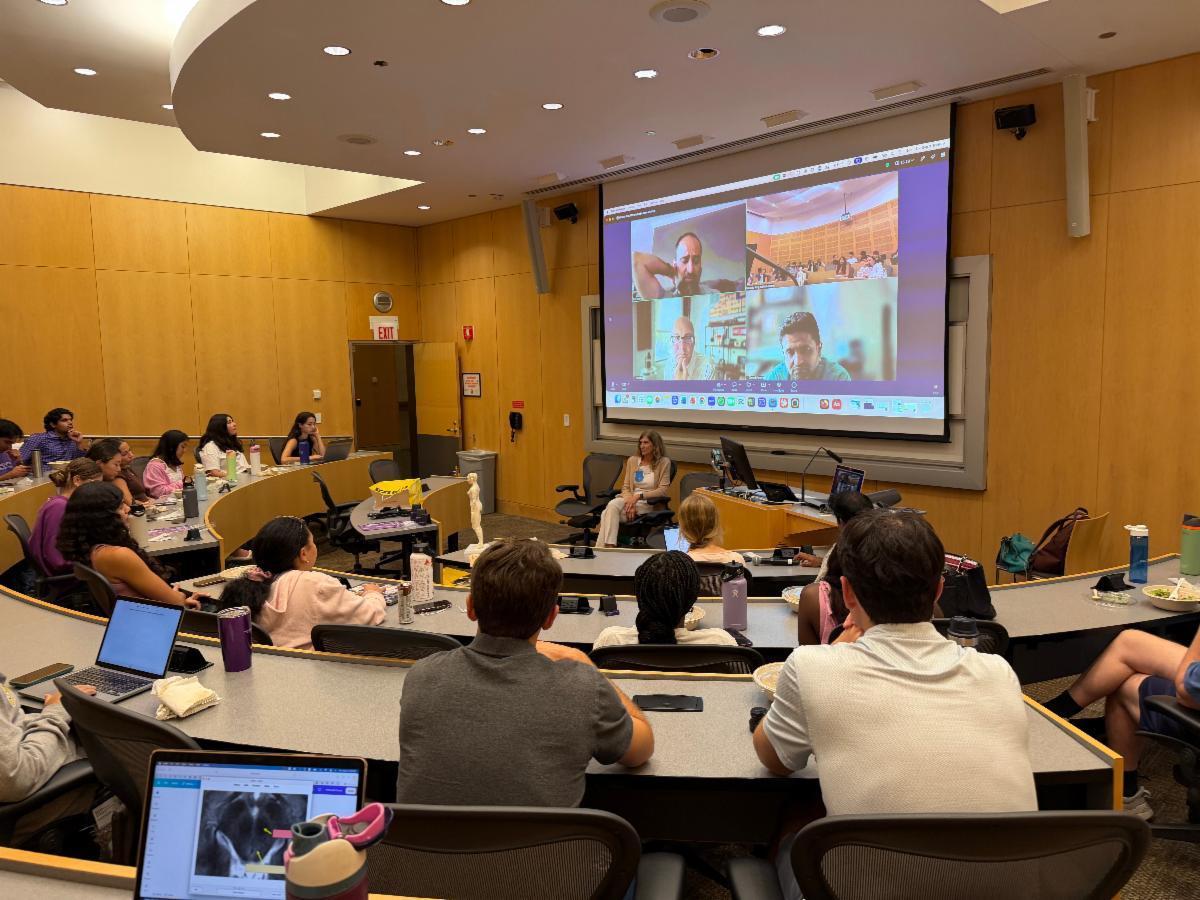
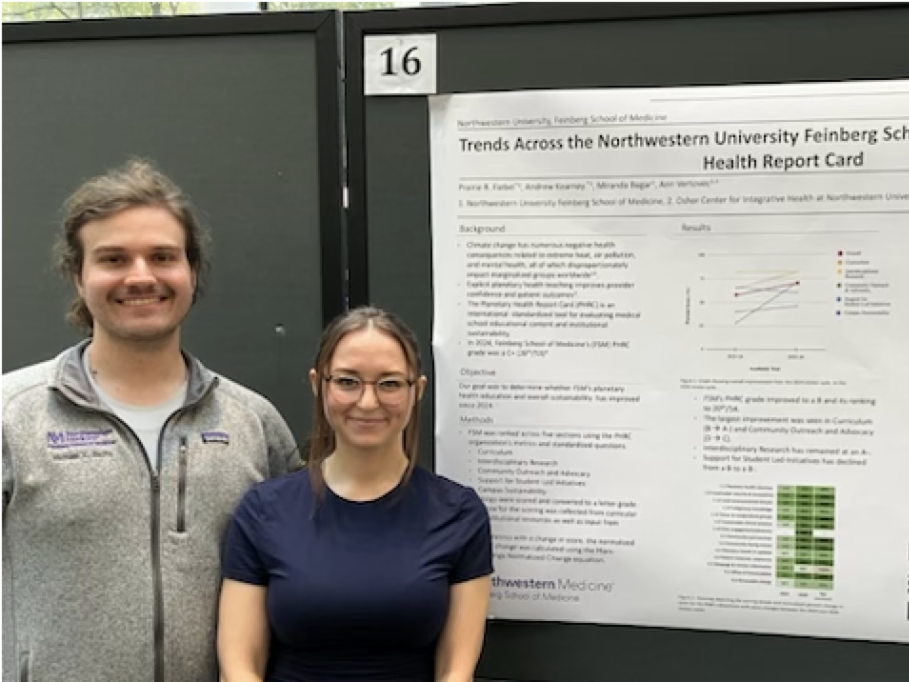
Medical Student Opportunities & Planetary Health: Explore upcoming opportunities for medical students and learn how our students are leading the way in sustainability through the Planetary Health Report Card.
-
Next Level Health Podcast: This month, we welcome two incredible guests, Dr. Kelly Casperson and Dr. Kara Wada, for thoughtful conversations about women's hormone and sexual health, and living with an autoimmune disease.
-
Osher Grand Rounds | November 12: Join us for a session on salutogenesis with Dr. Darshan Mehta.
-
Annual Osher Symposium | November 13: Registration is open for this year’s virtual symposium focused on women’s health and longevity. The event is free and open to all, and we hope you’ll join us for this important conversation.
I invite you to consider connection not as an added responsibility on an already full calendar, but as an essential part of well-being. Where do you find a sense of belonging? Which relationships help you feel grounded? And how might a small act of connection make a difference in someone else’s day?
The answers may look different for each of us. What matters is recognizing that health is not something we build alone.
| | |
In gratitude and community,
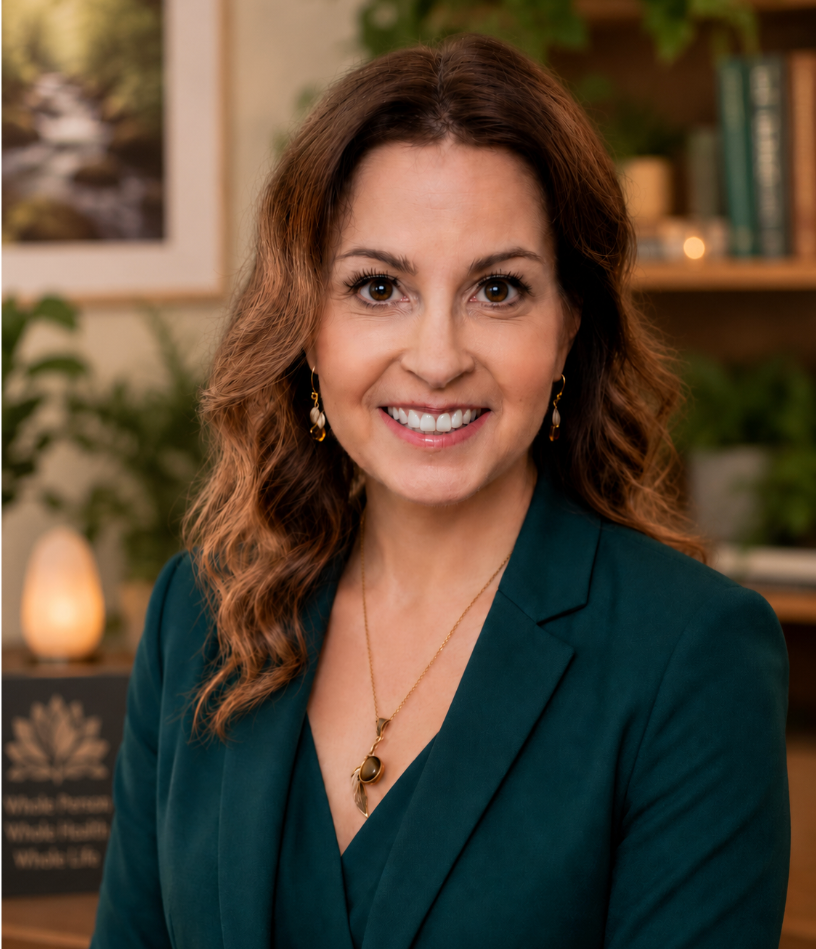
Melinda Ring, MD
Tina Trott Professor of Integrative Health
Executive Director, Osher Center
www.drmelindaring.com
| | WHAT'S HAPPENING AT OSHER | |
Strengthening Community: 2026 Osher Collaborative Annual Meeting
Osher Northwestern was proud to attend the 2026 Osher Collaborative Annual Meeting in Madison, Wisconsin from October 12-14.
Dr. Ann Vertovec, Dr. Mary Ella Wood, Dr. Melinda Ring, Dr. David Victorson and Dr. Lori Walsh (pictured left to right) joined colleagues from all 11 centers across the Osher Collaborative to exchange ideas, share insights, and strengthen partnerships in advancing integrative and planetary health.
Gatherings like these foster meaningful connections, encourage cross-institutional collaboration, and support our shared commitment to transforming health care through whole-person care, innovative research, and education. We are grateful for the opportunity to learn from our colleagues and continue building a healthier future together.
| | |
Osher Collaborative Annual Symposium:
Women's Health and Longevity
What does the science say about women’s health? Find out on 11/13/26!
Hear from leading experts in integrative health and learn evidence-based strategies for prevention, resilience, and well-being.
This free, virtual, day-long event on Friday November 13, will feature lectures, demonstrations, myth-busting, and more, exploring four key areas:
• Foundations of Health
• Hormone Changes Across the Lifespan
• Disparities in Women’s Health
• Chronic Conditions in Women
Come join our community and support your journey to the best you!
| | Osher Education and Programming | |
Integrative and Culinary Medicine Electives
Beginning in February 2027, our two, two-week electives will offer third- and fourth-year medical students evidence-based skills, training and tools to care for the whole person—not just the disease.
Lifestyle & Integrative Medicine Elective
Traditional or Self-Directed Options
The 2-week hybrid rotation in February combines self-paced learning, small-group discussions, clinical experiences, and hands-on exposure to therapies such as acupuncture, massage, and meditation. Students explore mind-body medicine, nutrition, supplements, and self-care skills. We also offer a self-directed option throughout the year that enables students and fellows to participate in the course amid their busy schedules.
Cooking Up Health Elective
Traditional Option
This 2-week hands-on course combines nutrition science and culinary skills to prepare future clinicians to confidently counsel patients on food and health. Students explore food’s impact on chronic disease, practice cooking, discover community nutrition resources, and develop culturally responsive strategies to support behavior change.
Interested students may visit our website for dates and more in-depth information by clicking the link below.
|
Planetary Health Report Card
Osher Advances Planetary Health Through Education and Action
The Osher Center for Integrative Health is advancing the connection between human and planetary health through education, research, and student-led initiatives.
Led by Dr. Ann Vertovec, our Climate Action Student Group recently highlighted student leadership in climate-conscious healthcare through a presentation on the Planetary Health Report Card, an initiative that assesses and promotes sustainability in medical education.
At Lurie Children’s Hospital of Chicago, an exposition on plant-forward eating showcased how food choices can benefit both human health and the environment. Osher is also supporting participation in the inaugural National Clinical Sustainability Challenge (NCSC), empowering healthcare leaders to develop practical, innovative solutions that reduce healthcare’s environmental impact and contribute to a healthier future for all.
|
Osher Grand Rounds
11/12/26: Darshan Mehta, MD, MPH
A Salute to Salutogenesis: How Mind Body Medicine Shapes a New Understanding of Health
Join us as Dr. Darshan Mehta, Medical Director Benson-Henry Institute for Mind Body Medicine at Massachusetts General Hospital Medical and Education Director Osher Center for Integrative Health, Harvard Medical School and Brigham and Women's Hospital Assistant Professor of Medicine and Psychiatry, Harvard Medical School, introduces our Grand Rounds community to the importance of salutogenesis.
Presentation synopsis:
Mind-body medicine offers a practical approach to cultivating health—not simply managing disease.
This presentation explores how mindfulness, breath awareness, and reflective practices support stress regulation and whole-person care through the framework of salutogenesis. It examines how mind-body approaches strengthen sense of coherence by helping people experience life as understandable, manageable, and meaningful.
The session reviews the supporting evidence, distinguishes established findings from proposed mechanisms, and acknowledges methodological and measurement limitations. Clinical examples illustrate how to integrate mind-body practices into strengths-based assessment, collaborative care planning, and supportive healing environments. Digital tools and experiential education are considered pathways to extend access and translate these principles into practice. Finally, practical strategies will be presented for incorporating mind-body medicine into care that supports patient agency, resilience, and health creation.
Learning Objectives
- Differentiate pathogenic and salutogenic approaches to health and explain their complementary roles in whole-person care.
- Describe the three dimensions of sense of coherence—comprehensibility, manageability, and meaningfulness—and their relevance to coping, resilience, and health.
- Critically appraise the evidence connecting sense of coherence and mind-body interventions with health outcomes, distinguishing observational associations from causal effects and recognizing key measurement limitations.
- Apply salutogenic principles to strengths-based assessment and collaborative care planning that incorporates mind-body practices, supportive relationships, and healing environments.
| | |
News You Can Use
What’s New in Integrative Medicine Research—and How to Use It
| |
New Research News: Planetary Health: Small Actions, Lasting Impact
In a recent Science Direct publication, “Planetary Health Pathways for Primary Care Providers: Integrating Whole Health Perspectives,” Osher leader Dr. Ann Vertovec, alongside colleagues from the Osher Collaborative, contributes to an important conversation about integrating planetary health into whole-person care.
The article explores how primary care providers can respond to climate-related health challenges by recognizing the relationship between human well-being and the natural systems that sustain us.
It highlights practical actions and shifts in perspective that can help healthcare professionals support both individual and planetary health, reinforcing the Osher Center’s commitment to a more sustainable, whole-person approach to health and healing.
5 Daily Ways to Support Planetary Health
You don’t have to make sweeping changes to make a difference. Start with these five practical steps:
1. 🥕 Choose more plant-forward meals
Incorporate more beans, lentils, vegetables, fruits and whole grains into your meals. Plant-forward eating can benefit personal health while reducing the environmental footprint of food choices.
2. 🚶 Rethink your daily commute
Walk, bike, use public transportation or carpool when practical. Reducing car trips can lower emissions and support physical activity.
3. 🌳 Make time for nature
Take a walk in a local park, tend a garden or spend time outdoors. Build a connection with the natural world while supporting your well-being and appreciation for healthy ecosystems.
4. ♻️ Reduce waste in everyday life
Carry a reusable water bottle and shopping bag, avoid unnecessary single-use items, and plan meals to reduce food waste. At work, look for opportunities to reduce waste and use resources more efficiently.
5. 📣 Turn awareness into advocacy
Learn how climate change affects health in your community, share credible resources, and support sustainability initiatives at your workplace, school or healthcare organization. Collective action helps turn individual awareness into broader change.
The takeaway: Planetary health is an essential part of whole-person health. By making thoughtful choices in how we eat, move, connect with nature and engage with our communities, we can help create a healthier future for people and the planet.
| | |
Recharge With 20 Minutes of Calming Music
Twenty minutes of restorative music may offer healthcare workers a way to recharge.
Dr. Borna Bonakdarpour, Northwestern neurologist, Feinberg associate professor and Osher Affiliate, led a Northwestern Medicine study examining the effects of calming, improvisatory music on clinician wellbeing.
Among 724 physicians, neurology staff, and Chicago-area social workers, participants reported improved mood and energy after listening to slow melodies interspersed with silence; self-reported energy rose from 56% to 83%.
Developed with music practitioner Clara Takarabe, the intervention offers an approach to workplace stress.
Read the full article by clicking the link below!
| | |
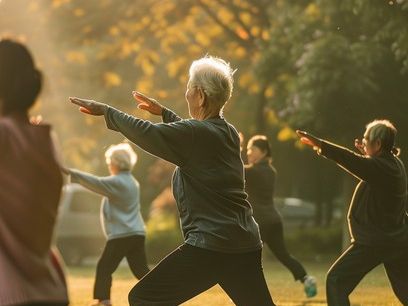
Cancer Survivor Relief Through Tai Chi and Mindfulness
Cancer care doesn’t end when treatment does; mindfulness and movement may help!
Dr. Peter Wayne, director of the Osher Center for Integrative Health at Mass General Brigham, is exploring how mind-body practices can support recovery and quality of life after cancer treatment.
The clinical trial found that both mindfulness-based cancer recovery and tai chi and qigong helped ease fatigue and reduce the impact of pain on daily life. Tai chi and qigong also showed benefits for sleep quality.
The findings reinforce the value of a mindful approach to cancer survivorship and how integrative practices can complement conventional care and help address lingering symptoms.
Read the full clicking the link below!
| | Next Level Health Podcast | | |
Join Dr. Ring this month as she welcomes two powerhouse voices in integrative health.
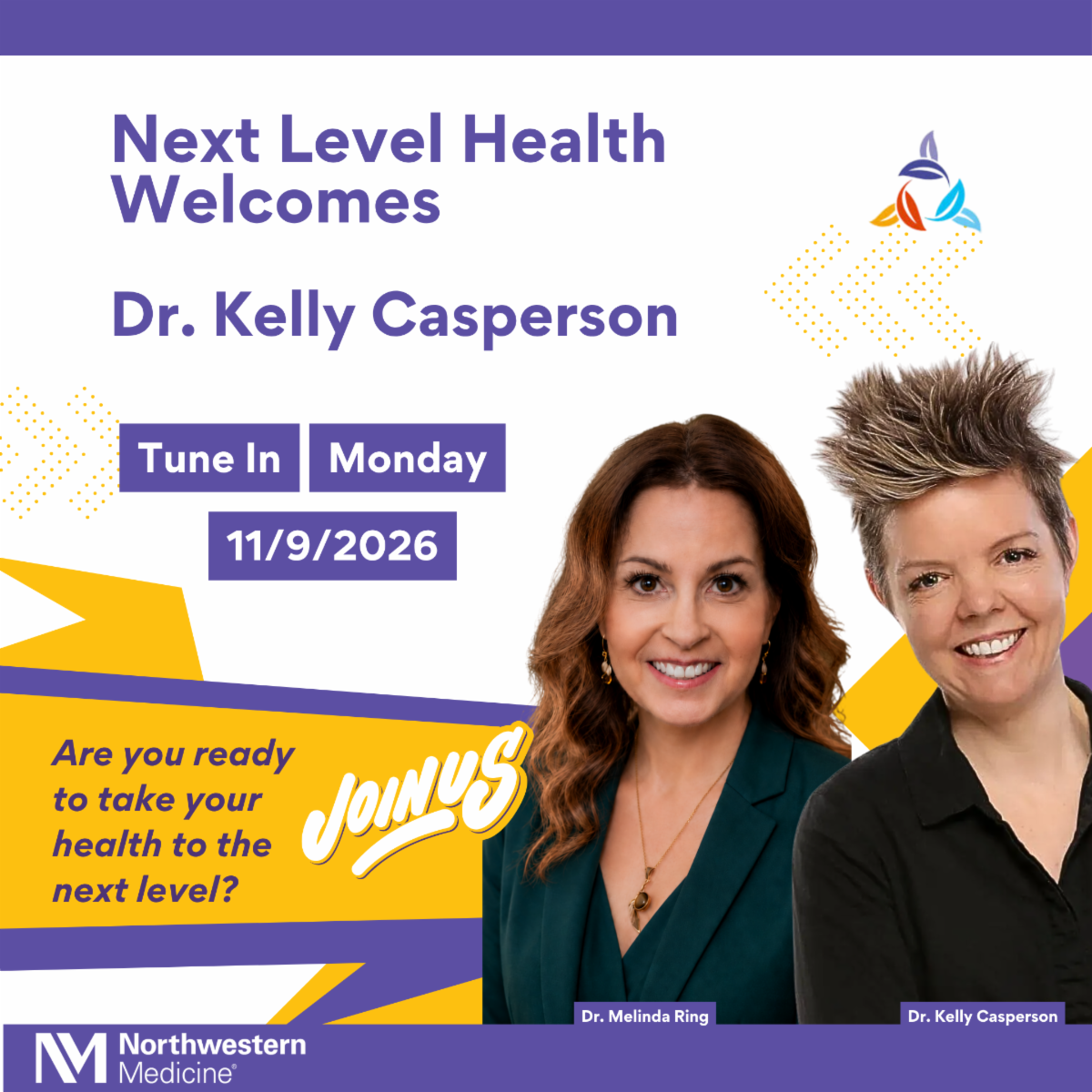
11/9/26: Dr. Kelly Casperson
Board-certified urologist, author, and host of the popular You Are Not Broken podcast, Dr. Kelly Casperson is changing the conversation around women’s sexual health, hormones, menopause, and intimacy.
Known for her candid, frank and engaging approach and a podcast with millions of downloads, she helps break down stigma and empower women with the knowledge to better understand their bodies and advocate for their health. This is one forward thinking conversation you do not want to miss!
| | |
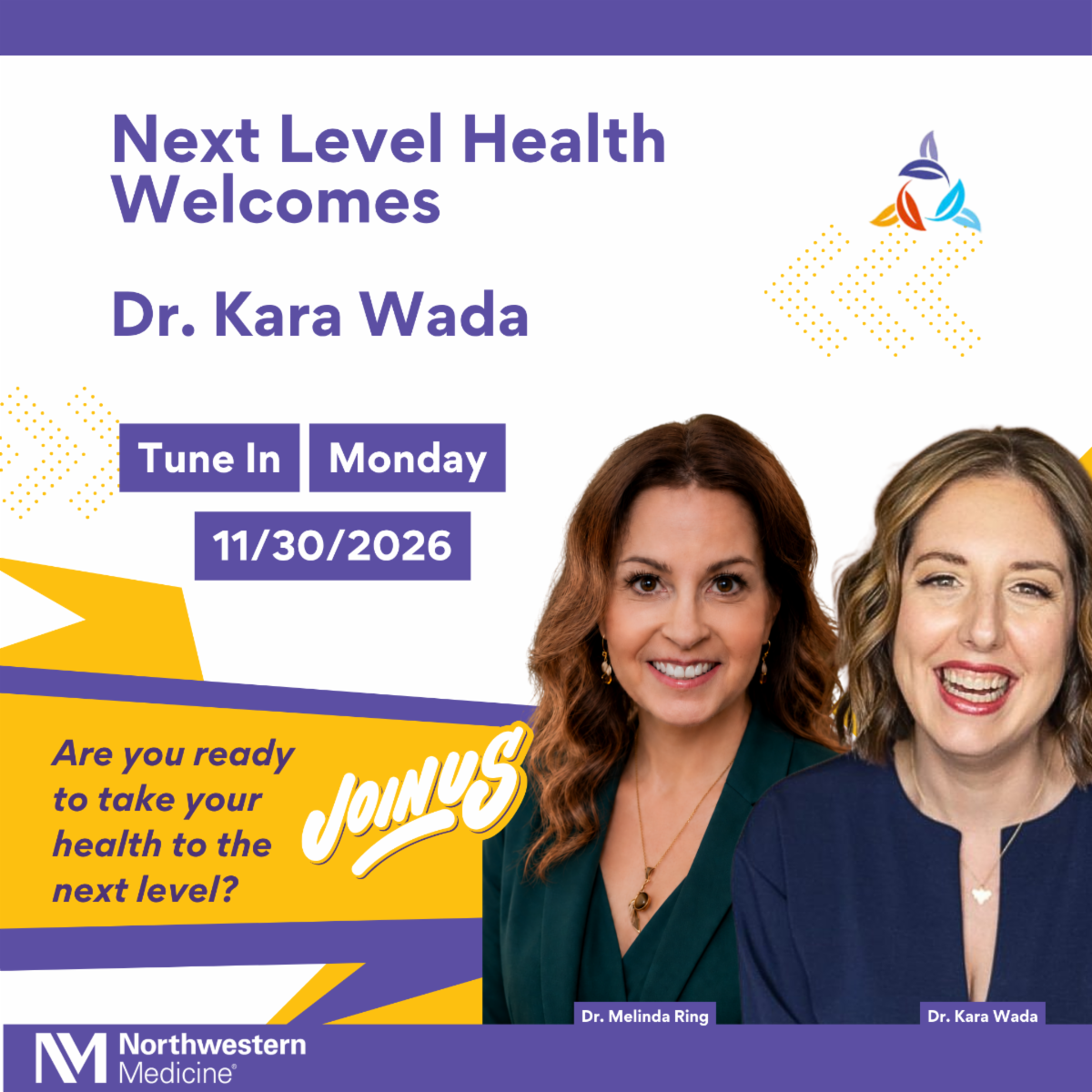
11/30/26: Dr. Kara Wada
Quadruple board-certified allergist and immunologist, lifestyle medicine physician, and host of the Becoming Immune Confident podcast, Dr. Kara Wada brings both medical expertise and personal experience living with an autoimmune condition to the conversation.
Through her work and growing social media presence, she helps audiences better understand allergies, autoimmunity, chronic inflammation, and the realities of living with invisible illness—with science, compassion, and practical insights.
| | Be sure to follow us on Instagram and YouTube so you never miss a new episode, behind-the-scenes content, or special announcements. | |
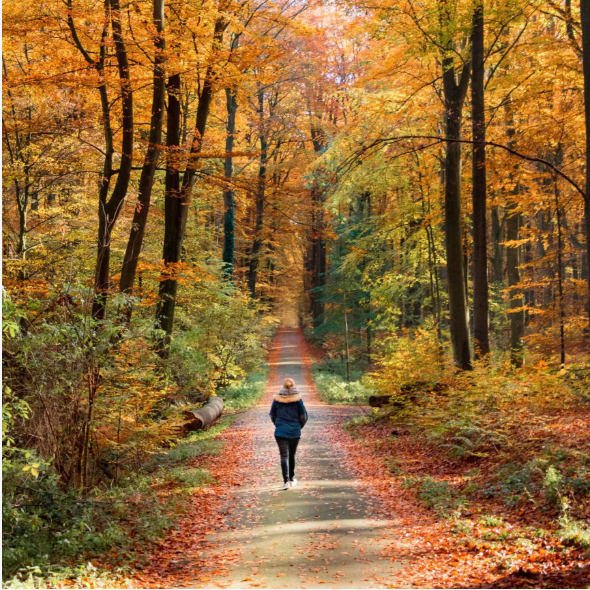
Moments of Mindfulness: A November Nature Walk
A mindful walk offers an opportunity to step away from daily distractions, reconnect with our senses, and become more present in the moment.
1. Listen to the Landscape
As you begin walking, bring your attention to the sounds around you. Notice the crunch of leaves beneath your feet, the rustle of bare branches, or the distant calls of birds. Rather than labeling sounds as pleasant or unpleasant, simply observe them as they come and go.
2. Look with Fresh Eyes
Pause to notice the details of the November landscape. Observe the intricate silhouettes of bare trees against the sky, the textures of fallen leaves, or the subtle colors of the season.
3. Breathe in the Season
Bring your attention to the air as you breathe naturally. Notice its temperature against your skin, the scent of damp earth or fallen leaves, and the sensation of each breath entering and leaving your body. There is no need to change your breathing; simply notice it.
4. Find a Moment of Stillness
When you feel comfortable doing so, pause somewhere safe and allow yourself a moment of quiet. Feel your feet grounded beneath you and notice the movement of your breath. If your thoughts wander to your to-do list or the day ahead, gently guide your attention back to the sights, sounds, and sensations around you.
5. Return with Intention
As you finish your walk, take a moment to reflect: What did you notice when you slowed down? How do you feel compared with when you began? Carry one small observation or moment of calm with you into the rest of your day.
This November, give yourself permission to slow down and let nature remind you that even in a season of change, there is beauty in the present moment.
| | | |
Opportunities, Events, and Recipes
See How You Can Take Part!
| | |
Events & Announcements
Where Perspectives Meet: Building Evidence-Informed Integrative Pediatric Practices
November 4, 2026 · Philadelphia, Pennsylvania
This program focuses on evidence-informed approaches to integrative pediatric practice. It is particularly relevant to clinicians interested in bringing whole-person care into pediatric settings.
Best for: Pediatric clinicians, family medicine practitioners, and integrative health professionals.
Click here for event information and registration
Longevity: The New Frontier
November 6, 2026 · Virtual
This event's focus on longevity will appeal to readers interested in healthy aging, prevention, and emerging approaches to long-term well-being.
Best for: Readers interested in healthy aging and preventive health.
Click here for event information and registration
American College of Lifestyle Medicine Annual Conference (LM2026)
November 8–11, 2026 · Orlando, Florida/Virtual
A leading professional conference focused on evidence-based lifestyle medicine, chronic disease prevention, nutrition, physical activity, and translating research into clinical practice. Virtual attendees can access the conference sessions and earn eligible CME/CE credits. In-person registration is sold out, but online registration is available.
Best for: Clinicians, researchers, health educators, and anyone interested in prevention-focused care.
Click here for event details and virtual registration
Osher Collaborative Grand Rounds
In addition to the Northwestern University Osher Grand Rounds series, our fellow centers in the Osher Collaborative host Integrative Health Grand Rounds, with lectures on a variety of integrative health clinical and research topics.
Can't attend live? Register to receive a recording!
Visit the websites below for updated event information.
| |
Classes, Events & Support Groups
Northwestern Medicine offers a wide range of classes, events and support groups throughout the year - in your local community and online - to help you live a healthier, happier and more informed life.
| |  | |
Seasonal Recipes: Thanksgiving Edition
🍂 Herb Roasted Honeynut Squash with Miso Tahini
Want a stand-out Thanksgiving side that will please everyone at the table? Try this Herb Roasted Honeynut Squash with Miso Tahini Sauce.
🎃 Honeynut squash
Rich in beta-carotene, which the body converts into vitamin A to support healthy vision, immune function, and skin. It also provides vitamin C, potassium, and fiber to support overall health and digestion.
🫒 Extra-virgin olive oil
A source of heart-friendly monounsaturated fats and antioxidant polyphenols. Olive oil can help support cardiovascular health, particularly when used in place of saturated fats.
🤍 Tahini
Provides unsaturated fats, plant-based protein, and minerals such as calcium, iron, and magnesium. These nutrients help support bone health, muscle function, and normal energy metabolism.
🥣 White miso
A fermented soybean paste that adds savory, umami flavor. Fermentation can produce beneficial compounds, although not all miso contains live cultures after processing or cooking. Miso is also relatively high in sodium, so a little goes a long way.
🌱 Fresh rosemary, thyme & sage
These aromatic herbs contain plant compounds with antioxidant properties. They add layers of flavor and fragrance, allowing you to create a delicious dish without relying on heavy sauces or excess salt.
| |
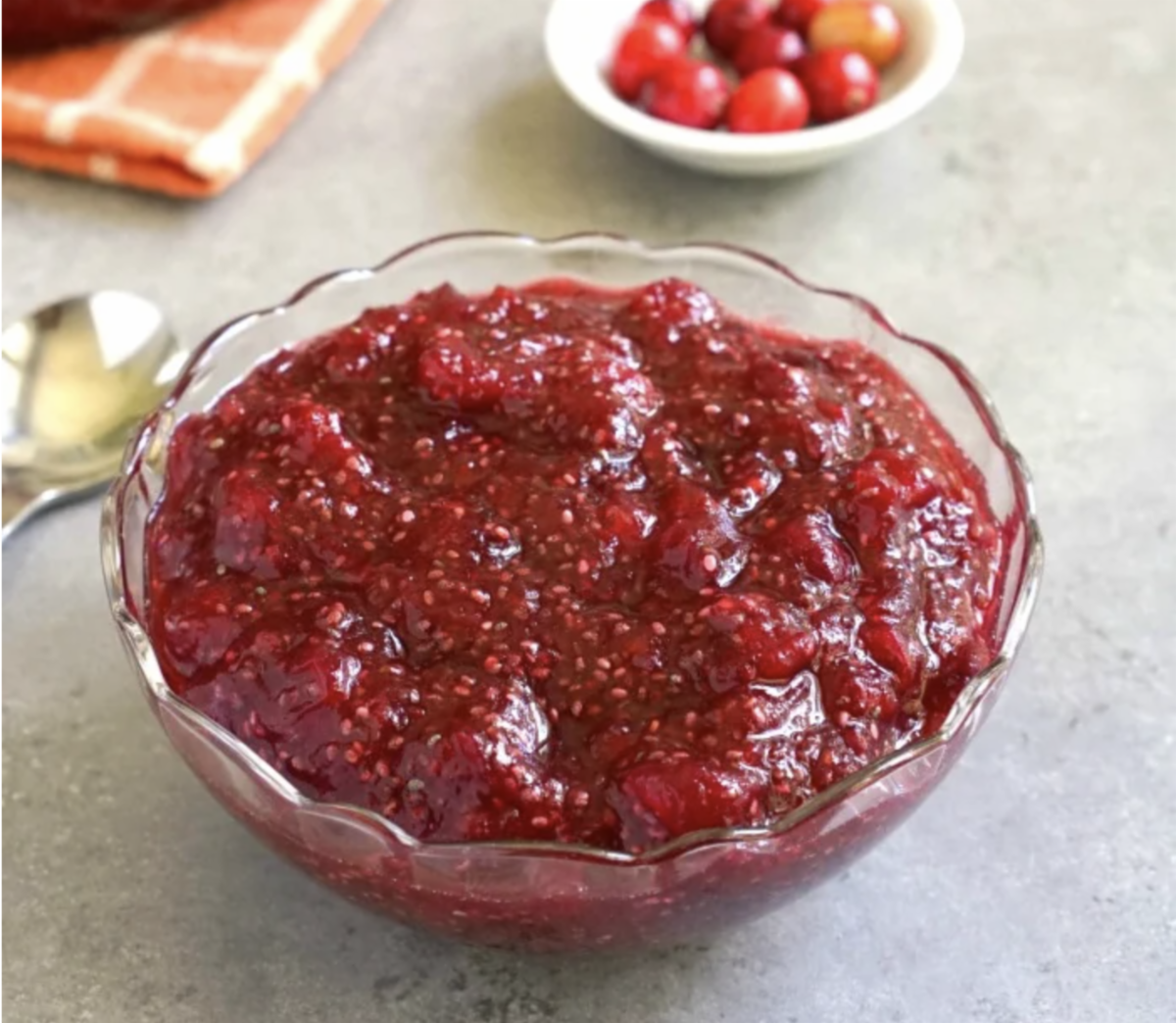
🍂 Chia Cranberry Sauce
Cranberry sauce is such a classic Thanksgiving side, but what if we could make it even healthier? Say less....
This Healthy Cranberry Sauce with Chia Seeds puts a nourishing spin on a holiday favorite with fruit, plant-based omega-3s, and simple ingredients.
🍒 Fresh cranberries
Packed with polyphenols and other antioxidants that help protect cells from oxidative damage. They also provide vitamin C to support immune function and collagen formation, plus fiber for digestive health.
🌱 Chia seeds
Tiny seeds with impressive nutritional benefits! They provide ALA, a plant-based omega-3 fatty acid, along with fiber, minerals, and a little protein. Their soluble fiber absorbs liquid and forms a gel, helping thicken the sauce while supporting digestion, fullness, and healthy cholesterol levels.
🍊 Orange juice
Adds natural citrus sweetness and a bright, fresh flavor. It supplies vitamin C, which supports immune health and helps the body absorb iron from plant foods. It also contributes folate, a B vitamin important for normal cell growth.
🍁 Pure maple syrup
Provides sweetness along with small amounts of minerals and antioxidant plant compounds. Its distinctive flavor complements the tart cranberries beautifully.
| | |
BE PART OF THE WHOLE-PERSON REVOLUTION
Connect with Osher
🎙 PODCAST
Listen to Next Level Health with Dr. Melinda Ring.
📱 SOCIALS
Follow Osher for research, education, clinical insights and community stories.
🤝 COMMUNITY
Join us for events, educational programs, Grand Rounds and opportunities to connect.
💜 IM AWARE ADVISORY COUNCIL
Are you passionate about transforming healthcare and making integrative medicine accessible to all? The Osher Center’s philanthropic advisory council, IM AWARE (Integrative Medicine: Advising With Awareness, Resources, and Education), is always looking for new members to help advance our mission! Interested in learning more? Visit our website here! One of our team members would be happy to share more.
| | |
Osher Center for Integrative Health at Northwestern University | Website
| | | | | |