The Caucus Current


November 2026


The GLLC Elects New Officers

Members Also Take Action on Emerging Contaminants, Great Lakes Fishing, and More


Ohio Sen. Paula Hicks-Hudson and Ontario MPP Jennifer French will lead the Great Lakes-St. Lawrence Legislative Caucus (GLLC) in 2027-28 as the next chair and vice chair, respectively. Sen. Hicks-Hudson comes to the chair position after serving as Ohio’s representative on the GLLC Executive Committee for 2025-26 as well as being an active member of the GLLC Task Force on Nutrient Management. MPP French is the first Canadian to serve in a GLLC officer position and has served as Ontario’s representative on the Executive Committee for four terms.


In addition to the officer positions, members elected representation from each jurisdiction. Illinois Sen. Adrianne Johnson, Minnesota Rep. Mary Franson and Ohio Rep. Elgin Rogers Jr. will join the committee for the first time. Michigan Rep. Morgan Foreman will shift from being an ex-officio member of the Executive Committee to serving as Michigan’s representative. Indiana Rep. David Abbott, New York Sen. Pamela Helming, and Wisconsin Rep. Deb Andraca will continue in their positions for another two-year term. 


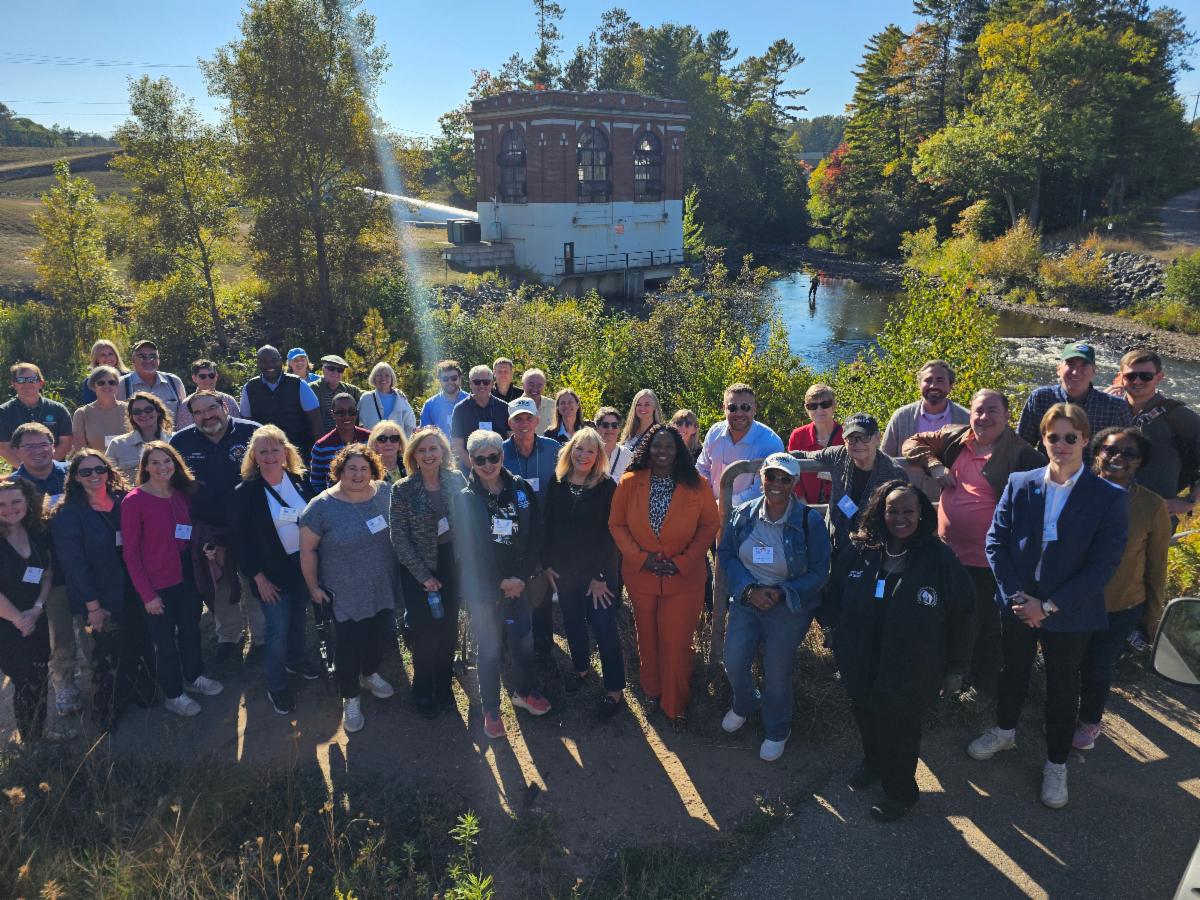
These elections were held in September at the GLLC Annual Meeting in Marquette, Mich. Over the course of the two-day meeting members also passed policy resolutions on Great Lakes lake whitefish rescue and restoration, sulfide-ore copper mining, the importance of the Canada-U.S. partnership in the Great Lakes, and equal treatment of Great Lakes commercial fishing in U.S. federal programs. In addition to passing the resolutions, the GLLC approved a set of policy recommendations, focused on addressing PFAS and plastic pollution in the Great Lakes. During the meeting, caucus members also refined a guide to help legislators prepare their jurisdictions for large, water-intensive, developments, such as data centers.


The GLLC meets in person once a year. It also holds policy-focused institutes for legislators, tracks state/provincial legislation on Great Lakes issues, holds web-based meetings, and gives members the opportunity to propose regional action. The 2027 Annual Meeting will be Sept. 13-14 in Toledo, Ohio.


Membership is free and open to all legislators representing the Great Lakes’ eight U.S. states and two Canadian provinces. If you are interested in getting involved in the caucus, including its work on PFAS, plastics and data centers, please contact Great Lakes program director Jess Lienhardt.


GLLC Continues to Actively Support the Brandon Road Interbasin Project

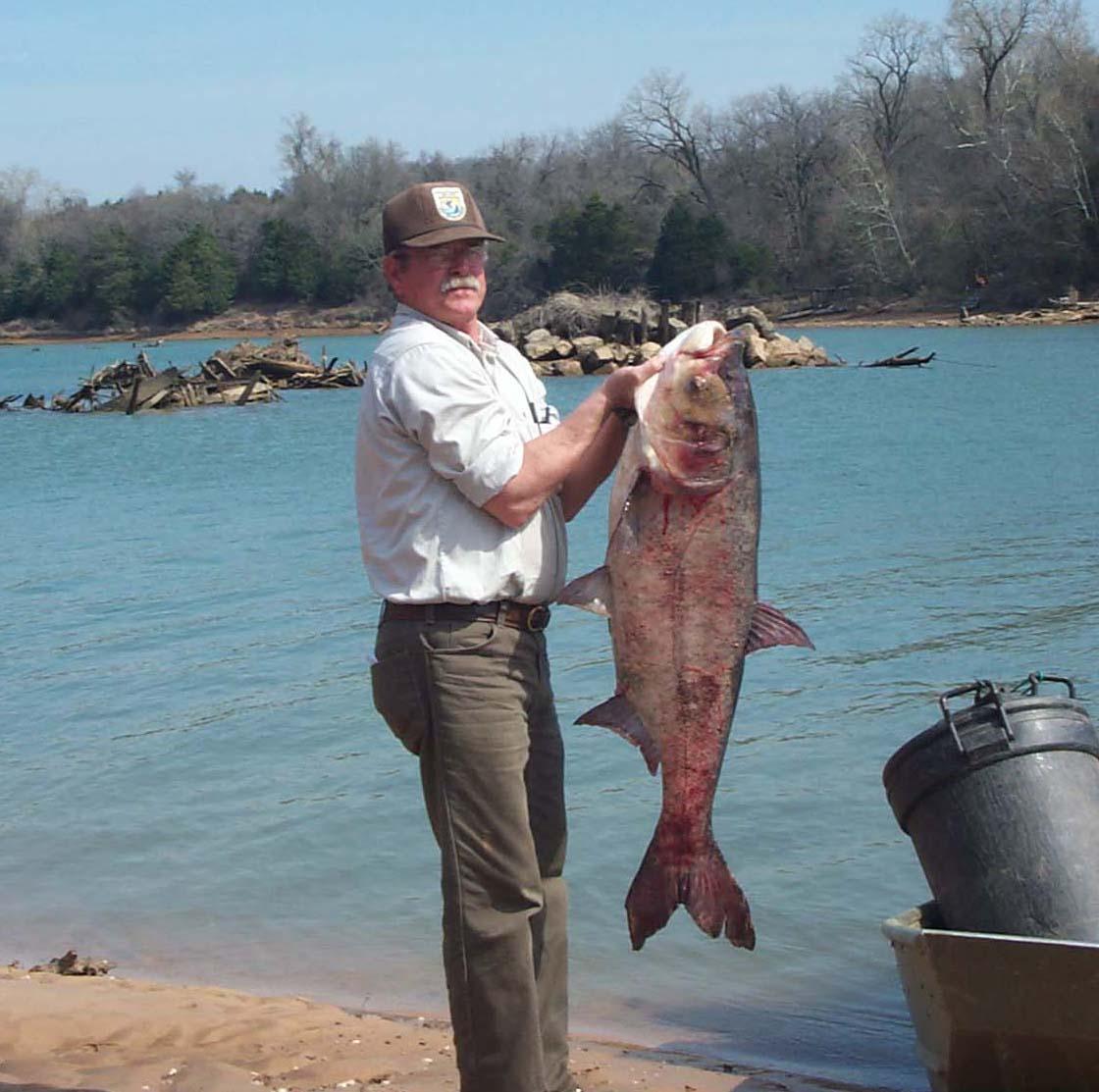
In July, a stop-work order was issued on the Brandon Road Interbasin Project, which would install series of barriers in the Illinois Waterway near Joliet to prevent the spread of invasive carp to the Great Lakes. The project had been progressing through a partnership between the U.S. Army Corps of Engineers (USACE) and the states of Illinois and Michigan. 


The GLLC has long supported this essential infrastructure project through sign-on letters and resolutions. In response to this latest delay, the GLLC officers partnered with the Great Lakes Commission and Great Lakes and St. Lawrence Cities Initiative to send a letter to the USACE to encourage the resumption of work. Work resumed on Sept. 3, 36 days after it stopped. 


Updates from Around the Basin

Plastic Contaminants Legislation in Illinois: According to The Alliance for the Great Lakes, around 22 million pounds of plastic pollute the Great Lakes every year. In August, Illinois HB 4418, which was introduced in the House by GLLC member Rep. Joyce Mason and co-sponsored in the Senate by the GLLC's chair, Sen. Laura Fine, was signed into law. The new law classifies plastic pellets, often called "nurdels," as a pollutant. HB 4418 requires the State Environmental Protection Agency to enact stormwater pollution controls to ensure that producers are responsible for keeping these plastics out of the Great Lakes. This legislation will help cut down on plastic pollution in the Great Lakes and the Illinois waterways that flow into them— 100 percent of these waterways have been polluted by microplastics.


Flint Lead Water Line Replacement: In August, the State of Michigan and the City of Flint announced that all the known lead water lines in Flint have been replaced. Around 11,600 lead water lines have been replaced over the course of the $140 million project. In addition, the city has been below federal and state actionable levels for copper and lead for over 10 years, with 90% of the water tested in the city at or less than 3 parts per billion. 


Nipigon Bay Delisted as Area of Concern by Canadian Government: In August, the Government of Canada announced that Nipigon Bay had been delisted as an Area of Concern (AOC). Nipigon Bay, located on the northern shores of Lake Superior, was classified as an AOC in 1987 due to contamination from paper mills and logging operations.


Areas of Concern on the Great Lakes are designated by Canada and the United State under the binational Great Lakes Water Quality Agreement. They are areas where "significant impairment of beneficial uses has occurred as a result of human activities." The Great Lakes had 43 AOCs at the start of the agreement in 1987: 12 in Canada and 26 in the United States, along with five shared binational AOCs. To date, 12 AOCs have been delisted. The delisting of the Nipigon Bay signals that the water quality has improved, the fish population has begun to recover, and habitats for fish have improved. Working jointly, the federal and provincial governments, along with Indigenous and local communities, have spent almost 40 years working toward this milestone. 


Great Lakes State and Provincial Legislative Tracker

Take a look at the searchable, sortable GLLC State and Provincial Legislative Tracker for the latest legislative activity.


Upcoming GLLC and CSG Events


Webinar: Cross-Border Commitment Series Part 2: Advancing a Sustainable and Competitive Regional Economy


Nov. 20, 11:00 AM CT

Zoom


About the GLLC

The Great Lakes-St. Lawrence Legislative Caucus (GLLC) is a binational, nonpartisan organization that exists solely for the purpose of engaging state and provincial legislators in the policymaking process related to the Great Lakes and St. Lawrence River. Secretariat services and staff support are provided by The Council of State Governments' Midwestern Office. Financial support is provided in part by The Joyce Foundation, the Charles Stewart Mott Foundation and the Wege Family Foundation.


For more information about the caucus, visit the GLLC website or email gllc@csg.org.

X