|
What is a first edition, and why are they important? This is a constant question in the bookselling world, and unfortunately there is a lot of misinformation out there with regard to the definition of a first edition, in large part because certain terms are used interchangeably or equivocally, leading to a lot of confusion. So, to better understand what booksellers mean when they state something is a first edition, let's define a few terms:
First edition - The original version of a work. An edition refers to a version of a text, and revisions or additions made after this edition exists will most likely be new editions. Most printed works only ever have one edition, because the text remains the same. For classic novels that go through numerous editions and develop a collectorship, though, the first editions are prized because they represent the moment in history when that influential work became available. They are, in a way, literary time capsules that celebrate that moment.
First printing - The first production run of an edition. For example, if Houghton Mifflin decides to print 1000 copies of a work by a new author, the first printing of the first edition will include 1000 copies. Once those have sold, the publisher will either discontinue the book (i.e., it will go out of print), or an additional printing will be ordered. That second printing will be a second printing of the first edition. So already we have one point of possible confusion, which I'll discuss further below.
First state - Sometimes, a publisher will notice during the production of a printing that there are typos or other errors in the text or formatting, and halt the printing to correct it. This can result in books that are from the same printing, but slightly different when comparing minor details (these details are called 'points'). Mark Twain's works are notorious for having not only multiple states, but mixed states, meaning there are versions with all sorts of combinations of points. The reasons for this are a bit complicated for our purposes here, but sufficed to say, states introduce yet another layer of complexity to propertly identifying the edition/printing of books.
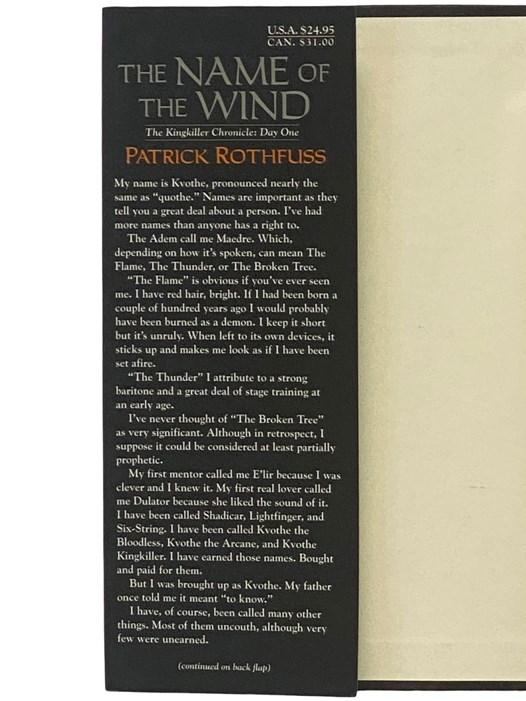
When a bookseller or collector says they have or want a first edition of a particular book, what they mean is the first printing of that first edition and, if multiple states of the first printing exist, the first state. If different jackets were produced, they want the earliest example of the jacket whenever possible. Jackets have printings and states, too, and because they are printed separately from the books and then paired up when the printing process is completed, it is not uncommon to see first printings of books with later printings/states of the dust jacket (especially since it's easy enough to just swap them from book to book, though this practice is generally frowned upon). Some works even have multiple jacket designs that are considered first states, because they were issued simultaneously, such as Patrick Rothfuss's The Name of the Wind. Click here to see what we mean.
After reading all of this, many of you will probably think of all the times you've seen online dealers use terms like 'first book club edition' or 'first edition, 9th printing' or 'first edition of the 50th anniversary reissue.' Let me be the first to acknowledge, these terms are used incorrectly with upsetting frequency, and to warn you against purchasing from sellers who can't seem to adequately describe what they have and why. The difference in value between a true first edition (how dealers often describe a real first edition to differentiate it from the sea of reprints, facsimile replicas, etc.) and later versions of the same work can be enormous, so it pays to know your terminology, at least enough to ascertain whether you are dealing with someone who knows theirs. It also pays to learn how sellers use this terminology. When we call one of our books a 'first edition,' we mean the first printing of the first edition, unless we very specifically describe otherwise, but every seller is different, and some are more trustworthy and knowledgeable than others. Be wary of anyone who is unwilling to admit that they don't know everything!
So, now that we know what terms to look for and how to interpret them, how can we apply them when assessing the edition of a particular book? One of my favorite resources is Bill McBride's A Pocket Guide to the Identification of First Editions. It's currently in its seventh edition, and details the habits nearly 6000 publishers have used to denote first editions. It also provides a useful introduction with general pointers on using the guide, and some tips on differentiating first editions from book club editions. This and Points of Issue by the same author are a great start to a reference library. We keep both in stock, and you can read more about them here.
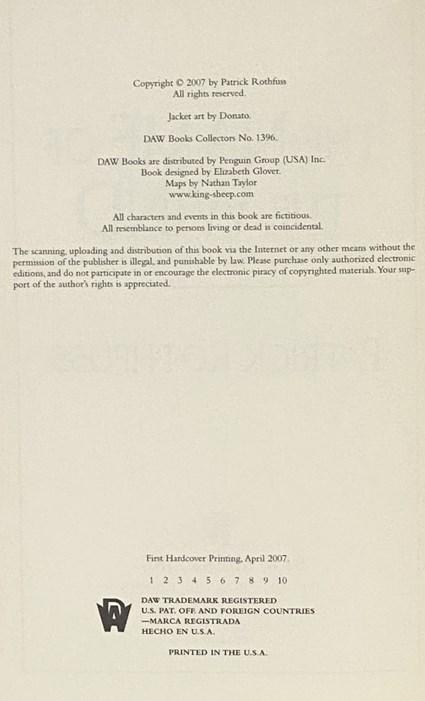
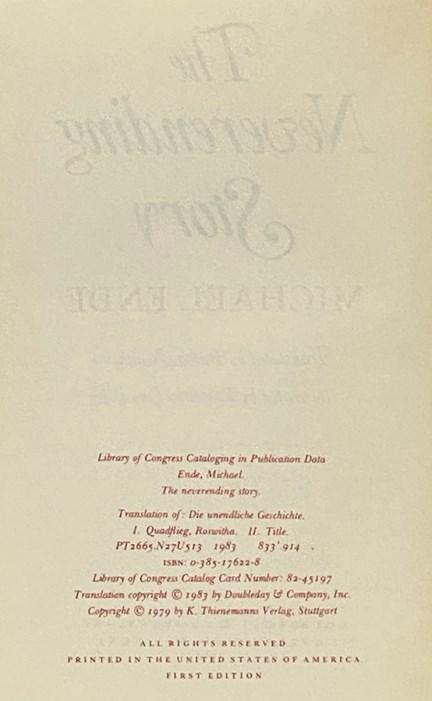
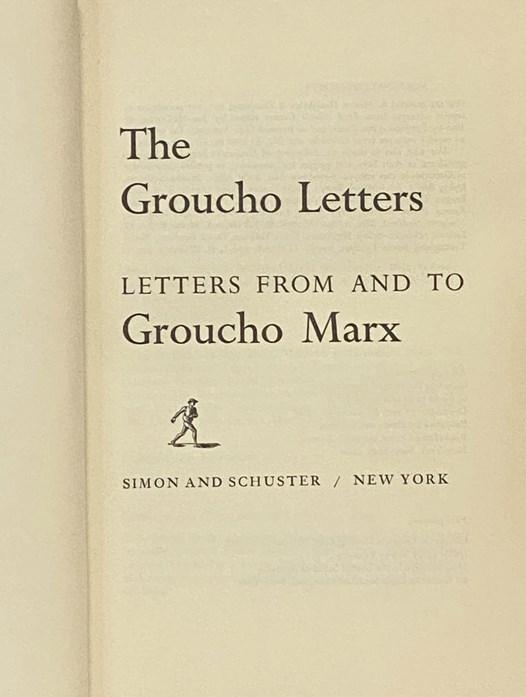
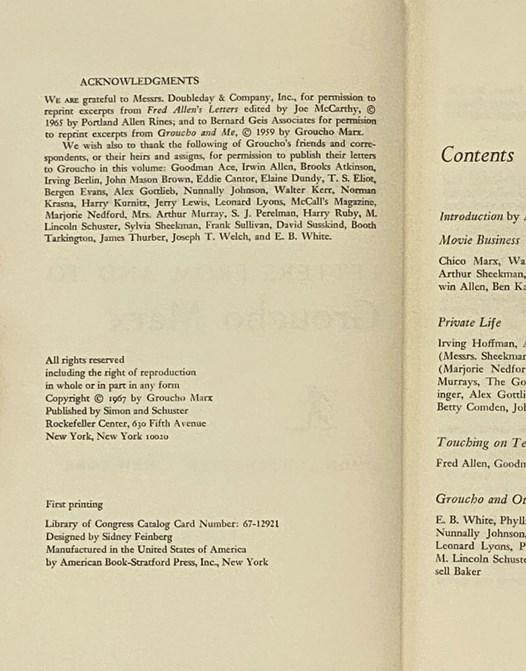
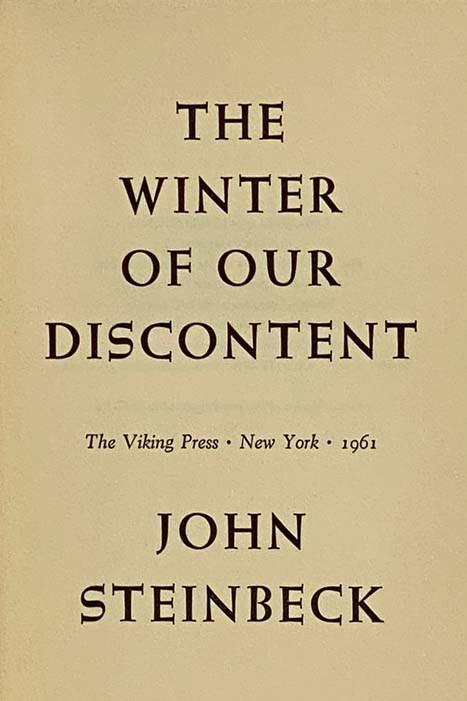
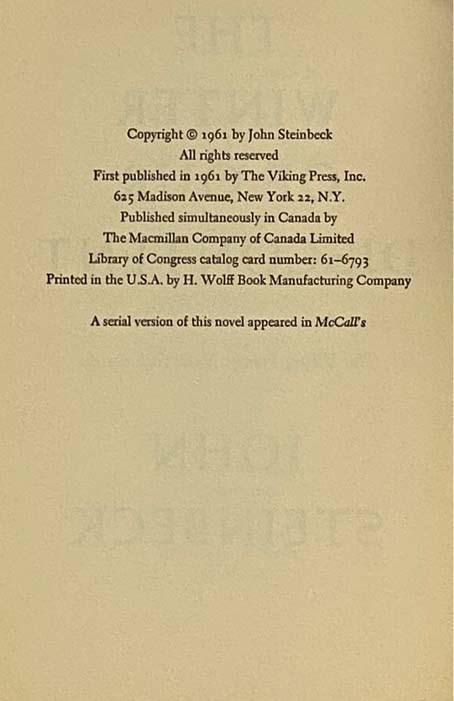
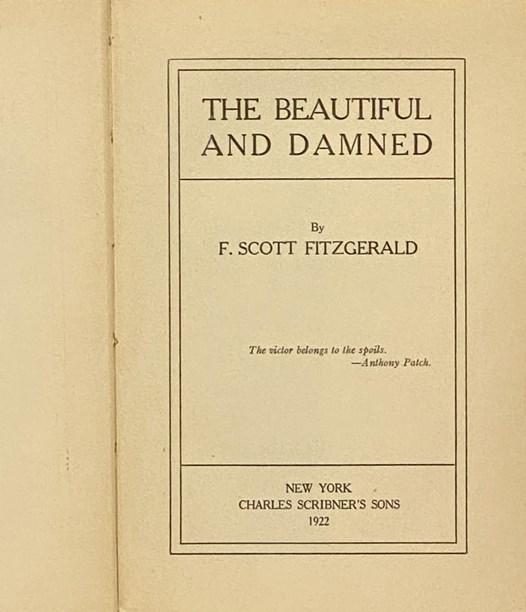
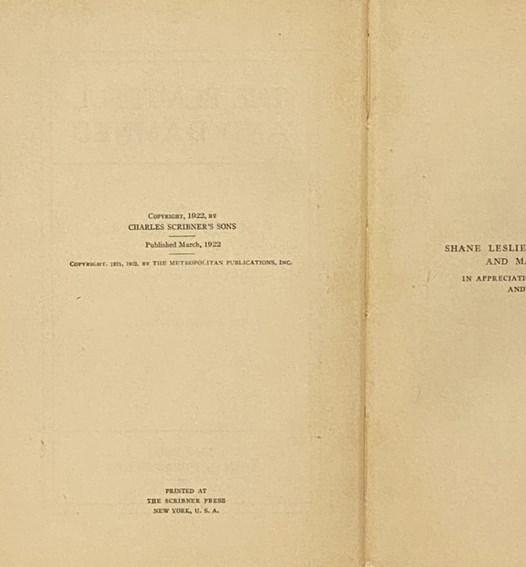
The most useful sources of the data you need when using this guide or others are the title page and copyright page. These are generally the spots to look for references to subsequent editions and printings. As a general rule, we are looking for clues of this sort that will either confirm the book is a first edition, or call that into question. Obviously if the book references later printings, it is not a first printing of the first edition. Some clues are not quite as obvious as that, though. For instance, the copyright date is not always the date the book was printed, and sometimes even the publisher listed on the copyright page isn't the actual publisher! This is because reprint publishers often purchased the printing plates from the original publisher, modified the title page, covers, and jacket, and left everything else the same to reduce their production costs (Grosset & Dunlap is a common example). Sometimes the copyright page will state 'First Edition,' and/or include a number line (McBride's guide gives examples of a few common configurations of these). Usually these number lines include a 1 if they are the first printing (though Random House is a notable exception). In a few unusual cases, this number line appears separately towards the back of the book. You will also want to check for a price on the dust jacket. If there isn't one, check to make sure it isn't a book club edition. These are usually more cheaply produced than trade editions (e.g., black paper over boards instead of cloth; lower quality paper; etc.), and often a slightly smaller size. If the front flap of the jacket does not have a price, or if it states Book Club Edition on the corner, it is not a first edition.
Make sure not to do what many beginners do, which is to let hope get in the way. If there is any indication that what you have in front of you is not a first edition, believe that evidence, because chances are it is correct. At the very least, get a second opinion. After all, the reason genuine first editions are valuable is because most copies of the book are not first editions, and even fewer of these are copies in good enough condition to be considered collectible. Some titles are trickier than others, and for some you will find a lot more misinformation floating about. If you hit a wall and cannot identify something with certainty, contact your local bookseller, or an ABAA or IOBA affiliated dealer to assist you in determining what you have.
Alright, admittedly that was a lot, and at the same time it is not nearly everything. Luckily, these strategies for locating clues are a large portion of what you will need, and as with anything that involves this level of nuance, to some extent you will learn as you go, especially if you take the time to chat with booksellers and other collectors as you build your personal collection. Below are a few helpful images from our current inventory that provide some examples of common denotations for first editions. A good spot to browse for more examples, as well as descriptions that might shed some light on these nuances, is our Modern First Editions section.
|