Green leaf saying Greener Davis on left side. Text on light green background in center saying City of Davis Public Works Utilities and Operations Environmental Resources. Working together for a Greener Davis.

Water News Special Edition

June 2026


View as Webpage

The Annual Water Quality Report is Here!


Do you have questions about water quality in Davis? The City has answers! The 2025 Water Quality Report is now available online. The City is pleased to report that in 2025, as in past years, the City’s water supply did not have any violations of the maximum contaminant levels for water quality.


The U.S. Safe Drinking Water Act requires all community water systems to report annually on any regulated contaminants that were detected in the drinking water supply and provide this information to their water customers. The Annual Water Quality Report covers water quality data from January 1, 2025, through December 31, 2025. The report was posted to the City’s website in early June 2026 and customers will receive notice of the report in their June City utility bills.


In addition to listing the various minerals and other elements (that are known collectively as “constituents”) that were detected in the City’s drinking water, the report also contains mandatory reporting on topics such as the sources of drinking water and how it is treated, potential sources of constituents and other related educational information. The report also contains information on water conservation and tips on understanding your water usage on the City utility bill.


Customers can contact the City of Davis Water Division at Water@CityofDavis.org or call the Public Works Utilities and Operations Department at 530-757-5686 to request an electronic (PDF) or paper copy of the report.

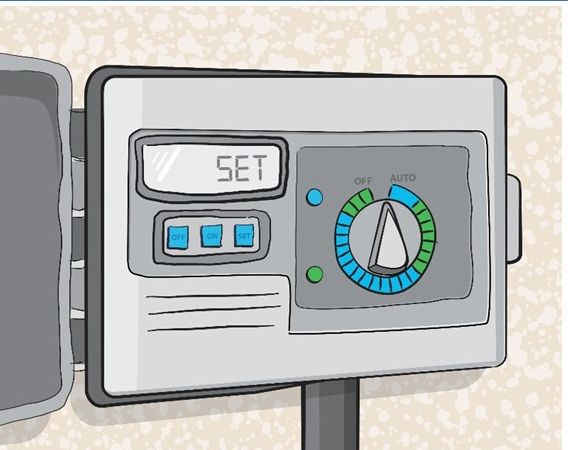
grey irrigation controller on tan wall

City of Davis Water-Use Restrictions


The weather in California is highly variable with prolonged dry periods and intervals of significant precipitation. Keeping this in mind, the City has permanent mandatory water-use restrictions in place to conserve water year-round no matter the weather. View the Conserve Water Rain or Shine PDF


Landscape Watering Restrictions:

  • Sprinkler irrigation is limited to a maximum of three days per week.
  • Sprinklers may not cause more than incidental runoff.
  • No watering between 9 a.m. and 6 p.m. except with a hand-held container or hose with a shut-off nozzle, or for very short periods when adjusting a sprinkler system.
  • No irrigation of turf and/or ornamental landscapes during and within 48 hours after measurable rainfall of ¼ inch or more.


The watering restrictions only apply to sprinkler/spray irrigation and do not apply to other methods of irrigation such as drip systems and hand-watering. Learn more about the City's water-use restrictions

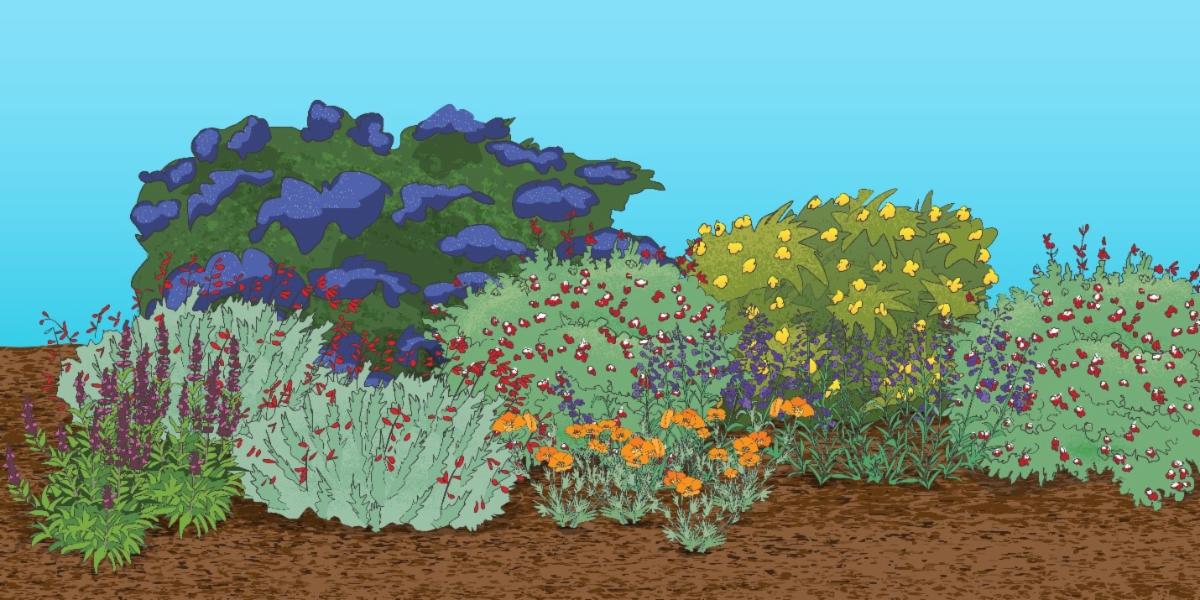
Image with mulch and low water plants including salvias hummingbird sage CA Poppy ceanothus and monkey flower

Summer Irrigation Tips


Landscapes (plants, trees, lawns) need more water in the summer months due to the warmer weather, increased evapotranspiration (the loss of water to the atmosphere) and little or no precipitation. This is why twice as much water is typically used in the summer months (May – Aug.) compared to the winter months. To help conserve water during the summer, follow the irrigation tips below:


  • Inspect your irrigation system. Test your irrigation system to make sure it’s functioning properly as issues are not always visible unless the system is running. Look for broken and/or misaligned sprinkler heads and leaking pipes. Check drip irrigation for broken and/or missing emitters, breaks in the drip lines and any other damage.
  • Late nights and early mornings are best. Run your irrigation system in the early morning or late at night to prevent evaporation. (Also keep in mind that no sprinkler use is allowed between 9 am and 6 pm)
  • Convert your landscape. If you have turf, consider removing all or part of it and replacing it with low-water use plants. For your existing plants, add a layer of 3 to 4 inches of mulch around the plants to retain moisture, protect against the summer heat and suppress weeds.
  • Cut back on irrigation days or times. Decrease each watering station (zone) of your irrigation by a minute or two to conserve water. If your plants are doing well with the reduced timing, consider cutting back even more. Although three days per week watering is allowed under the current irrigation schedule, this is a maximum amount of irrigation each week. Consider dropping irrigation to two days per week and see how your landscape does and then if needed, the third day can be added back in during extended heat waves.
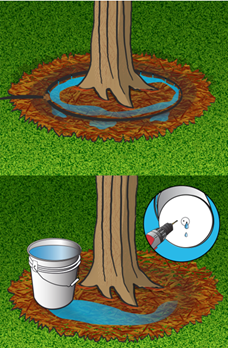
Image of a tree with a soaker hose for watering and image of a tree with a 5 gallon bucket with holes in the bottom for watering

Watering Trees in the Summer


During the spring and summer months, don’t forget to deep water your trees as needed depending on the age of your tree. Young and mature trees have different watering needs. Keep in mind:


  • Newly planted trees need to be watered two to three times per week to keep the root ball moist (typically 15 gallons per week total with 5-10 gallons per watering).
  • Young, established trees (that no longer have stakes) require occasional deep watering for root development and good tree growth (two to three times a month dependent on temperatures).
  • Mature trees may only require watering in the hotter summer months (typically once per month).


Drip or flood irrigation over the critical root zone (under the tree canopy) is usually the best way to water trees. Avoid spray irrigation if possible.

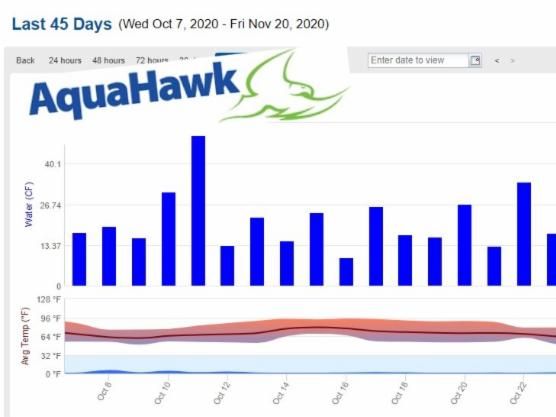
graph with blue bars for water use and AquaHawk logo

Monitor Your Water Use


Careful water-use management is the best tool to use to manage sustainable landscaping and to catch and repair irrigation issues and leaks more quickly. You can sign-up for AquaHawk, the City’s online water-use portal, to track your water usage and see how much water is used for irrigation (and inside the house, too). You can even set notifications and be alerted if you have a potential water leak. Visit SaveDavisWater.org for registration information.


See the PDF on Using AquaHawk to Assist in Finding Leaks for information on checking for water leaks in and around your property.

Contact us:
530-757-5686


Subscribe to the Greener Davis Newsletter