California North Coast CCL Newsletter


November 10, 2026

View as Webpage (or if images don't appear)

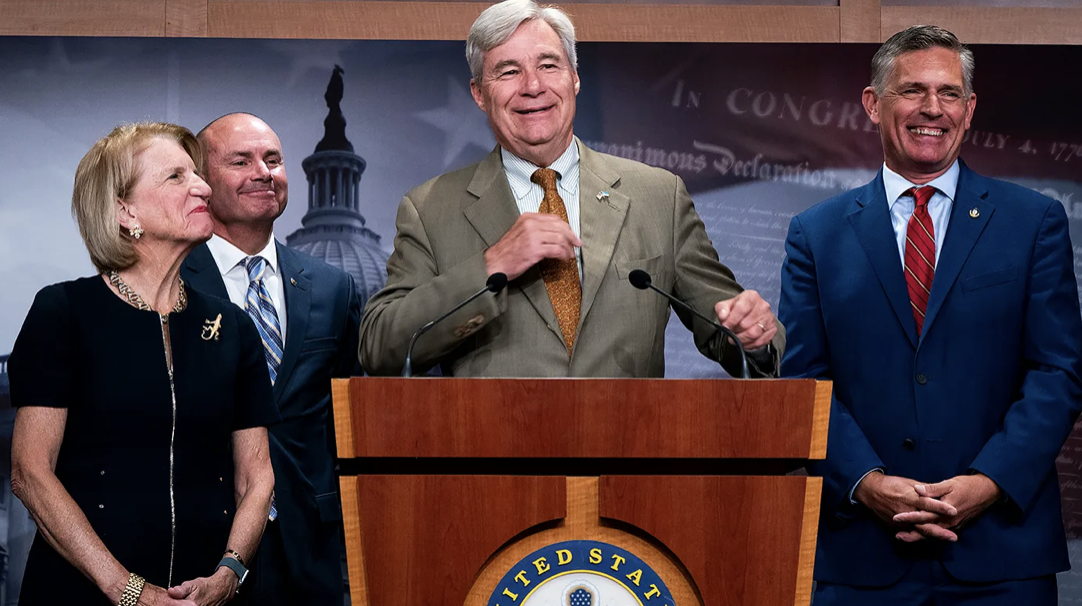
Senate votes to proceed with permitting reform debate

and it's going to be heated.

California North Coast CCL

invites you to their monthly meeting,

Saturday, November 14 at 9 AM PT here.


We'll discuss what we might expect in light of the midterm results, the current intense permitting reform debate, next week's virtual lobbying efforts, and this month's actions.


CCL endorsed the Bipartisan American Affordability and Jobs Act of 2026 (BAAJA) shortly after it was introduced in September. Now that everyone has had a chance to read its almost 500 pages...(or have AI produce the Cliff Notes), fierce debate has erupted, as expected, over an issue so important and divisive. And on Monday, November 9, the Senate voted to proceed with that debate.


CCL staff have poured a great deal of thought and effort into studying the legislation and favor early passage before the next Congress resets the agenda, arguing that the current deal is the best we can get.


Our esteemed MoC, Jared Huffman, soon to become the powerful Chair of the House Natural Resources Committee, is vocally skeptical and wants to hold out for a better deal once Dems are in control of both houses.


Many other organizations have weighed in with their own modeling, concerns, support or opposition. For example, both Bill McKibben and Al Gore are a "No," as are numerous environmental justice groups, but some "moderate" house Democrats want to move swiftly ahead.


What is certain is that a great deal is riding on the outcome. Compromise will be necessary, and nobody is going to wind up totally happy, which is usually a good thing in such negotiations.


You can find relevant CCL resources on Community. Here's their detailed training.


If you haven't been following this, here's an AI summary (Claude) of pro's and con's, with links to resources:


BAAJA is the Bipartisan American Affordability and Jobs Act of 2026 (S. 5653). It’s a big Senate permitting and transmission reform bill introduced September 30, 2026 by Sens. Capito, Heinrich, Lee, and Whitehouse. It needs 60 votes, and the House hasn’t introduced its own version yet. 


Bipartisan American Affordability and Jobs Act (BAAJA) of 2026: Summary of All Sections - EveryCRSR (Congressional Research Service) report.com +2

The case for it

  • Faster, more predictable permits. The bill sets one-year deadlines for environmental assessments and two-year deadlines for environmental impact statements. Analysts at Columbia describe it as mainly a speed-and-certainty bill: it changes how quickly infrastructure gets approved, not what gets built. akingumpcolumbia
  • More transmission. It would require utilities and grid operators to plan interregional lines and would let private developers build lines if utilities fall short. It also gives federal siting authority over regionally selected lines when states deny them. gristifp
  • Lower bills and protection from data center costs. It requires new data centers of 20 MW or more to pay the full incremental cost of the infrastructure built for them. Rhodium Group estimates residential bills would fall by $50 to $78 a year by 2040. bipartisanpolicybipartisanpolicy
  • Protection from political interference. Supporters say the federal government could no longer revoke lawfully issued permits or stall whole categories of energy projects. thirdway
  • Grid resilience and domestic minerals. It could expand the transmission capacity regions use to share power during extreme weather and lowers permitting barriers for domestic mining. columbia


The case against it

  • Weaker environmental review. Critics say it greatly expands NEPA categorical exclusions, which removes scrutiny and public comment for excluded projects, and requires courts to give “substantial deference” to agency NEPA findings. therevelator
  • Less judicial oversight. It sets a 150-day statute of limitations and requires most plaintiffs to have taken part in the administrative process. It also limits courts’ ability to vacate permits while problems are being fixed. akingumpakingump
  • Benefits to fossil fuels. The Union of Concerned Scientists argues the bill is tilted toward fossil fuels and would harm communities and the environment. For interstate gas pipelines, the maximum review period drops to nine months. ucsakingump
  • Endangered species and water protections. Wildlife advocates warn it would shift authority to states, limit scientific review, and exempt some projects from key consultations. Other changes include treating a state’s failure to act in time as a waiver of its Clean Water Act certification right. commondreamsifp
  • Effects on Tribes. The Native American Rights Fund says the bill significantly limits Tribal Nations’ ability to participate in permitting decisions affecting their land, water, and cultural interests. narf
  • Mining waste. It would let mines on public lands dump waste rock on adjacent land. grist


Points both sides acknowledge

Even supporters say it isn’t climate legislation, though it could lower emissions by enabling more clean energy and transmission. Even critics credit it with restoring some Council on Environmental Quality authority that courts had curtailed. Major groups such as NRDC and the Sierra Club still haven’t endorsed it, and the sponsors are considering technical changes through a managers’ amendment. 


Sources:


Then, at 10 AM PT, join National's monthly meeting here.

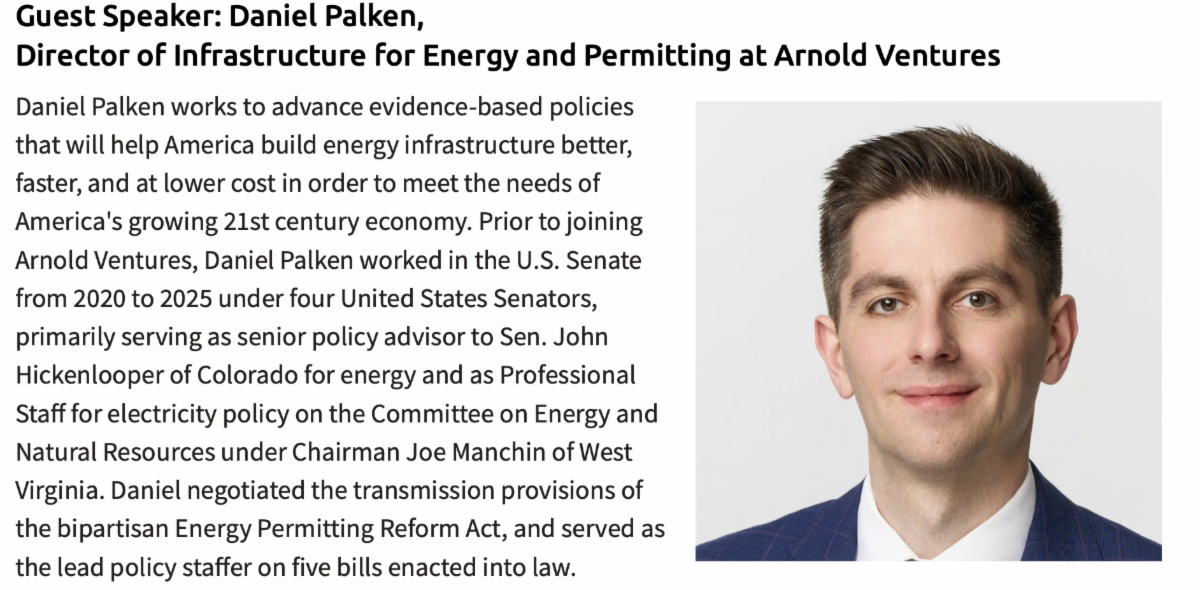
Hear from someone who's been in the trenches of crafting energy policy,

including the permitting bill now being debated.


Fall Virtual Conference is just ahead.

Info here.

"If you can keep your head when everyone else is losing theirs, then you probably haven't understood the seriousness of the situation."

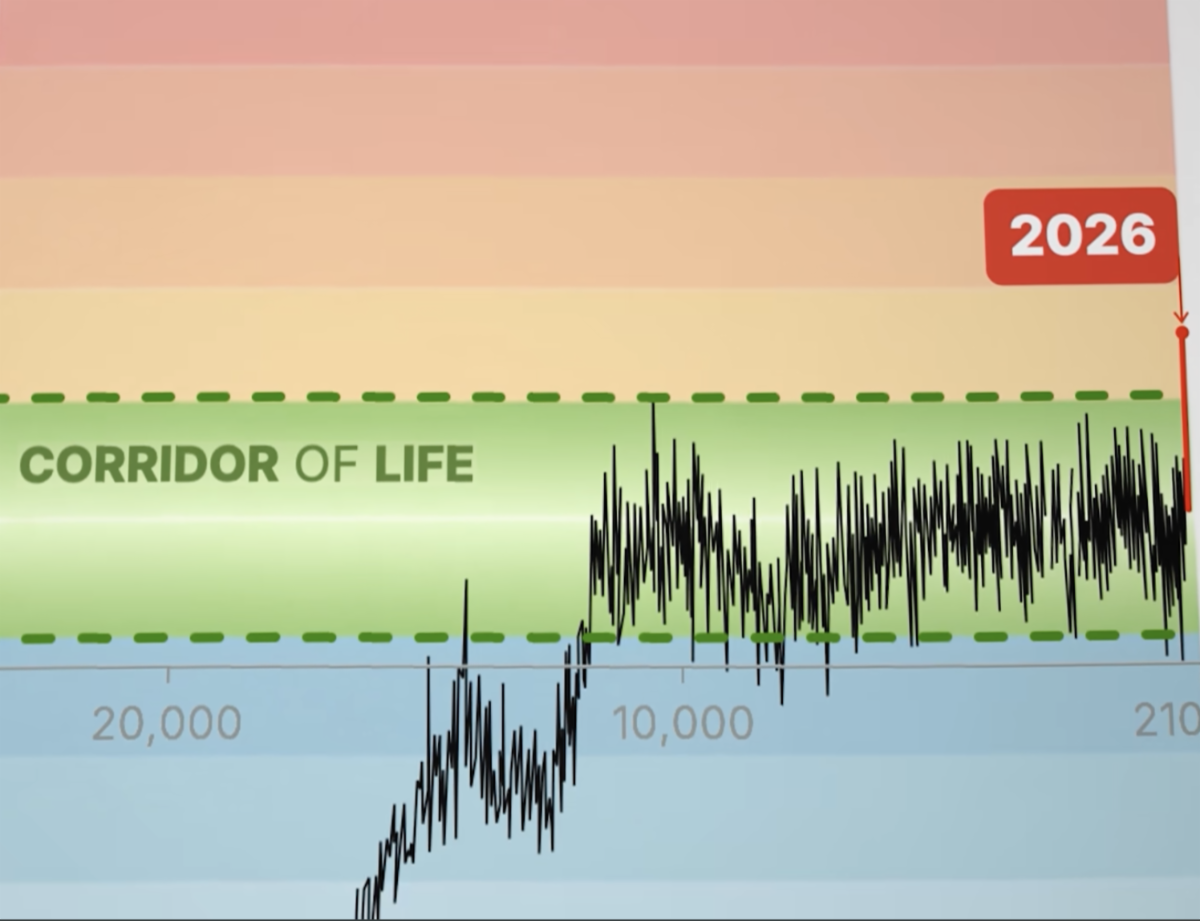
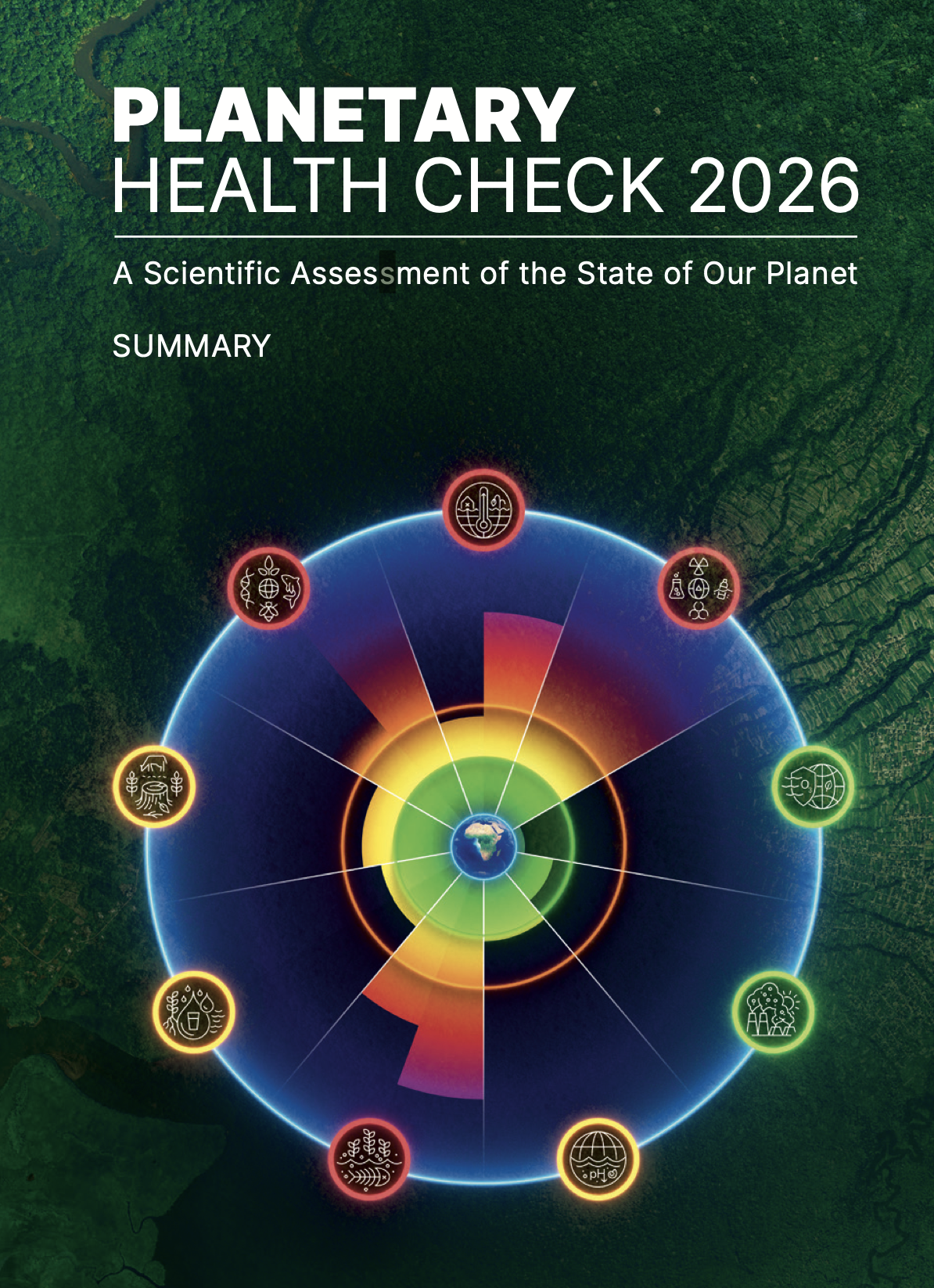
Watch this week's "Just Have a Think" for a discussion of what the upcoming COP 31 (yes, thirty-one) negotiators ought to be worrying and doing something about. Humanity has disrupted most of Earth's planetary systems -- not only the climate -- and is about out of time to restore equilibrium. Well worth 15 minutes.


Learn more about this "boundary" research from the Potsdam Institute's Planetary Boundaries Science Lab. We're in deep trouble, and the report is serious reading.

From the guy who wrote the book:

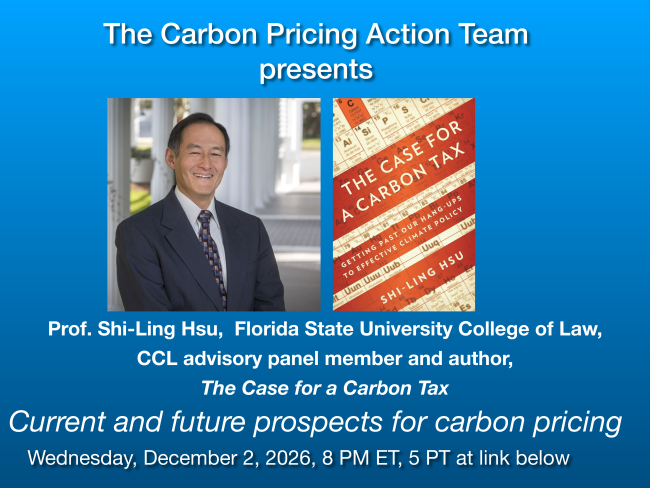
The Carbon Pricing Action Team invites you to a talk by CCL advisory panel member and signatory of the Economists' Statement on Carbon Dividends (below), Prof. Shi-Ling Hsu. Wednesday, December 2 at 8 ET here.


He will address "Current and future prospects for carbon pricing." Check out his publications here to learn more about what to expect in this talk and see what a talented communicator he is.


Tune in here.


Here's what the economic experts have to say about how best to shift the global economy away from fossil fuel dependence. But as our own member of Congress has taught us, they are not the politicians who must make it happen. There's a big difference. Read and see if you disagree with any of it.

Economists’ Statement on Carbon Dividends

WSJ, 17 January, 2019


"Global climate change is a serious problem calling for immediate national action. Guided by sound economic principles, we are united in the following policy recommendations.


I.          A carbon tax offers the most cost-effective lever to reduce carbon emissions at the scale and speed that is necessary. By correcting a well-known market failure, a carbon tax will send a powerful price signal that harnesses the invisible hand of the marketplace to steer economic actors towards a low-carbon future.


II.         A carbon tax should increase every year until emissions reductions goals are met and be revenue neutral to avoid debates over the size of government. A consistently rising carbon price will encourage technological innovation and large-scale infrastructure development. It will also accelerate the diffusion of carbon-efficient goods and services.


III.        A sufficiently robust and gradually rising carbon tax will replace the need for various carbon regulations that are less efficient. Substituting a price signal for cumbersome regulations will promote economic growth and provide the regulatory certainty companies need for long- term investment in clean-energy alternatives.


IV.        To prevent carbon leakage and to protect U.S. competitiveness, a border carbon adjustment system should be established. This system would enhance the competitiveness of American firms that are more energy-efficient than their global competitors. It would also create an incentive for other nations to adopt similar carbon pricing.


V.         To maximize the fairness and political viability of a rising carbon tax, all the revenue should be returned directly to U.S. citizens through equal lump-sum rebates. The majority of American families, including the most vulnerable, will benefit financially by receiving more in “carbon dividends” than they pay in increased energy prices." [Emphasis added]


Now that you've read what the experts recommend, here again is Marin CCL's Jonathan Marshall's latest publication, Making Carbon Pricing Work: How lessons learned from setbacks in the United States, Australia, France, Washington, and Canada can make carbon pricing more viable.


And here are the slides to Jonathan's recent superb presentation to the Carbon Pricing Action Team, Why Carbon Pricing is More than Ever the Best Climate Policy.


Those wishing to get more involved in this critical debate can join the growing Carbon Pricing Action Team on Community. Next call is Wednesday, December 2, 8 ET, 5PT here. The speaker will be Prof. Hsu, above.


You can watch the third monthly session in the CCL/RFF carbon pricing series here.

FYI: Upcoming non-CCL events


Now on YouTube: Rep. Jared Huffman's interview with Peter Coyote at the launch of his new book, No Prophets: The Fight to Save Democracy from Christian Nationalism.


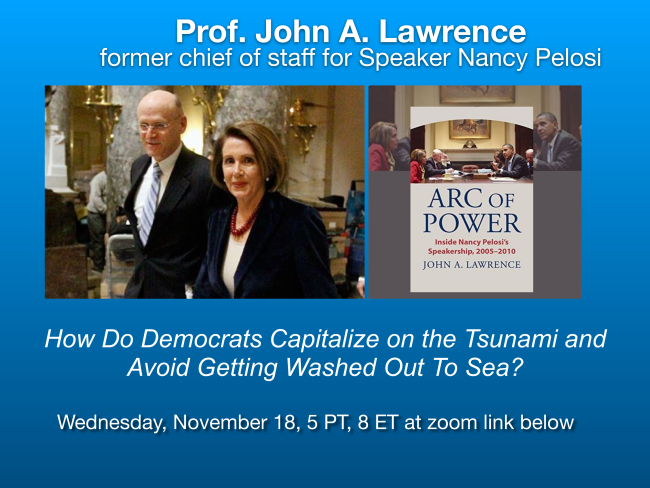
November 18, 8ET, 5PT here. A timely look at the new Congress by a veteran who can offer sage advice to newly empowered Democrats.


John Lawrence spent 38 years as a staff person in the U.S. House of Representatives, the last eight as chief of staff to Speaker Nancy Pelosi. He is the author of Arc of Power: Inside Nancy Pelosi's Speakership 2005-2010, which has been praised as “one of the very best accounts of the internal workings of Congress we have ever had or are likely to have.” His articles on Congress and national politics have appeared in The New York Times, The Atlantic, Foreign Policy, The Hill and other publications.

Zoom link here.

You're invited, but... 

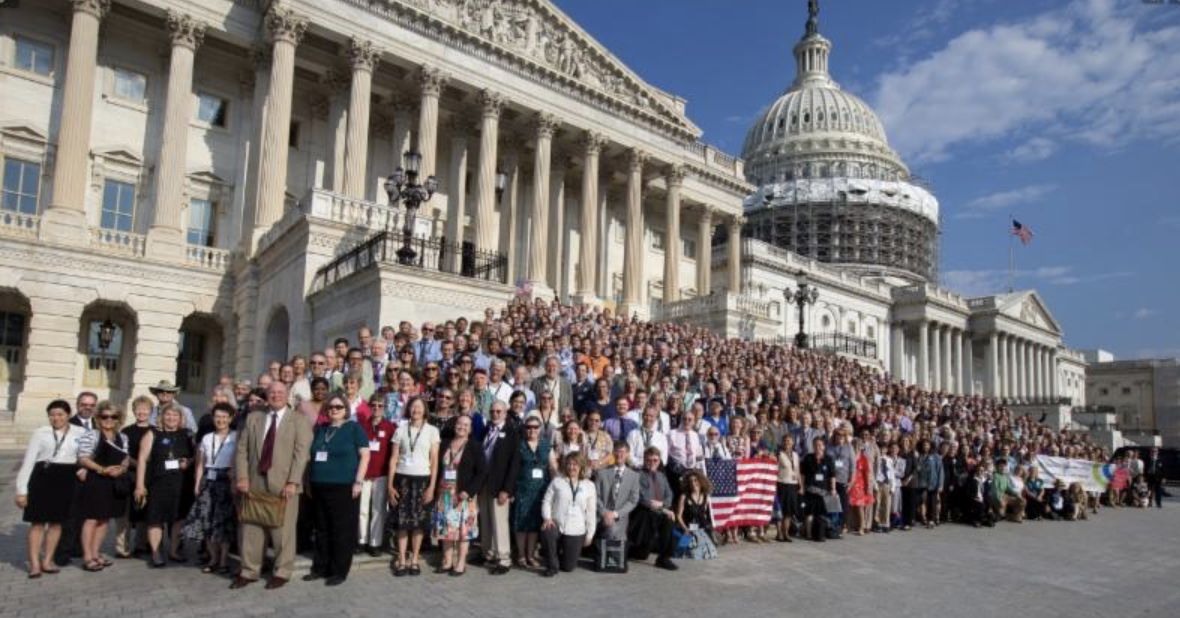
This is how one behaves inside The Capitol:

Make an appointment. Business attire recommended. Bring nothing that even looks like a weapon. 

Long live democracy.


Earth


Prepared by Peter G. Joseph, M.D. 

Peter.Joseph@cclvolunteer.org

Apologies for cross postings.

If you know someone who would like to be added to this distribution list, please suggest they join California North Coast CCL, or if not in this area, contact me.