Marin/Sonoma CCL Newsletter | | | |
It remains to be seen...
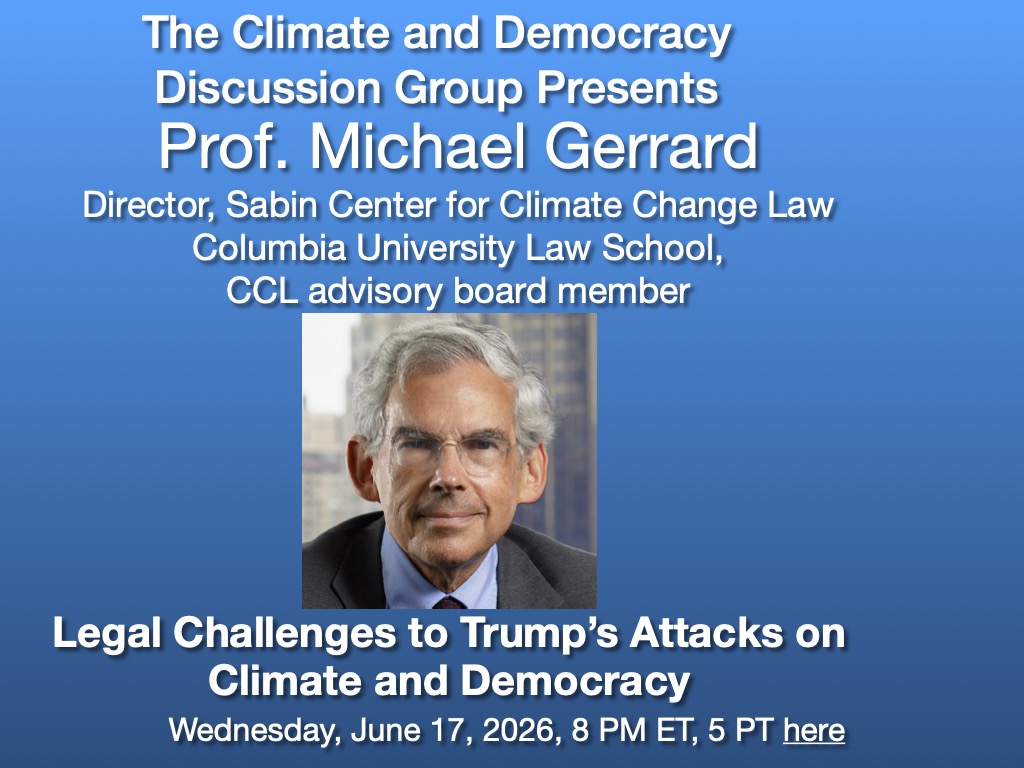
Join us on June 17 for another timely presentation from The Climate and Democracy Discussion Group (CDDG). Zoom in here.
| |
The founder and faculty director of the groundbreaking Sabin Center for Climate Change Law and one of the foremost environmental lawyers in the nation, Michael Gerrard is an advocate, litigator, teacher, and scholar who has pioneered cutting-edge legal tools and strategies for addressing climate change. He writes and teaches courses on environmental law, climate change law, and energy regulation. He was the chair of the faculty of Columbia University’s renowned Earth Institute from 2015 to 2018 and now holds a joint appointment to the faculty of its successor, the Columbia Climate School.
| | |
The Marin and Sonoma CCL Chapters invite you to their monthly meeting,
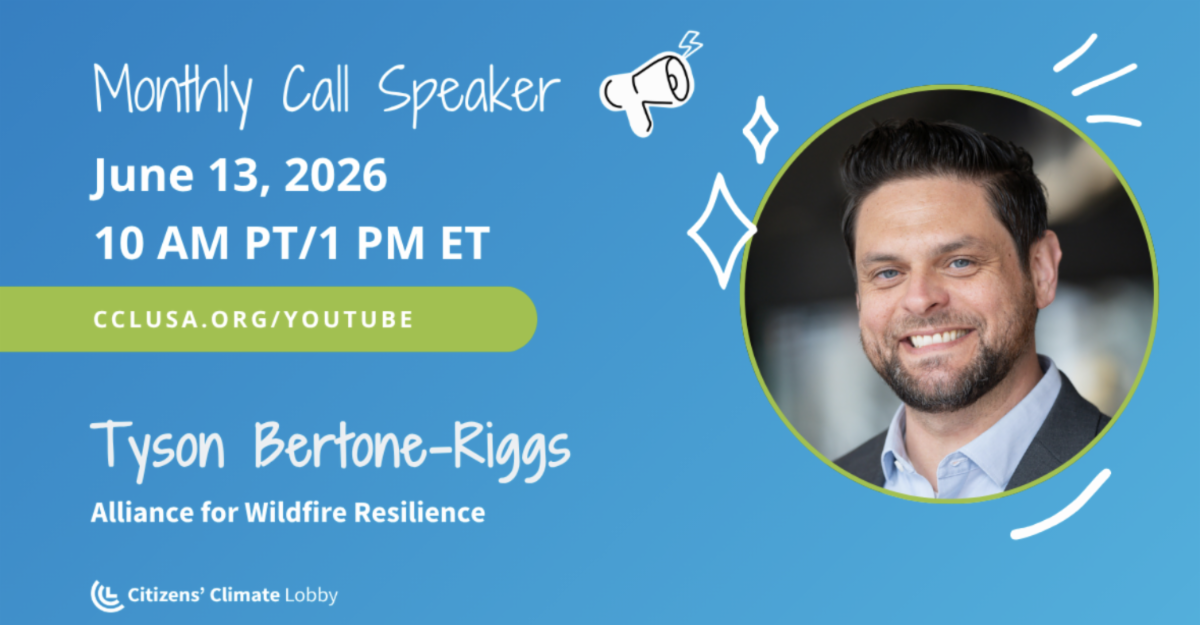
Saturday, June 13 at 9 AM PT here.
We'll discuss the merger of the Marin and Sonoma chapters and the opportunities that creates. Our combined chapters will be California North Coast CCL, and you can participate. We'll update you on how California CCL members are working to support bills in Sacramento intended to reduced our high electricity rates, which impede the transition away from fossil fuels. We'll discuss the new Carbon Pricing Action Team (see below), and there will be time for sharing personal observations about the alarming state of the world and our role as citizens in our community.
Then, at 10 AM PT, join National's monthly meeting here.
Tyson Bertone-Riggs has a diverse background in forest policy and conservation work, with both field experience and policy expertise. He served as staff on the congressionally chartered Wildland Fire Mitigation and Management Commission. Tyson’s past experience includes five years with the Rural Voices for Conservation Coalition where he was responsible for coalition development, management, and political strategy. Tyson also brings experience working for state and federal forestry agencies and on U.S. Senate.elections.
| | |
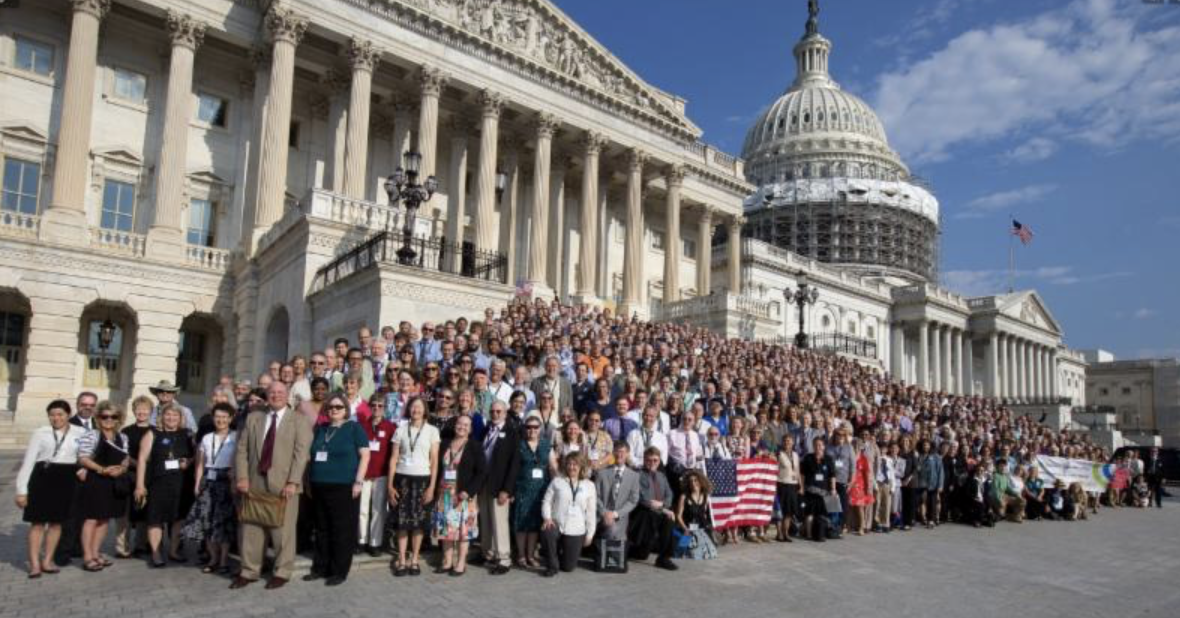
CCL's National conference in DC is July 26-28. Find out about it here.
| |
What you don't know won't hurt you. (Or will it?):
| |
S.E.C. Proposes to Kill Climate Change Disclosure Rule
The regulation would have required all publicly traded companies to disclose whether they faced significant risks from climate change and its effects.
The Hill
May 29, 2026
The Securities and Exchange Commission (SEC) formally proposed on May 29 to rescind its 2024 rule that would have required publicly traded companies to disclose certain information related to climate change.
The SEC, which is made up of three Republican commissioners and no Democrats, issued a statement outlining its plans to scrap the rule.
The rule in question, which passed when the commission had three Democrats and two Republicans, would have required all publicly traded companies to tell investors about ways in which climate change poses significant risks to their business.
It would have also required large companies to disclose information about greenhouse gas emissions directly caused by their business if that information would be likely to influence someone’s decision on whether to invest.
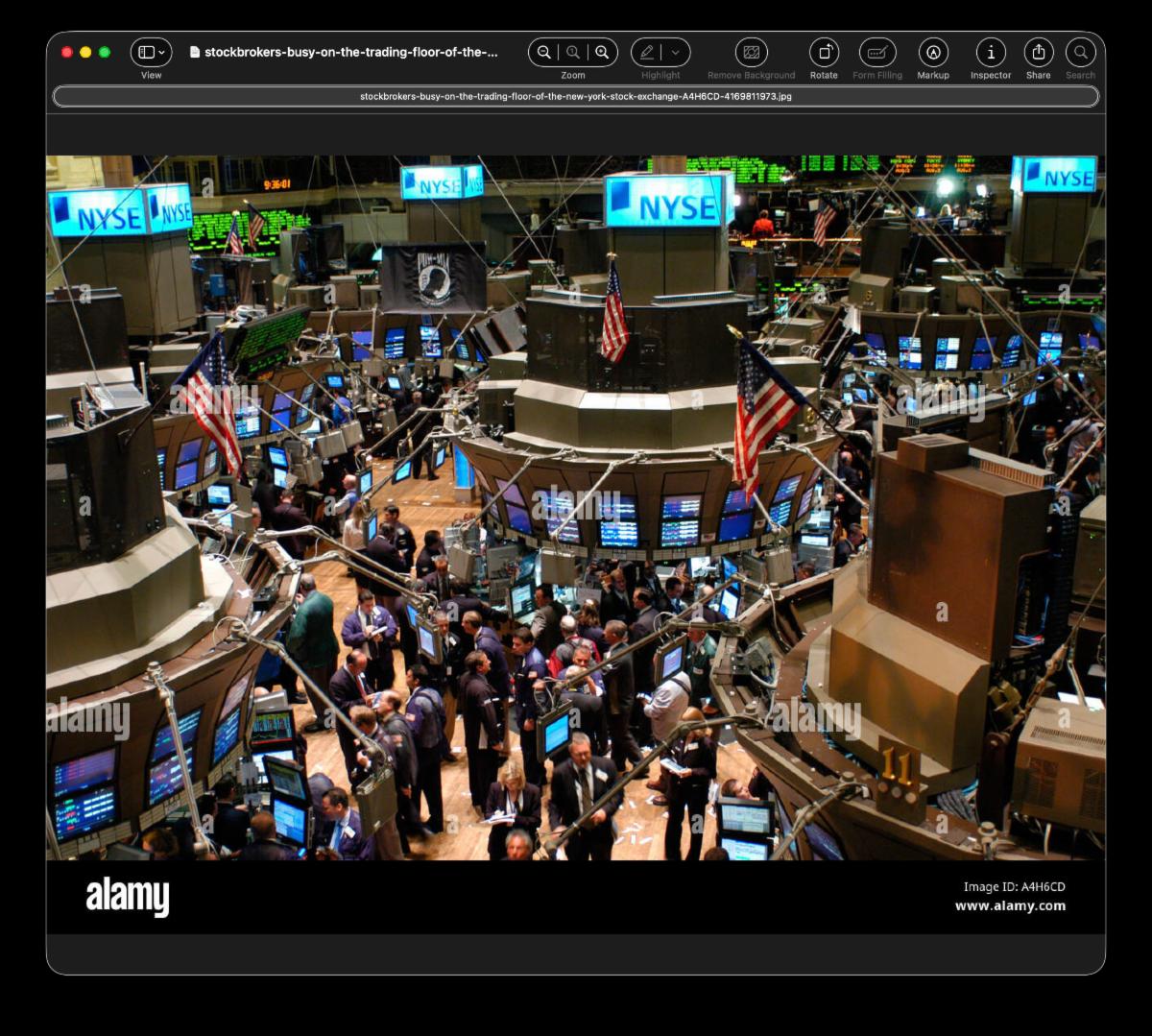
No worries! The stock market is booming! What could possibly go wrong?
| An Attempted Murder with a Happy Ending (for now...) | |
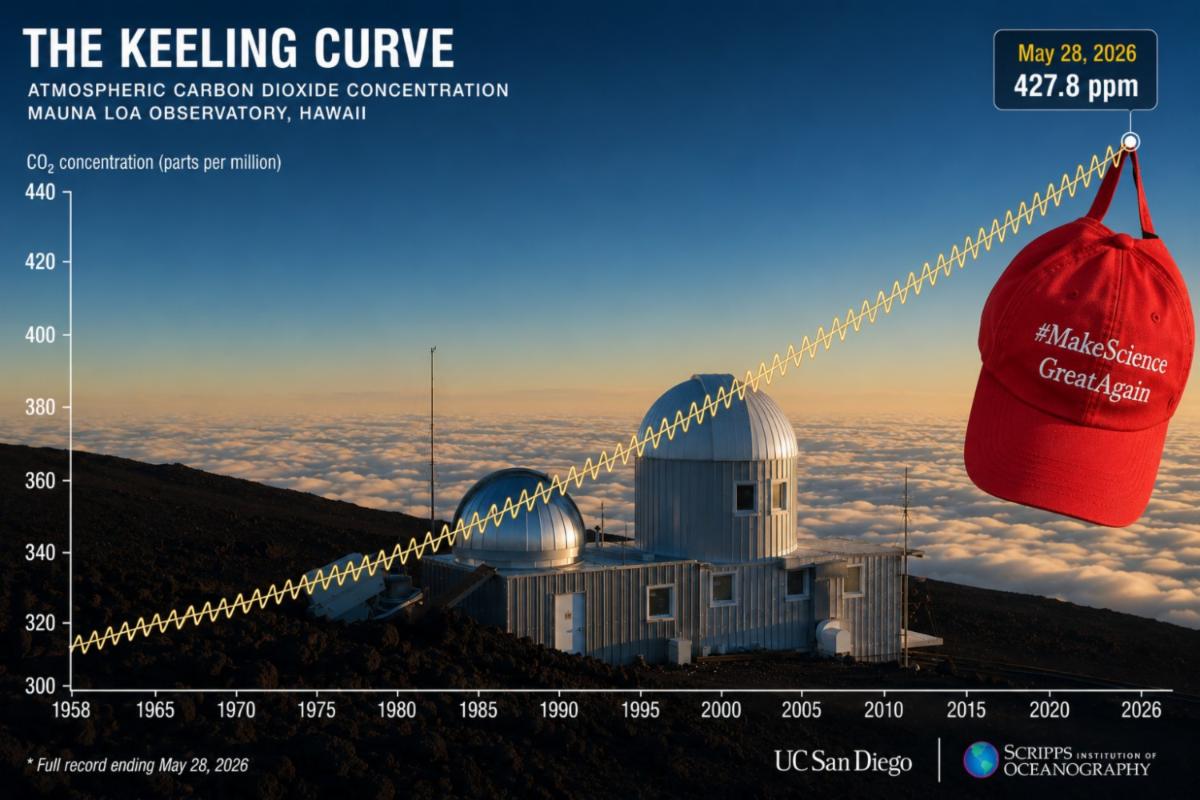
After a volcanic eruption and a federal cost-cutting push threatened its operations, NOAA confirms the world’s premier CO₂ record is funded, accessible again, and entering a major rebuild. But how it was saved is also a warning about how easily it could have been lost.
"The Keeling Curve does not care about politics. The institutions protecting it do. This time, scientists spoke, journalists reported, lawmakers acted and citizens paid attention. The deeper lesson of Mauna Loa is that the curve survived not because important infrastructure protects itself, but because, this time, people were watching."
Forbes
May 30, 2026
And another assault is in progress:
| |
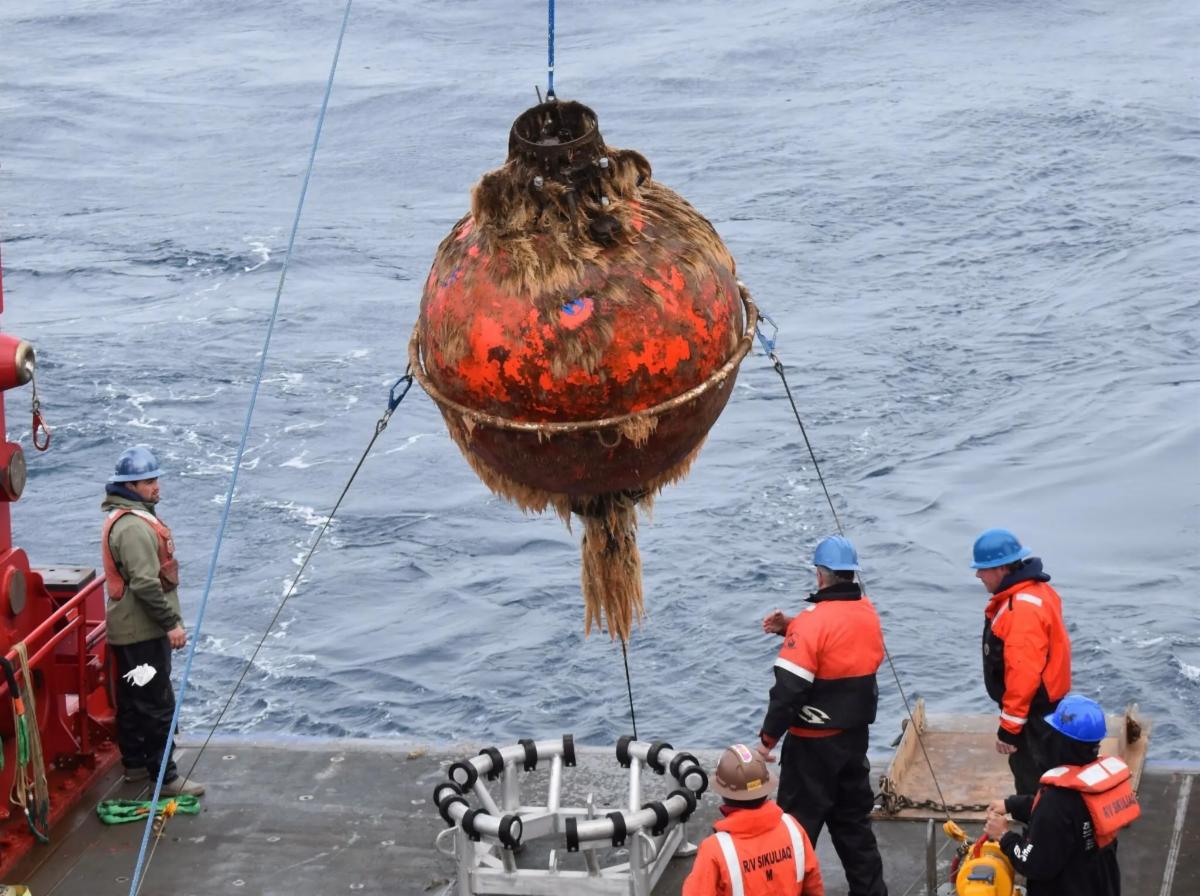
Trump Administration to Dismantle Ocean Monitoring System
NYT, June 1, 2026
The $368 million network of instruments collecting data in both the Atlantic and Pacific has been critical to climate and ocean research.
Scientists have used data from the system to understand how the ocean is absorbing greenhouse gases from the atmosphere, how changes in ocean temperature such as marine heat waves might affect fisheries or signal bigger shifts in the climate, and coastal flooding along the East Coast.
This senselessly destructive action should prompt a fierce outcry from citizens! Let your MoC know what you think.
| | |
‘I’m not a scientist’: Why judges need the climate chapter in the Reference Manual on Scientific Evidence
March 11, 2026
"For over 30 years, the Federal Judicial Center’s Reference Manual on Scientific Evidence has served as a go-to document judges can use when they deal with issues involving scientific testimony. The third edition, produced jointly with the National Research Council, came out in 2011 and covered fields such as forensics, mental health, neuroscience, and toxicology. The fourth edition, published in 2025, expanded its coverage to include chapters on new topics such as computer science, artificial intelligence, and, until a few weeks ago, a chapter on climate science. This chapter, authored by two experts, was removed unilaterally by the Federal Judicial Center after 27 Republican attorneys general sent a letter demanding that it be deleted.
The full document, including the climate science chapter, is still available on the National Research Council website, but this too is at risk, as a subset of these attorneys general have sent a letter demanding its removal and implicitly threatening consequences if this is not done. (Read it while you still can.)
The Reference Manual is a crucial, unbiased tool to provide judges with background information about science. Lawyers and judges are not generally known for their proficiency in math and science; law students generally come from the liberal arts and humanities.[1]
Those students become lawyers and some of them become judges. Along the way, their science proficiency does not improve. The Reference Manual is an essential tool to help them do their jobs."
One of the climate scientists who has testified before the Federal Judicial Center, Dr. Ben Santer, is well known to CCL for his numerous superb presentations and is coauthor of this article. Another major figure in this controversy, Columbia Law School Prof. Michael Gerrard, will speak on this June 18 -- see above.
"Ignorance is strength." -- George Orwell, 1984
Read more about this craven attempt to thwart a scientifically informed judiciary here. (The letters from the AG's to the NAS are particularly rich, accusing the experts of bias due to their belief in the science...)
| | Here's what the experts have to say about shifting the global economy away from fossil fuel consumption: | | |
WSJ, January 17, 2019
Global climate change is a serious problem calling for immediate national action. Guided by sound economic principles, we are united in the following policy recommendations.
I. A carbon tax offers the most cost-effective lever to reduce carbon emissions at the scale and speed that is necessary. By correcting a well-known market failure, a carbon tax will send a powerful price signal that harnesses the invisible hand of the marketplace to steer economic actors towards a low-carbon future.
II. A carbon tax should increase every year until emissions reductions goals are met and be revenue neutral to avoid debates over the size of government. A consistently rising carbon price will encourage technological innovation and large-scale infrastructure development. It will also accelerate the diffusion of carbon-efficient goods and services.
III. A sufficiently robust and gradually rising carbon tax will replace the need for various carbon regulations that are less efficient. Substituting a price signal for cumbersome regulations will promote economic growth and provide the regulatory certainty companies need for long- term investment in clean-energy alternatives.
IV. To prevent carbon leakage and to protect U.S. competitiveness, a border carbon adjustment system should be established. This system would enhance the competitiveness of American firms that are more energy-efficient than their global competitors. It would also create an incentive for other nations to adopt similar carbon pricing.
V. To maximize the fairness and political viability of a rising carbon tax, all the revenue should be returned directly to U.S. citizens through equal lump-sum rebates. The majority of American families, including the most vulnerable, will benefit financially by receiving more in “carbon dividends” than they pay in increased energy prices. [Emphasis added]
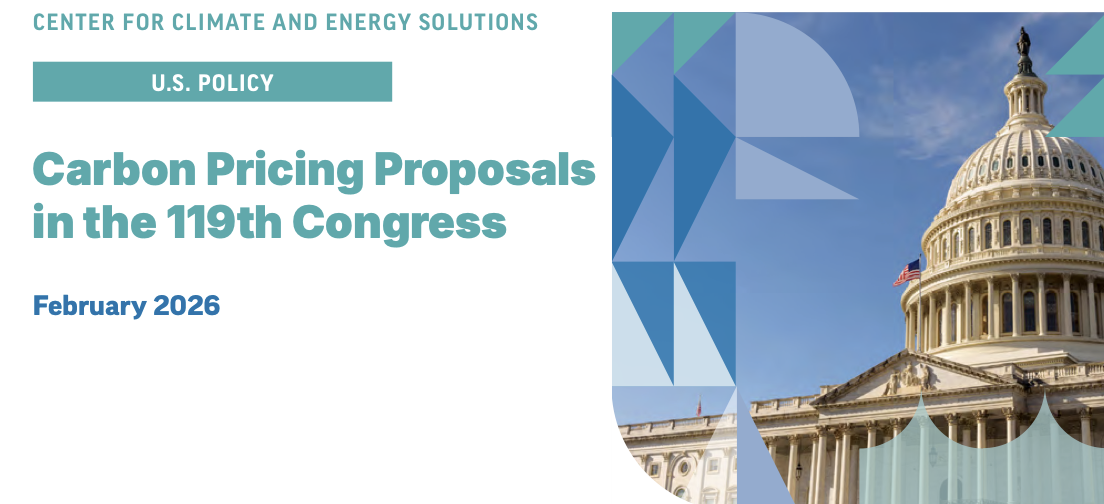
| | And for you wonks out there, or those who think there's nothing going on in DC, here's a detailed summary of current carbon pricing bills in Congress that you never hear about beneath the noise. | |
Why Scientists Retired the Dire Climate Scenario Used for Over a Decade
NYT, May 26, 2026
In this latest update, the researchers abandoned a dire — and often criticized — high-emissions scenario known as RCP8.5 (Relative Concentration Pathway -- typical inscrutable IPCC-speak) that has been prominently cited in thousands of climate studies over the past decade. The authors said the scenario was now “implausible” given recent energy trends.
While this is relatively good news, the situation is bad enough that we still need to reduce emissions -- urgently -- to avoid terrible calamities, and that will require pricing carbon emissions so that the economy favors low-carbon energy sources and processes. See The Economists' Statement above. It's simple Econ 101.
| | |
Even if the most extreme scenarios are thankfully less plausible, we are not moving fast enough to avert calamity
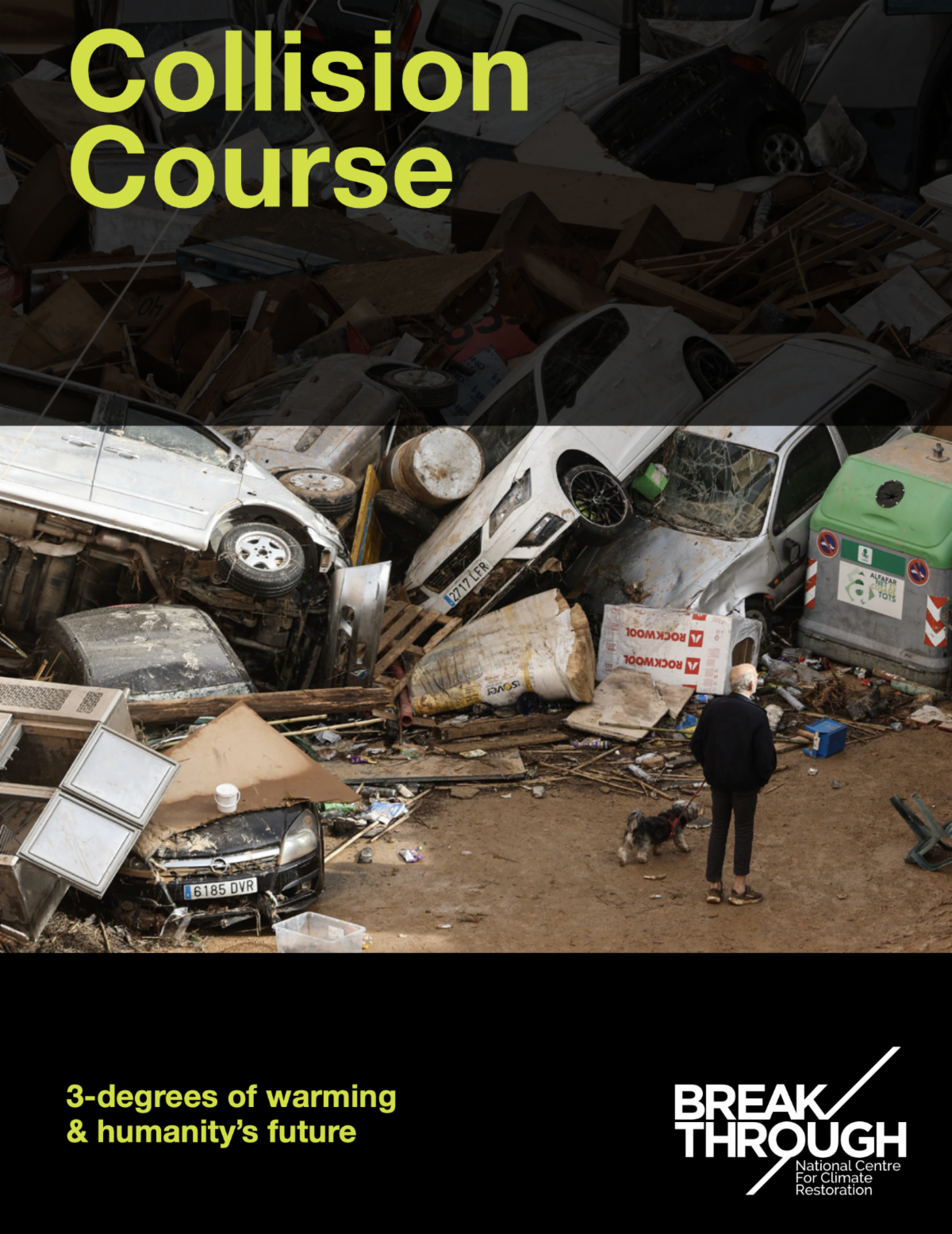
Take some deep breaths and read this sobering report from Australia
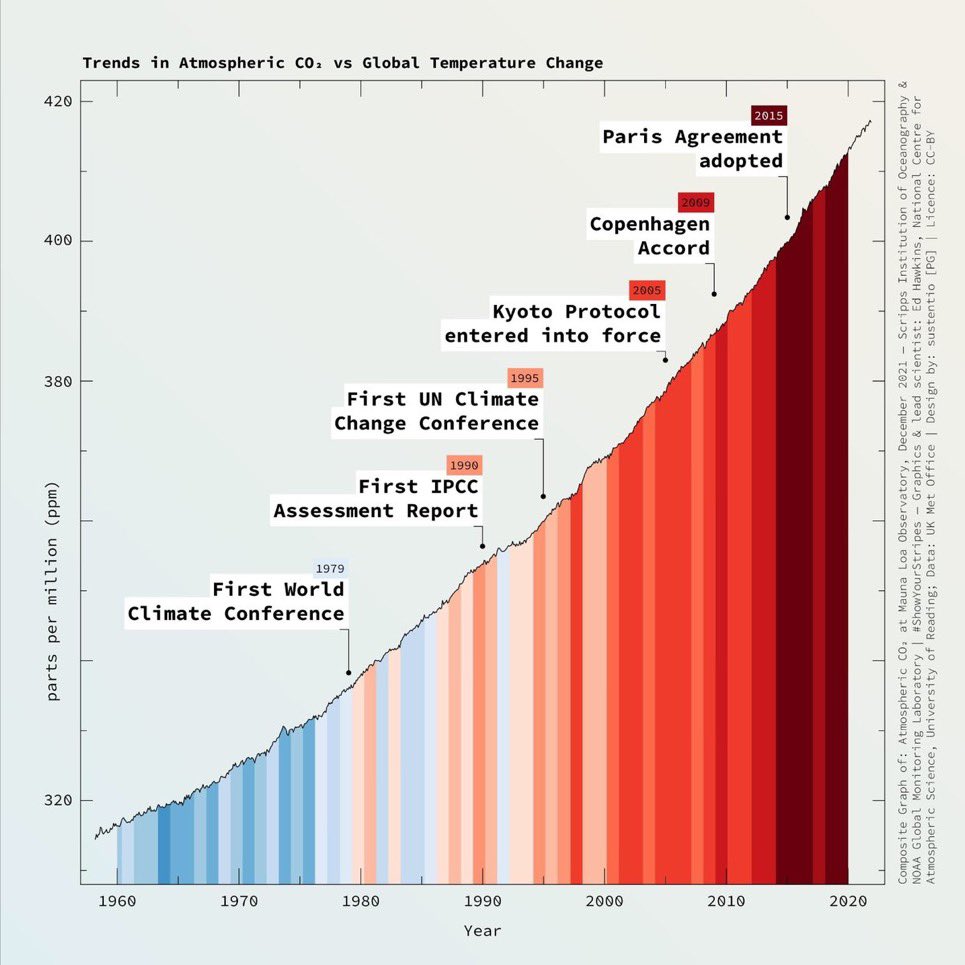
Now try to imagine weaning off of fossil fuels while they remain artificially "cheap," their damages conveniently "externalized" from their prices. It's unlikely at the scale and speed necessary now, on the brink of tipping points of no return. This is why effective carbon pricing is fundamental to veering off the collision course we are presently on.
| |
|
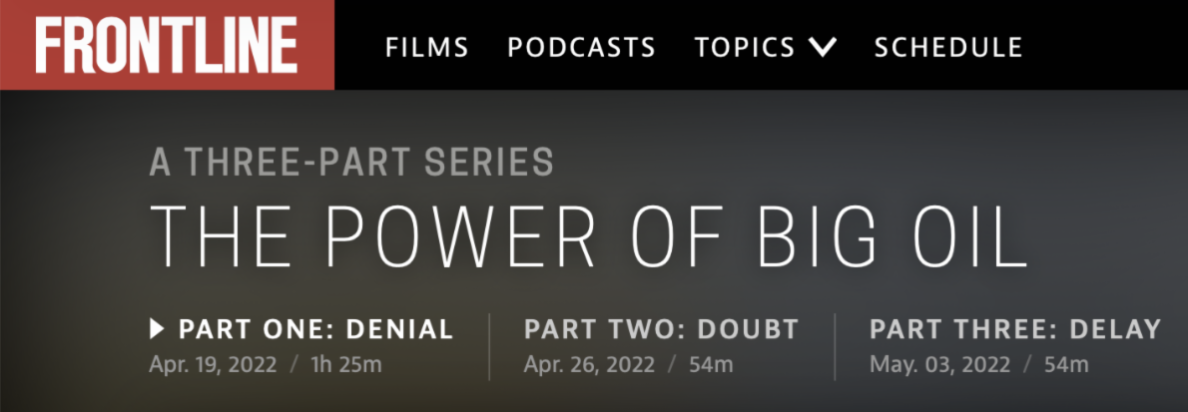
Do Not Miss This Series!
If you're wondering why so little progress has been made weaning civilization off of fossil fuels despite the evidence of their dangers, watch this series. If you've already done so, watch it again, imagining what it might look like if these energy sources weren't so profitable because their emissions paid a price commensurate with their true costs to society. Then scroll back up and read the Economists' Statement again to see what a reasonable solution might look like.
| | |
You're invited, but...
This is how one behaves inside The Capitol:
Make an appointment. Business attire recommended. Bring nothing that even looks like a weapon.
Long live democracy.
| | |
Earth
Prepared by Peter G. Joseph, M.D.
Peter.Joseph@cclvolunteer.org
Apologies for cross postings.
If you know someone who would like to be added to this distribution list, please suggest they join Marin or Sonoma CCL, or if not in this area, contact me.
| | | | |