| |
CEO's
Corner
Rodney K. Strong,
CEO & Chairman
| A Call to Action: Do Not Lay Down Arms | |
The federal enforcement effort
The legal environment surrounding race-conscious programs is changing. For public agencies committed to expanding access to contracting opportunities, the next step is to continue advancing efforts to ensure an equitable contract compliance landscape. With several efforts being made to improperly misapply and misinterpret case law, it is crucial for agencies and businesses to refrain from ending the effort. Instead, it is important to make sure programs are supported by well-documented evidence and barriers to inclusivity are clearly addressed. Legally defensible programs are more important now than ever.
The barrage of attacks is real
In 2025, the Trump administration and federal agencies increased scrutiny of race-conscious programs and practices, including university admissions, scholarships, student programming, hiring, and other institutional practices. For example, the Department of Education announced multiple investigations based on allegations of unlawful race-conscious preferences, expanded reporting, and enforcement efforts. These investigations reflect an environment in which organizations are being asked to closely examine their policies and practices.
The Houston decision extends the scrutiny to public contracting
Similar challenges are also emerging in public contracting, as illustrated by the recent Houston decision. This case raises questions about how agencies support and defend their contracting programs. Our analysis is that the judge did not apply the proper legal standard in this decision. Nevertheless, the decision is important to consider because it may indicate the type of evidence that some courts could require when evaluating these issues. In particular, the decision emphasizes the steps agencies need to take to demonstrate that their policies and practices are supported by an appropriate evidentiary basis. Although we do not believe the court applied the proper legal standard, the decision raises questions that agencies should consider when developing, implementing, and documenting their policies.
Stronger evidence is more important than ever
It’s not time to stop examining disparities or addressing barriers affecting disadvantaged businesses. Instead, agencies should regularly assess the performance of all vendors, develop complete records of all contracts, and regularly conduct legally sound Disparity Studies. Additionally, it is important for agencies to bolster anecdotal and historical analyses given the recent Houston decision. A recently completed Disparity Study, with legally sound statistical and qualitative analyses, should be coordinated with legal counsel to ensure that the program elements conform to the findings of the study.
For business owners: continue to participate and recertify
The current legal environment has created uncertainty for businesses participating in disadvantaged, minority-, and women-owned business programs, and some business owners may question whether there is value in maintaining their certifications or recertifying. Businesses should consider continuing to recertify and participate in available programs. While certification does not guarantee a contract or a particular level of participation, continued engagement helps agencies understand the businesses operating in their markets, identify barriers to participation, and develop lawful programs and procurement strategies that respond to the needs of the business community.
Businesses should not assume that evolving legal requirements mean certification and participation are no longer worthwhile. By remaining certified and engaged, businesses help maintain an active pool of eligible firms and provide agencies with the information and relationships necessary to support a competitive and accessible contracting environment. Continued participation also positions businesses to take advantage of contracting, outreach, and business-development opportunities that remain available under applicable law.
At Griffin & Strong, we are closely following the changing legal climate. Our role is to make the path clearer by helping clients understand the evidence, assess their programs and prepare for heightened legal scrutiny while continuing to pursue fair and inclusive access to public contracting opportunities.
This is not a time to lay down arms. It is a time to make certain that every program is deliberate, supported and defensible.
| | CDFIs Support Supplier Diversity and Economic Development Initiatives | By Cadeala Troublefield, Project Manager | |
|
While Community Development Financial Institutions (CDFIs) may not receive the same recognition as big banks, these institutions are quietly rewriting the rules of who gets access to capital, proving that when you invest in people, whole neighborhoods change.
Read the full article here
| | | |
Tip of the Month
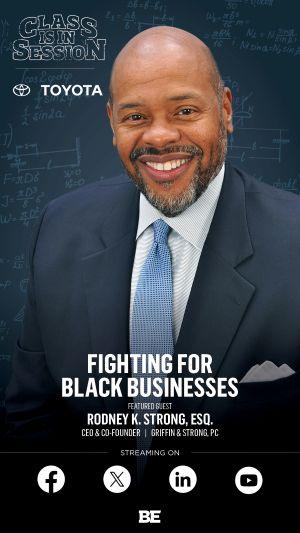
Navigating government contracting as a minority- or women-owned business can feel daunting right now, but our co-founder, Attorney Rodney K. Strong, has a clear message: prepare and persist.
Tune in to hear his top three strategies for breaking into the contracting space today and more on the recent episode of the Class is in Session podcast with Black Enterprise Magazine:
| | | | | The Impact of Artificial Intelligence on Procurement and Supplier Diversity | |
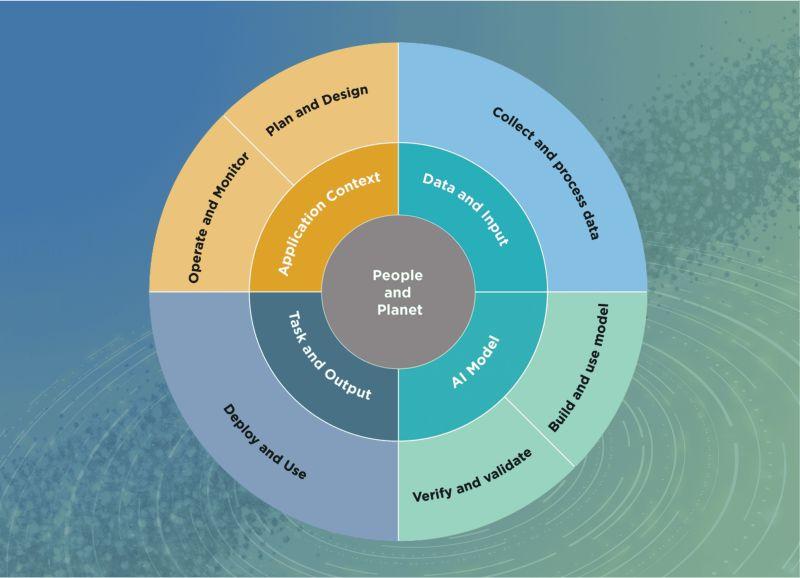
Artificial intelligence (AI) is the development of computer systems to perform tasks normally requiring needing human intelligence, and its use is becoming more common in procurement as organizations look for ways to manage large amounts of purchasing and supplier information more efficiently.
Read the full article here | | | |
|
What Are Our Clients Saying?
Real Voices. Real Results.
| Metro Nashville and Davidson County have a 22-year working relationship with Griffin & Strong. Over the years, they have performed three Disparity Studies for us. Griffin & Strong has shown they've got more than the chops for the work. We have absolutely seen the benefits [of working with G&S] by way of increased utilization and actual dollars funneling into the small and minority business community. | |
|
Michelle Lane
Deputy Finance Director
Metro Nashville Finance Department
| |
Project:
Metro Nashville
2023 Disparity Study
See Our Client Testimonials
|
| | | Industry Spotlight & Procurement Innovation | By Michele Clark Jenkins, Director of Research and Methodology | |
|
The energy sector is one place that is still moving forward with various initiatives to ensure across-the-board participation of historically underutilized groups. This is critical for this industry because of the high demand for local energy efficient and clean energy installers. Despite these efforts, the participation numbers are still relatively low for the African-American workforce at 8-10%.
With the continuation of the industry’s efforts in training, certifying, and tracking, there is room for these numbers to grow significantly.
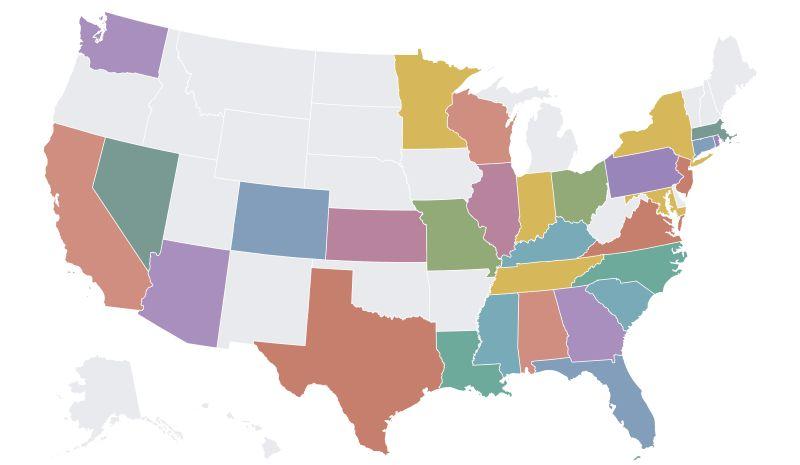
The states with the most aggressive programs are Illinois, California, Massachusetts, and New York. These states have strong targeted goals for recruitment, training, and business inclusion, particularly in the areas of direct service providers in both clean energy and energy efficiency.
Source Report
| | | |
Be in the Know
Legal and Policy Updates
| | | | |
Legal FAQs
With David Maher - Attorney, Partner
“No Goals” Contracts and Marketplace Analyses
How can a governmental entity use “no goals” contracts to better understand and analyze the behavior of its prime contractors in public procurement and private contracting?
For a governmental entity that is implementing a goals-based program directed to certain target groups (e.g., MBE, WBE, SBE), releasing some solicitations with no goal attached can provide the entity with insights into the behavior of its prime contractors. Read more
Why is it important to conduct a comparative analysis of contracts with goals attached and contracts without goals attached when seeking to understand and improve public procurement programs?
As noted above, it is important for the procuring governmental entity to understand the role that it is playing in the marketplace, including whether a goals-based program implemented by the entity is effective in changing marketplace behavior... Read more
From a process perspective, how do you conduct a useful “no goals” analysis?
The governmental entity should randomly select a percentage of formally bid procurement contracts (perhaps, 5 percent) to be solicited without any goals attached – whether these are MBE, WBE, SBE, VBE, etc. goals in the program. Read more
Can a “no goals” analysis be used to support a more robust commercial nondiscrimination policy?
Yes. When a governmental entity finds that some (or more) of its prime contractors routinely meet established goals on goals-based contracts in a procurement program but ... Read more
| |
ACCA Conference Recap
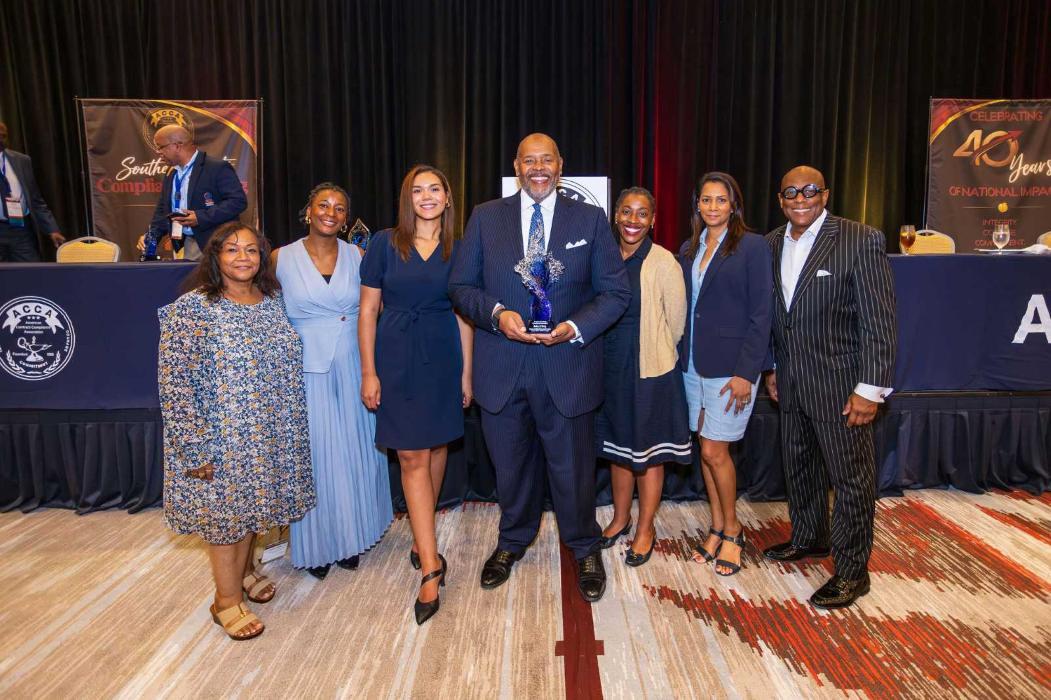
For Griffin & Strong, being part of ACCA’s 40th anniversary celebration in Atlanta was a special opportunity to help honor the organization’s history while also looking toward the future of contract compliance, supplier diversity, and economic opportunity. It was especially meaningful to help bring the conference to a city with such a strong history in this work and to highlight the leaders who have helped shape that history.
| | | Why Disparity Studies Include Marketplace Disparities Analysis | |
|
A critical section of a Disparity Study is the Marketplace Disparities Analysis. While the rest of a Disparity Study is focused on analysis of the procurement process of the specific governmental entity that the Study is being conducted for, the Marketplace Disparities Analysis turns instead to look at relevant factors and experiences in the private sector/marketplace, understanding that these factors can cause downstream effects in public contracting outcomes.
Read the full article
| | | |
Legal Questions?
If you have questions about the current procurement landscape and how it affects your department or organization, Griffin & Strong is happy to meet virtually.
Request a meeting
| |
|
Meet the Team
Hello! My name is Kalvin Walden. I joined Griffin & Strong in 2022 and have served as the Data Analyst on over 10 studies. I’ve enjoyed applying my analytical background to the studies I’ve had the opportunity to work on.
I completed my Bachelor of Science in Statistics from Florida State University ...
Read More
| |
| | | | |  | |
Connect with Griffin & Strong to move your contracting and compliance goals forward.
Schedule a meeting with our team, explore our services, and subscribe to updates to stay informed on industry trends, policy developments, and upcoming resources.
Griffin & Strong, P.C.
235 Peachtree St NE, Atlanta, GA 30303
Call us 404-584-9777
| | | For four decades, Griffin & Strong (G&S) has been providing expertise in the areas of: | |
|
- Disparity Studies
- Procurement Efficiency
- Capacity Analyses
- Training & Supplier Inclusion
- Contract Compliance
- Legal Services
| |
- Program Evaluation & Implementation
- Recertification
(DBE IFR Compliance)
- Workforce Studies
- Economic Impact Studies
| | |
- David Maher, Partner, celebrates his daughter starting college.
- Rodney Strong, CEO, honored with the prestigious ACCA Parren J. Mitchell Crusader Award.
- Courtney Clark received the President’s Special Recognition Award for her service and contributions to ACCA’s Local Planning Committee.
- Hema Dass-Narinesingh earned her Certified Compliance Administrator certification after completing ACCA’s extensive training requirements.
| |
| | |
Attorney Rodney Strong, CEO, honored with the prestigious ACCA Parren J. Mitchell Crusader Award
Read More
| | |
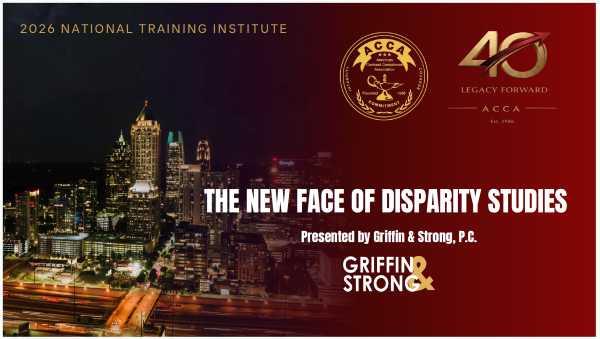
The New Face of Disparity Studies
Read More
| | |
North Carolina Case Study
Read More
| |
Ask the Expert
Have a question about DBE compliance?
Have a question about compliance, certification, or doing business with public and private sector clients? Submit it to Griffin & Strong’s Ask the Expert. Our team will provide practical insights while using your feedback to shape future newsletter topics, webinars, and resources tailored to your needs. Ask your question
| |
Stay in Touch
We are dedicated to helping governments remain compliant and confidently navigate today’s turbulent legal landscape.
Connect with Griffin & Strong to move your contracting and compliance goals forward. Schedule a meeting with our team, explore our services, and subscribe to updates to stay informed on industry trends, policy developments, and upcoming resources.
Call 404-584-9777
| | | | |