|
In This Issue:
- Market Update: Plenty Challenges Ahead for Farmers
- Washington, D.C. Update: Federal Government Shutdown Continues
- Texas Rice Council Addresses Key Issues with Senator Cruz
- USRPA hosts Guatemalan Delegation
- Accepting Applications for the Ray Stoesser Memorial Scholarship
- RMTC 2026: Hear from Our Attendees
- Photos from Rice Country
| |
| Plenty Challenges Ahead for Farmers | | |
Another week into the shutdown, and the only good news is that the USDA has allowed two employees per office to help administer CCC loans and other emergency payments to producers. More on that in the Washington, DC Update below. Amid the gridlock, the 1980’s style plight of farmers has made its way to the halls of DC, and they did something about it. Now if we could only implement blanket tariffs with USTR to mitigate the influx of cheap imports, perhaps we could progress towards a market-driven solution. In the meantime, the outlook remains bleak.
Outside of ratoon crops in the south and the last 15% in California, harvest is finished. Milling reports are starting to come in across all states, and it’s not great news. Where many were hoping to see increases over last year, it’s looking like average at best, but most states reporting 50-51 lb. head rice and milling yields. This is coming from surveys largely in Louisiana and Arkansas but is expected to span across the balance of the southern states.
Overall yields are reported off as well. Surveys indicate Louisiana was highly volatile based on location, with southern Louisiana fairing much better than the northern portion of the state since it held yields similar to last year. Arkansas, however, was reported down across the board by at least 5%. Missouri and Mississippi are both looking to be down at least 10% on yields, and Texas was truly devastated because of the Delphacid crisis.
Layering these low yields and poor milling quality into the overall landscape further punctuates the uphill battle. Brazil’s bumper crop last year (arguably boosted by strong subsidies) has allowed them to be extremely competitive in pricing. Their gain in the South and Central American markets has been our loss, specifically in rough rice exports. Up to the government shutdown, long grain rough rice exports have dropped 49% from the same time last year, down to 205.7 TMT from 404.1 TMT. Long grain milled has dropped 12%, where medium grain milled has dropped 5%.
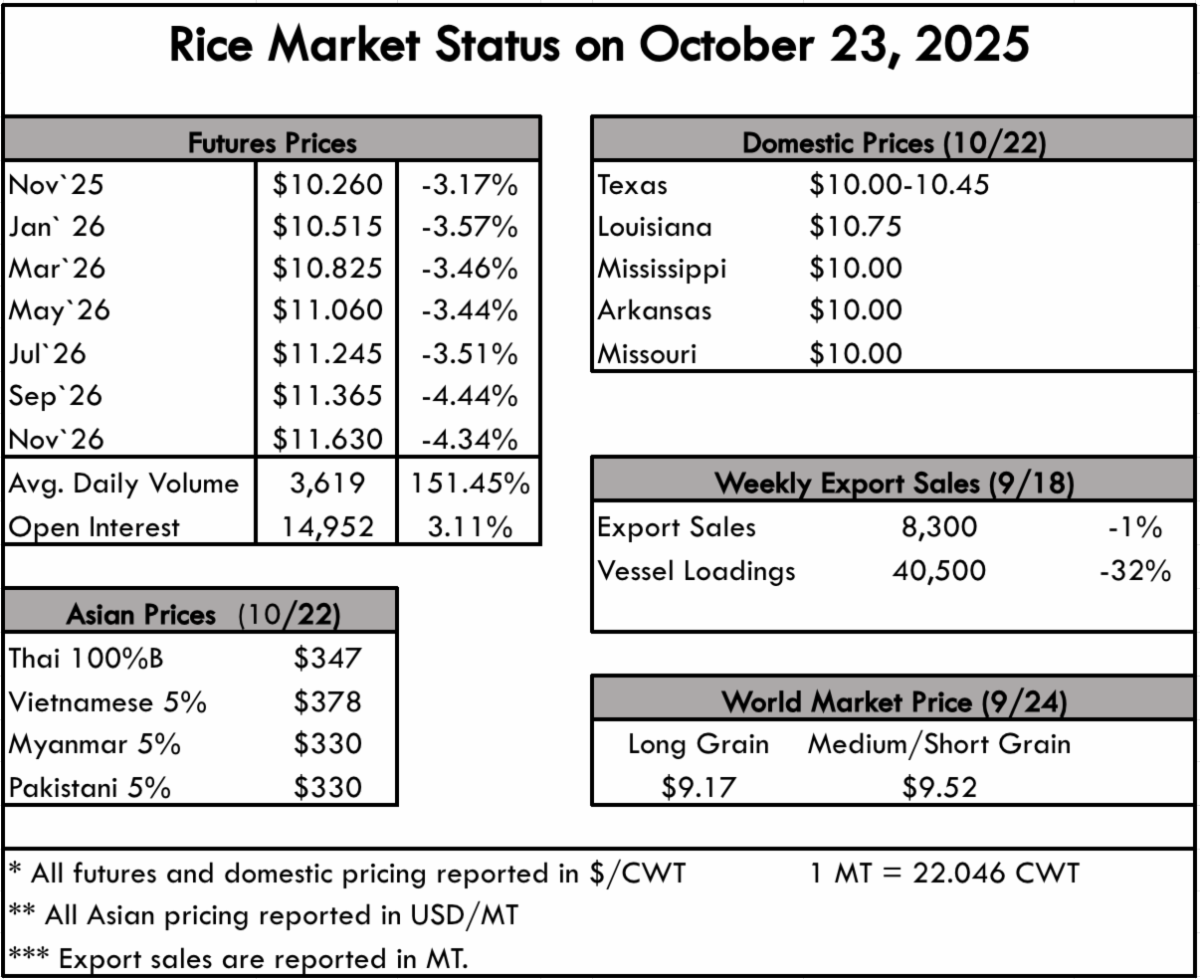
In Asia, producers aren’t fairing much better. Thailand is fighting a market that has dropped nearly 25% in the last year, now down to $340 pmt. Vietnam has seen a distinct firmness in its price compared to Thailand, now registering prices at $375 pmt. India, ever the culprit for the supply gut, is reported closer to $365 pmt. When looking at global supplies, the total projected stocks for 2025/26 is 187 MMT, of which 104.5 MMT is in China (56%), and 45.5 MMT is in India (24%). This leaves the rest of the world with 37 MMT of stocks, or about 20%.
| | Known as The Turning Basin of the Port of Lake Charles, farmers of the South Louisiana Rail Facility are loading their initial vessel in another step of expanding business for rice producers in southwest Louisiana and east Texas. This is the first use of their new private location that is under construction and will be completed in 2026. Equally important, the 11,000 tons being loaded for shipment to Honduras is high milling long grain rough rice, a milling quality not easily obtained in this year’s harvest. | | |
Federal government shutdown saga continues
As of today, October 24, the federal government has been shut down and unfunded for 24 days and there is still no indicator as to when the standoff between Republican and Democrats will come to an end. The Senate has since tried to advance the House GOP-passed continuing resolution (CR), that would extend government funding until November 21, 12 different times now and continues to fail in garnering 60-votes to pass the measure. In addition to the CR, yesterday the Senate considered S.3012, the Shutdown Fairness Act, led by Sen. Ron Johnson (R-WI), that would have ensured paychecks for essential federal workers during the midst of the ongoing shutdown. The effort ultimately failed on the floor by 54-45 vote.
While the Senate has been in session for nearly the whole month of October, the House of Representatives has been out for over a month now. Senate Majority Leader John Thune (R-SD) has publicly suggested the House consider coming back to pass a new stopgap measure that would extend government funding beyond the initial November 21 date and allow for more constructive negotiations to take place going forward. Discrepancies over Affordable Care Act (ACA) subsidies continue to persist and will likely come to a head soon with November 1 marking the start of open enrollment for the ACA marketplace. In addition to another pay period approaching for federal workers at the end of the month, Supplemental Nutrition Assistance Program (SNAP) benefits will also lapse November 1 and will likely further force lawmakers or the Administration to the negotiating table. All in all, it is still uncertain how long it will take Congress to reach a timely compromise to reopen and fund the federal government.
FSA offices to remain open during the shutdown
On Tuesday, October 21, U.S. Department of Agriculture (USDA) Secretary Brooke Rollins announced in a statement on X that Farm Service Agency (FSA) offices will resume core operations despite the ongoing shutdown. The post stated that starting Thursday, FSA offices will resume essential functions, including critical services for farm loan processing, Agricultural Risk Coverage (ARC)/Price Loss Coverage (PLC) payments, and other programs. Additional information from the Administration confirmed that each county office will have two county office employees in five days a week to perform normal functions for Commodity Credit Corporation (CCC) funded programs while accepting applications related to programs funded by alternative sources (e.g. the Supplemental Disaster Relief Program that was appropriated by Congress last December is currently an intake only program).
Since the start of the shutdown, the implementation of the USDA’s shutdown contingency plan has resulted in furloughing more than 42,000 employees, equating to nearly half of the Department’s current workforce. Initially, producer-facing agencies like the Farm Service Agency (FSA) and the Natural Resources Conservation Service (NRCS) were leading in furloughs with 6,377 FSA employees and 8,849 NRCS employees. For the most part, many key agency activities continue to be suspended, including various payment processing, regulatory work, and animal disease research, alongside the postponement of the monthly World Agricultural Supply and Demand Estimates (WASDE) report. However, essential-deemed functions still seem to continue, such as farm loan processing, meat inspections, and emergency programs for animal and plant health. You can read more on USDA’s shutdown plan here.
| | Texas Rice Council Addresses Key Issues with Senator Cruz | |
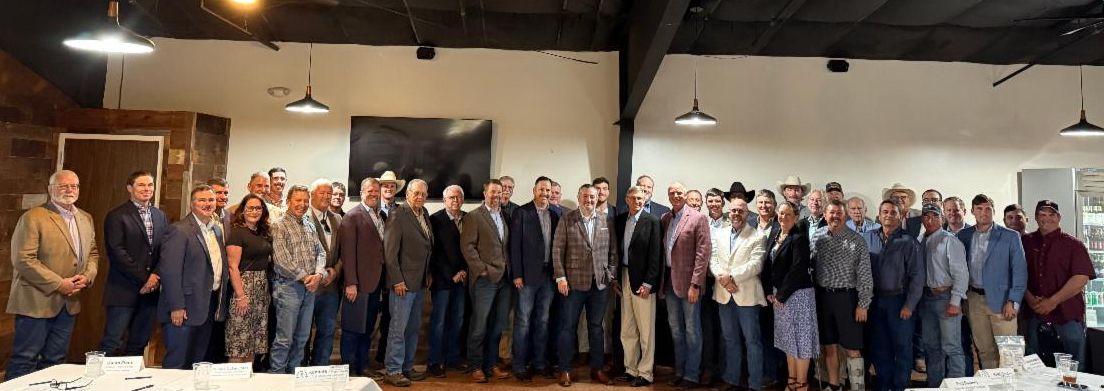
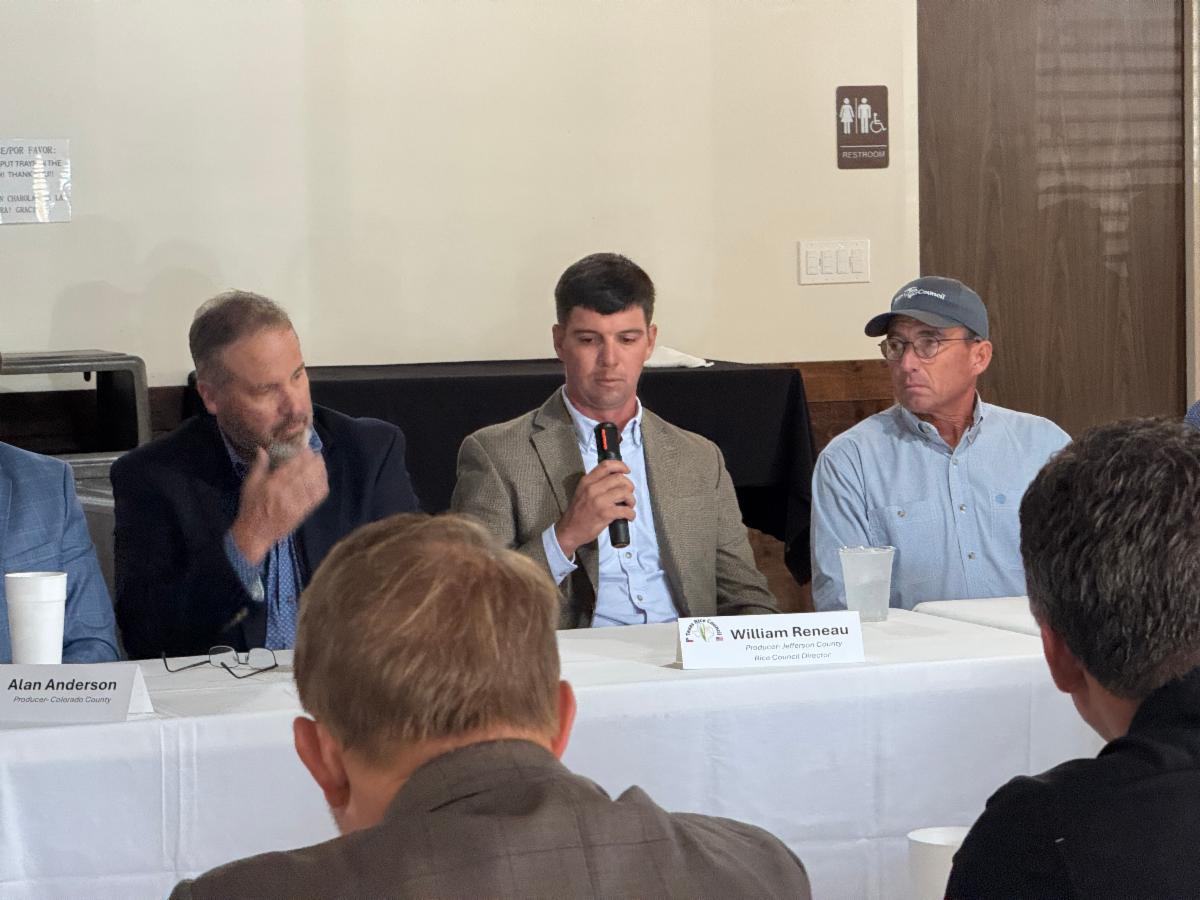
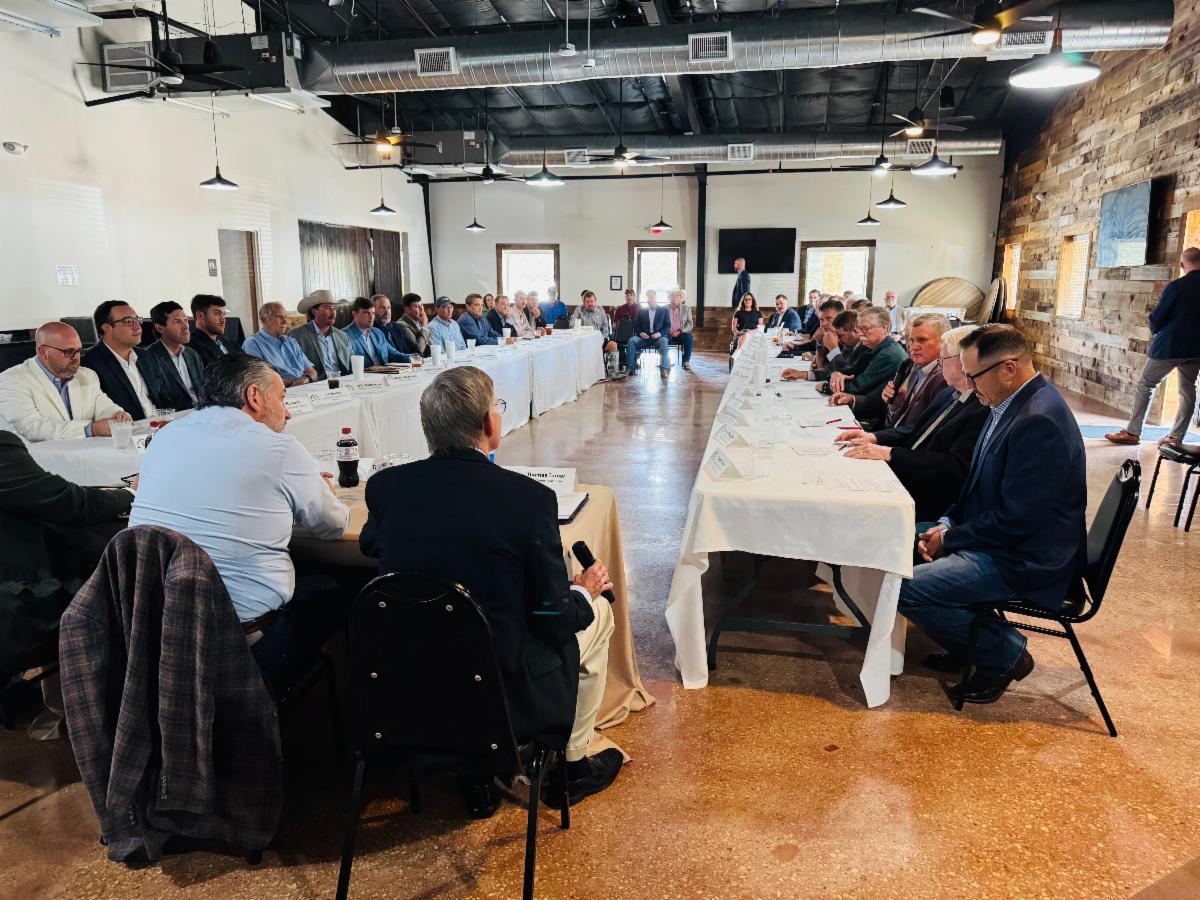
On October 17th, the Texas Rice Council Board of Directors held a special meeting with Senator Ted Cruz to discuss critical issues facing the Texas rice industry. Producers and allied industry representatives were invited to participate in the discussions.
Senator Cruz opened the meeting with remarks covering a wide range of topics. He commended the Trump administration for taking actions to strengthen America and reaffirmed his dedication to ensuring that Texas businesses thrive and high-paying jobs remain abundant across the state. His commitment to Texas agriculture was clearly demonstrated throughout the meeting.
A major topic of discussion was the rice delphacid threat. Participants reviewed short-term control strategies for 2026 and explored ways Senator Cruz could assist. The Senator expressed his understanding of the industry’s urgent needs and pledged to help expedite pesticide labeling through the EPA. He also voiced support for funding additional research to develop improved chemical solutions and resistant rice cultivars.
Economic concerns were another key focus. Following recent hurricanes, pest outbreaks, and a sharp decline in prices, Senator Cruz acknowledged the difficult economic situation confronting Texas rice producers. He expressed his commitment to supporting the industry during these challenging times.
“The Texas rice industry is facing significant challenges, but meetings like this give us hope,” said Tommy Turner, President of the Texas Rice Council. “We greatly appreciate Senator Cruz’s willingness to listen, understand, and take action to support Texas rice farmers.”
Topics such as potential economic assistance payments for the 2025 crop, emergency disaster relief for rice delphacid damage, and possible adjustments to PLC payment limitations were also discussed.
The Texas Rice Council is deeply grateful to Senator Cruz for dedicating his time and attention to securing a stronger future for the Texas rice industry.
The Council also extends sincere appreciation to the US Rice Producers Association for their invaluable assistance in organizing this meeting. Their technical expertise and support were instrumental in making the event possible. The meeting concluded with time for individual discussions and photos.
| | Strengthening Global Partnerships: USRPA Hosts Guatemalan Delegation | | |
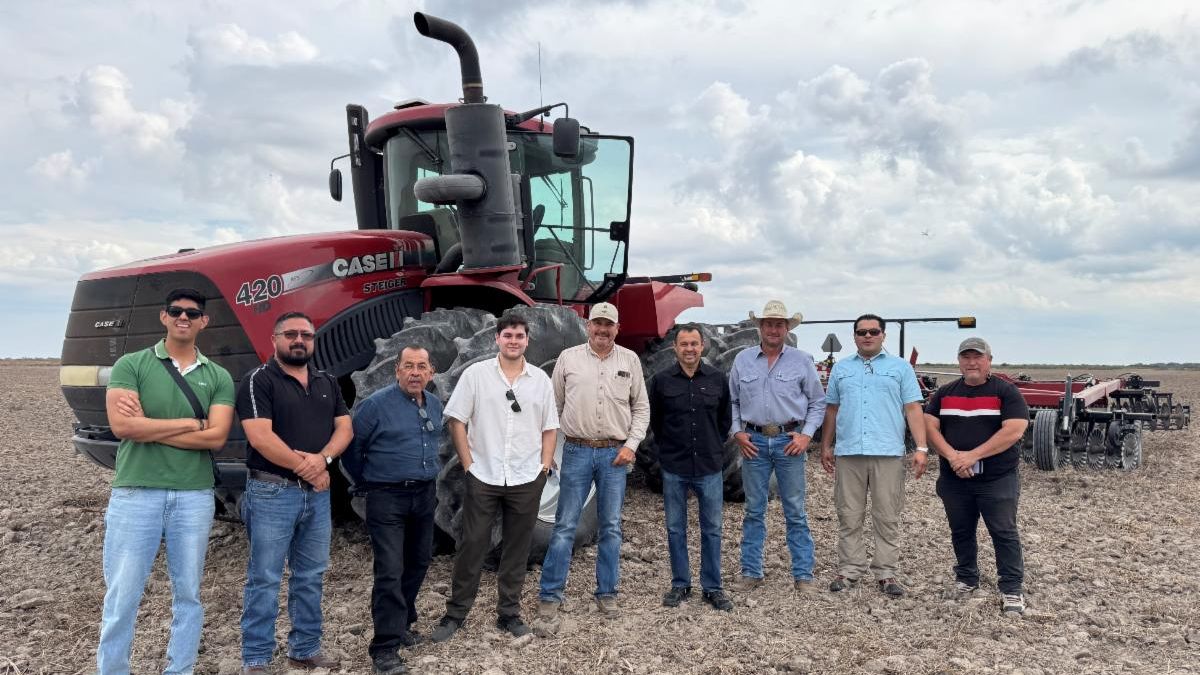
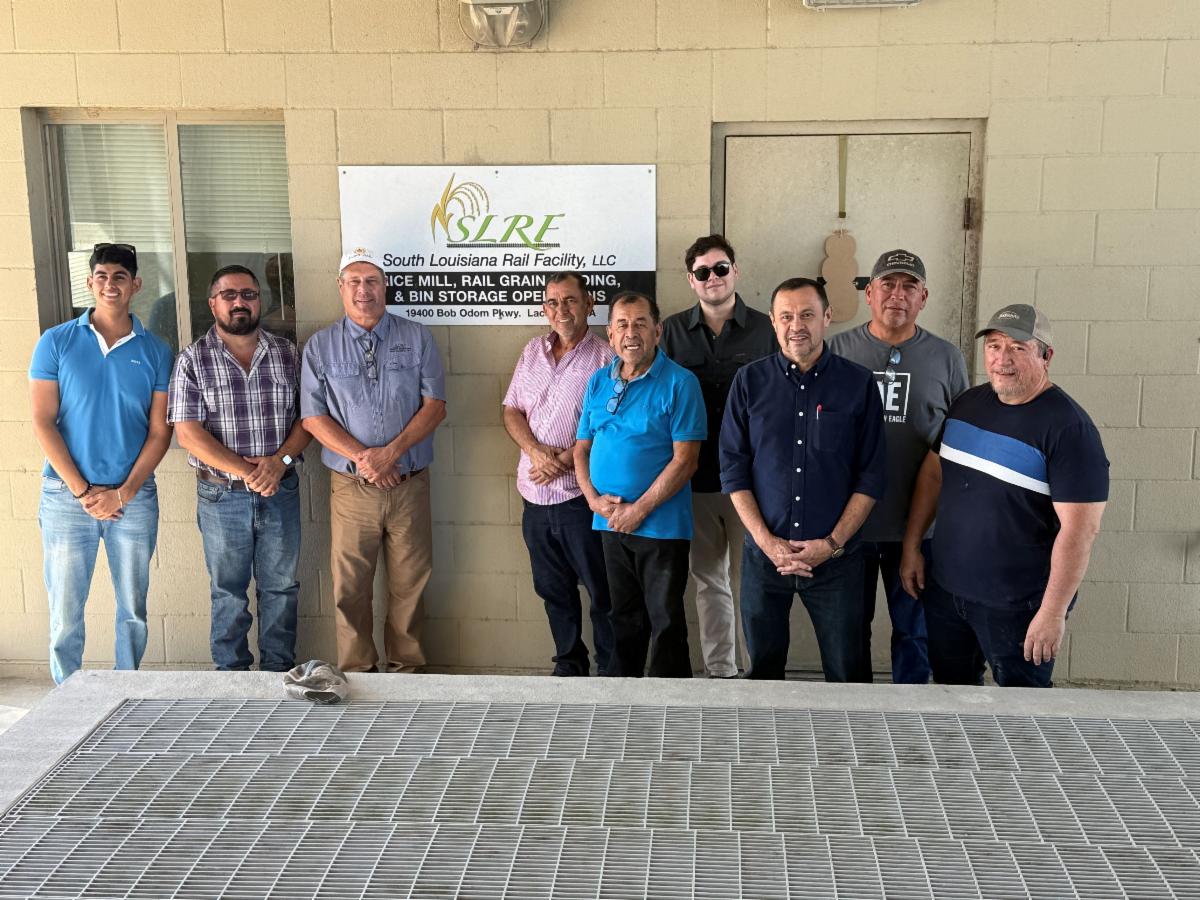
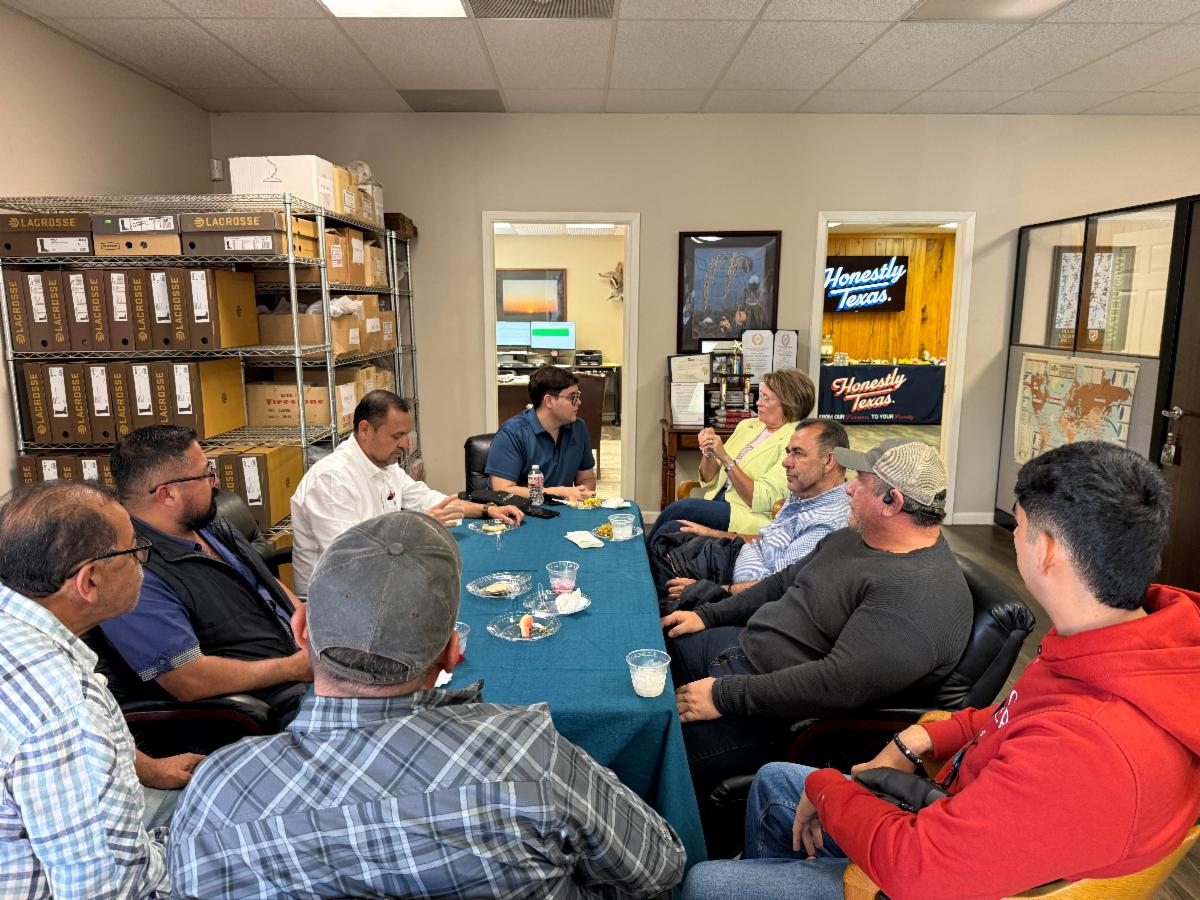
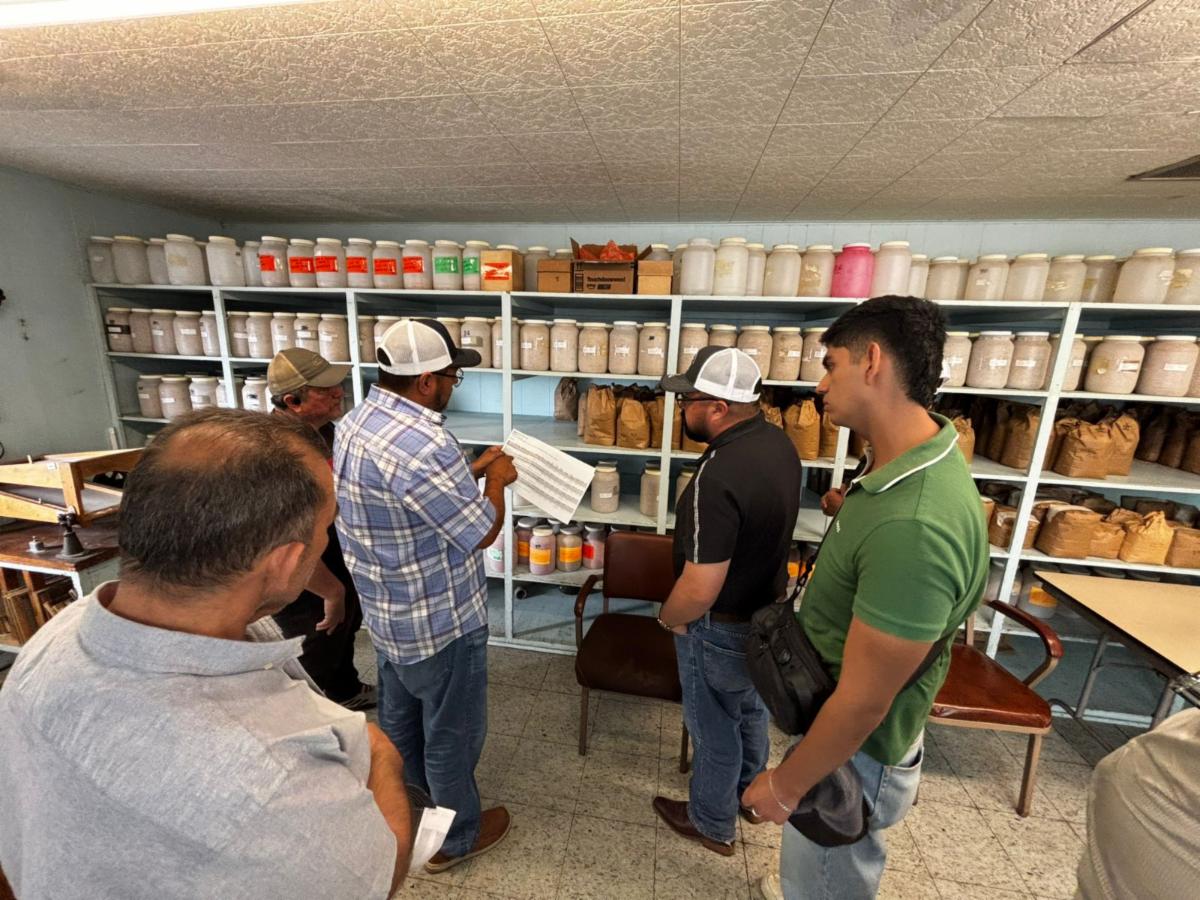
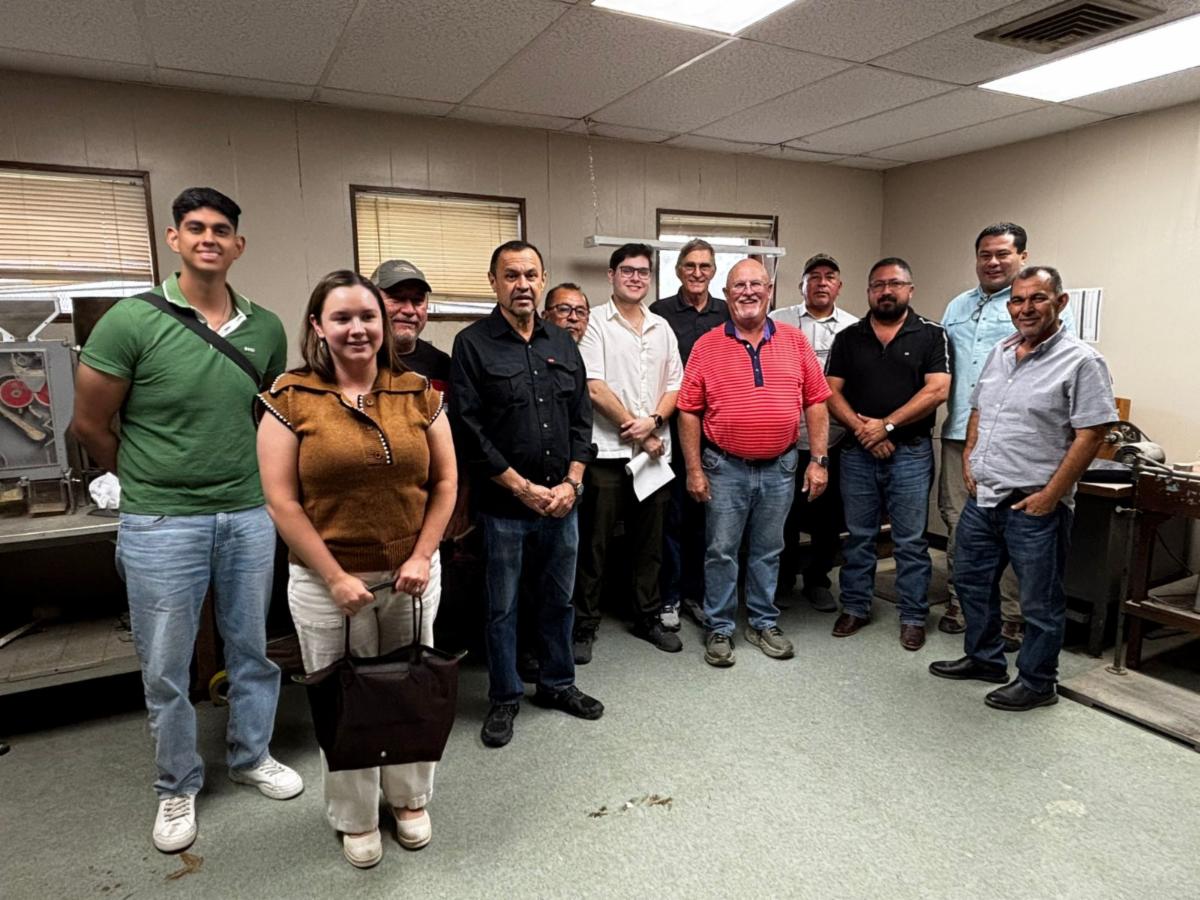
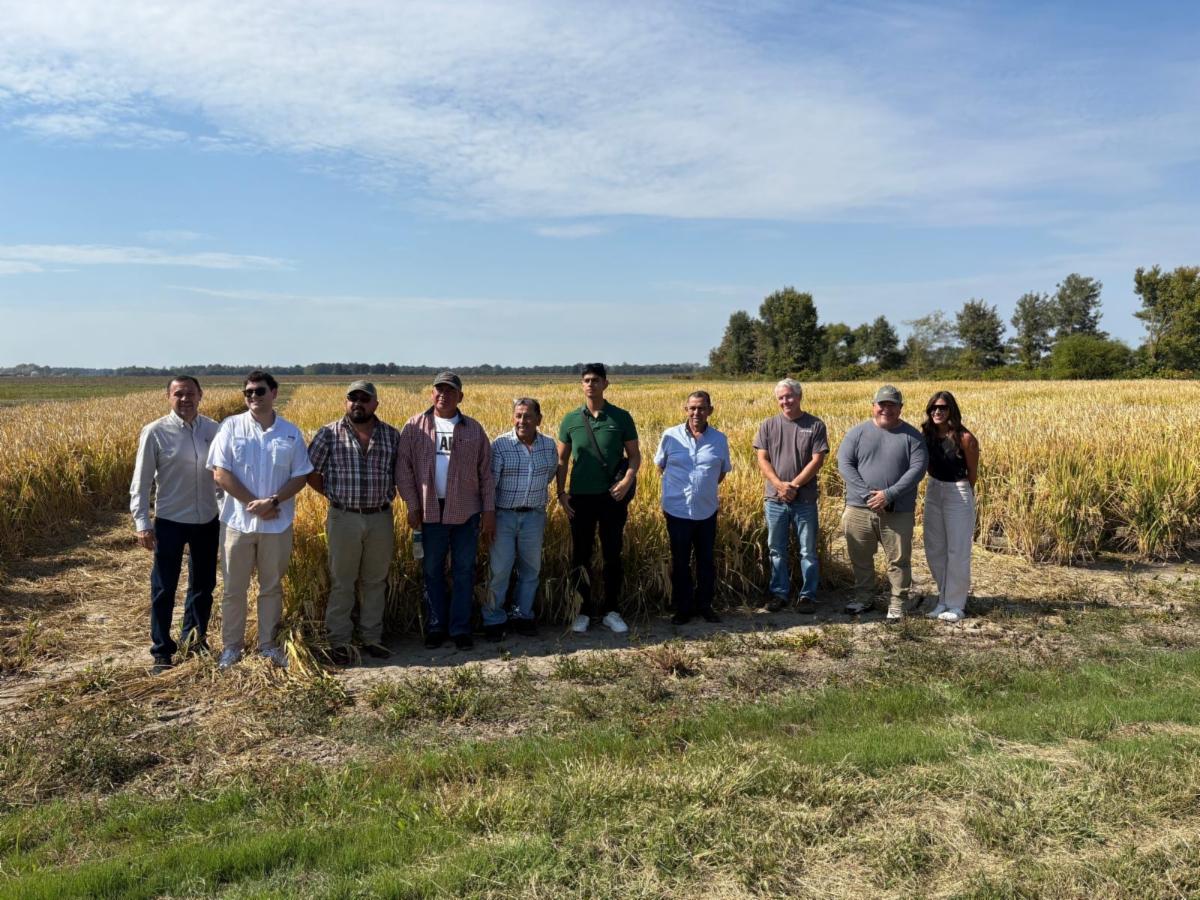
Last week, the US Rice Producers Association (USRPA) had the pleasure of hosting members of the Asociación de Agroindustriales del Arroz de El Progreso, Jutiapa, representing El Progreso, Jutiapa, and Guatemala, for a week-long reverse trade mission. The delegation visited Missouri, Texas, and Louisiana, gaining valuable insight into the U.S. rice industry, from production and milling to export and innovation.
“These visits are incredibly impactful because they allow our international partners to see firsthand the quality, dedication, and innovation behind U.S. rice production,” said Iris Figueroa, USRPA Chief Operating Officer and Director of Promotions for the Western Hemisphere. “Building these personal relationships not only strengthens mutual understanding but also helps create long-term opportunities that benefit both our producers and global partners.”
The group kicked off their trip in Memphis with a visit to Horizon Ag, where they enjoyed an insightful conversation with CEO Tim Walker. From there, they traveled north to Missouri’s bootheel region, stopping for lunch at the Missouri Rice Research Farm with local rice producers. The day continued with a discussion featuring Nutrien rice agronomist Scott Greenwalt and rice producer Zack Tanner at Tanner Seed, followed by visits with Heritage Rice Co. and the team at Poinsett Rice & Grain, as well as members of the Missouri Rice Council.
While in Texas, the group had the opportunity to visit Brookshire Drying, home to Honestly Texas Rice. Pam West shared the milestone the company had achieved in bringing Texas rice to local homes through a partnership with H‑E‑B, highlighting the importance of connecting producers directly with consumers.
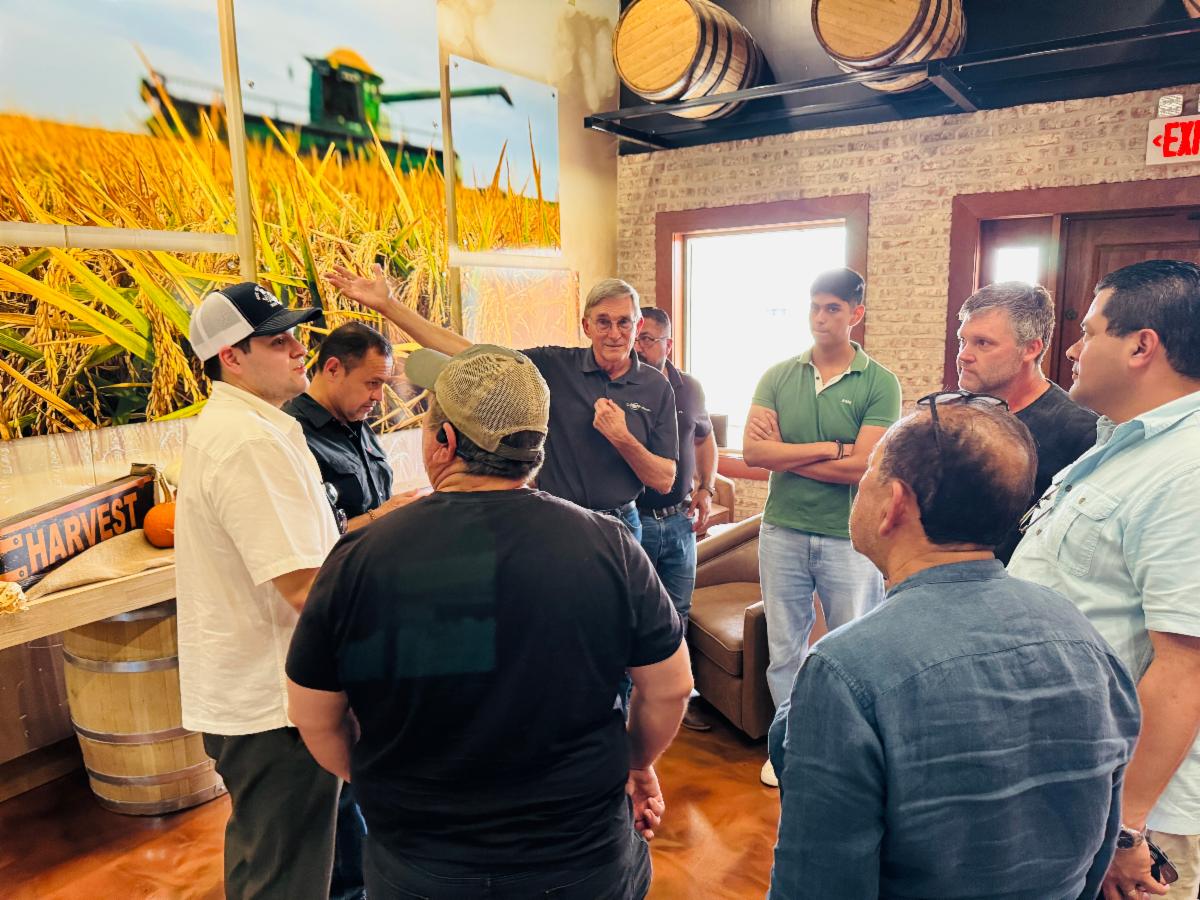
The group toured Galen Franz's farm in Victoria, TX, observing advanced production techniques and discussing the impacts of weather, pests, and the market. They continued to Cordele Farm Storage to review grain management practices. During lunch, they met with Ben and Debbie Hoffpauir from HG Rice Mill to discuss rice milling operations and local industry insights, and continued to Rice Belt Warehouse, where sustainability, storage, and competitiveness in the rice industry were highlighted. The day concluded with a visit to Rasmussen Farms Distillery, where they learned about the farm-to-bottle process, including how local rice is used in crafting spirits and the role of sustainable practices in distilling.
The delegation also had the opportunity to visit with Mark Pousson, a Louisiana farmer, General Manager at the South Louisiana Rail Facility, and USRPA Vice-Chairman, to learn more about rice export logistics and the critical role of transportation in maintaining market access. They were also able to discuss regional operations and supply chain strategies.
Throughout the trip, participants engaged with producers, millers, and industry partners, exchanging insights and exploring solutions to strengthen both local and regional rice operations.
“It was a pleasure meeting with the group from Jutiapa, Guatemala,” Eric Hover, Missouri rice producer and USRPA Chairman, said. “Visits like this are a great opportunity to share what makes our rice industry unique, exchange ideas, and build relationships.”
| | Fifth Annual Ray Stoesser Memorial Scholarship | | |
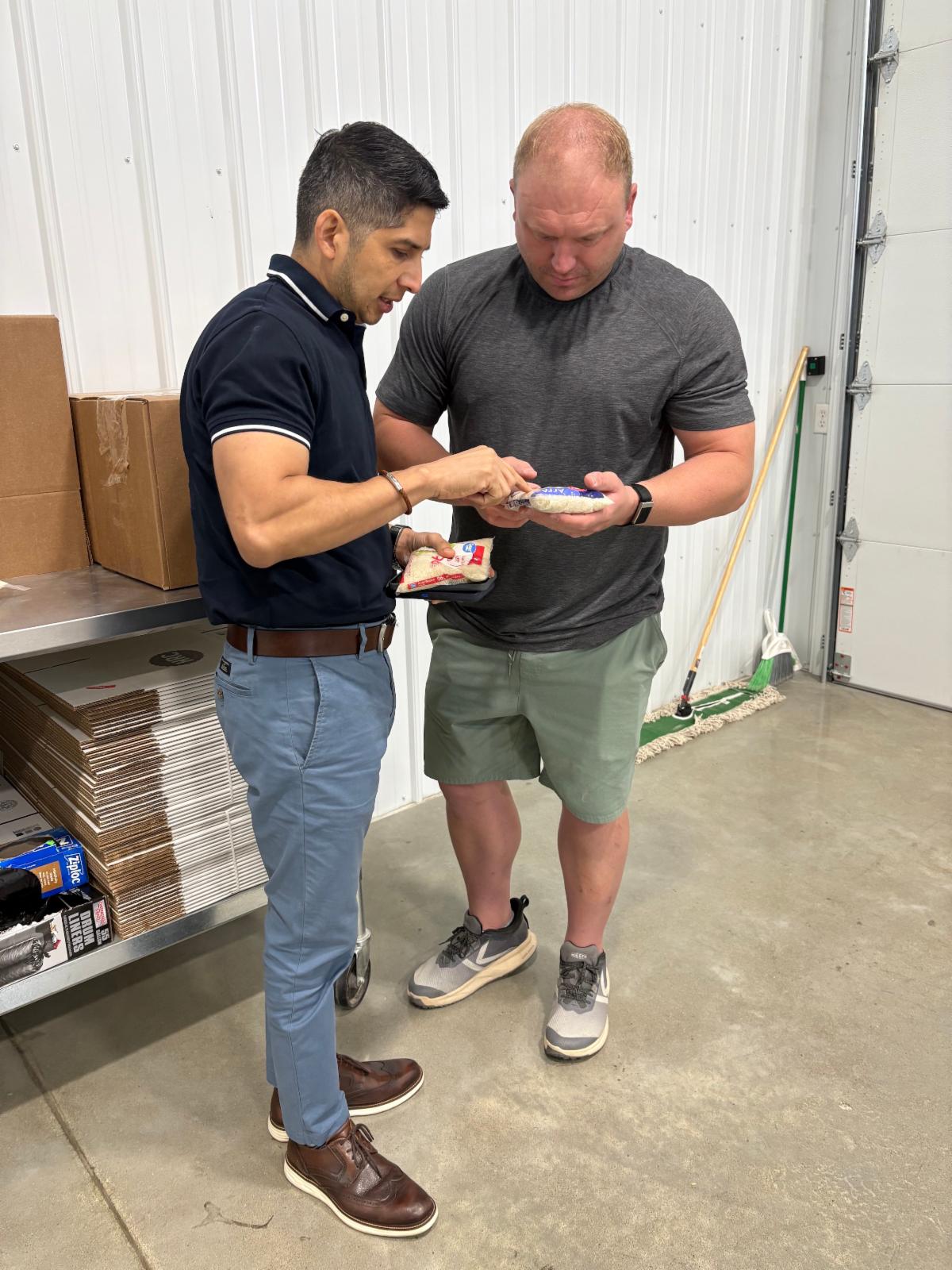
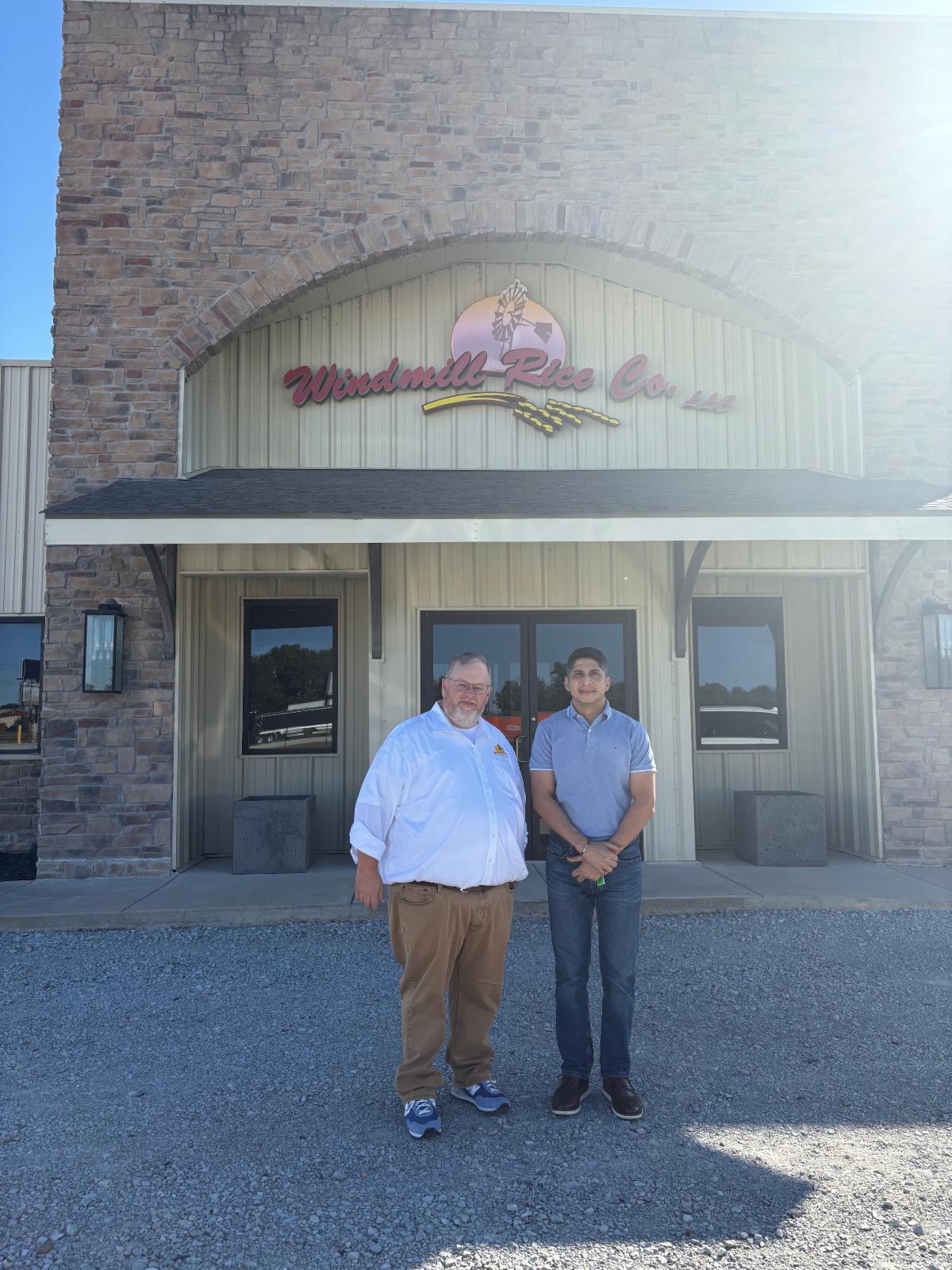
Earlier this week, USRPA President & CEO Mollie Buckler traveled with Harvey Mendoza, Walmart Central America Grain Purchasing Manager, on his third annual trip to the Delta. Among other stops in Missouri and Arkansas, Mendoza met with Blaine Stewart of Heritage Rice Co. near Bloomfield, MO, and Dustin Hamilton with Windmill Rice near Jonesboro, AR.
“What started as a USDA MAP-funded reverse trade mission two years ago has now become an annual visit,” Buckler said. “Harvey’s annual trips to the Delta are an incredible way to deepen connections with U.S. producers, millers, and merchants, and strengthen trust in the U.S. rice supply. It’s a privilege to continue to work with Harvey.”
Send us your Rice Country photos or videos on Facebook, Instagram, or via email!
| | | |  |
Food & Agriculture
Regulatory & Policy Roundup
| | | | | | |
Inter-Rice World Rice Market Report
| | | |
January 21, 2026
Western Rice Belt Conference
More details to come
| |
February 5 - 6, 2026
29th Annual National Conservation Systems Cotton & Rice Conference
Jonesboro, AR
More Information
| | |
USRPA does not discriminate in its programs on the basis of race, color, national origin, gender identity, sexual orientation, religion, age, disability, political beliefs, or marital/family status. Persons who require alternative means for communication of information (such as Braille, large print, sign language interpreter or translation) should contact USRPA at 713-974-7423. |
| | | |