|
Dear Students, Faculty, Staff, and Friends,
Welcome to 2026 in the Division of Humanities and Arts at City College!
This newsletter prominently features the accomplishments and talents of our students, alumni, faculty, and staff. It illustrates the contributions that a wide array of individuals make to our world, and it demonstrates how this diversity of perspectives and approaches shape a rich and vibrant intellectual landscape. Institutions of higher learning generally, and City College in particular, excel at providing spaces for free and open dialogue among diverse and competing perspectives. To capture that environment on these pages, we do not only report about the work that is done on campus, but we also feature first-person reflections. Often these are student-written articles about campus events. In this issue, we feature a faculty member (who also happens to edit this newsletter!) discussing her approach to Artificial Intelligence in the classroom. It evinces the thoughtful and deliberate ways that we approach teaching in Humanities and the Arts, and how our faculty rise to the challenges of a changing world.
Sincerely,
| | | | |
The Blinking Cursor and the Purpose of Pedagogy: Writing Slowly in an Efficient World
| |
Faculty Perspective Article
By Kylee Pastore Asirvatham
I love writing. I teach writing. And still, I confess, I often avoid writing. The blinking cursor taunts me. Writing front-loads effort with no guaranteed payoff—an uncomfortable fact that clashes with our culture’s taste for efficiency. Yet this risk is more intrinsic to all of our endeavors than we often care to admit. We like to think we live in a world that we can control: if we work hard, we get the promotion; if we invest our money, we'll get a return; if we make an exciting discovery, we'll be praised; if we abide by the law, we'll stay out of detainment or jail; if we go to enough counseling, we'll overcome our problems; if we answer a question, we'll be heard. No matter how well this motivates us, outcomes frequently lie outside our control. Writing, though, that's an activity that won't let you fall prey to the certainty formula. When I sit down to write, I regularly think, what's the use of this? I can't guarantee that it will be published or that people will read it. I can't even guarantee that it will be decent when I finish or that I will finish at all. And as soon as I succumb to the modern cult of utility-determines-value and the pressures of using my time wisely, that’s when I'm most desperate to find a way to expedite the writing process.
I think my students feel something similar; it's why they turn to AI habitually to write papers for my literature and writing classes. Some are Biology majors, and Homer's Odyssey just doesn't have a visible impact on their career trajectory. Some work full-time, care for their family members, and often take four or five courses a semester. Meditating on the rhythm of a sentence consumes valuable time that could be used for a much-needed break. And what can I tell them? Those things are true. In fact, I often wrestle with my own version of them, too.
~
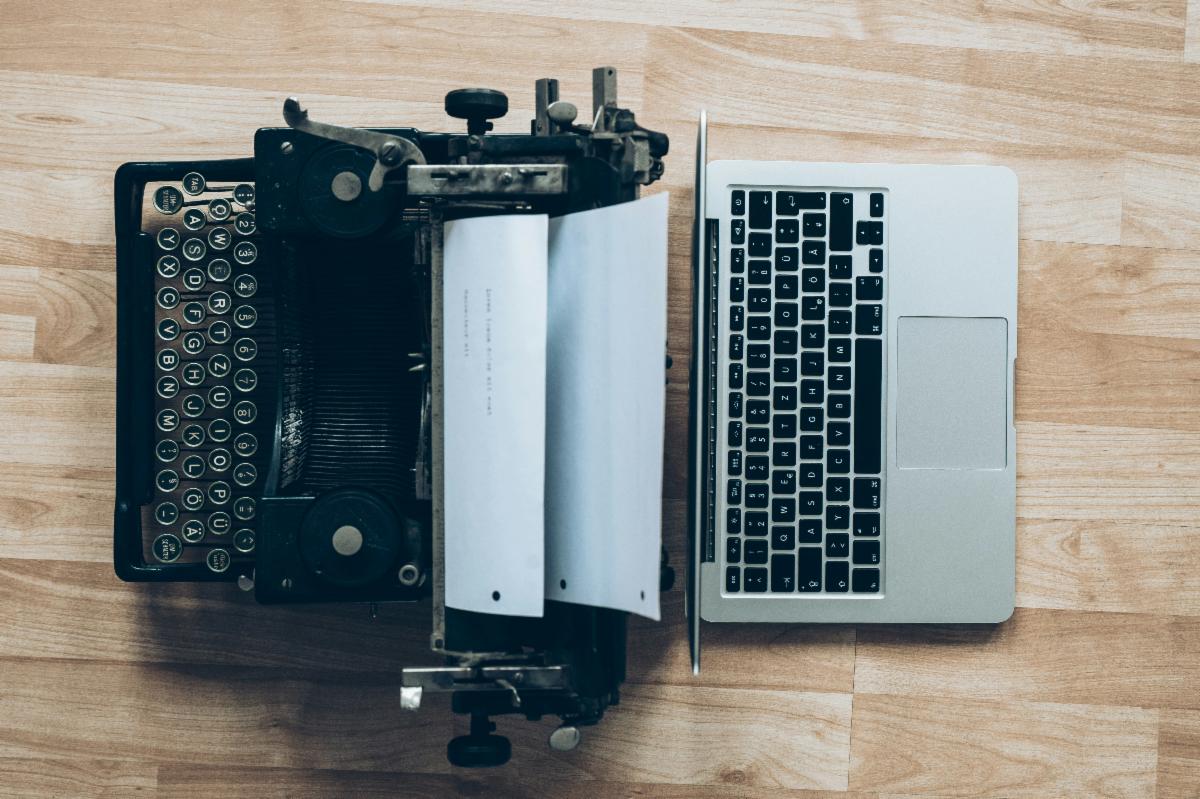
Large language models have disrupted our writing pedagogy, much like the Spinning Jenny did in the early days of the Industrial Revolution, introducing automation into the analog machine for streamlined output. Brian Merchant points out in his book Blood in the Machine that we, in the North Atlantic, live in a society where disturbing and disrupting an industry is prized. And this disruption is often the catalyst for both excitement and pain. Those of us who love writing and have made our careers in it not only find our love challenged by large language models, but also find the trajectory of our careers potentially splintered or at least devalued. Yet, disruption doesn’t need to be the enemy or even an obstacle. In fact, we often rely on it.
| |
Anonymous Was A Woman (AWAW) and New York Foundation for the Arts (NYFA) Announce 2025 Environmental Art Grants Recipients
| |
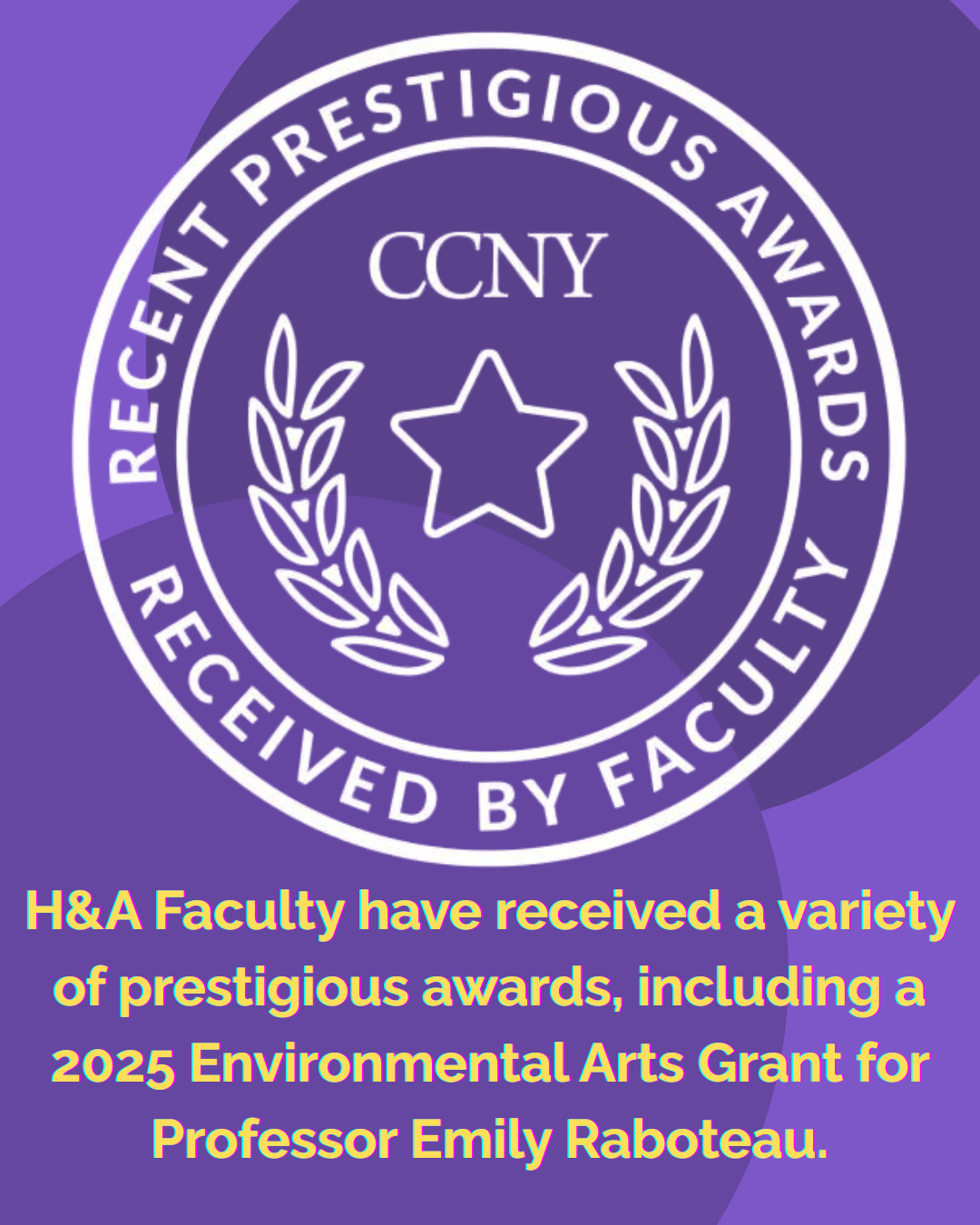
The Division of Humanities and the Arts at The City College of New York has an abundance of good news to share from its faculty.
Writer and Professor Emily Raboteau (Lessons for Survival: Mothering Against ‘the Apocalypse’) received a 2025 Environmental Arts Grant from the New York Foundation for the Arts and Anonymous Was a Woman. The grant supports environmental art projects led by women-identifying artists from the United States and U.S. territories. Raboteau, a professor of Black Studies, was awarded $20,000 for her project, “Voices from the Cross-Bronx Expressway.” Her book-length essay in-progress amplifies the perspectives of local activists combating the Cross-Bronx Expressway’s toxic harm for the sake of generations to come. In addition to historically displacing residents, separating communities, and abetting segregation, it is one of the most congested interstates in the nation with some of the highest rates of traffic and collisions. The neighborhoods surrounding the corridor suffer not only some of the worst health issues in the city, but the highest rates of asthma in the country. Raboteau’s work will examine what it means to survive environmental racism and to struggle against it.
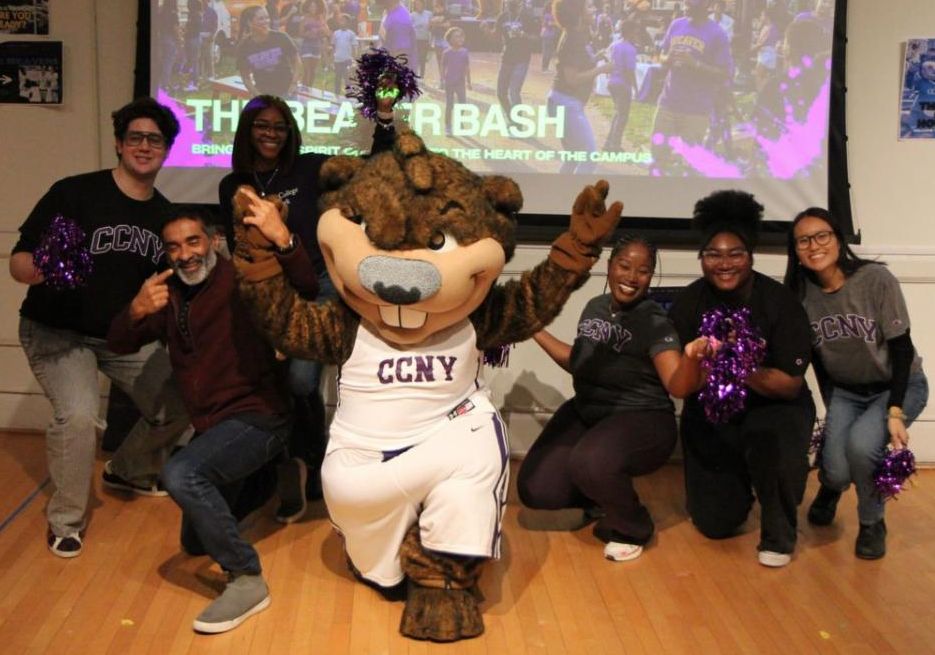
| | Last semester, students in the BIC Program completed their Fall Capstone Project in partnership with CCNY’s Office of Student Life and Athletic Department, developing strategies to increase game attendance and strengthen school spirit. The collaboration gave students hands-on experience working with campus stakeholders while contributing to the energy and visibility of CCNY athletics. | | Kiana Soriano | Journalism | |
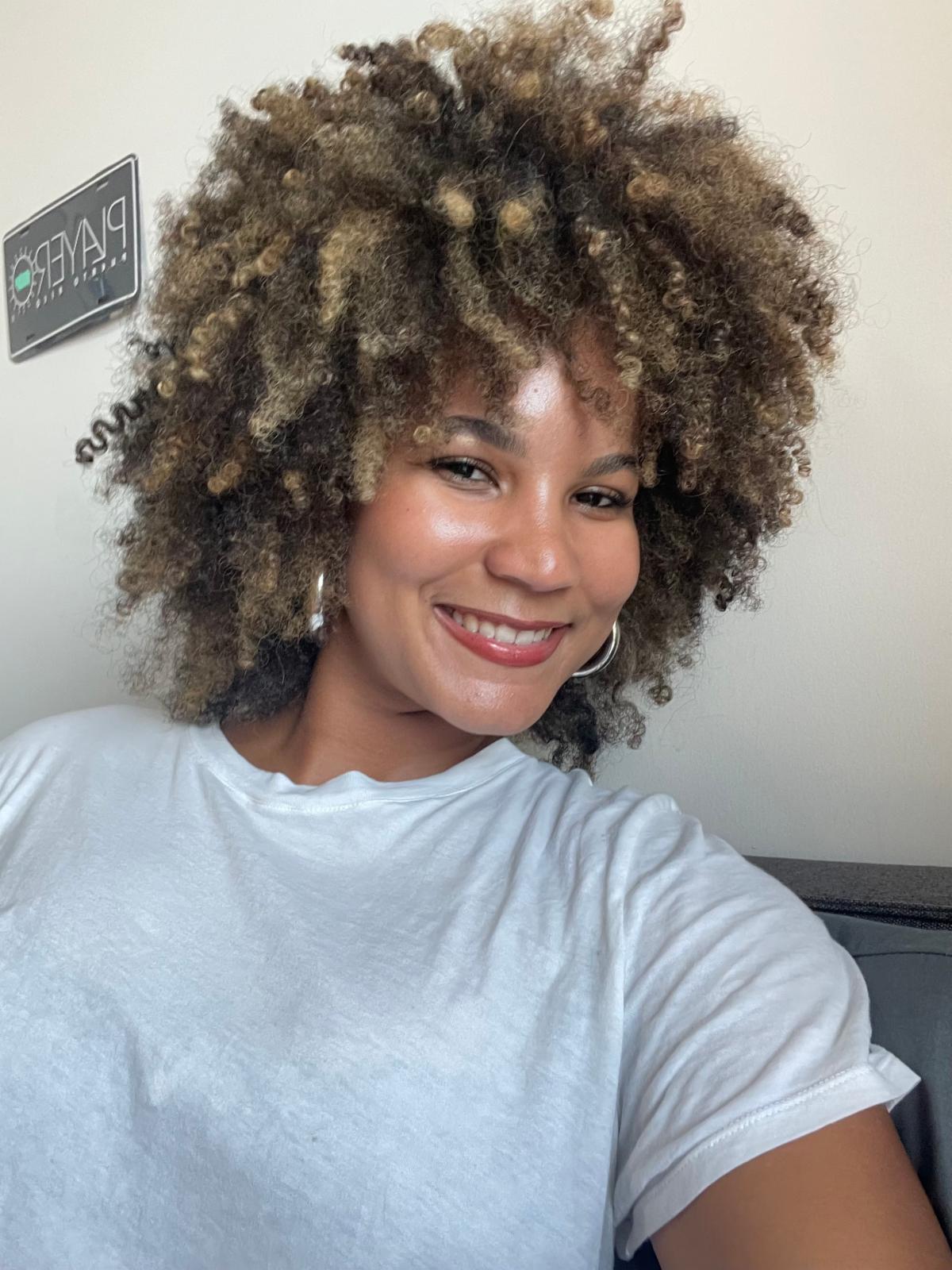
Journalism student Kiana Soriano is the author of “Individuality Over Trends: Lessons from Fashion History,” a new post on the CCNY Libraries Blog that explores what historical dress can teach us about sustainability, care, and individuality today. Written as part of her Rockefeller Archive Center–CCNY Internship during Fall 2025, the piece draws on hands-on research in City College’s Archives & Special Collections, where Kiana examined fashion plates, garments, and archival materials to challenge common myths about hygiene, consumption, and progress. Blending fashion history with environmental insight, her article connects past practices of preservation and mindful water use to contemporary concerns around fast fashion and climate change.
Read Kiana’s full article on the CCNY Libraries Blog.
| | Joslyn Duncan-Asé | MFA Film '11 | |
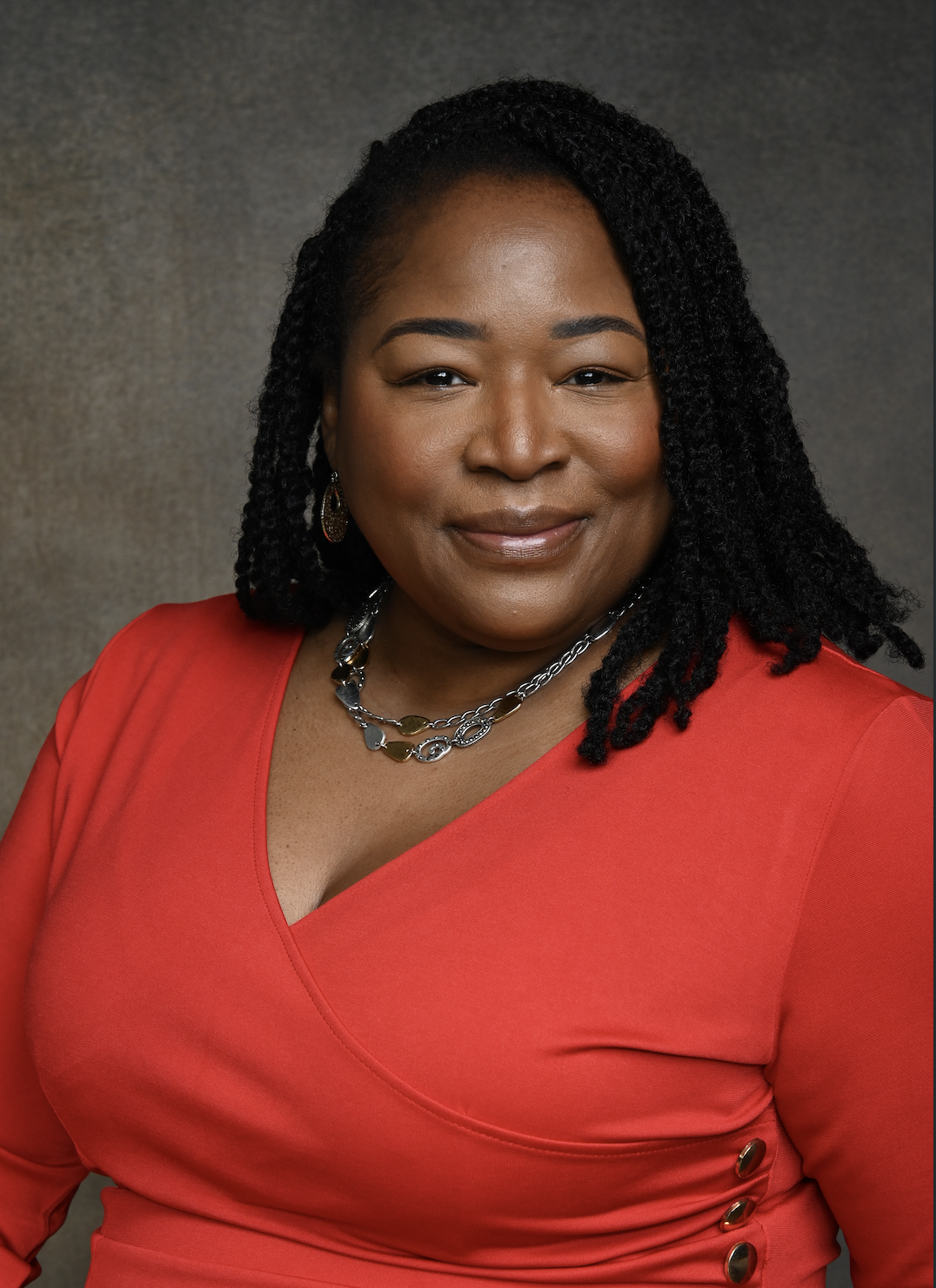
CCNY alumna Joslyn (Jos) Duncan-Asé (MFA Film ’11) has been named a 2025 Fellow of the Pew Fellowships in the Arts, one of the nation’s most prestigious and competitive awards supporting working artists. The fellowship provides $85,000 in unrestricted funding, along with professional development resources including financial counseling, workshops, and residency opportunities.
A documentary filmmaker whose work centers black, brown, and indigenous communities, Duncan-Asé tells intimate, community-rooted stories that honor care, memory, and resistance—from conversations in hair salons to multigenerational legacies shaped by love and survival.
| | Rachael Warmington | MFA Creative Writing '10 | |
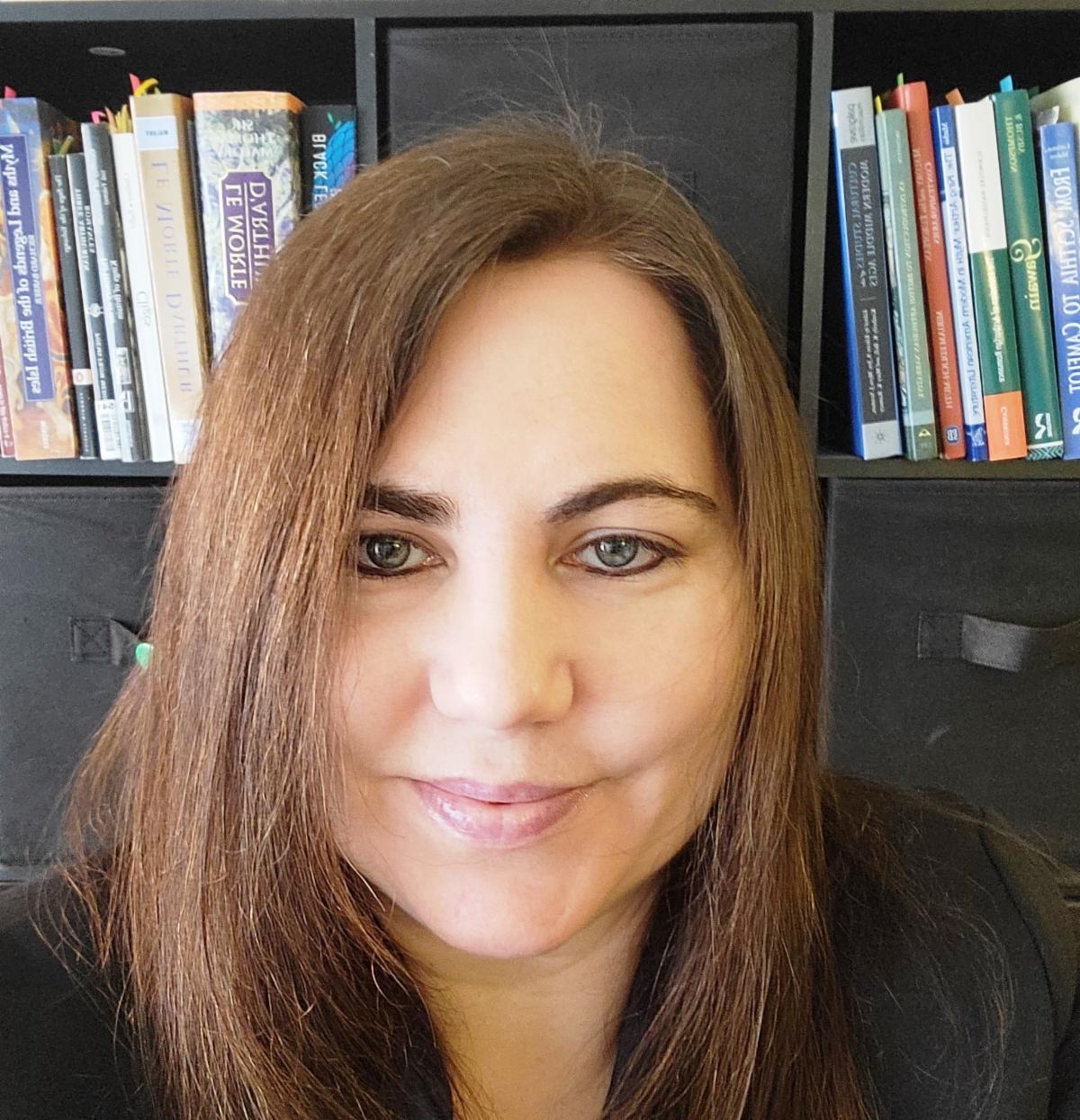
Congratulations to Rachael Warmington (MFA Creative Writing ’10) on the completion of her PhD in Literature and Criticism from Indiana University of Pennsylvania (December 2025). Her dissertation, “Archaism to Medievalism: The Ideological Function of Adaptations and Appropriations of Arthurian Legend in Contemporary Literature,” examines how medieval and modern retellings of Arthurian legend reflect and contest cultural belief systems, power structures, and social anxieties across literature, film, and television.
Warmington is a faculty member in the English Department at Seton Hall University, where she also serves as Editor-in-Chief of the Watchung Review (NJCEA) and Chair of the Digital Humanities Faculty Learning Community.
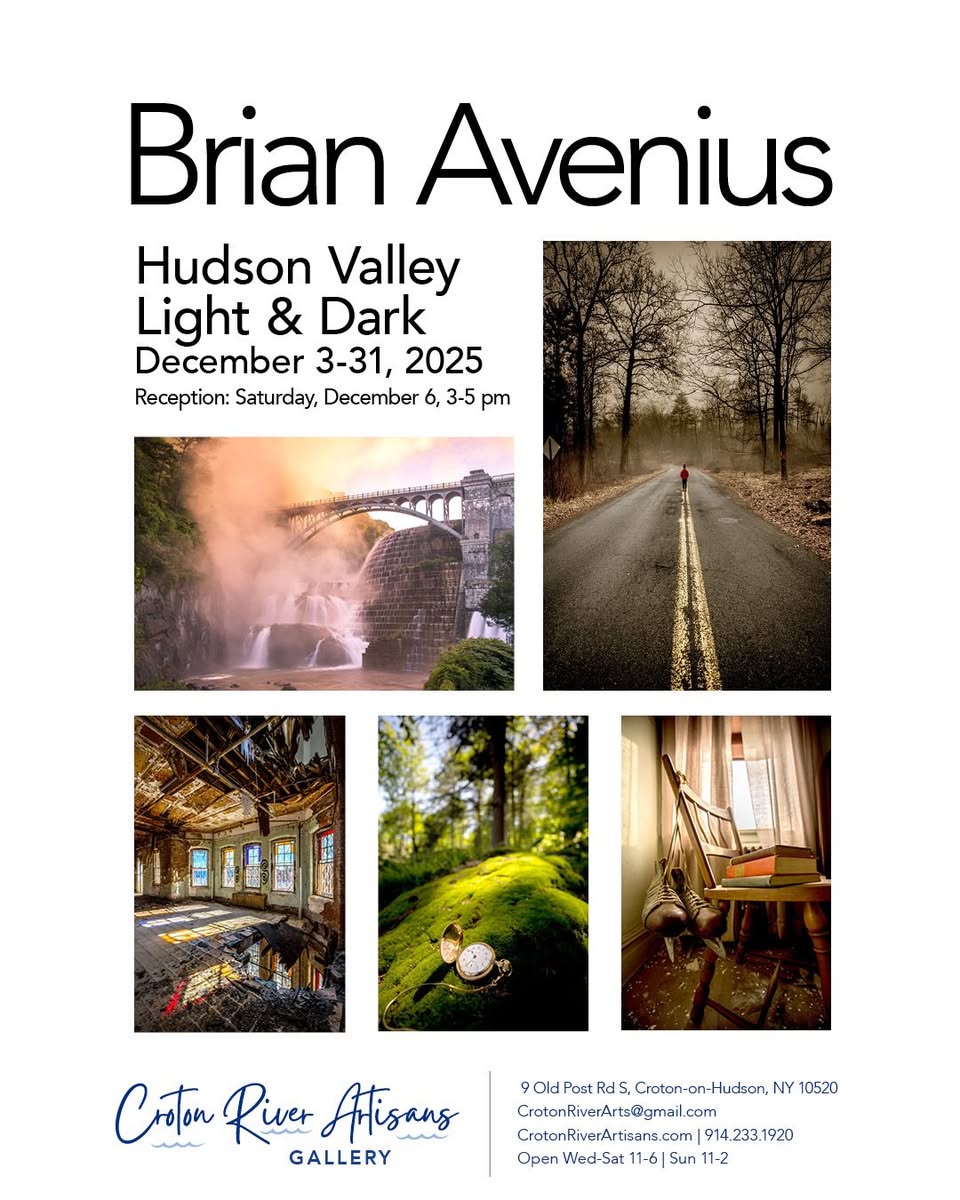
| | Last month, Adjunct Professor Brian Avenius presented a photography exhibition dedicated to the Hudson Valley, marking a return of his work to the region. Avenius, who has taught in the BIC program for the past two years, is an avid photographer known for documenting abandoned buildings and overlooked landscapes. | | | | |