The City College of New York

DIVISION OF

HUMANITIES

AND ARTS


6 May 2026 | Renata Kobetts Miller, Dean

The Weight of Memory: Alumna Diana Guerra’s Journey from the Archive to the Classroom

Student Article by Stephanie LaBruna


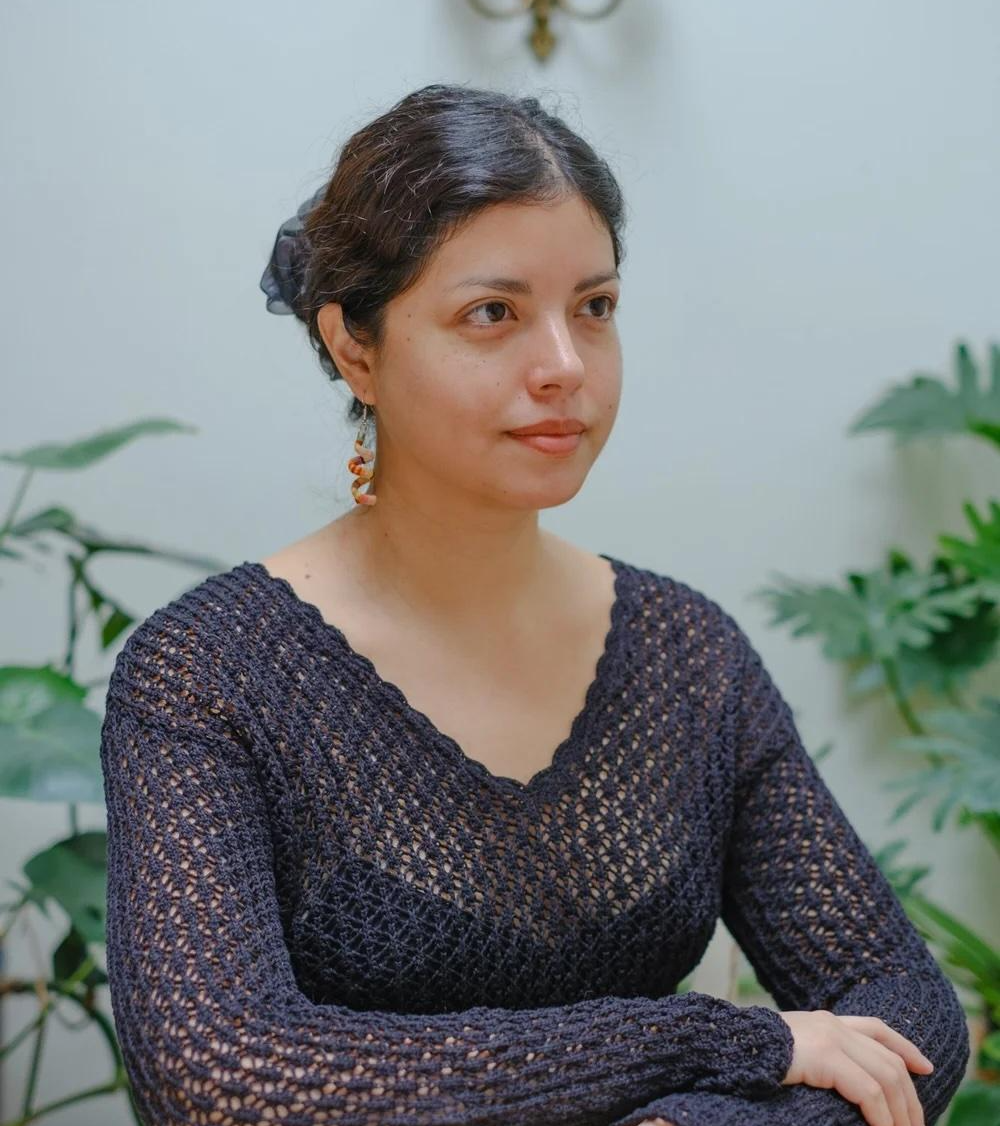
Step into the Bronx Museum and you will find an emotional landscape built from metal, glass, and fragmented time. CRT monitors glow atop metal stands, their colorful cables physically mapping the complexities of diasporic memory. Faced with a lack of surviving photographs from her mother’s childhood in rural Peru, Diana Guerra—a Peruvian American lens-based artist and City College alumna—had to build her own archive by sourcing a 1960s German educational film about a young rural Peruvian girl. This culminating work of the 2024 AIM Fellowship at the Bronx Museum weaves those found images together with new, intimate footage shot in collaboration with her family, reconstructing a visual history of her family’s erased heritage. 


Before the archive, Guerra was studying the frameworks of society itself as an undergraduate at the Pontifical Catholic University of Peru. That sociological grounding never left her practice; it keeps her work rooted in questions of power, colonization, and the deliberate erasure of indigenous archives. After building a portfolio and completing a year at Parsons School of Design, the need for a more expansive, interdisciplinary space led her to CCNY’s Digital and Interdisciplinary Art Practice (DIAP) MFA program, where she graduated in 2020—the same institution where she would later return to teach. 


Today, Guerra has traded her seat in the DIAP program for a desk at the front of the room. Returning to CCNY in 2022 as an adjunct professor in the photography department brought an unexpected weight. Teaching, she quickly realized, requires profound pedagogical and emotional labor—the content itself is only the beginning. The real work is social and interpersonal: making students feel seen, challenged, and safe enough to take risks. It was a humbling discovery of how much a good professor actually carries.  


In her classroom, the primary rule is freedom. She actively works to dismantle the paralyzing expectation of perfection, reminding students that experimentation is precisely where the magic happens. Rather than dictating their process, she wants them to take ownership of their education and feel secure enough to make mistakes without fear. In return, the energy of the classroom feeds her own creative pulse. 


For the next generation of CCNY artists sitting where she once sat, her advice is simple but demanding: trust yourself. Embrace the messy process of experimentation, but understand that growth requires deep discipline and hard work. The studio is only part of it—showing up, putting the work in front of people, building the relationships that carry it further—that labor is its own practice, as essential as anything made behind closed doors. For Guerra, it is advice she has lived: from a sociology classroom in Lima, to the emotional landscape now glowing in the Bronx.


You can view Diana Guerra’s installation at the Bronx Museum as part of the AIM Fellowship exhibition. To stay updated on her latest work—including photography, collaborative filmmaking and social practice projects—visit her website and follow her journey on Instagram.


The Virtues and Vices of Snail Mail: Lessons from Inside an H&A Internship Program

A Student Perspective Article by Sophie Torres


In her first article, Sophie Torres took us inside the uncertainty, urgency, and small victories of landing an internship, demystifying a process that often feels out of reach for students navigating it for the first time. Now, in the second installment of this three-part series, she shifts from getting in the door to what it actually means to be there.


At PEN America, Sophie’s work quickly revealed a side of publishing that is rarely seen from the outside. What began as an opportunity to build professional experience became an encounter with the fragile, complicated systems that shape how stories move, and sometimes stall, in the world. This next chapter of her journey offers a closer look at the realities of the internship itself: the rhythms, the obstacles, and the unexpected moments that define what it means to participate in a literary ecosystem.


For the nearly two million people currently incarcerated in the US, physical mail is the only connection to the outside world. While for us the world keeps spinning and moving daily, for them, days awaiting correspondence can be long, grueling, and disheartening. When I began my internship at PEN America, I had no idea about the nuances that go into working with incarcerated writers. The Prison and Justice Writing Program at PEN was founded in the wake of the Attica prison riots and has been operating for over 50 years. They offer several different initiatives, the main ones being the PEN Prison Writing Awards and PEN Prison Writing Mentorship Program (Prison and Justice Writing Program, or PJW). The majority of award submissions and mentorship communications come through the mail: in 2024, the PJW received over 1,200 handwritten submissions for awards. The majority of my work with PJW involves reading and responding to correspondence sent from incarcerated individuals. This means I am primarily working with "snail mail."


Physical mail is the most common form of communication for incarcerated people. However, this system has a multitude of drawbacks; pieces of mail may be damaged in the shipping process, confiscated, or can even be lost entirely. Barring these complications, mail can still take weeks or months to reach its final destination. Most writers send original copies of their work, which can be risky. Every day, prisons and jails across the US are changing their rules and regulations regarding physical mail correspondence. On my first day at PEN America, I was given a postal mail protocol document: a six-page guide chronicling the updated requirements that US state and federal facilities have set for physical mail. These requirements range from the number of pages allowed in one envelope, to the type of pen that can be used, to the color, size, and material of the paper or envelopes permitted inside. On top of physical rules and regulations, the process of sending physical mail is often slowed by the US Postal Service or impeded by correctional officers, who have been known to read, censor, or even plant contraband in incoming letters.


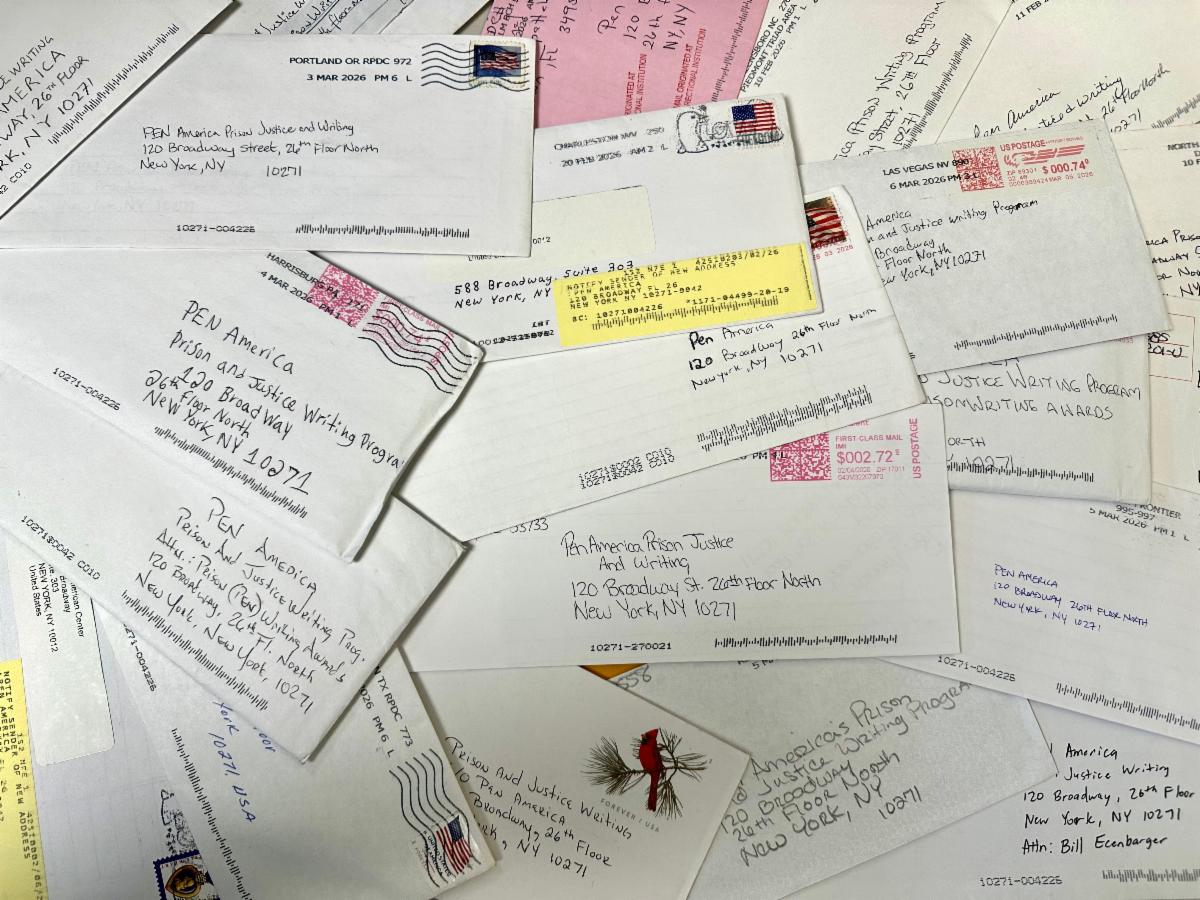
Every day that I approach my desk at the PEN America offices, I take a moment to observe the tower of new incoming letters, which grows daily. Between stacks of handwritten submissions and general inquiries about the program are dozens of return-to-sender envelopes. This was one of the facts I was most surprised to learn while on the job; the majority of letters you send may be sent right back to you, and not always immediately. Often, when mail is returned, the reason is not marked on the envelope, leaving it up to us to troubleshoot. Some of the most common reasons are that an individual has been transferred, released, or paroled. If none of these apply, the most likely explanation is that new rules and regulations have been put in place for that distinct facility or institution. 


Aside from mail being returned, it is often delivered damaged or in a tattered condition. My supervisor, Jess Abolafia, once told me about a time a piece of mail was delivered to her, ripped clean in half. The entire envelope, including its contents, had been torn right down the center, placed in a USPS plastic bag with large letters stating, “WE CARE” plastered across the front; the juxtaposition was not lost on her. Letters also frequently arrive with evidence of censorship from correctional officers: dark black sharpie ink striking through pertinent information, such as the sender's name or address, which is often covered by large red Department of Corrections stickers. 


Upcoming Events

Student News

Ja'Quan Brown | Black Studies

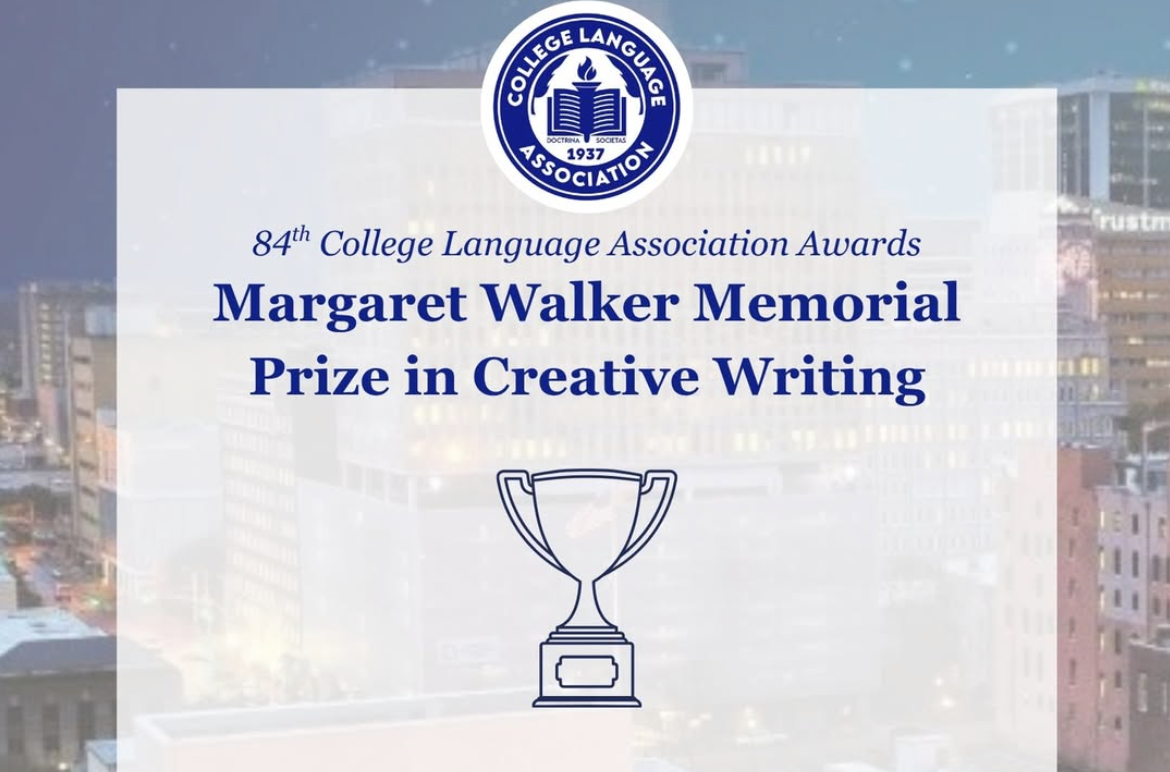
Ja’Quan Brown, a Black Studies student at CCNY, earned second place in the Margaret Walker Memorial Prize in Creative Writing at the 84th College Language Association Awards for his piece, “Brownstone Flocks Made It.”


Alumni News

Keisha Gaye-Anderson | MFA Creative Writing

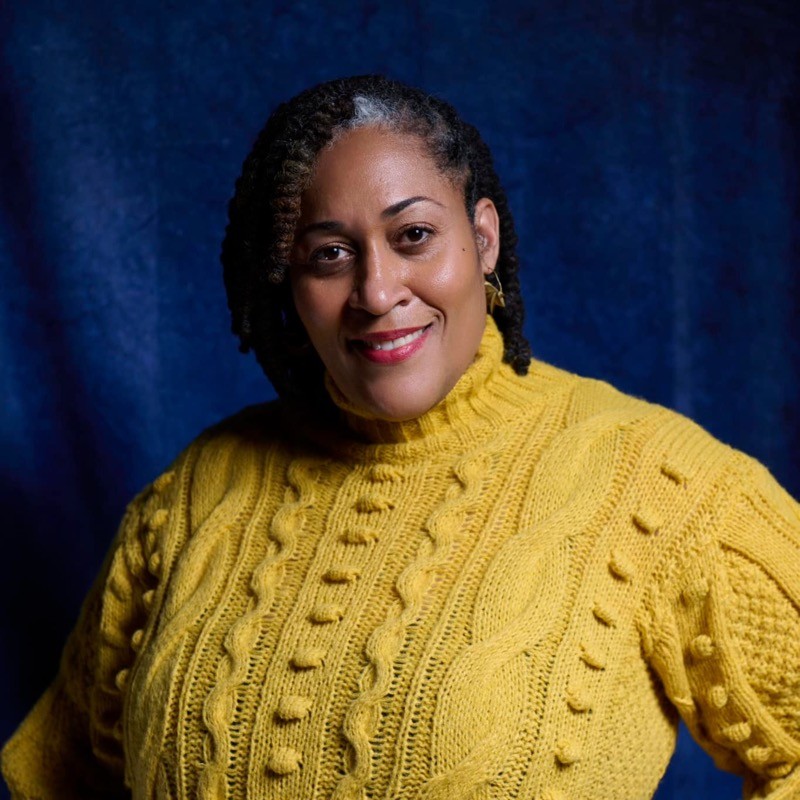
Congratulations to poet and educator Keisha Gaye-Anderson, who was nominated for a 2026 Pushcart Prize for her piece "Gathering the Waters."


Let's stay in touch!

If you are or will be using a different email address than this one, please use this link to update your information, and we'll take care to keep you in the loop!


Would you like to submit a professional accomplishment or publication?

Faculty and staff, please fill out a communications request here. If you are an alum, you are welcome to email your news to kpastore@ccny.cuny.edu

SUPPORT THE DIVISION OF HUMANITIES AND ARTS


Follow us!

Facebook  Web  Instagram  LinkedIn


Copyright © 2025 | Division of Humanities and the Arts , The City College of New York. All rights reserved.

Edited by Kylee Pastore Asirvatham

humanities@ccny.cuny.edu

The Division of Humanities and Arts-The City College of New York | 160 Convent Avenue NAC 5/225 | New York, NY 10031 US