|
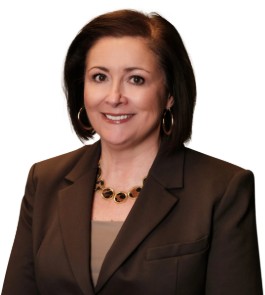
How do researchers make sure survey questions truly capture people’s experiences? In this Q&A, Anne Deutsch, PhD, RN, a research scientist in the Center for Rehabilitation Outcomes Research (CROR) at Shirley Ryan AbilityLab, explains how cognitive interviewing helps refine survey questions. She discusses how the method helps to reveal how respondents interpret questions, identify potential sources of error and ensure surveys accurately reflect the lives and priorities of home and community-based services users.
| | |
Laura Vegas is director of quality initiatives and supporting families at the National Association of State Directors of Developmental Disabilities Services (NASDDDS). She helps states strengthen HCBS through initiatives like the National Core Indicators and the Community of Practice for Supporting Families with a focus on quality and person-centered systems. Vegas is on the advisory council of CROR's Rehabilitation Research and Training Center on Home and Community-based Services.
| | | Get Involved in Our Research | | CROR researchers are seeking current and former HCBS recipients to test survey questions designed to measure the person-centeredness of their services. Eligible participants will complete two or more one-hour surveys, online or via phone or Zoom, to share their experiences with HCBS. | | Researchers at Shirley Ryan AbilityLab are recruiting participants for MENTOR. This online wellness program is tailored to each individual's goals and includes free exercise equipment, access to adapted fitness classes, cooking demos, mindfulness training and a supportive community. | | |
| |
On this episode of INside the OUTcomes, we talk with Viraj, 29, about living independently in Utrecht, the Netherlands, after a spinal cord injury. Viraj shares his journey from a life-changing accident in India to intensive rehabilitation and returning to work in Utrecht, highlighting the unique support system that allows him to live independently in fully accessible housing.
Find the podcast on Spotify, Apple Podcasts or YouTube, and browse the podcast archive for past episodes.
| | A curated roundup of recent HCBS-related articles for our readers to enjoy. | | |
Exploring Home and Community-based Service Needs Among Rural Family Caregivers of Older Adult US Veterans. Marfeo E, Chamberlin E, Venegas M, Ngo V, Shirk SD, Hicken B, Cruise C, Moo LR. Journal of Applied Gerontology. March 2026.
Rising Home Care and Falling Wages: The Impact of the Growing Share of Home Care Workers on Direct Care Worker Wages. Kim J, Gonalons-Pons P, Dill J. Journal of the American Medical Directors Association. March 2026.
Medicaid Home and Community-based Services Are Vital for Adults with Intellectual and Developmental Disabilities: A Descriptive Study of Service Use Among All Adult Enrollees, 2022. Rosenberg S, Garcia Estrada JA, Tewolde S, Higgins A, Tao J, Levine AA, Sisson EQ, Michals A, Rubenstein E. Disability and Health Journal. Feb. 2026.
Factors Associated with Initial Type of Long-term Services and Supports Among Dual-Eligible Beneficiaries. Kim KR, Stevenson DG, Kim J, Fabius CD, Keohane LM. Journal of the American Medical Directors Association. Feb. 2026
Aging In Place: The Important Role Medicaid-funded Home and Community-based Services Play. Bethel M, Clagett NM, Dobson L, Linton JC, McCracken A. North Carolina Medical Journal. Dec. 2025
| | |
HCBS Quality Matters is produced by the Rehabilitation Research and Training Center (RRTC) on Home and Community-Based Services (HCBS) in the Center for Rehabilitation Outcomes Research (CROR) at Shirley Ryan AbilityLab. It is supported by a grant from the National Institute on Disability, Independent Living and Rehabilitation Research (NIDILRR grant 90RTGE0004). The contents of this newsletter do not necessarily represent the policy of NIDILRR.
Subscribe to HCBS Quality Matters.
| | | | | |