| March 2026 |
| Volume 5, Issue 3 | | | Spring is Here, Stay Prepared for What’s Next | | |
Welcome to the March edition of Happenings!
The first week of spring is here—but in Northern Michigan, it doesn’t always feel like it. Last week’s historic snowfall brought nearly 26 inches of snow to some areas, including Petoskey.
This serves as an important reminder of how quickly conditions can change and why it is critical to stay prepared for Michigan’s unpredictable weather. From heavy snow and ice to severe storms and power outages, preparedness plays a key role in protecting the health and safety of our communities.
Consider taking the following steps:
- Build or update an emergency kit (flashlights, batteries, water, non-perishable food, medications)
- Create a family emergency plan and communication strategy
- Sign up for local alerts and weather notifications
- Check in on neighbors, particularly older adults and those with limited mobility
Preparedness is not only about responding to emergencies—it is about safeguarding health, safety, and community resilience.
| | |
Show Us Your Best & Brightest
If you're a shutterbug who would like to share one of your best photographs, please email it to Olivia at o.vanelslander@nwhealth.org for potential inclusion in the next edition of HDNW Happenings.
| | If you have questions about HDNW and the programs we offer, please reach out to us through our socials, calling staff at 800-432-4121, or by emailing media@nwhealth.org. | | Leadership in Public Health | | |
Discover the Power of Nutrition
Nutrition plays a vital role in supporting individual and community health. Making informed food and beverage choices can improve daily energy, long-term health outcomes, and overall wellbeing.
| | |
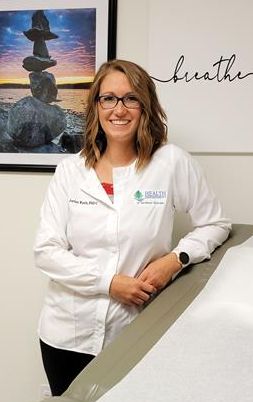
Meet Judi, HDNW's Registered Dietitian Nutritionist
As the Registered Dietitian Nutritionist for HDNW, I support WIC families by helping infants and young children, as well as pregnant and postpartum women, stay well-nourished on any budget. I provide individualized counseling, connect families to local resources, and offer practical guidance on preparing balanced meals and snacks. Working with families to discuss food, cooking, and grocery planning is incredibly rewarding. Our goal is to empower families to make informed choices and build sustainable, healthy habits, aligning with the theme of National Nutrition Month 2026.
| | | | Small changes in your daily eating habits—like adding more fruits and vegetables or choosing whole grains—can significantly improve your long-term health. | | New Michigan WIC Food Guide | | Starting March 1, 2026, the Michigan WIC program updated its food guide to offer more choice, flexibility, and improved nutrition. Changes include increased fruits and vegetables, the addition of plant-based dairy options, tofu, and canned fish, and a reduction in juice amounts. The updates also feature more whole grain options, varied package sizes, and culturally relevant food choices to better meet the needs of participants. | | | Colorectal Cancer Awareness Month | | |
Colorectal cancer is one of the leading causes of cancer-related deaths, yet it is highly preventable with screening and early detection. Men are at higher risk and are often diagnosed at later stages.
- Begin screening at age 45 (earlier if you are at higher risk)
- Know your family history and share it with your provider
- Watch for warning signs like changes in bowel habits, blood in stool, unexplained weight loss, or persistent abdominal discomfort
- Don’t ignore symptoms—early evaluation can save lives
- Screening options include colonoscopy, stool-based tests, and other methods—talk with your provider about what’s right for you
- A healthy lifestyle (balanced diet, physical activity, limiting alcohol, and avoiding tobacco) can help reduce risk
- Most colorectal cancers develop from precancerous polyps that can be found and removed during screening
Early detection doesn’t just save lives—it can prevent cancer before it starts.
| | National Kidney Awareness Month | | |
Kidney disease can affect individuals of all ages and often develops without noticeable symptoms until it has progressed. In recognition of National Kidney Awareness Month, HDNW is raising awareness about the importance of early detection, routine screening, and access to care. As part of this effort, HDNW staff member Stephanie shares the story of her grandson, Bentley.
Bentley’s Story
In 2014, Stephanie's grandson, then 18 months old, was diagnosed with Fanconi syndrome and rickets secondary to nephropathic (infantile) cystinosis. What was supposed to be a short trip to the doctor turned into a month-long hospital stay to stabilize his kidney function and document one of the worst cases of rickets his pediatrician had ever seen.
Cystinosis is a rare genetic disorder in which an amino acid builds up inside cells. This buildup forms crystals that damage parts of the body—especially the kidneys and eyes—and can lead to serious complications, including kidney failure.
Since his diagnosis, Bentley has undergone countless procedures and surgeries and, at one point, required a total of 13 medications per day.
Fast forward to November 2024—Bentley’s kidney function dropped to 27%. In October 2025, he had his first appointment with the kidney transplant team. Stephanie's family knew this day was coming but didn’t expect it so soon—he needed a kidney.
Bentley’s dad was medically disqualified, so his mom began the testing process to become his living donor. In November 2025, his kidney function declined further to 21%. The week before Christmas, Stephanie's family received a call that Bentley’s mom’s kidney was also not compatible for such a small child to receive. That’s when Papa—Stephanie's husband, Dwayne—stepped up. He had already begun preparing by completing initial lab work, and his compatibility testing showed he was a very good candidate.
Last month, Dwayne traveled to Nashville for further testing and to meet with the transplant team. Unfortunately, some complications were identified that will delay the process by 4 to 6 months.
Because the process of finding a living donor can take time, Bentley is now being prepared for dialysis should his kidney function continue to decline. His medical team predicted that by Christmas 2025 he would be at 10% kidney function and in need of dialysis based on lab trends, but he has remained stable at 21%.
His medical team has recommended peritoneal dialysis, which would allow him to receive treatment at home while sleeping. However, it is a significant commitment—7 days a week for about 9 hours each night—until he receives a transplant.
Stephanie and her family continue to hope he won’t need dialysis and that they can find a suitable living donor. He must receive a kidney from a Type O donor.
To learn more about living kidney donation and explore whether you may be a match for Bentley, click the button below.
| | School Health: Mental Health Awareness Preparation | | |
Syndal, a mental health professional at Boyne City High School, initially developed an art therapy group to support students. Recently, participating seniors expanded the group’s focus to include mental health advocacy and school-wide awareness.
Students are preparing for Mental Health Month in May by creating fidget tools, affirmation resources, and peer engagement activities. A key initiative includes encouraging students to develop personal “coping kits.”
This work reflects the importance of youth leadership in promoting mental health awareness and fostering supportive school environments.
| | To Serve and Support Our Communities | | Project Connect, A Day of Service | | |
Join us and more than 70 local nonprofits at North Central Michigan College in Petoskey on April 22 from 10:00 am to 3:00 pm, where we’ll be providing valuable resources and services to the community.
HDNW will offer a variety of resources at the event, including:
- SAFE in Northern Michigan, empowering youth to lead substance-free lives in Antrim, Charlevoix, and Emmet counties.
- Women, Infants, and Children (WIC), a program to support parents, foster families, and non-traditional caregivers for children under five years old, with monthly benefits to buy food, nutrition education counseling, breastfeeding support, and immunization services.
- “Parent’s Pit Stop,” a private, welcoming space, provided by the Family Health team, for parents to feed and change their babies, and
- Nurse practitioners who offer a full suite of family planning and reproductive care services.
- Head and neck cancer screenings, oral assessments, and education on the importance of maintaining good oral health.
“Project Connect is about meeting families where they are and connecting them with the resources and services they need to stay healthy and thrive,” said Melissa Hahn, Director of Family Health at HDNW. “By bringing services directly into the community, we help reduce barriers and create meaningful opportunities for families to succeed.”
| | Virtual Behavioral Health Lunch & Learn Series | | |
This series will provide opportunities to learn new skills, fill knowledge gaps, and expand your professional network. The Lunch & Learns highlight topics most relevant to emerging and new mental health professionals, though seasoned professionals are welcome as well.
March 24: Billing, Licensing, Credentialing - Oh My!
April 28: How to Navigate the Mental Healthcare System
May 19: Surviving and Thriving in the Mental Health Profession
| | |
If you are looking for an exciting opportunity to make a meaningful impact on public health and well-being, then look no further than our Health Department of Northwest Michigan!
Whether you're an experienced healthcare professional, an aspiring public health advocate, or a dedicated support staff member, we offer a wide range of positions that cater to various skill sets and career aspirations.
| | | Question: Why do apples float? | | Answer: Because they are 25% air. | | Need help finding health insurance? Call 800-432-4121 | | | | |