|
Dear Partner,
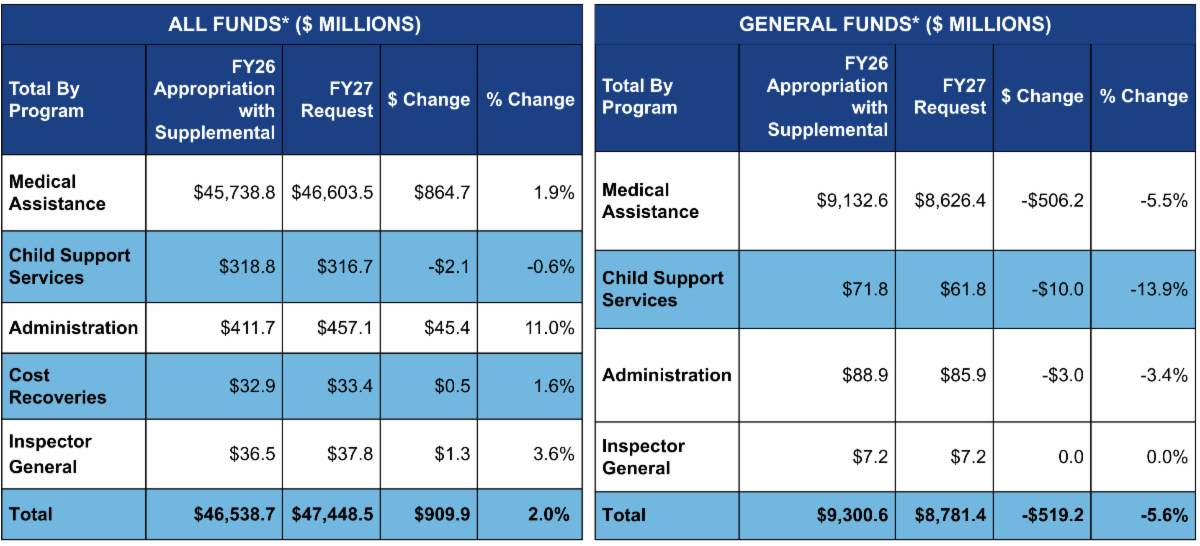
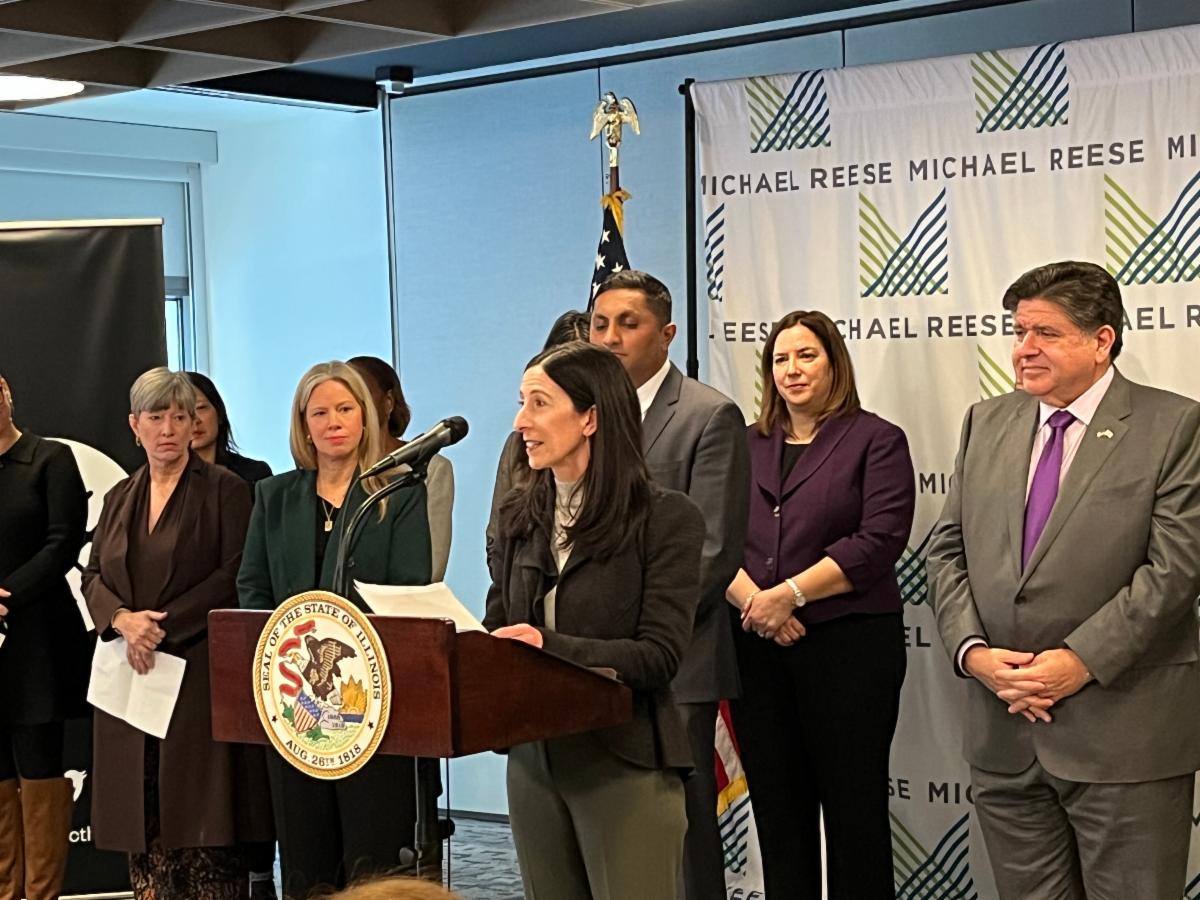
Last week, Governor Pritzker introduced his proposed FY2027 budget, and I had the privilege of presenting details about our agency’s budget during the Health and Human Services Budget Briefing that followed. As we outlined, the state faces budget pressures related to federal grant cancellations and uncertainty at the federal level, the costs of implementing HR 1 and HR 1’s future funding implications, consent decree obligations, and the sunsetting of ARPA funding. While the Department of Healthcare and Family Services’ proposed FY2027 budget does include program implementation delays to account for the pressures, the budget does not propose any coverage, rate or service cuts.
Much of our focus in the coming months will be on laying the groundwork for the Rural Health Transformation Program (RHTP) and implementing HR 1. In late December, Illinois was awarded $193 million for calendar year 2026 through the new RHTP. This funding will allow us to make a significant investment in our rural communities to expand equitable access to healthcare and reduce long‑standing barriers faced by the residents who live there. Our plan includes initiatives to incentivize health system transformation, strengthen regional partnerships, increase the use of technology and mobile health services, and grow our rural healthcare workforce.
While this funding is a meaningful step forward, it does not fully offset the reductions resulting from provisions enacted at the federal level in HR 1. As we progress toward timely implementation of HR 1’s eligibility requirements, particularly Medicaid work requirements and six‑month redeterminations for the Affordable Care Act population, our goal is to minimize harm to Medicaid customers and providers. Critically, we must ensure that every eligible individual can enroll in and maintain their Medicaid coverage.
This work will require coordination, communication, and collaboration. We have developed a comprehensive communications strategy in partnership with the Governor’s Office and key sister agencies, including the Department of Human Services. Transparent, frequent engagement with stakeholders, including community partners, providers, advocates, and customers, will be essential as we navigate these changes together.
We are asking for your partnership. Please use the messages and materials in the Phase 1 toolkit below and share them with Medicaid customers through your channels. The toolkit emphasizes to customers the importance of keeping their contact information on file with the State updated, especially now, with eligibility changes taking effect later this year and in 2027.
We are also focused on the spring legislative session. This year, we are advancing 16 bills to strengthen our Medical Programs, Child Support services, and the Office of the Inspector General.
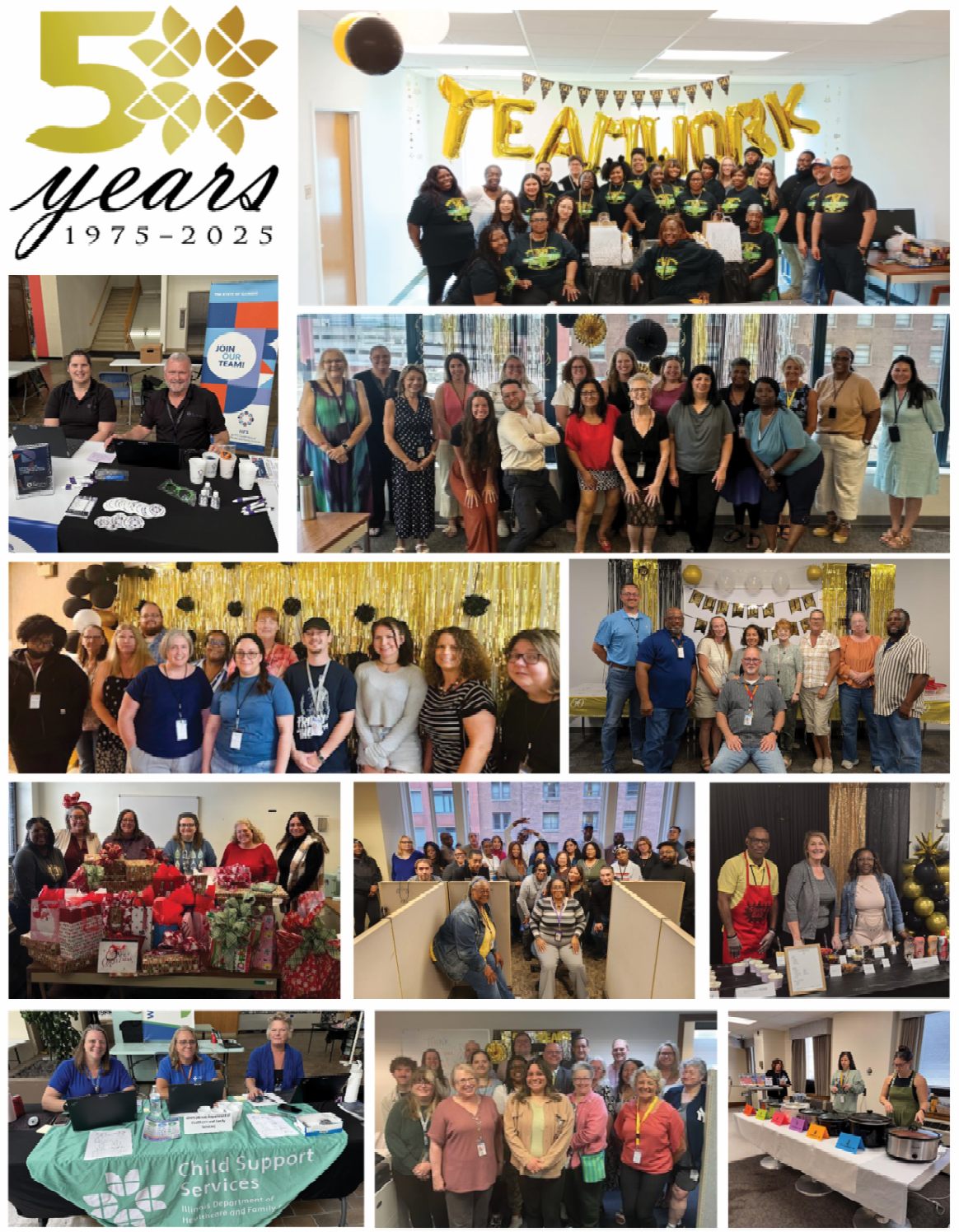
We also concluded 2025 by celebrating 50 years of achievements in the Child Support Program. Our celebration highlights are included in this newsletter.
Thank you for your continued collaboration and support. Together, we look forward to a productive and impactful 2026.
In good health,
Director Elizabeth M. Whitehorn
|