May is Mental Health Awareness Month, National Women's Health Month, Older Americans Month, Jewish American Heritage Month,
and Asian Pacific American Heritage Month. | | |
Dear Partner,
With Spring upon us, this is a good time to reflect on our partnerships and look ahead to new beginnings and growth.
Spring also means budget season and, at this time at the end of May, the conclusion of legislative session. Along with others on our leadership team, I’ve been talking with legislators and stakeholders about our achievements and goals.
As I reported at the Health and Human Services budget briefing session in February and during our appropriations hearings, we have a lot of successes to be proud of.
These include:
- Launching the Medical Debt Relief Program, one of the first statewide medical debt buyback programs
- Developing recommendations for financing and increasing access to lifesaving, high-cost, emerging drugs and therapies
- Focusing on maternal health by expanding coverage to perinatal doula and lactation consultant services and being selected to participate in the federal Transforming Maternal Health Model (TMaH)
- Implementing the TANF Passthrough, with all child support collected on behalf of Illinois' low-income families going to the custodial parent
- Receiving approval for our 1115 Healthcare Transformation Demonstration Waiver
- Awarding $200 million in Healthcare Transformation Capital Investment Grants to 13 organizations across the state to address health-related social needs
- Implementing the State-Based Marketplace, in partnership with the Department of Insurance
- Expanding access to integrated mental health and substance use disorder services through Certified Community Behavioral Health Centers
- Successfully retaining 78% of Illinois Medicaid customers during the unwinding from the public health emergency
April was Medicaid Awareness Month. There has never been a more important time to raise awareness about how vital Medicaid is to the millions of Americans who rely on it for healthcare. In recent months, I joined Governor Pritzker and others to talk about many of the crucial healthcare services Illinois offers and why we must protect Medicaid. You’ll find examples of these in the “Save Medicaid” section below, including a Crain’s Op-Ed sharing the message that healthcare is a right, not a privilege. I have also been speaking to legislators and stakeholders to share the devastating consequences that would result from any of the Congressional Republican proposals to cut Medicaid. You can read more about that here.
As we continue through the months ahead, we will continue to express the importance of Medicaid as we ask our stakeholders to keep standing up for those we serve, continuing our commitment and focus on our mission. You can find the SAVE MEDICAID TOOLKIT here.
In good health,
Director Elizabeth M. Whitehorn
| | | | Illinois Celebrates Major Medicaid Milestone: 60 Years of Providing Critical Healthcare Coverage | | |
Medicaid is Under Threat. The Stakes are High and the Moment is Now.
Illinois Medicaid is a trusted, innovative, and fiscally responsible program. It delivers real value to Illinois taxpayers and keeps our communities healthier.
Today, 1 in 4 Illinoisans rely on Medicaid for access to doctors, prescriptions, and preventive care—that’s more than 3.4 million children, older adults, people with disabilities, and working families across our state.
But now, harmful federal proposals threaten what we’ve built. These proposed cuts could strip health coverage from over 770,000 hardworking Illinoisans who recently gained it through expansion, deepen health disparities, drain billions from Illinois’ economy, disproportionately impact rural and underserved areas, and raise health care costs for everyone, including businesses.
We must act together to SAVE MEDICAID. Illinois policymakers, health care providers, community leaders, and advocates can:
- Stand united in defense of Medicaid
- Urge Congress to reject harmful cuts
- Lift the stories of those whose lives have been changed by Medicaid
- Protect Illinois’ gains in coverage, equity, and economic stability
- Share our unified message that resonates across communities
| | SAVE MEDICAID Media Coverage | | | | Director Whitehorn explains how proposed federal cuts would devastate our customers and the state in this Crain’s Chicago Business op-ed. | | Gov. Pritzker, Illinois Leaders Advocate for Illinois Families on Medicaid Amid Federal Republican Threats | | | Cunningham Retires in June as Medicaid Administrator | | |
After leading the HFS Medical Programs through some of our most challenging and fruitful years, Kelly Cunningham retires at the end of June as Medicaid Administrator. Kelly stepped into the position in March 2020, just when the COVID-19 pandemic led to the need for major and quick changes. She has since overseen great advances in our commitment to address health-related social needs, offer better long-term care, and improve how we plan and assess our programs. After nearly 40 years as a public servant, we offer Kelly our thanks and best wishes!
| | |
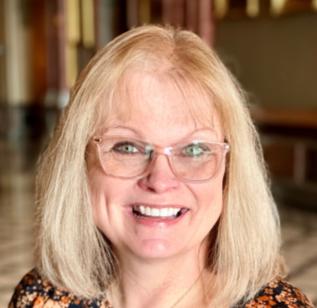
In addition, we want to congratulate Laura Phelan, who will be stepping into the new role of Medicaid Administrator. Laura has been a leader at HFS since joining the Department in 2015. Currently Deputy Director for New Initiatives, she brings a range of expertise to the position around the programs and populations we are deeply focused on. Her broad knowledge about managed care, insurance policy, and much more will mean that our Medicaid program will move seamlessly forward.
| | |
May is Mental Health Awareness Month, a perfect time to spotlight two very significant behavioral health programs at HFS.
Certified Community Behavioral Health Clinics
In March 2024, HFS applied to participate in the 2024 cohort of the Certified Community Behavioral Health Clinics (CCBHC) Medicaid Demonstration Program (Demonstration), authorized by Section 223 of the Protecting Access to Medicare Act (PAMA) of 2014 and administered jointly by the Substance Abuse and Mental Health Services Administration (SAMHSA) and the Centers for Medicare & Medicaid Services (CMS). Illinois was notified in June 2024 it was 1 of 10 states selected to join the CCBHC Demonstration.
Certified Community Behavioral Health Clinics, also called CCBHCs, are local places that help people with mental health and substance use problems. They offer crisis help and regular outpatient services to everyone, no matter their age, where they live, or if they can pay.
CCBHCs must offer:
- Crisis Services
- Outpatient Mental Health and Substance Use Services
- Person & Family-Centered Treatment Planning
- Community-based Mental Health Care for Veterans
- Peer, Family Support, & Counselor Services
- Targeted Case Management
- Outpatient Primary Care Screening & Monitoring
- Psychiatric Rehabilitation Services
- Screening, Diagnosis & Risk Assessment
| | | |  | | |
Pathways to Success
Pathways to Success is a program that supports Medicaid-enrolled children under the age of 21 with complex behavioral health needs by providing access to intensive home-and-community-based services. The goal of the program is to strengthen family stability, improve clinical outcomes, and promote the use of community-based services, ensuring children receive support in the least restrictive setting possible. By focusing on individualized care and community integration, Pathways to Success strives to help children succeed at home, in school, and within their communities.
Central to the program is the provision of an evidence-informed model of care coordination by specialized providers known as Care Coordination and Support Organizations (CCSOs). CCSOs provide 2 tiers of care coordination, based on the intensity and complexity of the needs of the child and their family: high fidelity wraparound for the most complex needs and intensive care coordination for those with significant needs. The program also covers additional services including intensive home-based care, family peer support, therapeutic mentoring, and respite care to support the needs of the child and their family.
HFS took a gradual approach to enrolling youth into the Pathways to Success program, allowing for more consistent monitoring of the quality of care coordination and other services. From the start of the program's implementation in December 2022 through the end of FY 2024, 4,183 children had been referred to the Pathways to Success program.
| | Child Support Services Seeks Parents and Caregivers for "Family1st" Parental Workgroup | | |
Illinois Child Support Services (CSS) is inviting parents and caregivers to participate in the Family1st Parental Workgroup (F1). This new initiative aims to gather valuable input, insights, and strategic advice to shape the policies, rules, and guidelines administered by CSS.
Bryan Tribble, Administrator of Child Support Services, emphasized the importance of this workgroup, stating, “The primary goal of Family1st is to elevate the voices, interests, ideas, and concerns of the families and individuals served by the CSS program. F1 will help shape and influence the program's policies and practices to ensure outcomes are more equitable, efficient, and responsive to all families and communities.”
There are three main outcomes for the F1:
- Improving child support processes by using families’ and community experiences to evaluate practices and ensure resources provide the most effective, efficient, and responsive family-centered services possible.
- Improving customer experience by providing families served by the child support program opportunities to communicate and share experiences from their participation in the program.
- Ensuring the equitable administration of child support program policies, procedures, and practices.
Informational meetings will be held in the future for those interested in participating in this opportunity. An application process will be required for participation.
| |
Springfield Main Office
201 South Grand Avenue East
Springfield, IL 62763
|
|
Chicago Main Office
401 South Clinton
Chicago, IL 60607
| | | | |