Fall Garden Tips & Tasks
We hope your garden has been enjoyable and productive this summer! As the growing season winds down, now is a great time to:
-
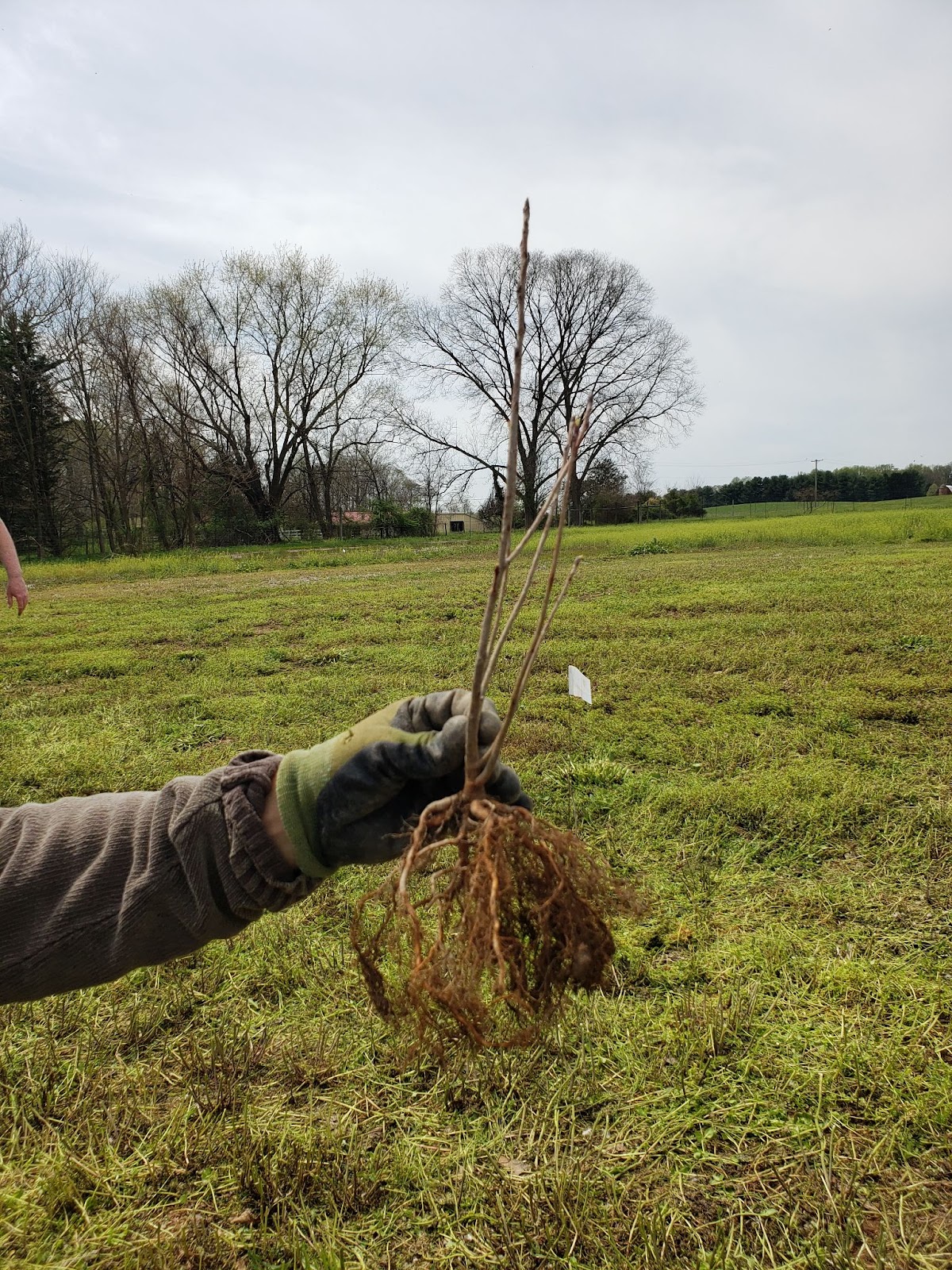
Plant trees and shrubs and herbaceous perennials before the ground freezes.
- Bring houseplants back indoors before nighttime temperatures dip below 50F.
-
Use fallen leaves for mulch or compost.
-
Leave old flower stems standing for nesting pollinators.
-
Plant spring-flowering bulbs like deer-resistant daffodils and Alliums.
| | | Invasive Caterpillar Alert | | |
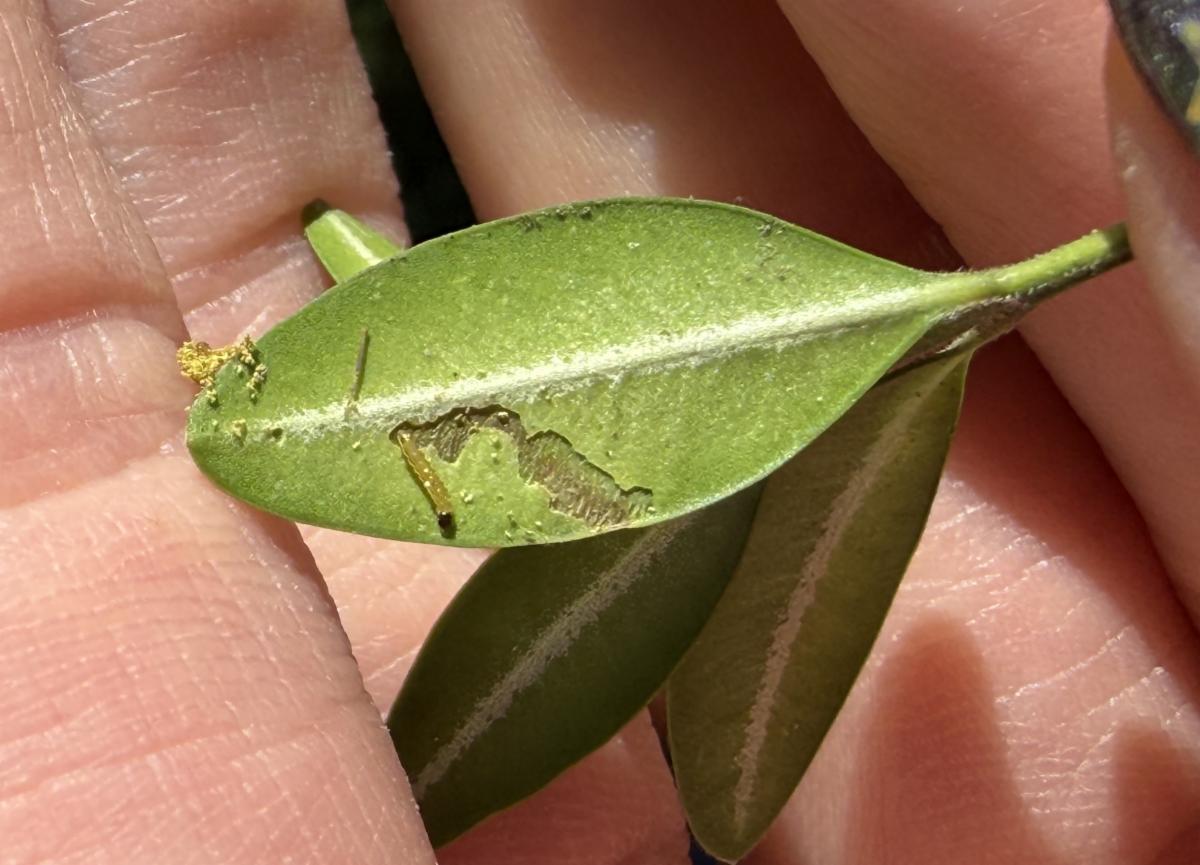
The invasive box tree moth (Cydalima perspectalis) was first detected in Washington County, Maryland, in July 2025. It has since been confirmed in Caroline, Cecil, Kent, Queen Anne’s, and Washington Counties.
Check boxwoods (Buxus species) for chewing damage, small caterpillars (as small as 6 mm), and silk pockets on leaves. Learn what to look for on our box tree moth webpage and report suspected sightings using the Maryland Department of Agriculture’s box tree moth reporting form.
The photo below was taken September 25, 2026 in Washington County, MD.
| | |
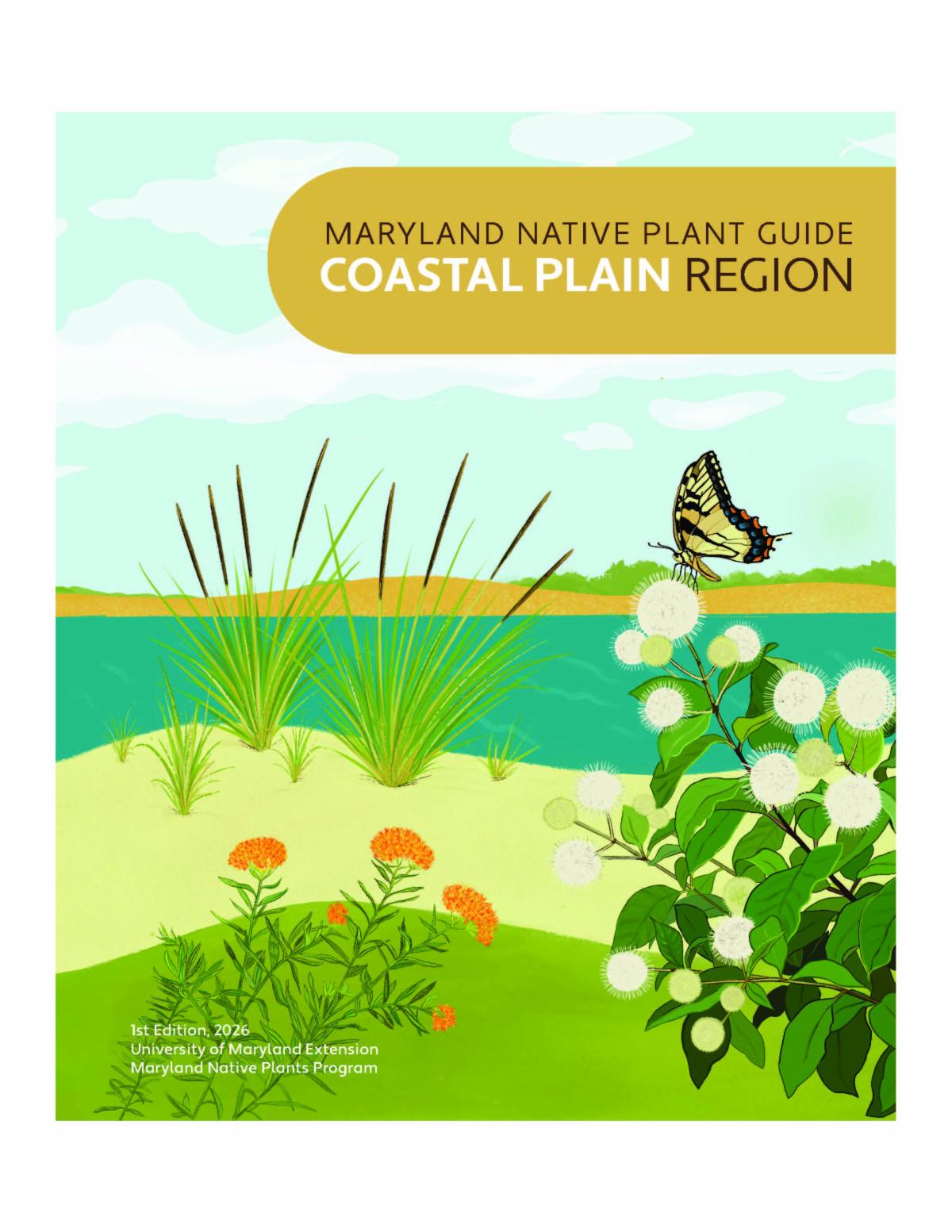
The Coastal Plain guide is the second in a series covering the Environmental Protection Agency (EPA) Level II ecoregions in Maryland: Piedmont, Coastal Plain, and Mountain.
Hard copies: available to purchase at the end of October at select Extension Offices and the Maryland Native Plant Society’s online bookstore
| | | Maryland Native Seed Initiative Launches | | |
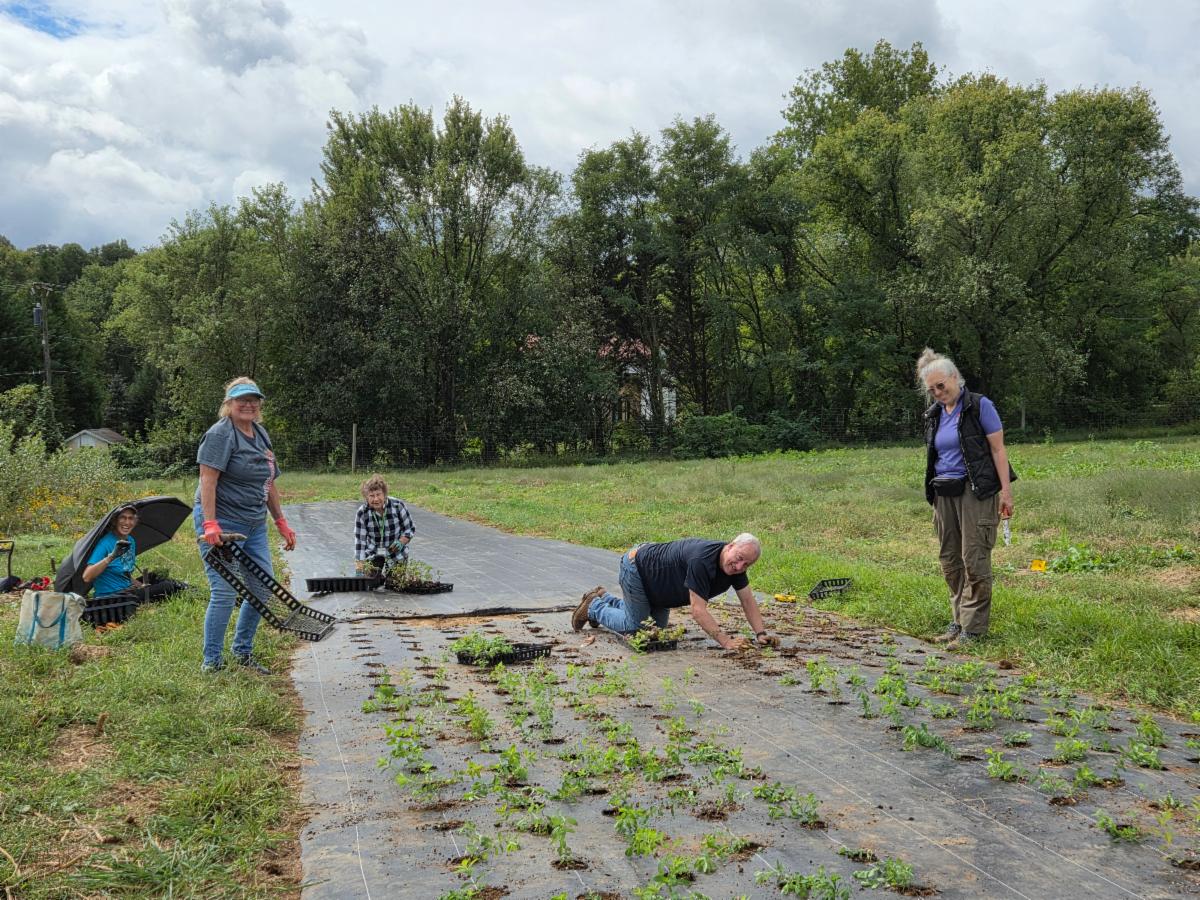
The Maryland Native Seed Initiative is getting underway with a goal of expanding the supply of locally sourced native seed for Maryland landscapes. At the Central Maryland Research and Education Center, we’re establishing our first seed amplification demonstration plot, with a fall planting of eight wildflower species grown from seed collected in the Piedmont Ecoregion.
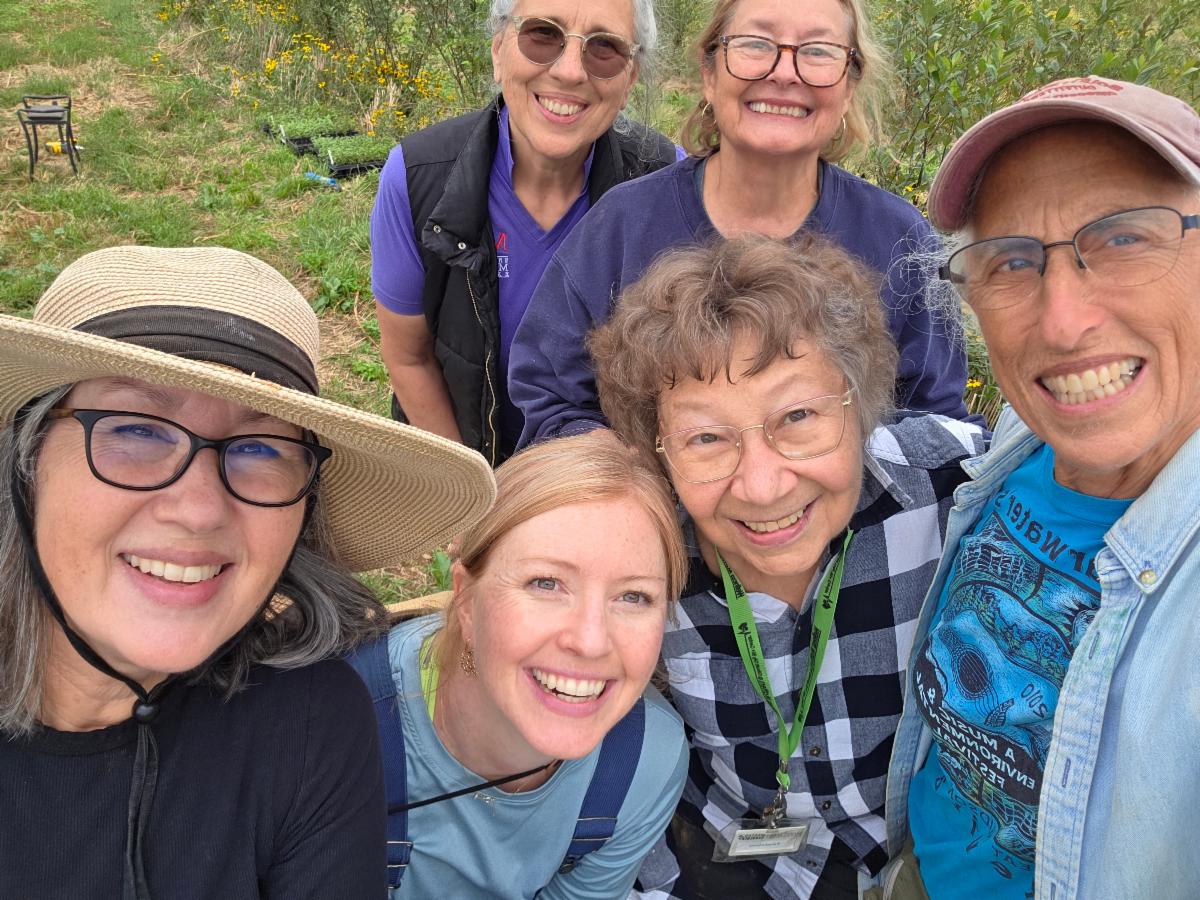
These plots will provide opportunities to learn and demonstrate the full seed-expansion process—from seed collection and cleaning to storage, propagation, and ultimately seed production. We’re grateful to our amazing Master Gardeners, who helped prepare the site and plant the plugs that will get this effort growing! If your Extension office is interested in participating in this statewide initiative, please contact Lisa Kuder at lkuder@umd.edu.
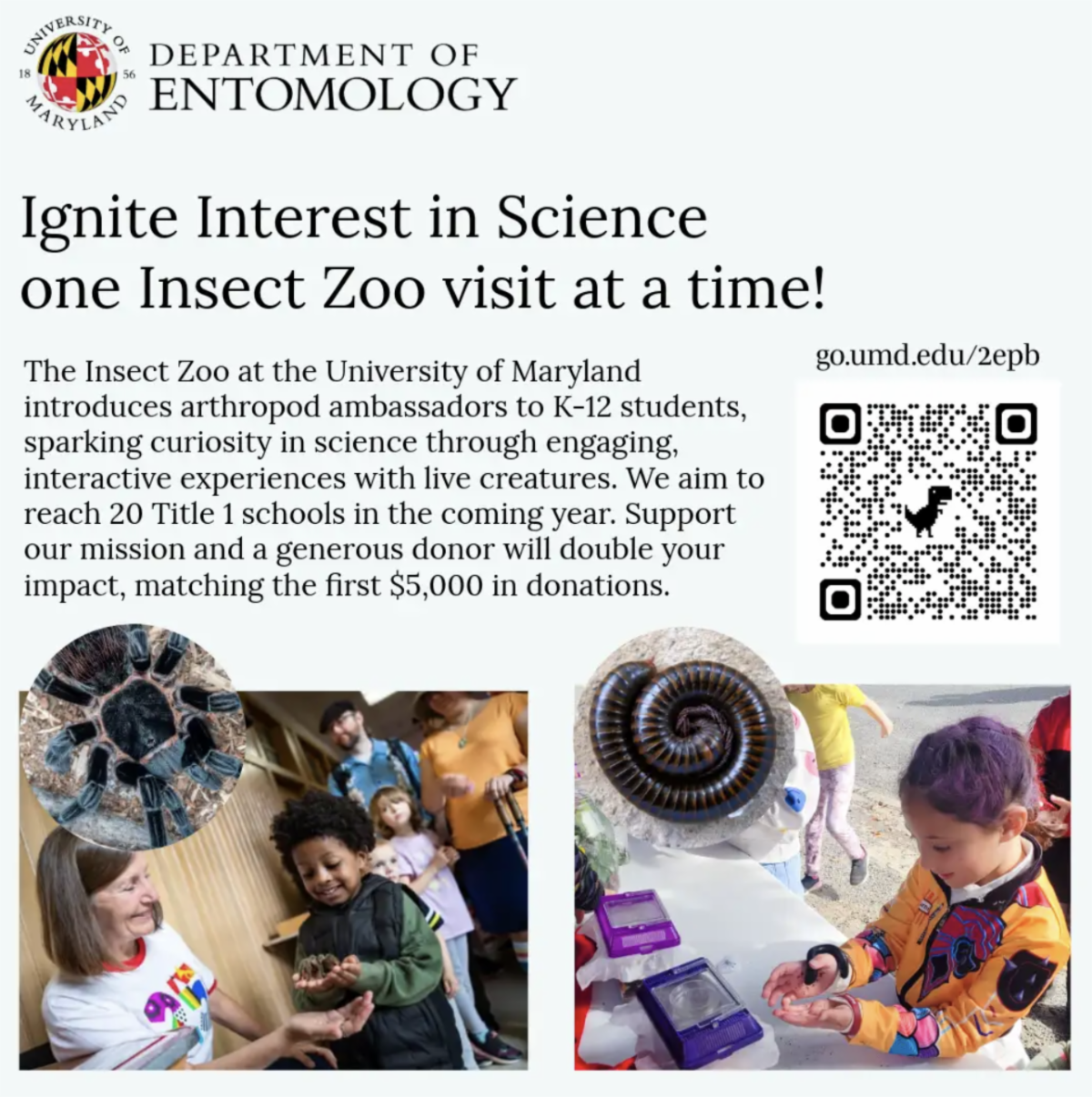
| | Ignite Interest in Science one Insect Zoo visit at a time! | | The Insect Zoo at the University of Maryland introduces arthropod ambassadors to K-12 students, sparking curiosity in science through engaging, interactive experiences with live creatures. We aim to reach 20 Title 1 schools in the coming year. Support our mission and a generous donor will double your impact, matching the first $5,000 in donations. This campaign ends on October 15th. | | Follow our blog to learn about pollinator conservation, growing native plants and food, and how to solve plant pest and disease problems. | |
| |
Featured Article
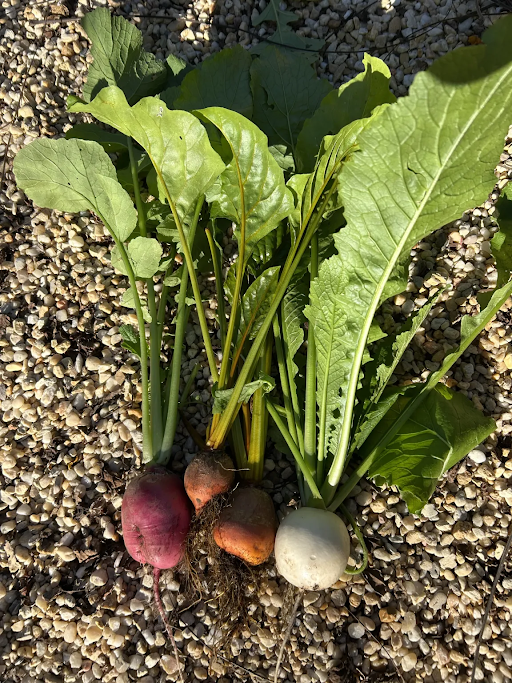
Root Crops in the Fall
Erica Smith, Montgomery County Master Gardener, shares some tips for planting and harvesting root crops in the fall.
| | | |
Fall Lawn Care
In this month's episode, we’re joined by Geoffrey Rinehart with the University of Maryland, and he’s guiding us on getting down to the roots of fall lawn care: when to seed, how to aerate and fertilize, why mowing still matters, and which common lawn-care mistakes can leave you feeling less than mow-tivated come spring.
Resource used in this episode:
| | | Maryland Master Gardener Basic Training | | |
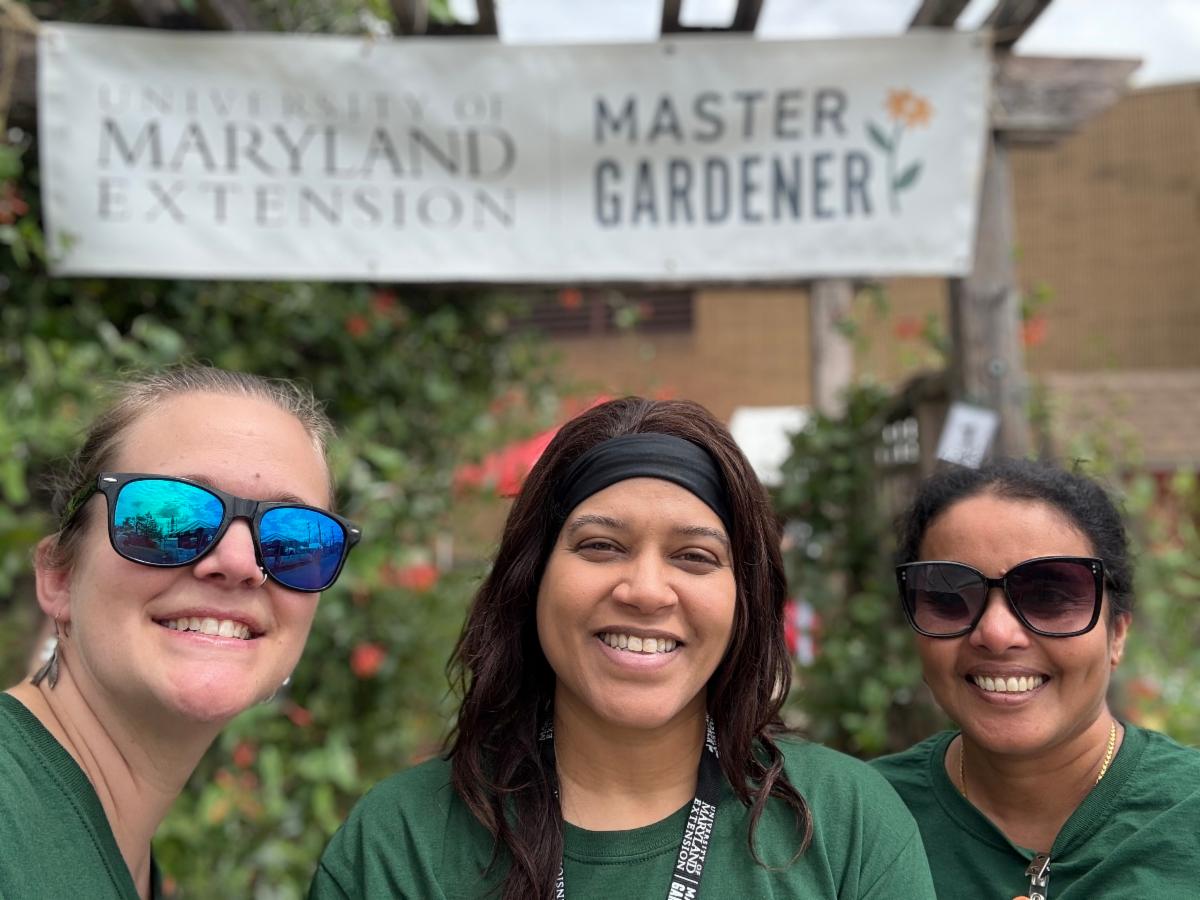
Many of our counties are accepting applications for the Spring 2027 Master Gardener Basic Training!
The University of Maryland Extension Master Gardener Program is designed to train volunteer horticultural educators to support the University of Maryland Extension mission by educating residents about safe, effective and sustainable horticultural practices that build healthy gardens, landscapes, and communities. Volunteers receive 40 hours of classroom, hands-on, and virtual instruction in their county of residence so that they can then teach members of their community through workshops, presentations, demonstrations, and more.
This program is open to all Maryland residents who are 18 years of age or older. By joining the program, you'll have the opportunity to learn new gardening skills as well as hone your existing skills. You'll also learn how to solve gardening problems, and be able to teach others to do the same. Best of all, you'll meet new people who enjoy gardening just as much as you do!
To apply, contact the local coordinator for your county.
| | Ask Extension Featured Question | |
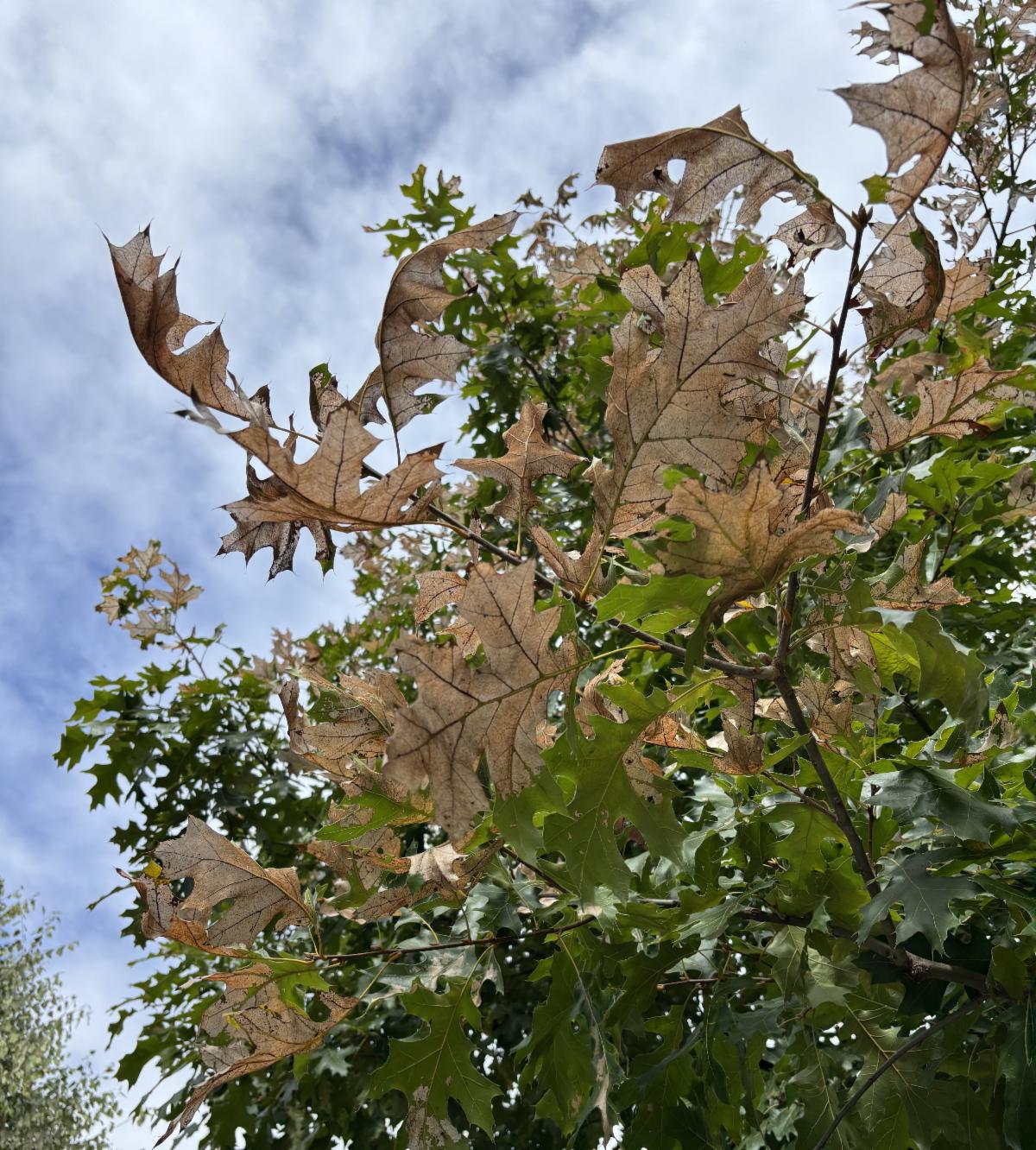
Brown and yellowing oak leaves
Q: The oak leaves are up high, perimeters are intact, but you can see through them. One photo shows yellowing leaves, I’m not sure if this is the same issue. What to do?
A: These are different issues, neither of which is serious or warrants treatment. The lacy appearance of the brown leaves is called skeletonization, and it is caused by....
| | | |
Do you have a gardening question? Our Certified Professional Horticulturalists, faculty, and Master Gardener Volunteers answer questions- year round! | | | |
Natives at Noon Webinars
12:00 p.m. - 1:00 p.m. | Zoom
See dates below
| |
November 4: Creating Food Forests
Lincoln Smith runs Forested, a 10-acre experimental food forest site in Bowie, Maryland, established in 2012. There, he and his team test food forest methods, educate aspiring forest gardeners, and host forest-to-table dining events that highlight the connections between land stewardship, ecology, and local food. His work emphasizes the value of diverse plant communities, including native species, in creating resilient systems that support both people and wildlife. Grounded in the belief that human health is deeply tied to ecosystem health, Lincoln’s approach shows how food forests can serve as models for regenerative land use, community education, and a more holistic relationship between people and the landscapes that sustain them.
| | Another Look, Another World: Insect Art Exhibition | | |
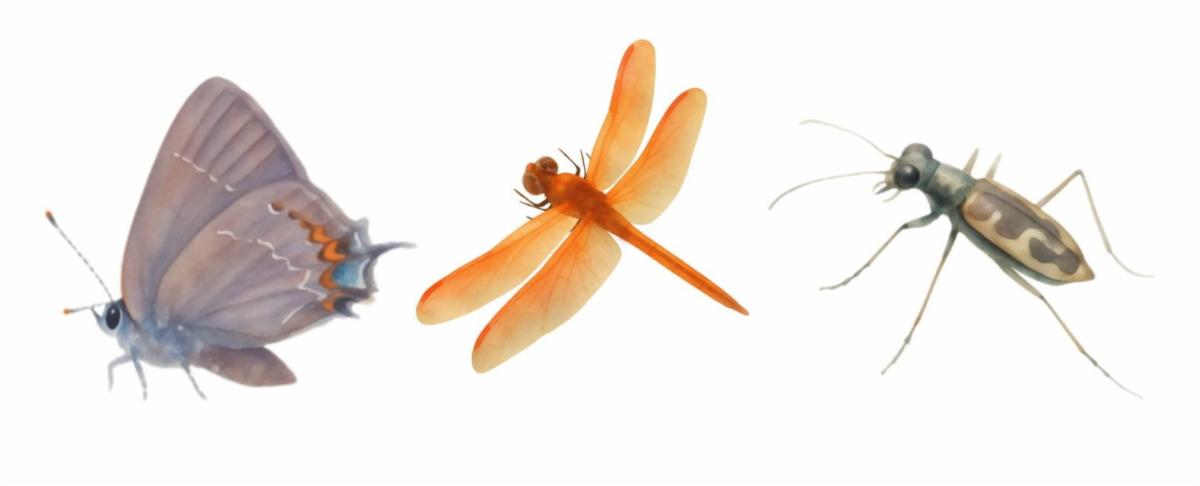
Explore Maryland’s insect biodiversity through an interdisciplinary art-science exhibition at the UMD Herman Maril Gallery. This collaborative project brings together UME, the UMD Department of Art, UMD Institute of Applied Agriculture, and UMD Arts for All to explore the role of art in connecting people with the environment and specifically Maryland's insects. The exhibition will highlight original visual art themed around insect species from Maryland’s List of Rare, Threatened, and Endangered Animals.
Visit the exhibition Oct. 14–Nov. 6 (Mondays - Fridays, 9AM-5PM). A reception night will be held Wednesday, Oct. 21 from 5PM–7PM, where artists will be celebrated and refreshments will be served. Learn more at go.umd.edu/insectartshow.
| | Follow us on social media! | | |
The University of Maryland Extension programs are open to any person and will not discriminate against anyone because of race, age, sex, color, sexual orientation, physical or mental disability, religion, ancestry, national origin, marital status, genetic information, political affiliation, and gender identity or expression.
©2026 University of Maryland College of Agriculture & Natural Resources
| | | | |