Cold Realities: How Science and Speed Save Lives in Frostbite Emergencies | | |
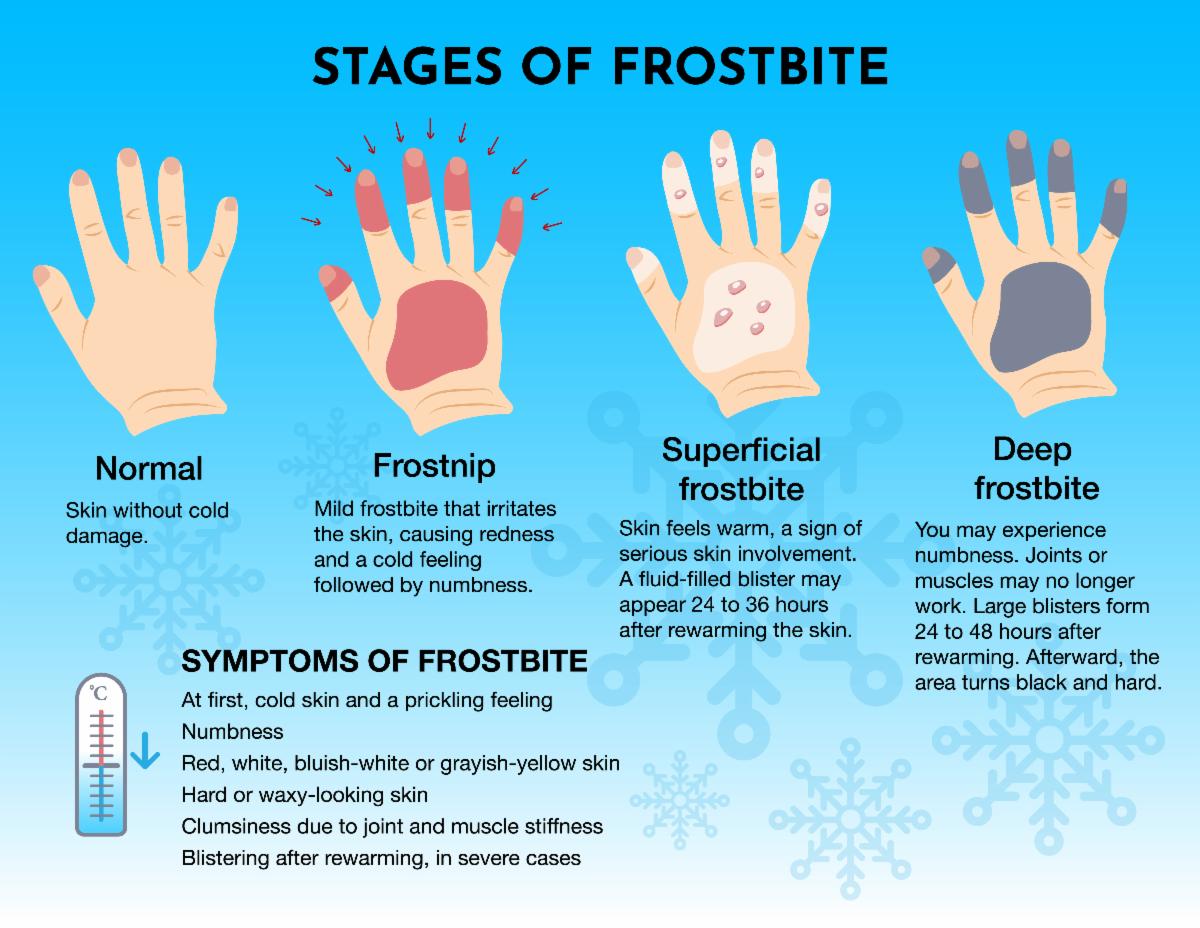
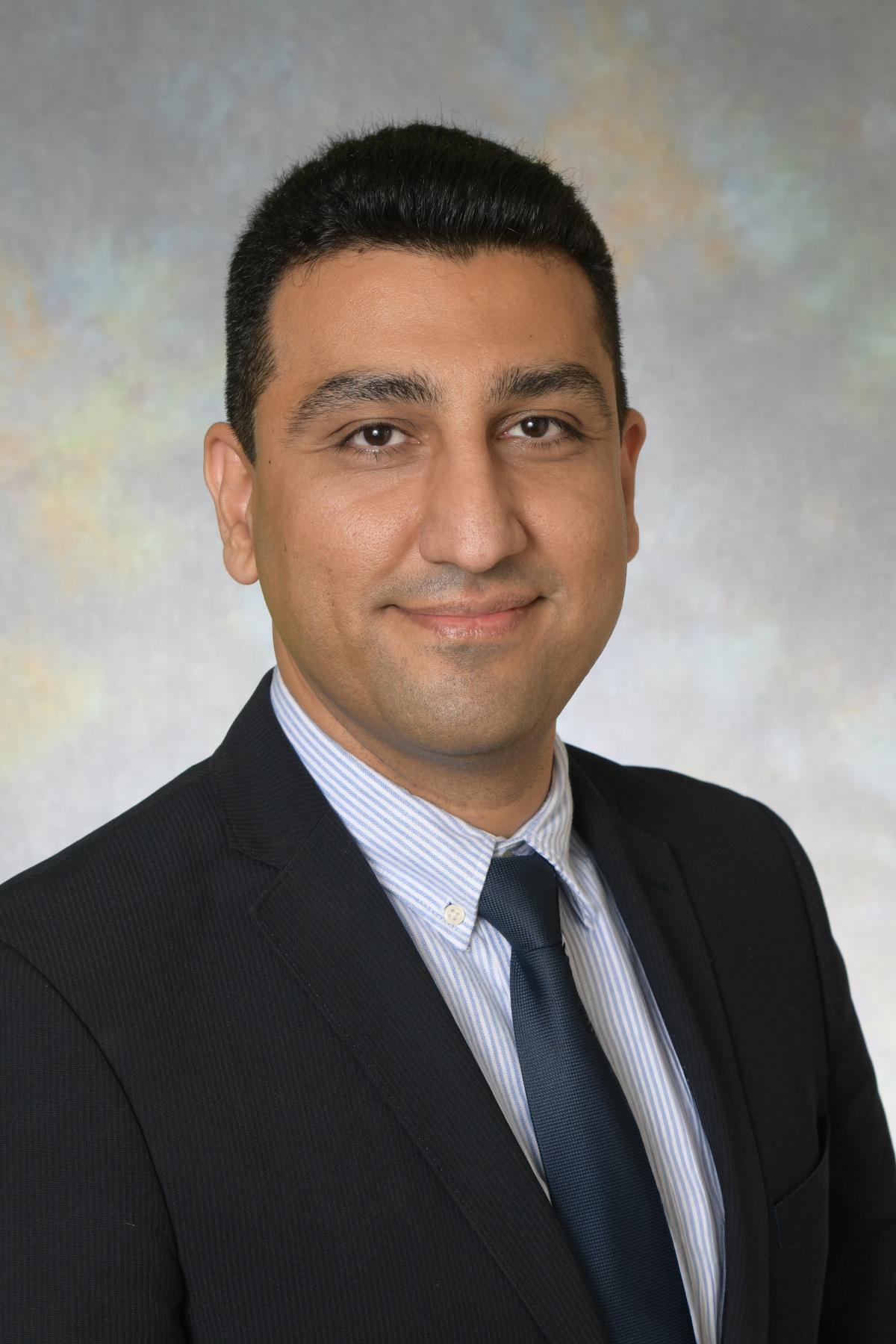
Living in Minnesota is not for the faint of heart, with temperatures frequently plummeting to 20 degrees below zero F, and with wind chills, it can drop as low as 50 degrees below zero F. With extreme temperatures such as these, it’s no wonder that frostbite becomes a problem during the winter months. However, with the help of internationally recognized researcher Rachel Nygaard, PhD, who specializes in frostbite, burn, and violent injury prevention, she hopes to mitigate the severity of frostbite seen in Hennepin Healthcare’s patients.
Frostbite is not the same as a burn. “Minor frostbite may involve only the upper layers of skin, but in severe frostbite, the damage occurs deep in the tissue. This is due to blood clots [forming] in the tissue, cutting off blood supply to the fingers, toes, and/or limbs impacted, causing the tissue to die due to lack of oxygen,” explained Dr. Nygaard.
| | Looking Back, Moving Forward: HHRI's 2025 Highlights | | Relive the moments and milestones that defined 2025. From life-changing neurotrauma research to Antarctic expeditions, cardiac diagnostic innovations, and a renewed mission for HHRI, these stories highlight how translational science is shaping a healthier future. Explore the year in review stories and the featured 2025 stories. | | |
A stand of its own: E-STAND study improves the lives of neurotrauma patients
In the blink of an eye, 24-year-old Evan Faucett’s world turned upside down during a motocross competition when his bike landed without him. That life-changing moment was over six years ago on July 9, 2018. It’s been a long road to recovery, but with the help of the Epidural Stimulation After Neurologic Damage (E-STAND) study implant and the Restorative Neurotrauma Lab (RNL) with Co-Principal Investigator (Co-PI) and Neurosurgeon, David Darrow, MD, PhD, at the helm, his quality of life has vastly improved.
While epidural spinal cord stimulation has been used for almost 50 years for chronic pain management, about ten years ago, researchers discovered that it could be used to recover some voluntary movement in paraplegic patients. Given this discovery, the E-STAND trial was born.
| |
The Heart Whisperer: How Dr. Fred Apple Transformed Cardiac Diagnostics
Peace. This one word ends all his emails. He’s a product of the peace and love movement that encapsulated the 1960s and 1970s and cherishes the iconic song “Imagine” by John Lennon. It’s a life philosophy he’s carried with him throughout the decades.
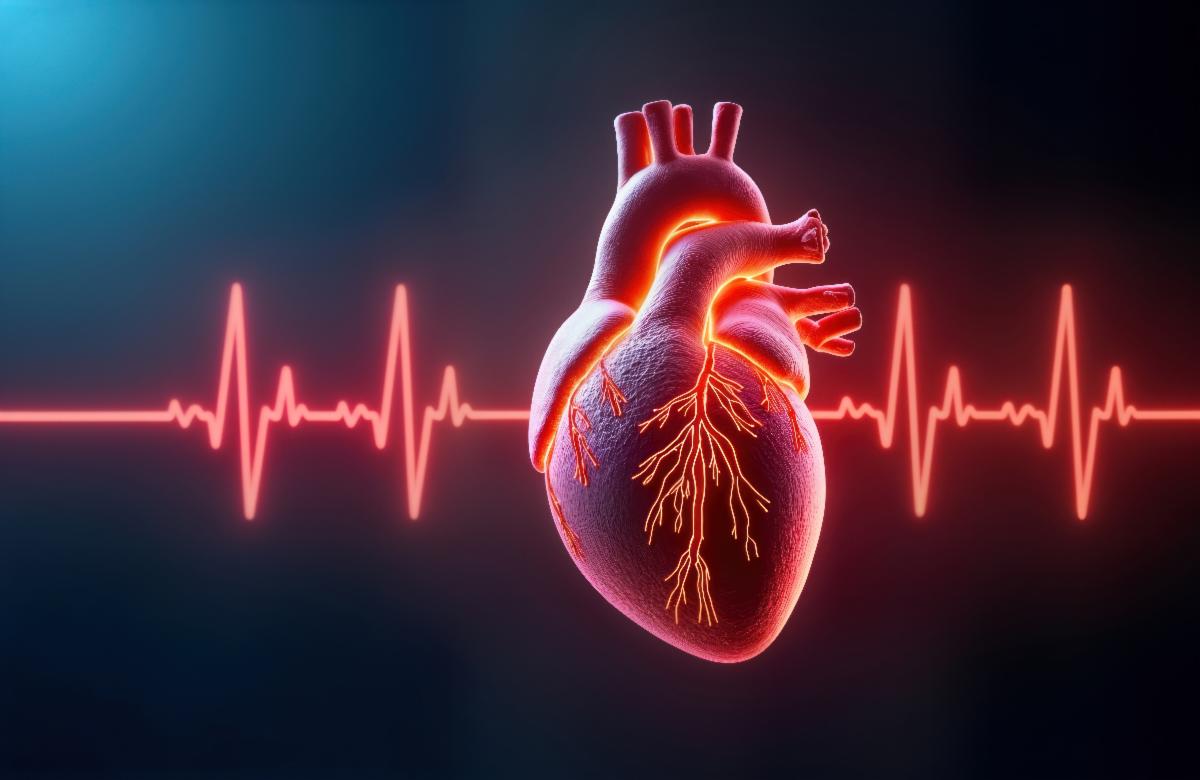
Since 1982, Fred Apple, PhD, DABCC, has served in a number of roles at the Hennepin Healthcare System (HHS) and Hennepin Healthcare Research Institute (HHRI), including Medical Director of the Clinical Laboratories, Clinical Chemistry, Clinical and Forensic Toxicology Laboratory, and Point of Care Testing (POCT) at HHS and as the Principal Investigator (PI) of the Clinical Laboratory Improvement Amendments (CLIA)-certified Cardiac Biomarkers Trials Laboratory (CBTL) at HHRI. He is also a Professor of Laboratory Medicine and Pathology at the University of Minnesota.
| | |
To Antarctica & beyond; Infectious Diseases researcher Kristina Burrack, PhD, completes Homeward bound trip
Stop. Waddle time. HHRI Principal Investigator Kristina Burrack, PhD, along with 122 participants of the year-long women in STEMM leadership program, Homeward Bound, “could not pass go or collect $200.” They trekked across the lands of the Antarctic Peninsula, pausing along the way to wait for any penguin crossings.
Biosecurity measures are vital to prevent the spread of the avian flu. The voyagers could not sit, stand, put anything on the ground, or squat for fear of falling over. They also had to keep a safe distance from the penguins, while wearing special heavy-duty rubber boots as biosecurity measures to prevent the spread of the highly pathogenic avian influenza, also known as the avian flu or bird flu.
| |
HHRI Adopts New Mission, Core Values
HHRI is excited to announce the adoption of a new organizational mission and set of core values.
The new HHRI Mission is:
Transforming health and healthcare for all through ethical research and meaningful community partnerships.
The new Core Values for HHRI are:
Excellence: World-class health science research and education engages, serves, and uplifts impacted communities’ experience.
Integrity: Advance ethical research through transparency, trust, and open communication.
Collaboration: Build and sustain meaningful partnerships to ensure responsive research driving real-world impact.
| | To read more 2025 HHRI stories and news about awards, honors, publications, and more, click the buttons below. | | Press Play on 2025: Video Highlights You Can't Miss | | |
2025 Recap
Our recap reel showcases some of 2025's peak moments captured on video.
| | |
E-STAND Participant Evan Faucett
Neurotrauma patient Evan Faucett talks about how participating in the Epidural Stimulation After Neurologic Damage (E-STAND) study has changed his life for the better.
| | |
Research Heroes: Women in STEMM
In honor of Women's History Month in March, we featured Women in Science, Technology, Engineering, Math, and Medicine (STEMM) at HHRI as part of our HHRI Research Heroes series. Watch all of the Women in STEMM videos.
| | |
2025 HHRI Research Symposium
We hosted our annual Research Symposium and Poster Session in April. The hybrid event featured leadership updates, presentations by researchers, and a poster session.
| | |
Research Heroes: HHRI Nephrology Division
HHRI physician-scientists shared why they pursued careers in nephrology and what inspires them in their work. Watch all of the Nephology Division videos.
| |
Featured Research:
Frostbite and Burn
Dr. Rachel Nygaard is an internationally recognized expert in frostbite research. She is the Primary Investigator for numerous frostbite-associated research studies, including a multi-national prospective frostbite study. Minnesota’s winter temperatures frequently drop to-20°F, and with the frigid wind chills, it can drop as low as-50°F. These extreme temperatures can lead to high rates of cold-weather injuries, including frostbite. Frostbite can result in lifelong debilitating injuries and even severe complications like amputation.
| | |
Dr. Anne Murray discusses seven persistent myths about taking aspirin daily
“An aspirin a day keeps the doctor away” is one of those medical adages that no longer rings true, according to HHRI Investigator, Geriatrician, and Epidemiologist Anne Murray, MD, MSc. Dr. Murray debunked this outdated belief in a recent WebMD news article, “It’s 2026, and These 7 Aspirin Myths Still Won’t Die.”
Dr. Murray co-authored a landmark 2018 aspirin study published in the New England Journal of Medicine (NEJM) that disproved the myth that taking a daily low dose of aspirin will keep older adults living longer and healthier lives. The ASPirin in Reducing Events in the Elderly (ASPREE) study found that daily low-dose aspirin did not prolong healthy, independent living (life free of dementia or persistent physical disability). A follow-up study, ASSPREE-XT, published in September 2025 reached the same conclusion.
Read the article about common aspirin myths and the latest recommendations for routine daily use of aspirin on WebMD.
| |
Dr. Behnam Sabayan talks about "Getting Ahead on Brain Health" on the Healthy Matters Podcast
Hennepin Healthcare Neurologist and HHRI Investigator Behnam Sabayan, MD, MSc, PhD, FAHA, and Patty Takawira from the Minnesota Department of Health recently joined David Hilden, MD, MPH, FACP, on Hennepin Healthcare’s Healthy Matters Podcast to talk about brain health. From preventative brain care to recognizing warning signs, they discussed things we can do to keep our brains healthier throughout our lives.
Listen to The Healthy Matters Podcast S05_E07- "Getting Ahead on Brain Health."
|
Recent Awards
-
The Hennepin Trauma Surgery Research Group with the Next Step Program and community partners Empower Therapeutic Support Services, Inc. and Wellspring Second Chance Center, have been awarded a Kaiser Permanente Center for Gun Violence Research and Education Grant of $299,096 for a two-year study, "Extending the Harriet Program Through Peer Mentorship: A Survivor-Led Model for Sustained Engagement and Recovery." The study aims to improve and expand clinical recovery support for firearm violence survivors by establishing long-term connections with peer mentors who are also survivors.
-
An independent grant of $587,334 from the Lilly Grant Office has been awarded to HHRI Investigators Behnam Sabayan, MD, MSc, PhD, FAHA, and Tyler Winkelman, MD, MSc. Together, they are studying "Early Onset Alzheimer's Disease and Related Dementias: A Population-Based Approach to Identify Characteristics and Risk Factors."
Recent Honors
-
Hennepin Healthcare Department of Nephrology and Hypertension Physician Christopher Knapp, MD, MPH, was selected as one of the 2026 University of Minnesota's Clinical and Translational Science Institute's (CTSI) K12 Scholars. The K12 Scholars Career Development Program offers a three-year training and funding opportunity designed to help early-stage investigators build a lasting career in clinical and translational research.
Recent Publications
-
Hennepin Healthcare Emergency Physicians and HHRI Investigators Brian Driver, MD, and Matthew Prekker, MD, MPH, co-authored the article, "Ketamine or Etomidate for Tracheal Intubation of Critically Ill Adults," published in the New England Journal of Medicine (NEJM) in December 2025. The Randomized Trial of Sedative Choice for Intubation (RSI) found that doctors treating seriously ill patients in an emergency setting may want to give the sedative etomidate, rather than ketamine, while placing a breathing tube. Go deeper: Sedative choice could improve outcomes for breathing tube patients.
-
Hennepin Healthcare Emergency Physician and HHRI Investigator James Miner, MD, authored an invited commentary on the original article, “Ketamine, Etomidate, and Mortality in Emergency Department Intubations,” published in JAMA Network Open in December 2025. Dr. Miner’s commentary, “Ketamine, Etomidate, and the Outcomes That Matter in Emergency Intubation,” stated that while etomidate can maintain early hemodynamic stability, it may lead to higher mortality rates later on. Selecting a drug for emergency intubation should consider patient-specific risks in airway management.
-
A new study, “Statewide Transfer Coordination and Patient Transfer Rates Among Hospitals During Occupancy Stress,” published in JAMA Network Open by Hennepin Healthcare Emergency Physician John Hick, MD, and collaborators in December 2025 highlights how state medical operations coordination centers (SMOCCs) helped hospitals transfer patients more effectively during COVID-19 pandemic surges. The study focused on SMOCCs created in eight states to manage patient transfers when hospitals became overwhelmed. Minnesota was excluded in the cohort of study states because Minnesota had previous reports of early adoption and successful operation of a SMOCC.
| | Did a colleague forward you this email? Subscribe to the HHRI Research Highlights email list and get our newsletter sent directly to your inbox. | | You are receiving this message because you have been identified as a key stakeholder of Hennepin Healthcare. |
| | | |