Redefining Tobacco Cessation and Mental Health Care: Inside BHERG's Mission to Break the Cycle | | | | |
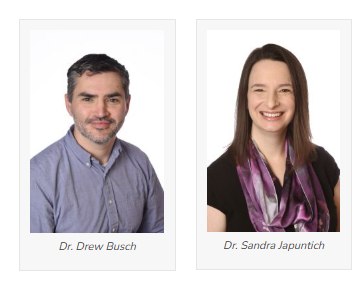
Director of Training and Mentoring and Senior Psychologist, Sandra Japuntich, PhD, LP, and Senior Psychologist and Director of the Hennepin Healthcare Tobacco Dependence Clinic, Drew Busch, PhD, LP, both have Minnesota roots. However, they met on the other side of the country during their respective clinical internships at Brown University in Providence, Rhode Island. It is indeed a small world after all.
Family, career opportunities, and their shared friendship brought them back to Minnesota and to Hennepin Healthcare Research Institute, where they formed the Behavioral Health Equity Research Group (BHERG). Dr. Busch and Dr. Japuntich operate as co-directors of BHERG. The mission of BHERG “ is to use behavioral treatments or behavioral interventions to improve health among those who have been disproportionately affected or who have problems accessing care. [Our list of research] values include justice, community [and growth],” said Dr. Japuntich.
| | |
Celebrating HHRI's Nephrology Division | | |
We recently released our latest video in the HHRI Research Hero Series on the Nephrology Division. Allyson Hart, MD, MSc; Danielle Haselby, DO; and Jennifer Wu, DO, all sat down to explain a day in the life of a nephrologist and what excites them about it.
Thank you for all that you do, nephrology team!
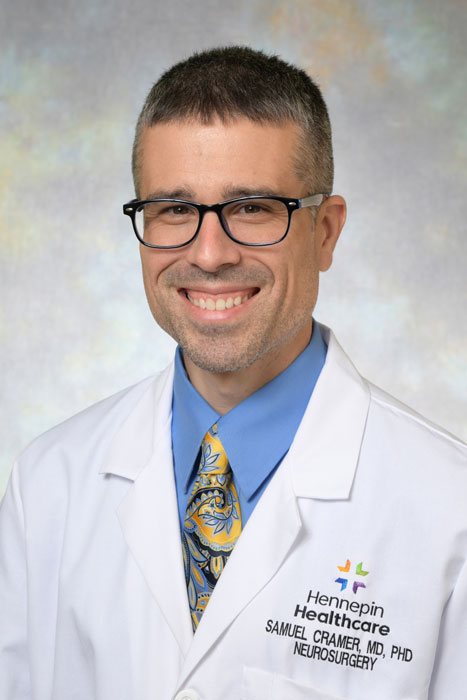
| | | Dr. Samuel Cramer is studying the effects of decision-making on mental fatigue | | |
Neurosurgeon and Co-Director of the Restorative Neurotrauma Lab (RNL), Samuel Cramer, MD, PHD, is studying decision making in patients who've experienced a Traumatic Brain Injury (TBI), through the study of Evaluation of Decision-Making Fatigue After Traumatic Brain Injury (EDIFY). The study utilizes noninvasive computerized assessments to better understand the effects of decision-making on mental fatigue. Mental fatigue encompasses several mental processes, including planning, problem-solving, and reasoning, that take cognitive effort, which can be affected by TBI. In this trial, Dr. Cramer will determine the feasibility of applying this intervention in the acute and subacute phases of TBI. This study will also use a control group with folks who've never experienced a TBI.
| | Dr. Jason Baker Led Work Group that Developed New Section on Cardiometabolic Health in the "Guidelines for the Use of Antiretroviral Agents in Adults and Adolescents with HIV" | | |
Jason Baker, MD, MS, led the work group that developed a new section on cardiometabolic health added to the U.S. Department of Health and Human Services updated 2025 "Guidelines for the Use of Antiretroviral Agents in Adults and Adolescents with HIV.” The new section is titled, “Cardiovascular and Metabolic Complications in People With HIV,” and it provides guidance on preventing and managing cardiovascular and metabolic complications in people with HIV. As people with HIV live longer, heart disease and weight-related issues are becoming more common. The updated federal guidelines offer strategies to manage these risks and improve cardiovascular health specifically for people living and aging with HIV.
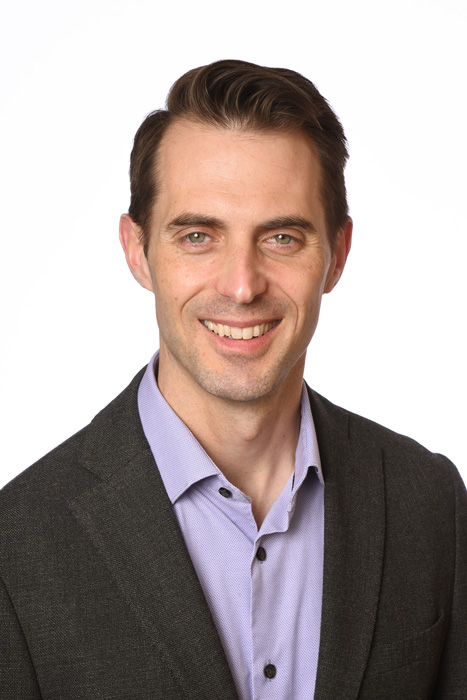
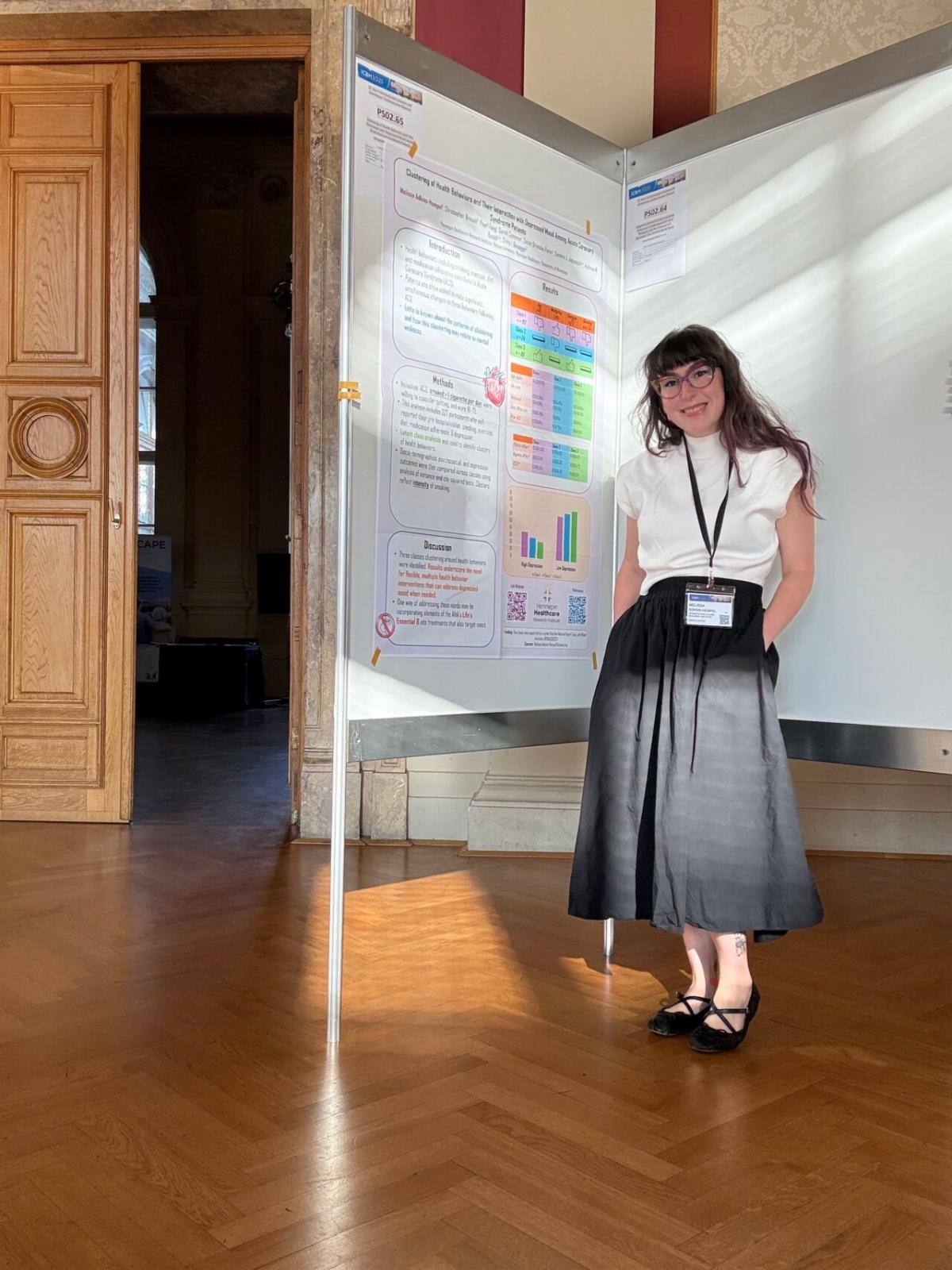
| | Dr. Drew Busch and Melissa Adkins-Hempel presented at the 2025 International Congress of Behavioral Medicine | | Publications, Presentations, & Media Highlights |
-
Anne Murray, MD, MSc, co-authored an article, "What is the Association Between Music-Related Leisure Activities and Dementia Risk," published in the International Journal of Geriatric Psychiatry—The ASPREE Longitudinal Study of Older Persons looked at 10,000 relatively healthy people aged 70+ and found that people who listen to music most days cut their risk of developing dementia by 39% compared to those who did not regularly listen to music. Multiple media outlets wrote stories about the study, including coverage in the Washington Post and The Hill.
-
Nicholas Wood, PhD, was invited to present a Transplantation and Donation (TAD) Talk at The Organ Donation and Transplantation Alliance's (The Alliance for short) 2025 National Critical Issues Forum—Dr. Wood encouraged people to re-evaluate how success and failure are measured in the U.S. transplant system. Watch the presentation.
-
Behnam Sabayan, MD, MSc, PhD, FAHA, contributed to "Revised Diagnostic Criteria for Vascular Cognitive Impairment and Dementia—The VasCog-2-WSO Criteria" in JAMA Neurology—The study's purpose was to establish the updated criteria on the International Society for Vascular Behavioural and Cognitive Disorders (VasCog) to achieve consensus on the diagnosis of vascular cognitive impairment and dementia (VCID).
| | |
Featured Program: Behavioral Health Equity Resource Group (BHERG)
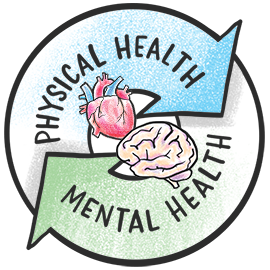
The goal of our group is to improve behavioral health equity by designing and testing innovative behavioral treatments. We design clinical trials that take into account the dynamic interaction of mental health, physical health, and health behavior choices. We are particularly interested in providing these treatments in modalities and settings that increase access to behavioral health care for under-served communities.
| | Your Support Matters More Than Ever | | |
Over the last twelve months HHRI has been doing what most academic medical research organizations have been doing – trying to anticipate and adapt to the evolving priorities and policy changes occurring in the U.S. government. Grants and contracts from the U.S. Department of Health and Human Services (DHHS) constitute the primary source of revenue for HHRI, and the disruptions that are occurring at DHHS agencies such as the National Institutes of Health (NIH) have a direct and substantive impact on our work. So far HHRI is weathering the storm, in large part due to the tenacity and passion of our researchers and the support of our community advocates like you. In addition to the resource constraints occurring, the uncertainty is taking a toll on morale and productivity, and we are watching with concern the impacts on our collaborating institutions and colleagues.
NIH is the largest public funder of biomedical research in the world and the interruption of these public investments and the dismantling of the infrastructure that supports them will be felt for decades to come. Given these increasing pressures it is wonderful to see the groundswell of community support that is happening. Nonprofits across Minnesota received record contributions during the annual Give to the Max Day last week, and we are beyond grateful to everyone who is including HHRI in their year-end giving. With your encouragement and generosity, HHRI will continue to pursue its mission with dedication and perseverance. Thank you for your support of HHRI in whatever form that takes.
| | Did a colleague forward you this email? Subscribe to the HHRI Research Highlights email list and get our newsletter sent directly to your inbox. | | You are receiving this message because you have been identified as a key stakeholder of Hennepin Healthcare. |
| | | |