|
HOMERuN Collaborative: Frontline Perspectives of Health Equity Efforts in Hospital
Medicine Amid Policy Shifts + Announcing Executive Committee Members and HOMERuN Scholars
| | The Hospital Medicine Reengineering Network (HOMERuN) is a rapidly growing collaborative made up of more than 50 Hospital Medicine groups from academic and non-academic hospitals across the United States. | | Organizers and Focus Group Facilitators: Ignacio Cortina Petrasic, Archna Eniasivam, Kristin Furfari, Esteban Gershanik, Areeba Kara, Angela Keniston Lisa Le, Anna Maw, Suman Pal, Lucy Shi, David Sterken, Sahar Taghvaei. Samantha Wang | | Recent policy changes have prompted organizations to reassess how they support health equity and workforce diversity. Examples include federal funding restrictions, closure of equity offices, Medicaid cuts, research funding elimination, immigration policy changes, and more. These shifts are creating uncertainty for hospitalists who care for diverse patient populations, teach the next generation of clinicians, and work within institutions simultaneously committed to equity and constrained by evolving mandates. Yet we have very little frontline data capturing how hospitalists are experiencing these changes. This focus group aimed to generate a timely, multi-institutional snapshot of those experiences — documenting what has changed, how clinicians are adapting, and what strategies may help sustain efforts going forward. | | Institutional Responses and Systemic Refocusing | | |
Some organizations adapted and refocused efforts in response to external requirements and changing funding landscapes.
-
Terminology: Terms like "DEI" and "Anti-racism" are being replaced. Organizations' websites have been updated in response to heightened scrutiny of this language.
-
Workplace Policies and Self-Expression: Participants described greater attention to workplace policies governing attire, office displays, pride flags, and pronouns in email signatures.
-
Evaluation Shifts: Participants reported that some institutions have removed DEI-related measures from faculty evaluations in response to changing requirements.
| | "There is a lot of restructuring or dismantling of DEI initiatives—renaming, removing, refiguring. These changes seem to be anticipatory, due to a culture of fear or perception of threat, rather than a directed change.'" | | Effects on Research and Academic Development | | |
Some of the most substantial effects are in research, where abrupt grant cancellations disrupted projects and created uncertainty about career development.
-
Abrupt Funding Loss: Participants described the loss of research funding as "catastrophic."
-
Grant Review and Research Language Censorship: Researchers described heightened review of grant language and, in some cases, modifying terminology to align with evolving requirements.
-
Concerns About the Research Pipeline: Senior leaders fear a "lost generation" of physician-scientists as junior faculty struggle with the "K to R transition" and residents shift to clinical work to avoid the tenuous research environment.
| | "Every person in my research center is being decimated because you can't talk about health equity in research anymore without it being flagged and pulled." | | Impact on Clinical Operations and Patient Safety | | |
Clinical practice is being reshaped by changes in administrative processes and funding, as well as concerns about access to care among some patient populations.
-
Patient Fear and Delayed Care: Vulnerable patient populations are presenting "much later and much sicker."
-
Insurance and Coverage Challenges: Participants reported that coverage and renewal requirements delayed discharge when patients could not obtain necessary home supplies.
| | "There’s been direct impact on patient care, people delaying care, people being afraid to show up to healthcare settings. That it’s not a protected safe area anymore." | | Impact on Education and Training | | |
The current climate has created significant stressors in medical education, affecting everything from staffing and curriculum to personal safety of trainees.
-
IMG Visa Crisis: Large residency programs are in a "state of panic" after seeing International Medical Graduates' visas rejected just weeks before start dates.
-
Scrutiny of Medical Curriculum: Curricular innovations have more formal oversight around language used and/or topics covered.
-
Reduced Protected Time for Teaching: Participants reported that financial pressures have led some institutions to increase clinical productivity expectations, reducing protected time for teaching.
-
Changes to Faculty Evaluation Criteria: Institutions have mandated the removal of DEI-related criteria from faculty annual reviews and professional evaluations, where they were previously used to assess commendable or outstanding performance.
-
Trainee Safety and De-escalation: Faculty report increased verbal and physical aggression from patients toward trainees. This has forced a shift toward prioritizing de-escalation training and protective faculty presence during resident services.
-
Stress on Vulnerable Learners: Trainees from marginalized backgrounds are facing heightened uncertainty and stress.
| | "We've had almost a quarter of our IMGs get their visas rejected in the last month when they've shown up in their home countries for appointments. These are some highly qualified physicians in their home countries and we're in a state of panic." | | Local Adaptations and Emerging Strategies | |
In the face of these challenges, hospitalists are leading creative, patient-centered solutions.
-
Innovative Models: Systems like "facilitated dialysis" through the ER are being used to manage patients without community placements in a cost-effective manner.
-
Community Building: Participants noted that the current pressure has paradoxically built a stronger sense of community among those committed to health equity.
| | "It has really brought people together that are interested in continuing this type of work. There is more sense of community being built that way even if it's not spoken about it out loud." | | |
Conclusion
Hospitalists describe the current climate as one of considerable uncertainty and professional strain. While institutions have remained nimble, the loss of research infrastructure and the increased vulnerability of patients present long-term risks to the workforce and public health. Moving forward, HOMERuN will analyze these perspectives to help develop systemic solutions and inform practical strategies that support medical education, research, and equitable patient care.
| | Two HOMERuN Executive Committee members have been elected via ranked-choice voting. | | | | |
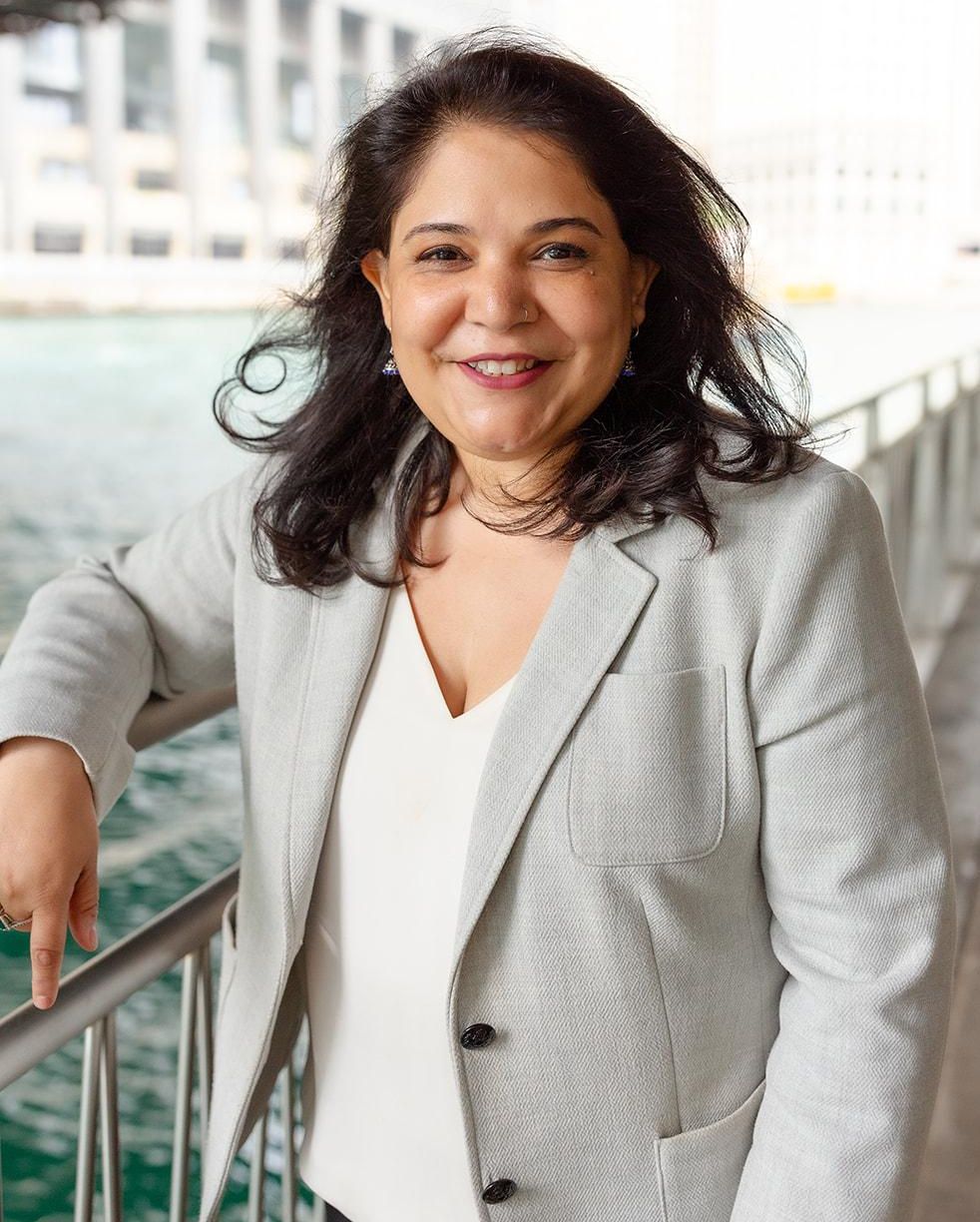
What do you hope to achieve/contribute during your term in the HOMERuN executive committee?
"I hope to help the Executive Committee strengthen strategic partnerships and dissemination efforts, ensuring that HOMERuN's work continues to influence practice, leadership, and national conversations in hospital medicine. Serving in this role would be an opportunity to give back to a collaborative that has shaped my scholarship and to help guide its continued growth and relevance."
| | | | |
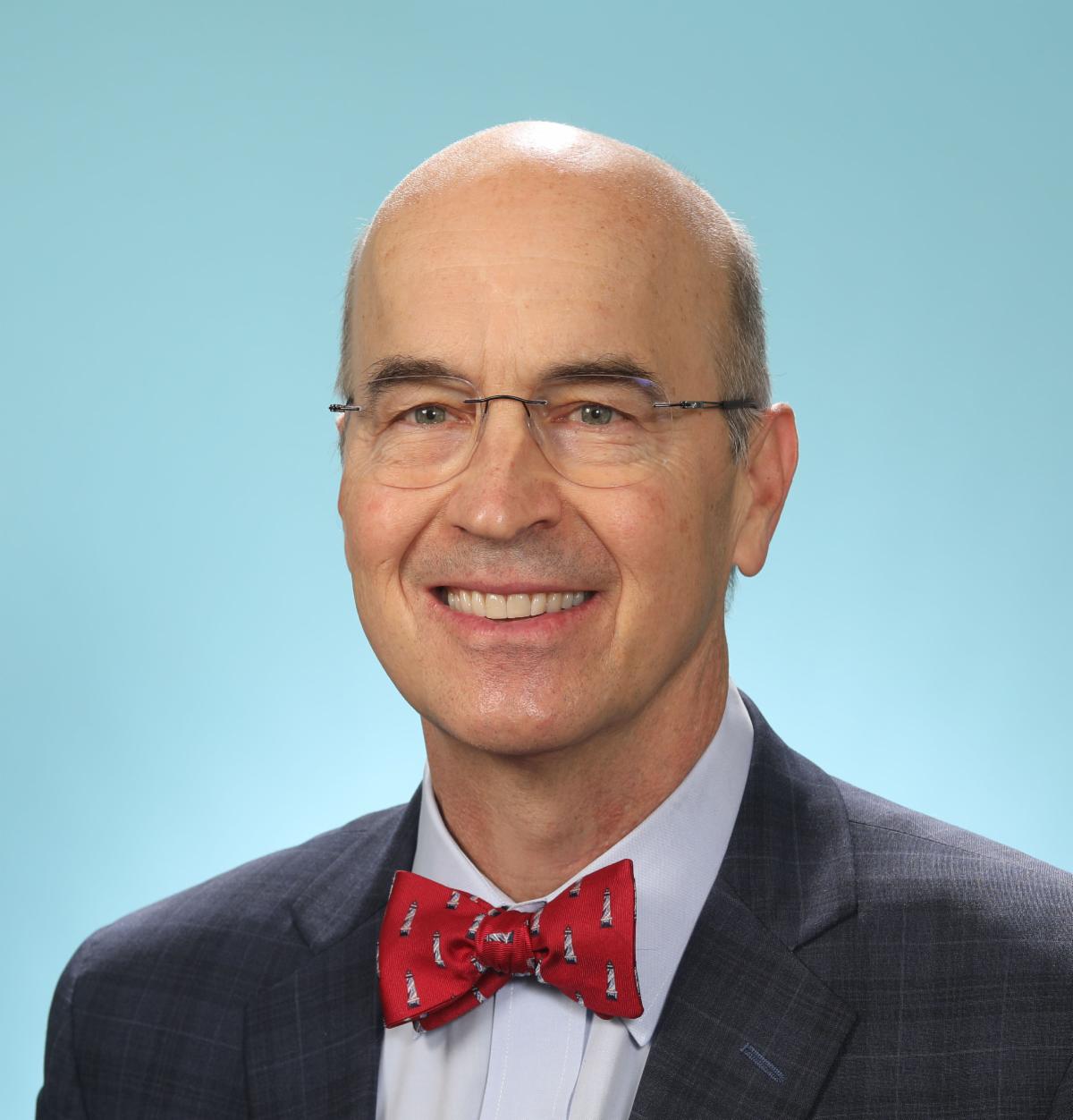
What do you hope to achieve/contribute during your term in the HOMERuN executive committee?
"I hope to continue contributing to decision-making that guides HOMERuN into a self-sustaining organization.
Additionally, I enjoy mentoring junior faculty participating in HOMERuN and hope to facilitate successful grant application leveraging HOMERuN's infrastructure."
| | Two HOMERuN Scholars have been selected for our 2-year program. | | | | |
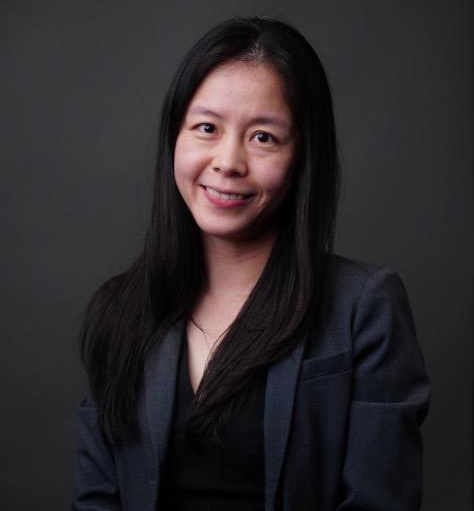
Siew May Wang is a hospitalist at Northwestern Memorial Hospital, where she conducts research focused on rapid response team dynamics.
Her research interests were inspired by the opportunity to collaborate with multidisciplinary healthcare teams, research scientists, and healthcare leaders to address complex system-level challenges within hospital medicine.
Her HOMERuN Scholar project examines the perspectives of the various providers typically involved in rapid response teams across different institutions to better understand what truly constitutes a high-quality rapid response encounter. By identifying shared priorities and institutional best practices, the project aims to inform strategies that enhance the rapid response team experience for all stakeholders involved.
| | | | |
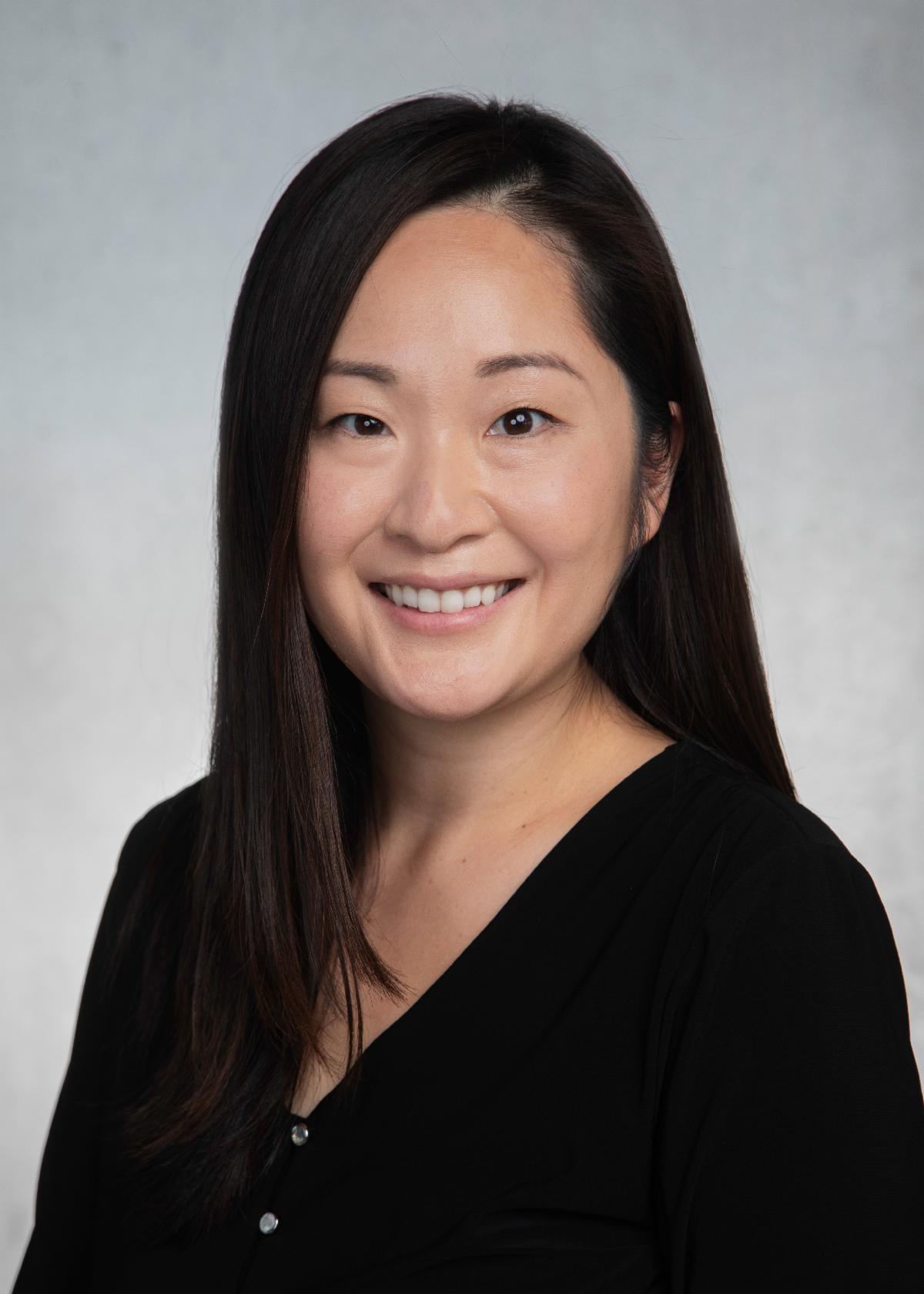
Yuri Shindo is a hospitalist at UC San Diego Health with a subspecialty in addiction medicine. In response to the need for inpatient addiction care at UC San Diego, she founded a hospitalist-led opioid use disorder team that initiates medications for opioid use disorder and connects patients with outpatient treatment.
Her research focuses on improving the care of hospitalized patients with substance use disorders, including the use of artificial intelligence to identify patients who may benefit from addiction consultation early in their hospitalization. She is passionate about medical education and teaches medical students, internal medicine residents, and psychiatry residents on the care of hospitalized patients with substance use disorders. As a HOMERuN Scholar, her work focuses on improving how hospitals respond to in-hospital substance use.
| | |
A study by the HOMERuN Workforce Emerging Trends Work Group explores hospital medicine clinicians' perspectives on the growing influence of corporate ownership and physician unionization. Participants, representing 26 organizations across the US, described increasing tension between clinicians and health systems in an environment perceived to be increasingly focused on financial margins, with corporatization, and particularly private equity investment, viewed as potentially worsening this misalignment. Clinicians also described feeling increasingly voiceless, with unionization emerging as a potential mechanism to regain influence and advocate for the workforce. Notably, physicians also reported limited knowledge about unionization and expressed a wide range of views.
These findings highlight an emerging challenge for hospital medicine: understanding how changes in healthcare ownership and governance affect clinician voice and whether unionization can effectively address concerns about autonomy, working conditions, and organizational priorities.
Burden M, Keniston A, Astik G, allister C, Fredrickson T, Hendricks M, Kangelaris KN, Maw A, Murray-Bainer S, Peterson RJ, Leykum LK. Perspectives on increasing corporate ownership and unionization in hospital medicine: An exploratory mixed methods study. J Hosp Med. 2026;21(8):898-910.
| | Our next HOMERuN meeting will be on September 4, 2026. | | Image Attributions: Icon images from https://www.flaticon.com and https://www.vecteezy.com. | |
If you would like to join the HOMERuN Collaborative calls, please reach out to Tiffany.Lee@ucsf.edu.
| | | | |