New SNP Deconvolution Method Enables FIGG from Mixed Samples | | |
Signature Science has validated a SNP mixture deconvolution workflow for two-person DNA mixtures, a breakthrough enabling new leads from evidence previously unusable. When a sample contains DNA from two contributors, our process separates the mixture to produce a single-source SNP profile for the major contributor, making it suitable for forensic investigative genetic genealogy (FIGG) analysis.
The advent of this technology means that more evidence types can be considered for FIGG. Critically, depending on the mixture ratio, our workflow can be used with or without a reference sample.
Unsure if your sample is a good fit? Leave it to us! We will evaluate your evidence and work closely with your team to develop a testing plan that maximizes the investigative potential of your case, whether it’s a decades-old cold case or an active investigation.
For more information and to get started:
| | |
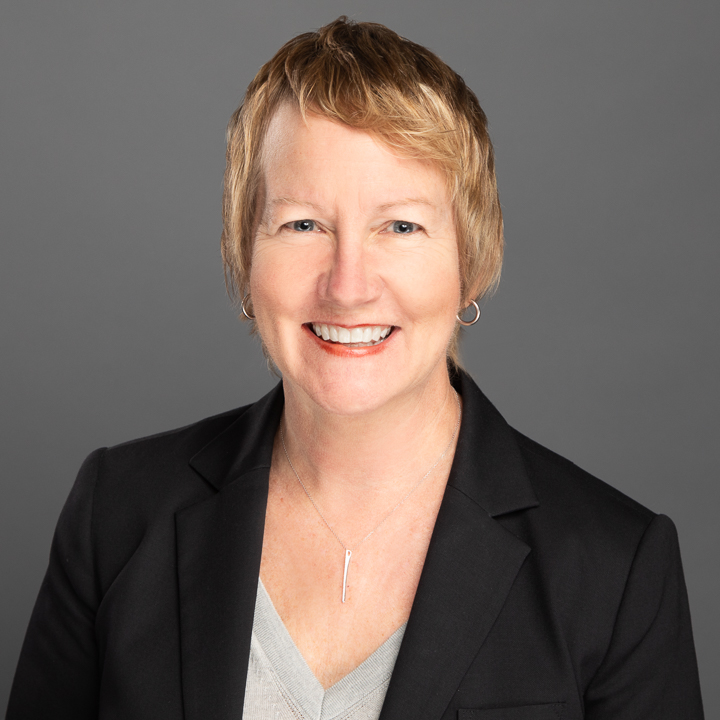
Leslie Parke, PMP, CQA
Forensic Laboratory Director
| |
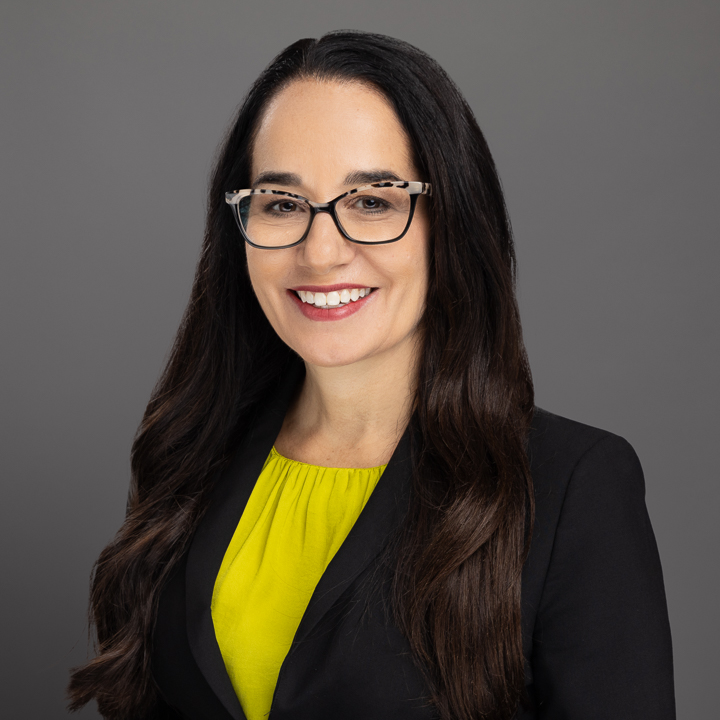
Kris Cano, MA
Former Director of Forensic Services, City of Scottsdale Arizona
| |
Leading Through Uncertainty: A Deep Dive into Advanced Leadership Strategies for Forensic Laboratory Leaders
Tuesday, May 19
10:45 AM-12:45 PM
Crime laboratory leaders of today are required to do more than maintain operational readiness — they must also inspire resilience, clarity, and purpose in their team. This intensive 2-hour session goes beyond leadership basics to explore advanced frameworks for navigating rapid change with authenticity.
Attendees will hear ways to leverage emotional intelligence, cultivate psychologically safe teams, and transition confidently from colleague to leader. Whether you're an emerging supervisor or seasoned executive, walk away with actionable tools to build your leadership legacy and guide high-performing teams through today's most complex challenges.
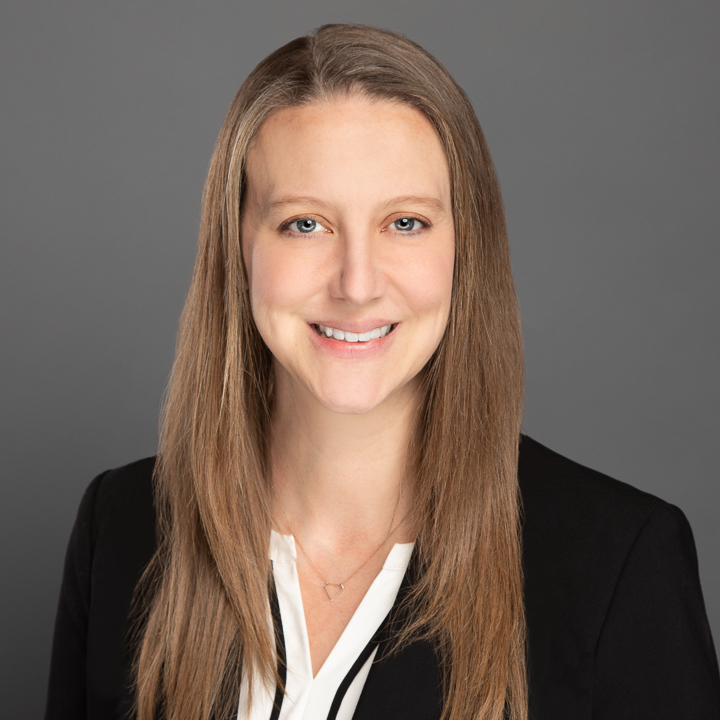
| | | Jamie Haas, MS
Quality Assurance Manager | |
Resource Management and Logistics: Forecasting Growth from Small to Medium Laboratory Operations
Wednesday, May 20
9:10-9:30 AM
This case study examines real-world strategies for managing finite resources — staff, space, and equipment — as operational demands grow. Learn practical approaches for tracking throughput, identifying workflow bottlenecks, and strategically planning laboratory expansion to meet changing casework demands while maximizing efficiency at every stage of growth.
| | |
Collaboration During Crisis: A Multi-Laboratory Response to a Vendor Quality Issue
Wednesday, May 20
11:15-11:45 AM*
When QIAGEN notified laboratories of reagent issues affecting DNA extraction yields, Signature Science and the Houston Forensic Science Center (HFSC) navigated a significant quality concern together, in an example of complex collaborative problem-solving. In this presentation, Ms. Wandzek alongside HFSC’s Senior Manager of Forensic Biology, Ms. Courtney Head, will discuss how the two laboratories worked together to investigate the issue, evaluate potentially affected cases, and implement effective resolution strategies. The two will also explore key lessons learned, including the legal implications of quality issues in forensic casework and practical approaches to preparing clear, confident courtroom testimony when such challenges arise.
*Note session time change. Please check the conference app for the most current schedule.
| |
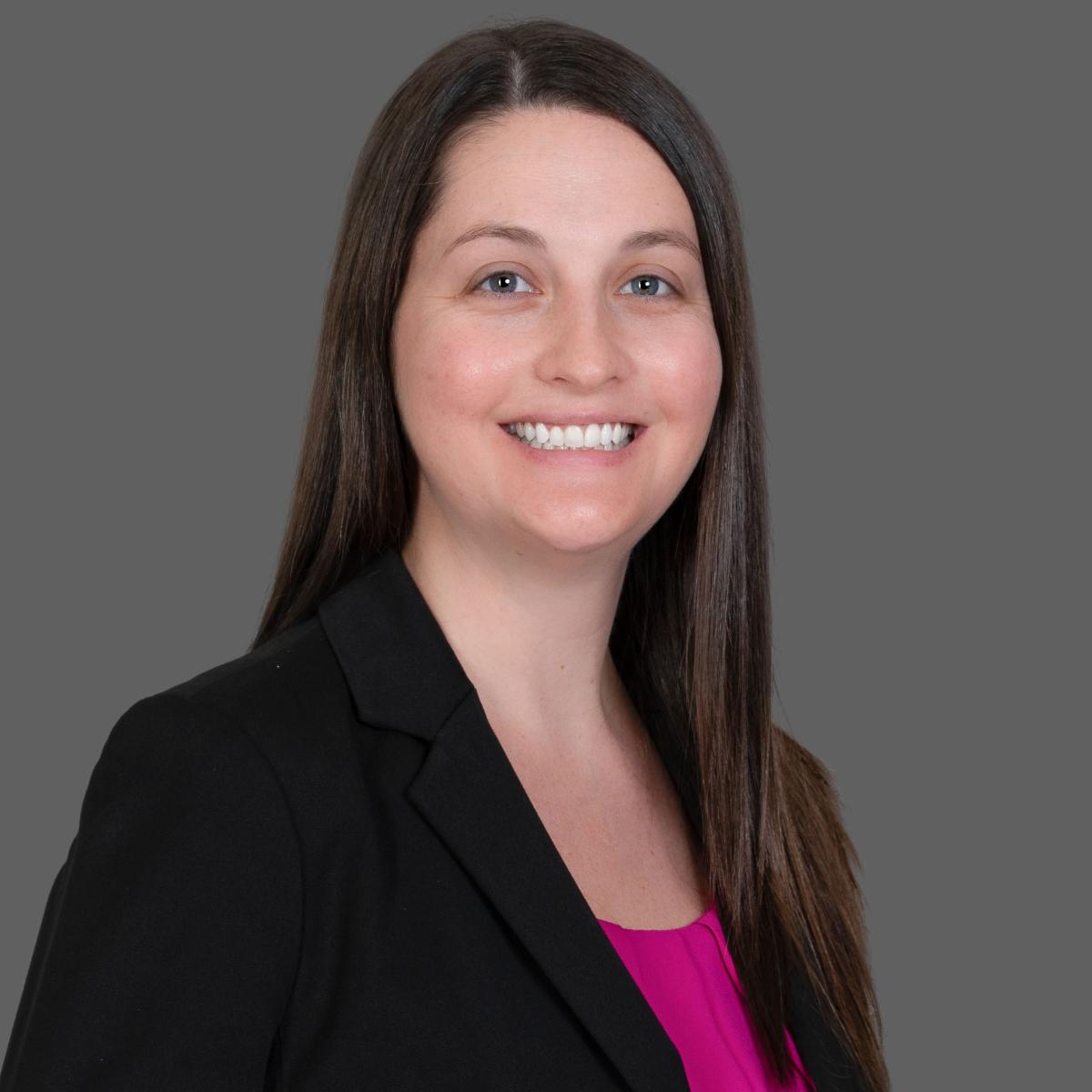
Samantha Wandzek, MS
Technical Leader | | | Check out the full agenda and plan your ASCLD experience today! | | |
And - Make Sure to Find us in the Exhibit Hall!
Booth 113
| | Interlaboratory Collaboration to Advance Forensic SNP Typing | | |
SigSci participated in an interlaboratory study with 14 laboratories across three continents to evaluate the FORensic Capture Enrichment (FORCE) panel, a standardized SNP panel for applications including kinship, identity, ancestry, phenotype, and X- and Y-SNPs, using different assays, workflow conditions, and instruments.
The study demonstrated that all methods were able to successfully generate SNP profiles, but assays differed in strengths and weaknesses. SigSci's Erin Gorden said, "The study was a great opportunity to collaborate with forensic DNA researchers and practitioners worldwide and show the flexibility of the FORCE panel for use in human identification."
Read the Study.
| |
| April flew by as we zigzagged across the country to participate in law enforcement trainings and to speak and exhibit at forensic science conferences! We had some incredibly productive conversations and were able to connect with our industry peers in these collaborative environments. | | |
IHIA Texas Cold Case Conference
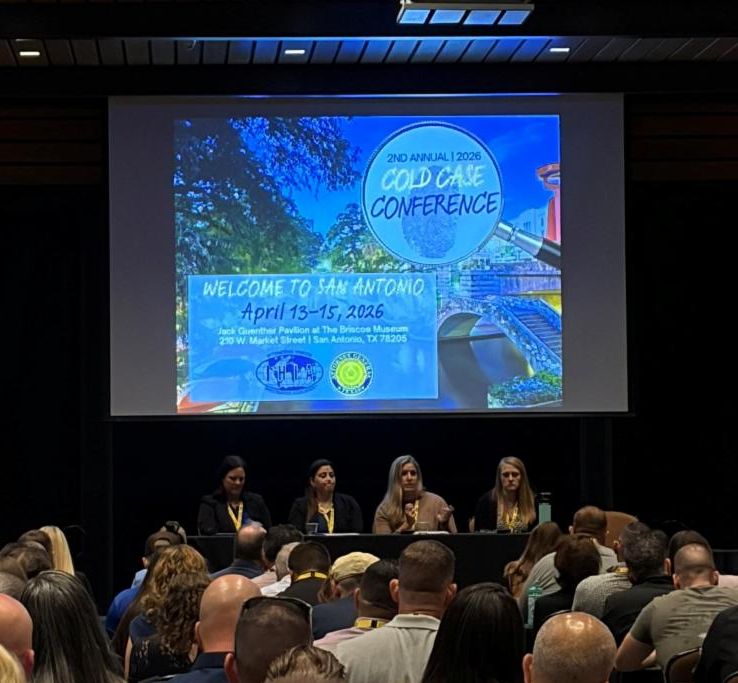
San Antonio, TX | April 13-16
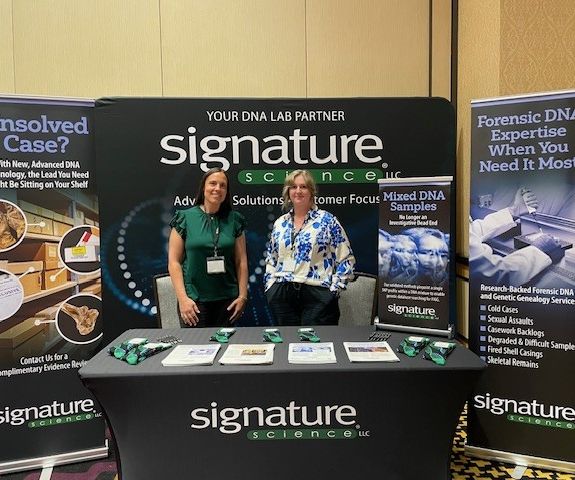
We were proud to support the International Homicide Investigators Association at the second annual Cold Case Conference. In addition to hosting an exhibitor booth where we were able to connect with investigators between sessions, SigSci's Genomics Research Scientist, Erin Gorden participated in a Lab Panel: "Latest DNA Advancements & Capabilities," alongside experts from other private and public crime labs to discuss how recent DNA technology advances are creating new opportunities for case breakthroughs.
| |
| |
| |
National Missing & Unidentified Persons Conference
Las Vegas, NV | April 21-23
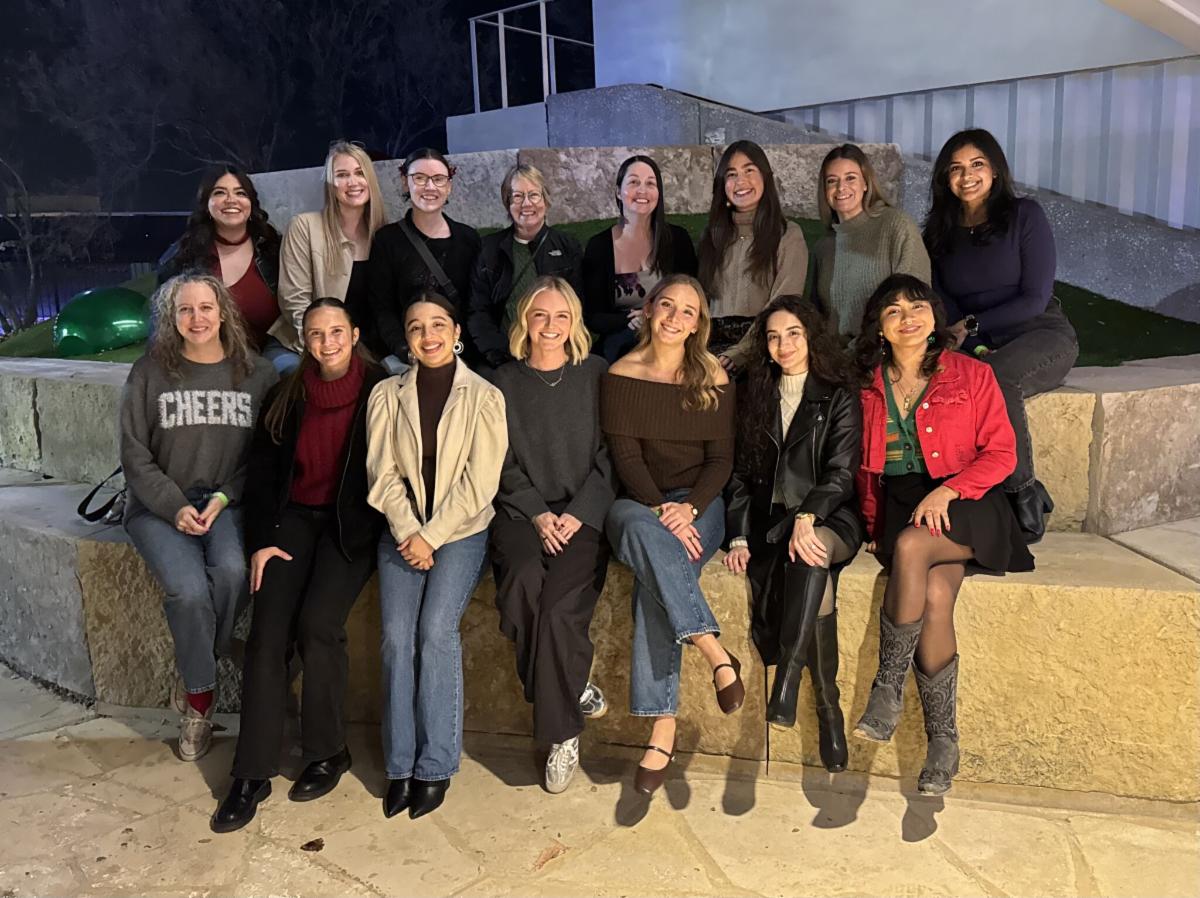
Staff from our Advanced Genomics Laboratory attended the National Missing & Identified Persons Conference hosted by the National Criminal Justice Training Center. This conference brings together experts from across the country in pursuit of new technologies and strategies to investigate missing and unidentified person cases. It was inspiring to see so many dedicated individuals come together for the common goal of ensuring no missing person case goes unsolved and no family goes without answers.
| | |
Enhancing Investigations through Genetic Genealogy
Everett, WA & Moncks Corner, SC
We were proud to support two regional training courses hosted by the National Criminal Justice Training Center (NCJTC).As part of these three-day training sessions, we delivered interactive presentations and instructed participants on the methods and genealogical research that shape the FIGG process. We highlighted the value of working with a private laboratory, sharing insights into our case review and strategic evidence selection processes we employ to maximize the potential for probative DNA results.
| | Uplifting the Next Generation of Forensic Scientists | | |
Signature Science forensic DNA analysts and technicians have the opportunity to impact the academic and professional journeys of the next generation through our Forensic DNA Mentorship Program.
Our mentors connect with aspiring scientists, share their expertise, and give back to the community in a volunteer capacity, all while developing their own leadership and communication skills.
Know a student who could benefit from a partnership with a Signature Science Mentor? Encourage them to get in touch!
| | Looking to make a career move? Keep an eye on our careers site for openings. | | Want to stay connected? Keep up with SigSci on LinkedIn. | | | | |