HOT FLASH!
The Newsletter, XI
| |
|
Connecting and empowering you with the latest lifestyle research regarding menopause and menopause-related topics
Building a menopause empowered community one study at a time
| |
Mental and Emotional Menopause Changes and Layers | |
Last month, we discussed lifestyle options to navigate physical changes of menopause we have previously featured in HOT FLASH!. This week, in Vol XI of HOT FLASH! The Newsletter, we continue our celebration of Menopause Awareness Month by discussing the far too underdiscussed mental and emotional changes that can be experienced with menopause.
FYI: During Menopause Awareness Month, HOT FLASH! The Newsletter will focus on the various changes (physical (10/9) mental and emotional (10/16); and sexual changes (10/23), as well as changes in disease risk (10/30)) related to menopause, with recommendations and links to previously featured research on lifestyle options for managing each type of change. Moving forward, you can look forward to this type of lifestyle summary and guide to the previous year's newsletters every October during Menopause Awareness Month.
|
Mental and Emotional Menopause Changes
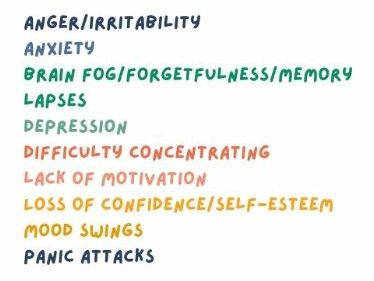
Last week, I showed you a list of 30 potential physical changes of menopause I had collected from various sources. Below is a similar aggregated list of mental/emotional changes that may accompany a menopausal transition.
(Have a sign you have experienced that you don't see on our list ? Let us know!)
Remember that everyone's menopause experience is distinctly unique, so the changes you may go through, and their intensity, are unlikely to be exactly the same as someone else's. Each of our bodies will respond differently as a result of the decreasing estrogen levels that trigger most of these changes.
| Layers of Impact: Emotional and Mental Change | |
Just as every person born female will experience menopause changes differently, how someone going through menopause feels about and processes those changes will also be different.
There are multiple layers to consider with these emotional and mental changes. Menopause can affect our:
-
Mood and mental health - The brain, like other tissues and organs of the body, will respond to the changes in hormone levels as they occur. This can trigger new or worse mental health challenges. In fact, according to an article from Harvard Medicine: The Magazine of Harvard Medical School in 2023 entitled "The Mental Health Aspects of Menopause," "many women and their care providers don’t fully appreciate the risk of developing new, relapsed, or worsened mental health conditions as menopause approaches. Those who are aware may not know how best to treat the symptoms. And researchers have barely begun to quantify menopause-associated mood changes and mental illnesses, pinpoint their causes, and compare the effectiveness of treatments."
-
Sense of self - Unfortunately, we live in a culture where, according to a recent article in The New York Times, "[media] images suggest that advanced age is to be celebrated only when overcome, subdued, or somehow reversed, shoehorned into conventions created for the very young." We often struggle to fit the emergence of our new - in particular, physical - identities into those conventions. When our "new (menopause) normal" does not fit within those standards, or even our own perception of our identity, it can lead to a cascade of feelings that negatively affect our sense of self.
-
Stress level - Menopause is a time of many changes, and with change often comes stress and distress. This stress can create a cycle of worsening menopausal symptoms. Stress increases inflammation, and both chronic stress and inflammation can, in turn, intensify the mental, emotional, and physical changes that occur during menopause.
NOTE: Because the types of changes described above are triggered by our own mental, emotional responses, consultation with a mental health professional is appropriate, especially if you are experiencing severe changes in any or all of the above.
Our mental and emotional state, combined with our attitudes, beliefs and assumptions about menopause, i.e. our menopause mindset, can play a powerful role in our overall menopause experience. For example, a 2010 systematic review titled "The impact of attitudes towards the menopause on women's symptom experience" concluded that "[w]omen with more negative attitudes towards the menopause in general report more symptoms during the menopausal transition" and suggested that "women who participate in an intervention aimed at reducing negative attitudes may also find a reduction in perceived frequency and severity of symptoms."
Read on for more on a healthy menopause mindset and how to cultivate it!
| Changing with the Change: Changing Perspective to A Healthy Menopause Mindset | |
My goal with the Changing with the Change Menopause Empowerment Coaching Program was to ensure that anyone going through menopause had not only the most recent and up-to-date information they needed, but also the support to experience the menopause transition with hope, optimism and deep self-love.
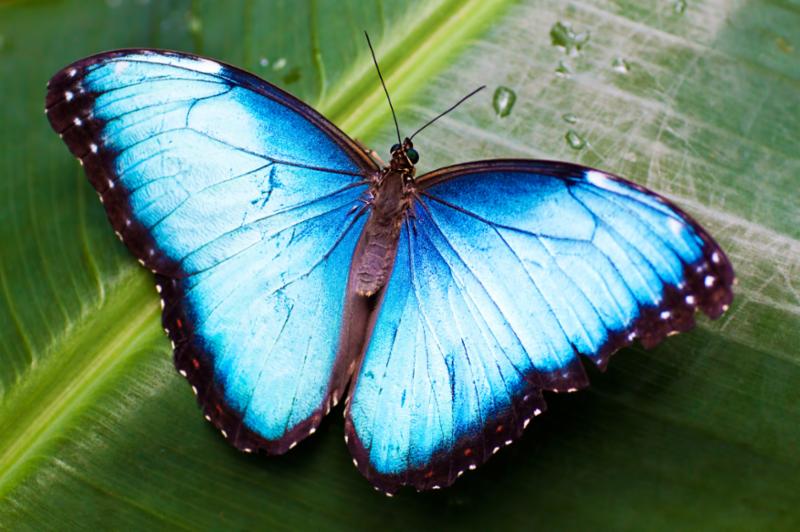
In creating the program, I came up with what I see as a loving metaphor for menopause: the emergence of a butterfly. As children, we are like caterpillars, exploring the world. After menarche (first menstrual period), our re productive years are like the chrysalis stage—one of transformation, growth, and learning. In that phase, estrogen serves as our protective cocoon. During the menopause transition, while we may feel more delicate with all of the changes we are experiencing, we also have the opportunity to embrace a new kind of beauty, one that’s different but equally valuable.
Viewing menopause in this way can help us appreciate the journey we have taken and reframes the experience as an opportunity. It reminds us to be gentle with ourselves, to stop and smell the roses, and to fly higher and farther away from anything that does not serve us.
This can be a lovely visualization to incorporate into mindfulness or meditation practices. (A small study published in 2020 suggested "a potential association of practicing meditation with alleviations in menopausal symptoms and changes in blood chemistry...") Imagine yourself as a butterfly, picturing the size and colors of your wings as you gently soar. Picture yourself softly landing on the cheeks of those you love, offering them a sweet, gentle kiss. Use this imagery to cultivate peace and joy as you breathe deeply with your eyes closed. (If you would like an audio version of this as a guided meditation, please email coaching@embodywell.com.)
For more on shaping a positive menopause mindset, improving health outcomes and optimizing your quality of life in menopause, see below to join the next Changing with the Change group series!
| NOTE: We use the words "change" or "sign" to describe what is often referred to as "symptom," unless directly quoting a study. Since research shows that mindset can influence our menopause experience, the Changing with The Change philosophy stresses the importance of using words that shape a positive mindset about menopause. If we use the word "symptoms" to describe menopause changes, it anchors menopause (and our mindset about menopause) in a negative, disease paradigm. By using more neutral language (like "change" or "sign"), we open the door to viewing menopause differently and shaping a more positive "menopause mindset." A positive mindset gives us hope that we can successfully handle menopause changes. This hope can help turn perception into reality, improving actual outcomes and overall quality of life. |
Got questions? Ready to learn and explore more?
| | |
|
READY TO OPTIMIZE YOUR MENOPAUSE JOURNEY?
Reserve your slot to join our menopause tribe
and the next Changing with the Change group session!
Use code CWC25 for 25% off!
| | |
If you found this email valuable, please share it with a friend and spread the knowledge! | |
|
WANT HELP APPLYING THIS RESEARCH TO YOUR LIFESTYLE?
Join the next monthly HOT FLASH! LIVE! conversation to discuss the featured research. Every 3rd Thursday (October 17th this month). Register to join!
| |
-
Interested in starting your own menopause empowerment and lifestyle group? Send an email to admin@embodywell.com to learn your options, including the presale list for the Changing with the Change Peer Group Guide.
| |
|
HOT FLASH! DISCLAIMER
This newsletter is intended for informational and educational purposes only, aimed at supporting but not substituting professional medical advice, diagnosis, or treatment. It is highly recommended that you discuss any information provided herein with your healthcare provider to assess its relevance and potential application to your specific health conditions and medical history. The content shared by HOT FLASH does not replace consultation with qualified healthcare professionals.
HOT FLASH and its contributors are not liable for any decisions made based on the information provided, nor for any adverse effects, damages, or consequences that may arise from the use of the information presented in this newsletter. Always seek the advice of your physician or other qualified health providers with any questions you may have regarding a medical condition.
| |
*GYNPeople - GYNConnect's inclusive term for people born female that have not experienced gender-affirming care. | |
|
Did you know that the estimated average time between (conclusive) medical research and (widespread) medical practice is 16 years?
As a partnership with GYNConnect, HOT FLASH! aims to close the gap by providing information and education regarding research that can support improved conversations with your healthcare providers about this important topic.
Each HOT FLASH! newsletter summarizes one recent research study related to the signs, risks and options for menopause. Remember, research is only one of several inputs you can use to support shared decision-making in your healthcare partnership with your provider team.
(If you are new to research and the terms used in this newsletter, we recommend reviewing the NIH's guide to "How to Make Sense of a Scientific Article" available here.)
| | | | |