University of Maine Cooperative Extension
2-9-2022
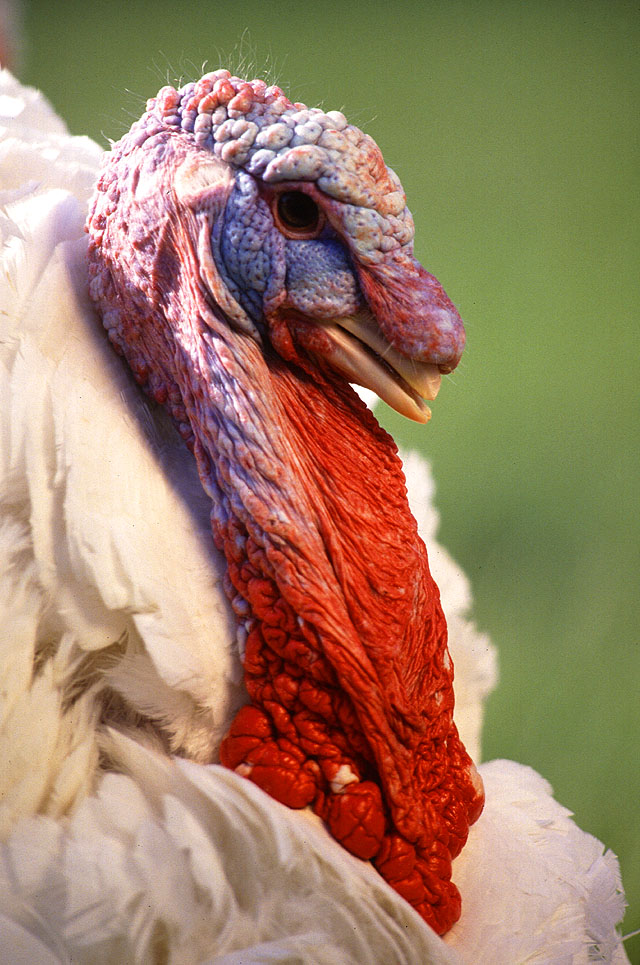
Turkeys were quiet, water consumption went down 85% and increased mortality occurred; these were early signs of what turned out to be highly pathogenic avian influenza (HPAI) in an Indiana commercial turkey flock. 29,000 130-day old turkeys were affected by the event. The USDA was quickly notified and Indiana’s Board of Animal Health’s (IN BOAH) rapid response crew allowed them to quarantine and test in the 17 additional commercial sites within a 10 K control area around the farm; having livestock operations registered with the state made this operation thorough and efficient. Euthanized turkeys will be composted on-site; compost temperatures will be monitored to measure efficacy in killing the virus.
37 additional smaller poultry flocks are within the event area; these are also participating in testing as part of the IN BOAH/USDA response plan. Multiple agencies are cooperating in this event to provide containment.
This strain of avian influenza – H5N1 - does not present an immediate public health concern, although HPAI can become infectious to people and precautions should be used. The USDA reminds consumers that proper handling of poultry products, and cooking poultry meat or eggs to an internal temperature of 165 ˚F is effective at killing bacteria or viruses.
While this H5N1 strain of AI is suspected of spreading into the turkey flock via migrating wild bird exposure, the link between wild birds and the farm strain is not yet established. Wild bird monitoring in the area will be increased. Farmers in the region will be encouraged to review and improve their farm’s biosecurity practices.
In the Eastern US, HPAI is known to be present this winter in wild birds (waterfowl) and has already caused commercial poultry farm losses in eastern Canada. If anything, we in our NE region are more at-risk than Midwest farmers, and should be even more careful about our farm biosecurity. The USDA has revised their materials for smaller, backyard or midsize farms.
If you see sudden or unexplained deaths in your poultry, please contact your state veterinarian. If you see groups of dead wild birds, please contact your wildlife agency. If you are a hunter or rehabilitator, please use caution in handling wild birds, since they may carry avian influenza without showing clinical signs of disease. If you have a backyard flock, keep them separate from wild birds or from areas where they have been. Check with organic/welfare resources to confirm, but housing expectations in the presence of HPAI will likely be changed to allow good biosecurity.
It is troubling to see this happening in Indiana, let's keep it from happening in Maine.
About University of Maine Cooperative Extension:
As a trusted resource for over 100 years, University of Maine Cooperative Extension has supported UMaine's land and sea grant public education role by conducting community-driven, research-based programs in every Maine county. UMaine Extension helps support, sustain and grow the food-based economy. It is the only entity in our state that touches every aspect of the Maine Food System, where policy, research, production, processing, commerce, nutrition, and food security and safety are integral and interrelated. UMaine Extension also conducts the most successful out-of-school youth educational program in Maine through 4-H.