|
Written by Kieran Delamont, Associate Editor, London Inc. | |
DIVERSITY
What happened to the ‘E’ in DEI?
HR’s largest professional association dropped the word ‘equity’ from their popular acronym. What does it mean for corporate diversity efforts?
| |
|
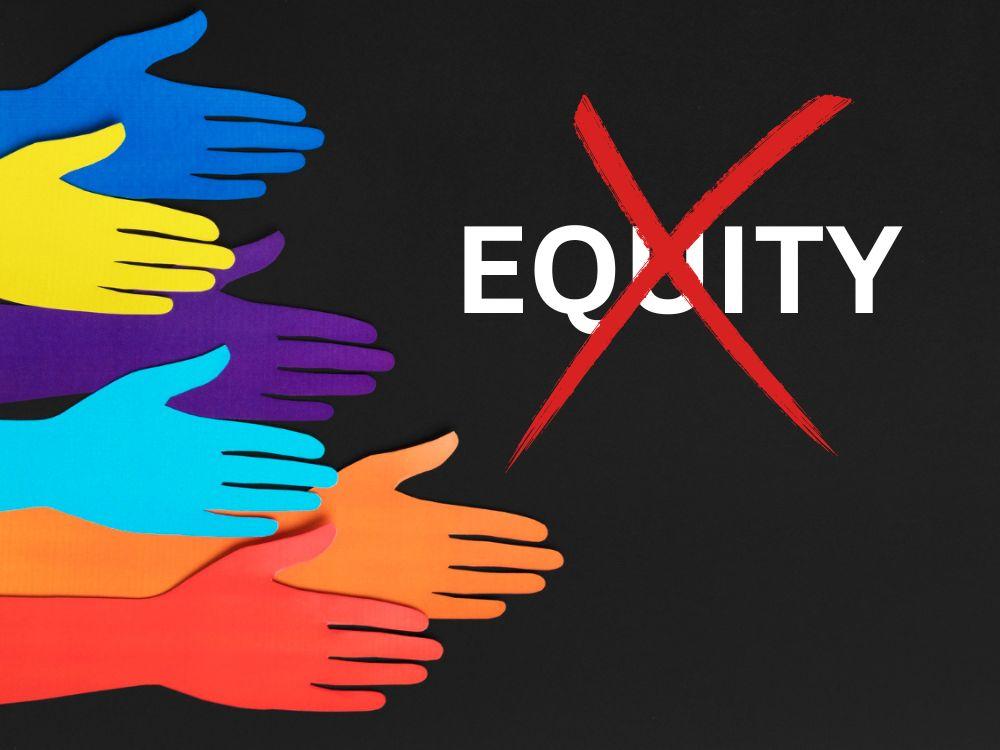
MAJOR DRAMA HIT the HR industry earlier this month after the Society for Human Resources Management (SHRM) made the controversial decision to drop “equity” from its DEI (“diversity, equity and inclusion”) strategy ― prompting a wave of backlash from members within the HR sector.
The brouhaha started on July 10 when they adopted a new “I&D” strategy ― inclusion and diversity ― in what they suggested was a response to critics of DEI as a concept. “By emphasizing inclusion first, we aim to address the current shortcomings of DEI programs,” SHRM said in a LinkedIn post. Its CEO, Johnny Taylor Jr., suggested that “equity” was a confusing term, with no common agreement.
That move drew immediate criticism, though. Several hundred HR professionals organized a petition under the Equitable HR Guild, calling on the HR industry to divest from SHRM and “open doors to a broader pool of HR voices who may have different but equally viable qualifications and expertise.” There were also reports that several speakers dropped out of SHRM’s upcoming Inclusion Conference.
SHRM’s critics said they are abandoning important work. “By removing the very element that addresses systemic disparities, SHRM is sidestepping the very uncomfortable but necessary work,” said one executive, Amira K.S. Barger, who works in the diversity department at Edelman. “This move not only weakens DEI initiatives, but also hinders genuine progress.”
Others complained that the decision seemed to come from SHRM leadership, not its members. “Why not poll your paying members before blurting this out for all the world to see?” asked one.
For now, the two camps remain in a standoff of sorts. SHRM’s Taylor, for his part, insisted in an interview with Bloomberg that the decision was non-political. But in the current environment, it’s easy to understand why the move has picked at a political nerve.
“If politics were driving this, then we just would’ve abandoned this whole thing … that’s the path of least resistance,” he said. “We know this work is important ― it’s really important ― and what is motivating us is a desire to deliver on this, not debate words.”
| |
NETWORKING
Is pickleball the new golf?
Look out golf: Pickleball is gaining in popularity among professionals seeking a more dynamic and inclusive networking experience
| |
|
GOOD NEWS FOR the duffers out there ― no longer is golf the singular option for schmoozing your corporate clients and closing deals. And yep, the rising competitor sport to golf as a corporate deal-closing activity is exactly what you’re probably expecting: it’s pickleball.
“While golf courses have long been hailed as the premier venue for closing deals and wooing clients, a growing number are finding that pickleball saves them time and money, while being more inclusive and easier to play for newcomers,” reports Bloomberg. This summer, corporate bookings at pickleball courts are spiking, with one court facility saying this kind of traffic had increased five-fold.
The big factor here is that pickleball is a much easier sport to play than golf, and probably a much less frustrating experience for newbies, too. “If you’ve never golfed before and I invite you on the golf course because I want to network with you and do business, it’s almost impossible to be able to keep up,” said one real estate broker.
Cost is another one. “Two hours of pickleball might cost a firm $80, while a round of golf can run between $600 and $700. As company margins thin, court reservations are rising,” wrote pickleball writer Jason Flamm.
Generational changes are another. Golf has never really struck the same chord with millennials and Gen Z as it has with older generations, but pickleball has been a runaway success. As those younger generations get into the deal-closing and corporate networking eras of their careers, that’s held steady.
“Never mind the old cliche of the best business being done on the golf course,” said ad agency executive James Kirkham. “Gen Zers are looking to fun, cool sports like pickleball to be the foundation of their new business and networking strategy.”
Maybe the only drawback, if you were looking for one, is that pickleball can get mighty competitive, very quickly. Golf, for all its frustrations, is still a game played mostly against yourself, which can have some advantages in a networking environment. Or, as one Reddit user put it: “I’ve never drilled someone in the face during a game of golf.”
| |
|
|
Terry Talks: The importance of assessments
| In the dynamic landscape of the corporate world, assessments have emerged as essential tools for companies seeking not only individual growth but also the cultivation of a thriving organizational culture. Understanding why organizations should leverage assessments sheds light on the transformative impact they can have on both individual and collective success. | | | |
TECHNOLOGY
Study shock! AI is hindering productivity and making working worse
Management drank the Kool-Aid, but staff can’t cope with the new demands
| |
|
LAST WEEK WE covered a big report from Goldman Sachs, which threw a bit of cold water on the hopes of AI turning major profits for large organizations. And this week, another report looking at implementation suggests that one of AI’s key promises ― the ability to supercharge human productivity ― is failing to materialize, and might instead be slowing people down and saddling them with larger workloads.
“Nearly half (47 per cent) of employees using AI say they have no idea how to achieve the productivity gains their employers expect, and 77 per cent say these tools have actually decreased their productivity and added to their workload,” reported a new study from the Upwork Research Institute.
“What’s happening is that this hype bubble is just huge, and it’s disproportionate to the actual impact the technology can have right now, especially the way it’s being deployed,” said Gartner analyst Emily Rose McRae, speaking with DigiDay’s Worklife.
McRae shared that one client told her that their board had decided to cut 20 per cent of staff and replace them with AI. “I’m not actually sure any company has come anywhere near that level of headcount cutting, and I don’t know that they will, because that’s just not how the tool works.”
Indeed, the report suggests that AI simply doesn’t yet have the labour-saving, cost-cutting power that some have hoped ― nor has it actually helped time-crunched workers increase their productivity. Ninety-six per cent of C-suite leaders said they expect AI-powered productivity gains, but with the applicability and functionality and trustworthiness of AI tools still largely constrained in most jobs, it’s not exactly clear how that is supposed to materialize.
Upwork’s conclusion is that if AI is going to be a productivity boon, then companies will need to go back to the drawing board in terms of implementation. The notion that AI can simply replace human labour looks increasingly improbable (good news for workers worried about being replaced).
“Introducing new technologies into outdated work models and systems is failing to unlock the full expected productivity value of AI,” said the Upwork Research Institute’s Kelly Monahan. “While it’s certainly possible for AI to simultaneously boost productivity and improve employee well-being, this outcome will require a fundamental shift in how we organize talent and work.”
| |
CAREERS
Working hard, hardly working
Looking to reduce your working hours? Allez au Québec, mon ami
| | |
|
WHEN YOU LOOK across Canada, who’s clocking the most hours? It’s those out east, says a new study from Alberta-based Preszler Injury Lawyers.
Looking at StatsCan data from 2023, the analysis found that the longest-working province is Newfoundland and Labrador, where workers are clocking 38.18 hours per week, on average, buoyed by workers in that province’s natural resources and agricultural sectors, where the average week hit 54.23 hours.
That pattern held throughout Atlantic Canada, too: workers in PEI and New Brunswick put in 37.36 and 36.87 hours per week, on average.
“The data goes to show the varying demands placed on workers in different regions and industries and how employees in these sectors may need specialized support in order to avoid burnout or injuries due to getting tired on the job,” said the law firm. “It’s interesting to see the differences in working hours across Canadian provinces.”
The report also found that the harder you work physically, the longer you seem to have to do it. Natural resources and agriculture were the leading occupations in terms of being overworked, closely followed by the trades. On the other hand, those in the arts and culture sector are more modestly worked.
So, if you’re looking for good work-life balance, this evidence, at least, suggests you strike the east coast from your list. Where to go, then? Well, brush up on your French, because the study found that Quebec is the place to be ― it ranked as the only province where workers put in less than 35 hours per week, coming in at 34.72.
That also holds with a study that came out a couple months back, which found that living in a Quebec centre, such as Quebec City, gives you the best odds at striking that perfect balance.
“Ninety-five per cent of residents in all of the Quebec cities analyzed reported feeling satisfied with their lives overall,” said a May report from Point2. (Quebec City, Levis and Gatineau all fared well, although Montreal was far lower on the list.) “Big cities in La Belle Province know how to strike that elusive equilibrium.”
|
| | | | |