|
A Message from Project Leadership
Ryan Banas, Project Director
| | |
November always provides a great reminder to step back and be thankful for the many things around us that may go unnoticed from day to day. The HRBT Expansion Project team has been reminded of that more than ever this year as we have so many reasons to consider ourselves fortunate.
The month started off in grand fashion as the South Trestle, connecting South Island to Willoughby Spit was opened. This 1.2 mile long 202 FT wide structure is an engineering marvel and will provide safe passage for generations to come. More than 18 million man hours have been put into the HRBT Expansion to date, many of which, have been focused on constructing our 8 lane mega-trestle.
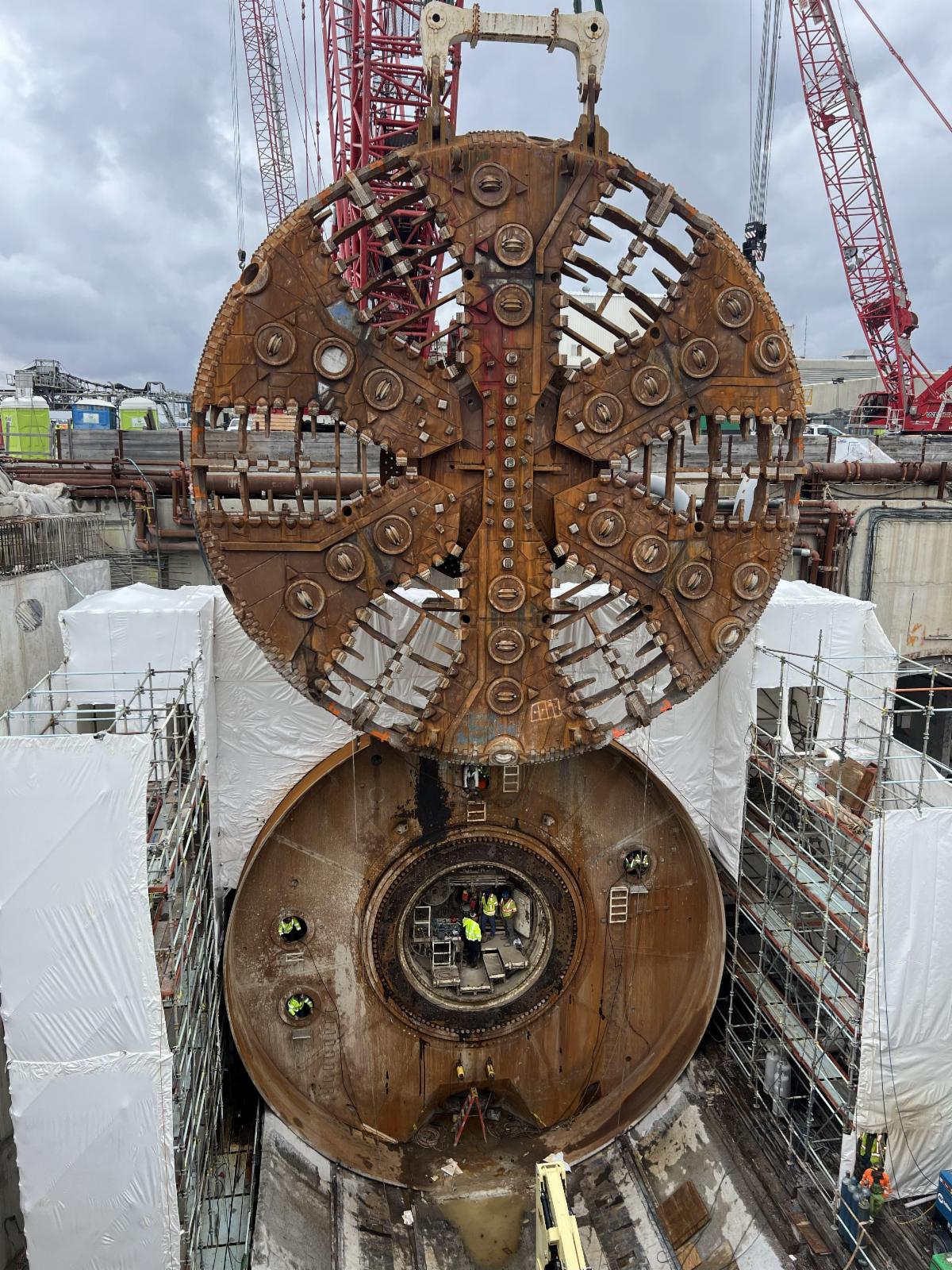
Only a few days later, we were given an opportunity to view Mary’s cutterhead as it was picked from our receiving pit and laid down to start disassembly. A job well done, parts of Mary will have the opportunity to help other projects around the world once they are salvaged and refurbished.
Finally, Veterans Day was a great opportunity to recognize the dozens upon dozens of HRBT Expansion Project members who served in the armed forces. We are extremely lucky to have so many who dedicated their lives to serving our country find a second home at the HRBT and continue their journeys of service in helping improve Hampton Roads.
Know that the more than 2,000 team members at the HRBT are thankful for the opportunity to help deliver this generational project that will transform the region. We hope that you all enjoy time with family and friends as we near the start of the holiday season.
Remember when traveling our corridor this Thanksgiving week, we expect many out of town visitors. Do you part by slowing down, focusing on the road, obeying posted speed limits, and leaving plenty of space between you and others.
Thank you,
Ryan
| | HRBT South Trestle Superstructure Opens | | |
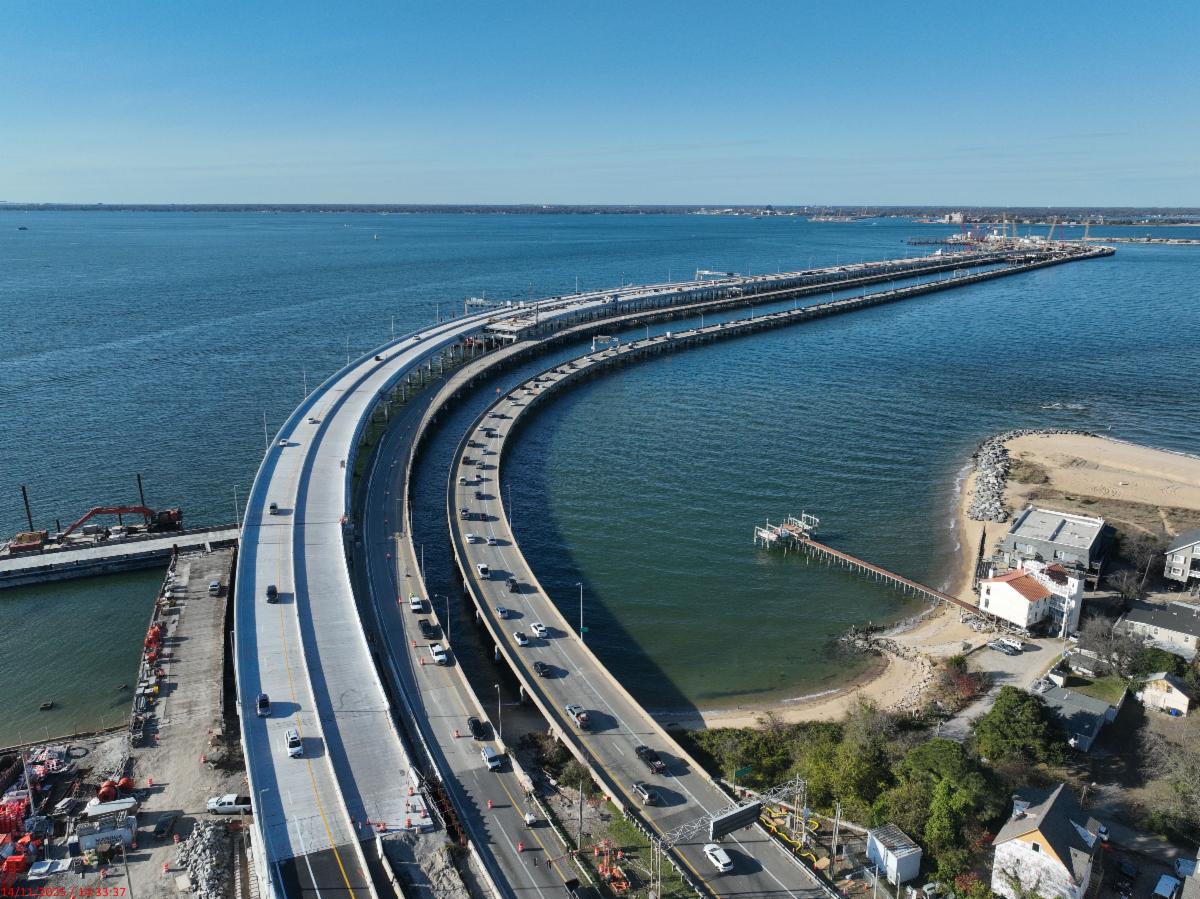
November ushered in another major milestone for the HRBT Expansion Project with the opening of the new South Trestle superstructure. Two lanes of eastbound traffic were seamlessly shifted onto the future eight-lane bridge during overnight operations which started Saturday, November 1, 2025, into the morning of Sunday, November 2.
The 202 FT wide bridge, which carries traffic between South Island and the Norfolk shoreline, is designed to combat the Hampton Roads harbor's harsh salt-water environment. Traffic will continue using the existing eastbound tunnel.
In its final configuration, the new structure will consist of 8 travel lanes: 4 in each direction plus shoulders to accommodate disabled vehicles. The bridge replaces the existing trestles with the addition of 1.2 miles of new deck length. The riding surface of the bridge is between 13 and 27 feet higher than the existing structure to allow for improved drainage and to reduce corrosion of the bridge's bearings and joints. The structure was built with corrosion resistant materials such as stainless steel, carbon fiber, and concrete to ensure it is viable for more than 100 years.
| | |
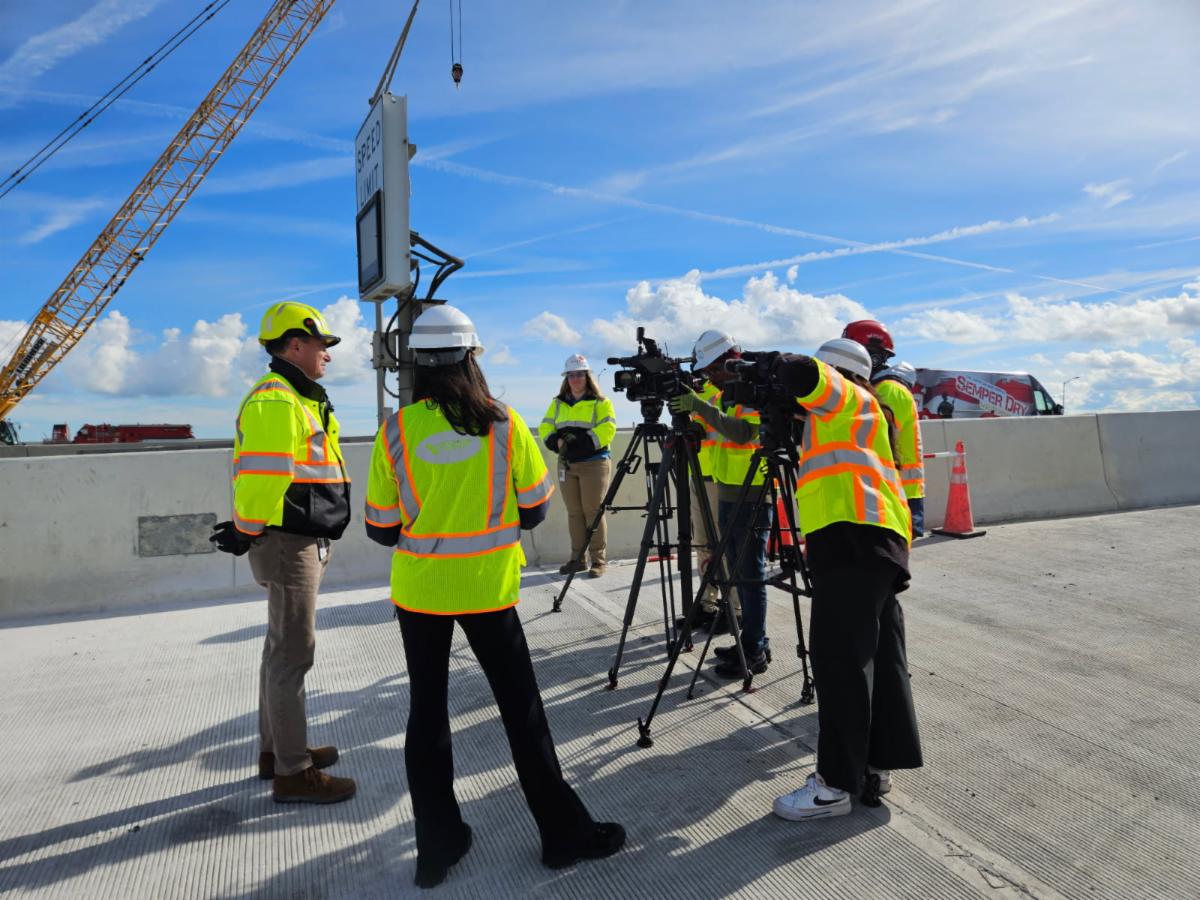
Media toured the bridge with VDOT Commissioner of Highways Stephen Brich in advance of the opening. Brich told reporters, "The traffic shift will change the perspective of the Norfolk Harbor and is one step closer to finishing this generational project for the region and the commonwealth."
Following on the heels of Mary The TBM’s final tunneling success in September 2025, the new trestle bridge is the second major project milestone in as many months.
| | |
Here are a few facts about materials used in constructing the new eight-lane bridge:
- 1.2 miles in length
- 808 precast concrete beams
- 623 54" precast cylinder piles
- 10 football fiends of 9-inch-thick bridge deck
- Stainless steel and carbon fiber reinforcement to extend the bridge's service life
- Low permeability concrete that resists chloride intrusion and prolongs the onset of corrosion
The South Trestle traffic shift is one of several recent traffic shifts between the HRBT South Island and Bay Avenue in Norfolk. In total, more than 4 miles of roadway and bridges have been brought online since Summer 2025.
| |
Landside Bridges, Local Impacts | | |
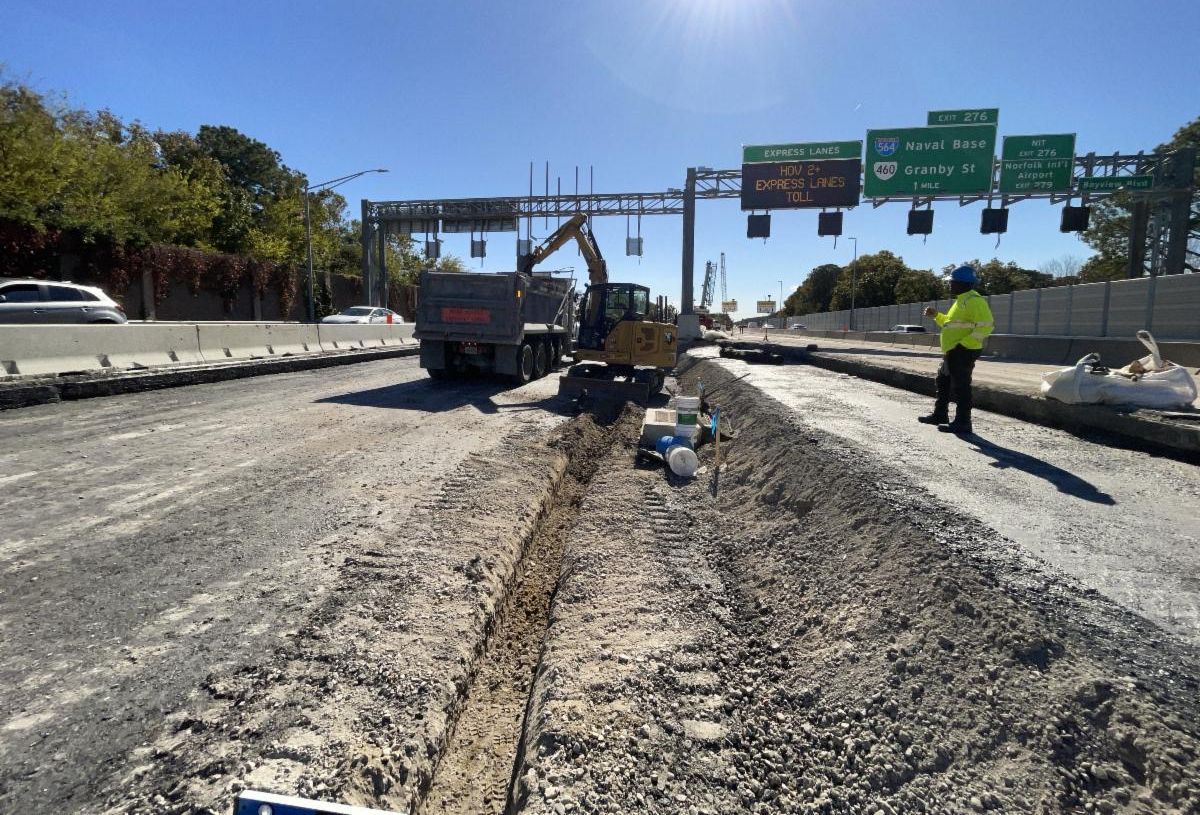
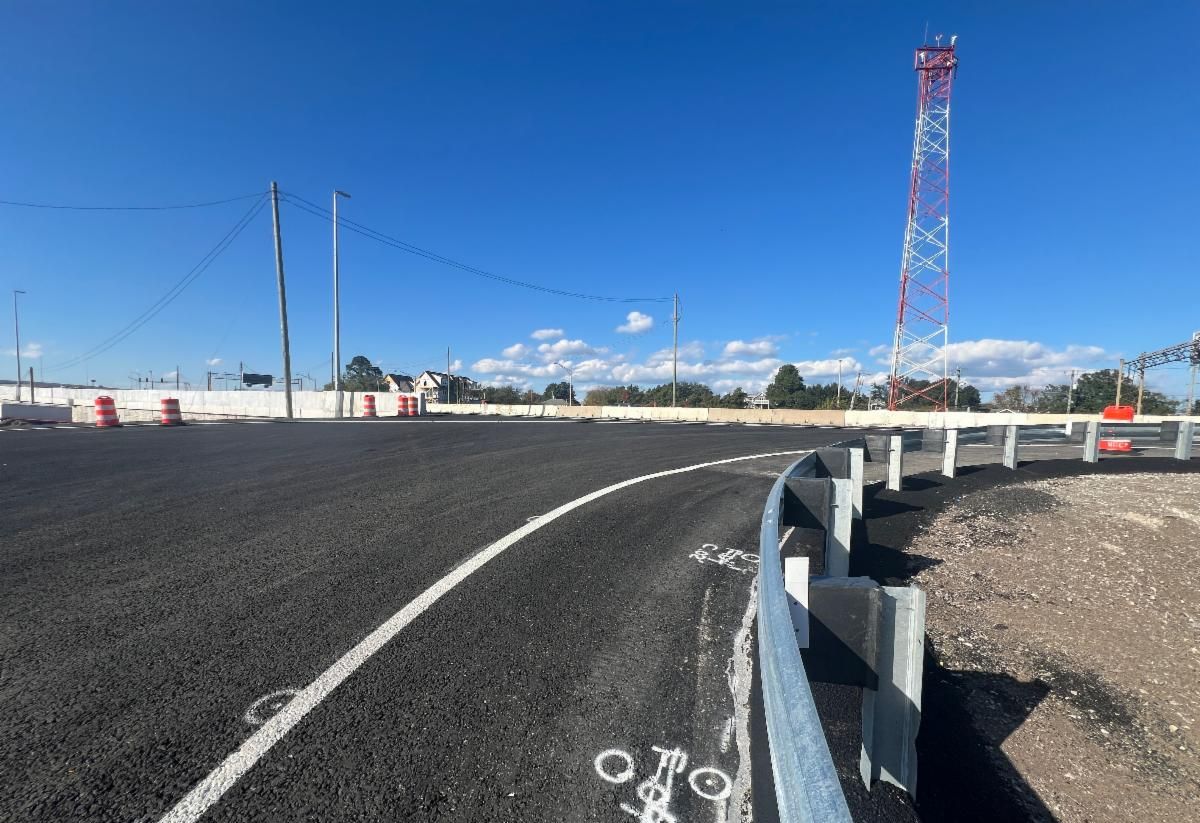
Landside crew also got in on the action, hitting a milestone that shifted traffic on I-64 east between 4th View Street and Bay Avenue in Norfolk. The subtle shift directed eastbound motorists onto two newly constructed travel lanes so crews can perform westbound expansion work. (See photo above).
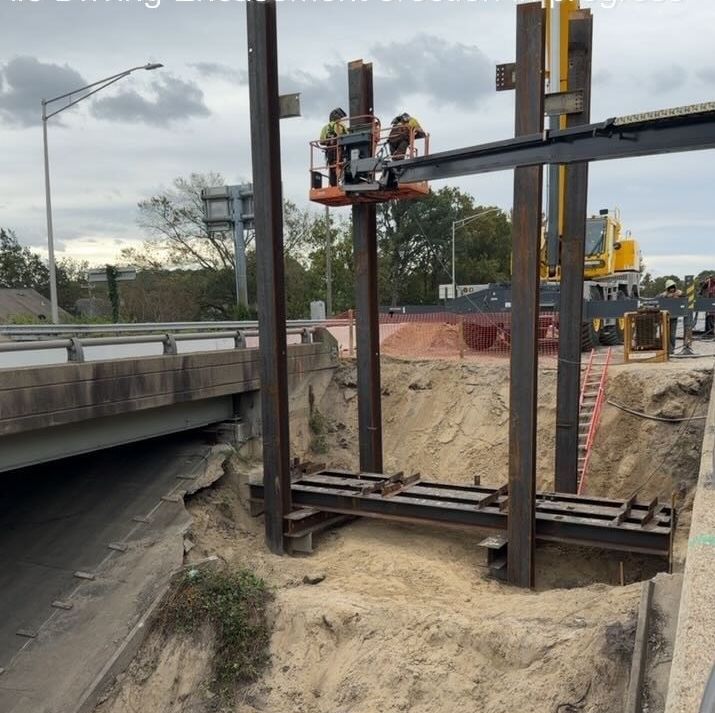
Since the traffic shift, foundations of the new westbound lanes in Norfolk have sprouted into public view with pile driving (pictured right), structure and abutment work progressing throughout the construction zone.
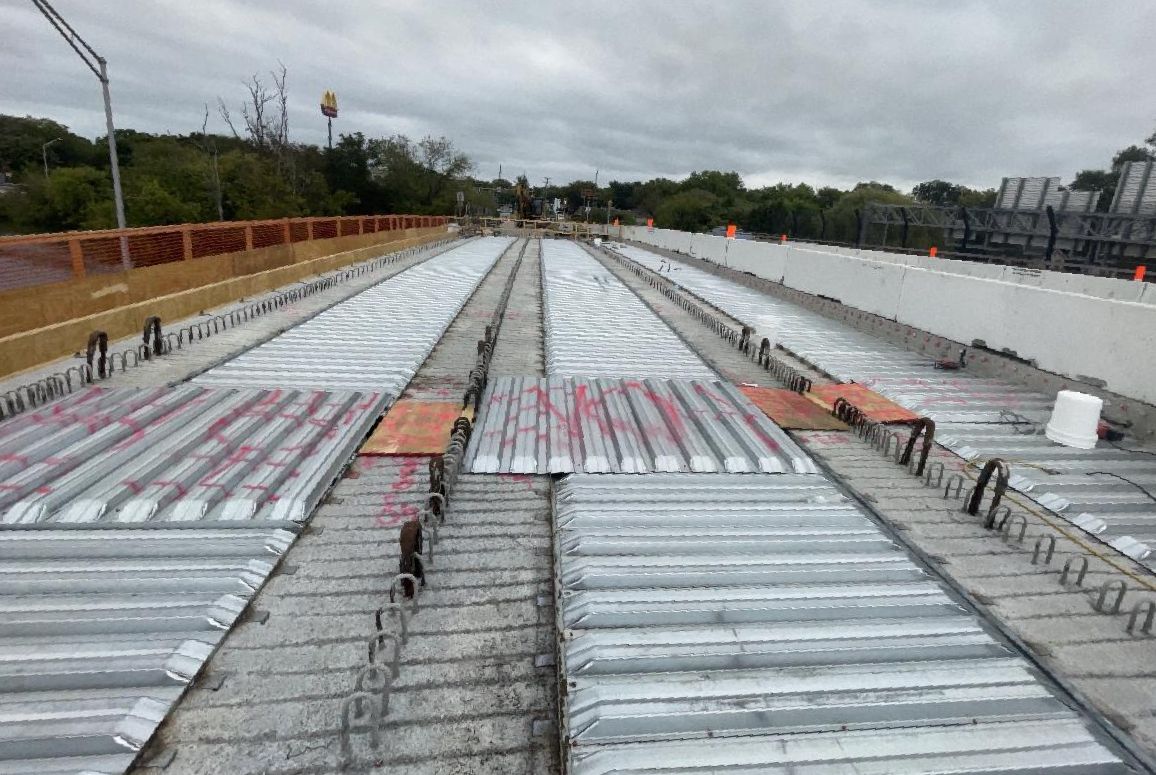
| | | Construction crews temporarily closed the Bayville Street on-ramp to I-64 east to finish the connection to the new South Trestle. After a three-week closure, the ramp reopened with the opening of the new eastbound lanes. | | In Hampton, the second half of the new Mallory Street Bridge is ready for the concrete deck to be poured as early as this month. | | Signs of Progress on Willoughby Bay Bridge | | |
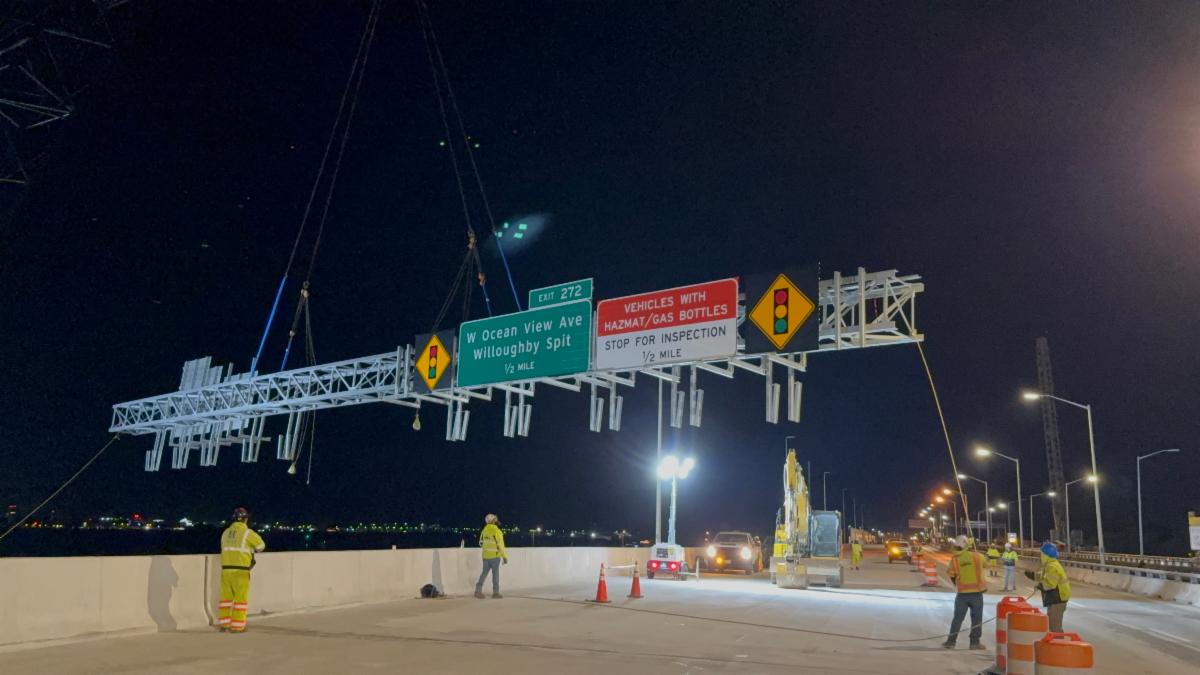
On the Willoughby Bay Bridge, crews implemented a four-hour interstate closure of I-64 east and west between 4th View and 15th View Streets in Norfolk in late October. The closure temporarily diverted traffic off the bridge for the installation of an overhead sign structure spanning all eight lanes of the expanded bridge.
With the project’s largest signage now in place, westbound bridge rehabilitation continues across the one-mile span adjacent to Willoughby Spit. This fall, landside crews are installing piles, caps, girders, and deck placement for the widening work. Meanwhile, eastbound traffic on Willoughby Bridge is flowing on newly constructed lanes.
One of 20 bridges being widened across the corridor, the Willoughby Bay Bridges carry motorists from Norfolk to the HRBT.
| | |
Mary The TBM
From Breakthrough to Break Down
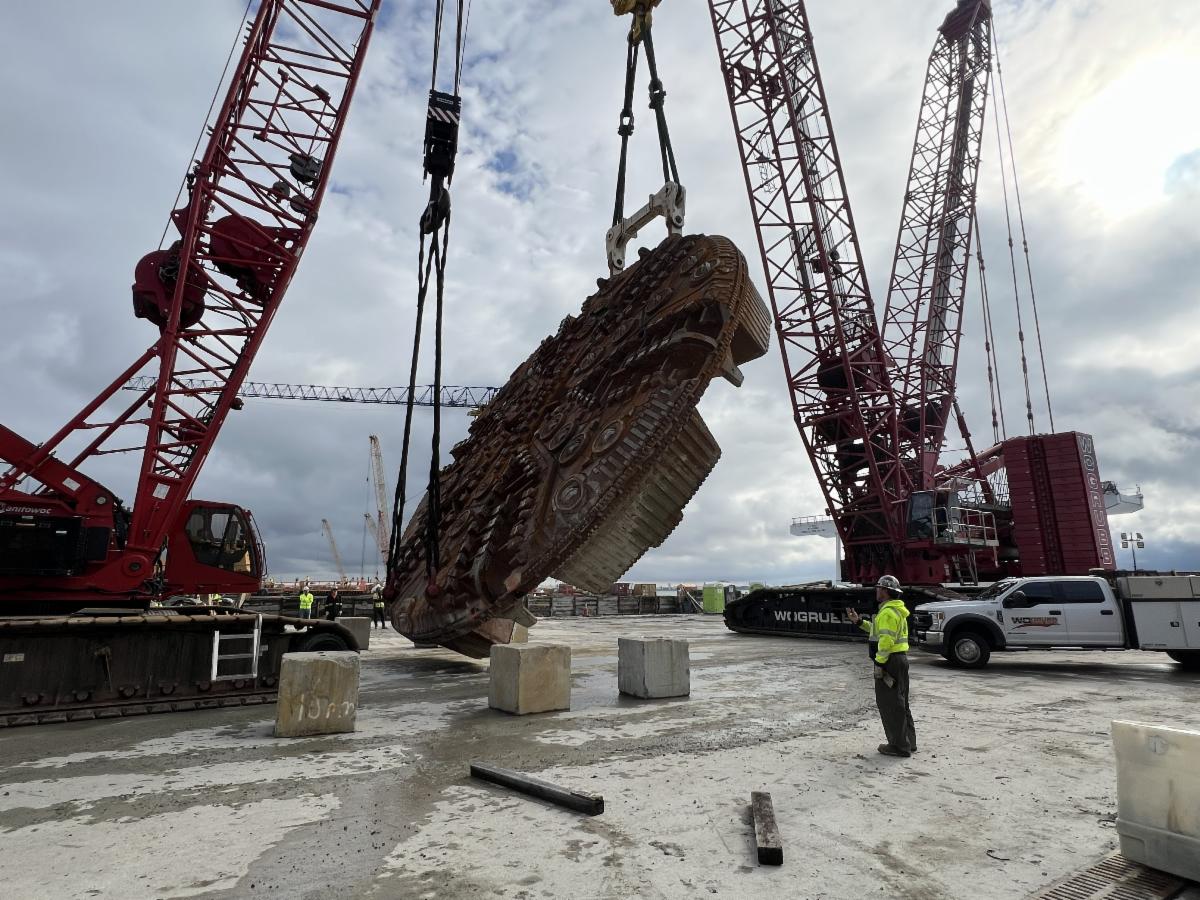
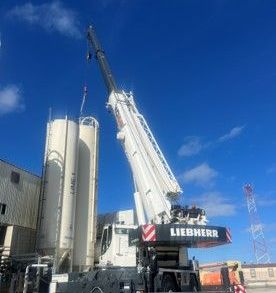
| | Shown at left: The cutterhead was lifted, tripped and laid flat on the South Island to begin disassembly. | | |
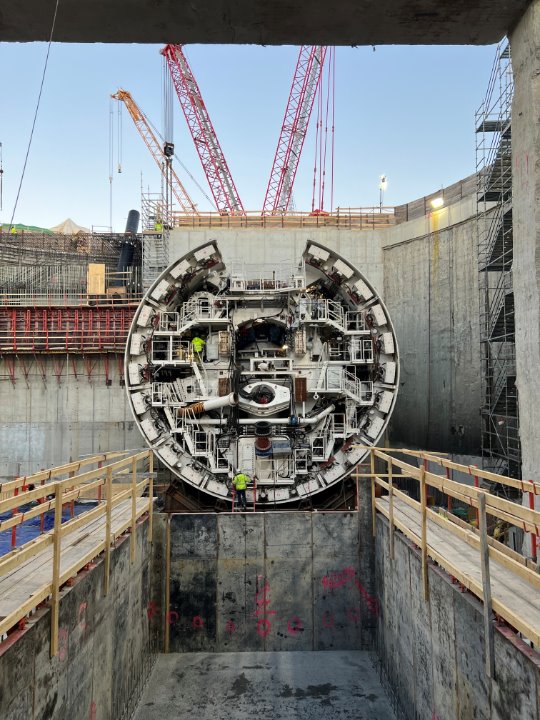
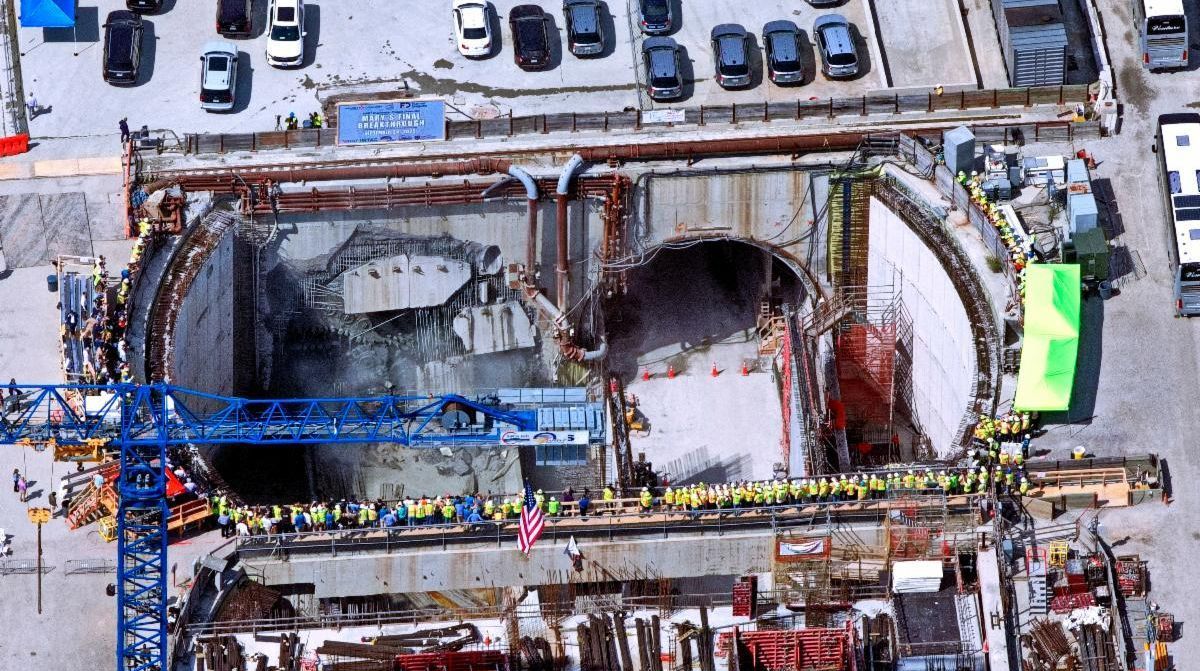
For the better part of two years, Mary The Tunnel Boring Machine burrowed to depths of 173 feet below mean water levels and extracted soft spoils through 22-inch slurry lines until she surfaced, leaving VDOT’s newly bored twin tunnels in her wake.
The machine’s 46-foot in diameter cutterhead, fully exposed in the South Island’s pit at breakthrough on September 24, 2025, is now being disassembled in pieces to be packed and shipped back to her manufacturer in southwest Germany.
| | |
On November 3, two large cranes-one 685 tons and the other 385 tons- successfully lifted Mary's 500-ton cutterhead to the top of the South Island where she will rest until fully dismantled.
Click HERE to view a video of the lift.
| | | | |
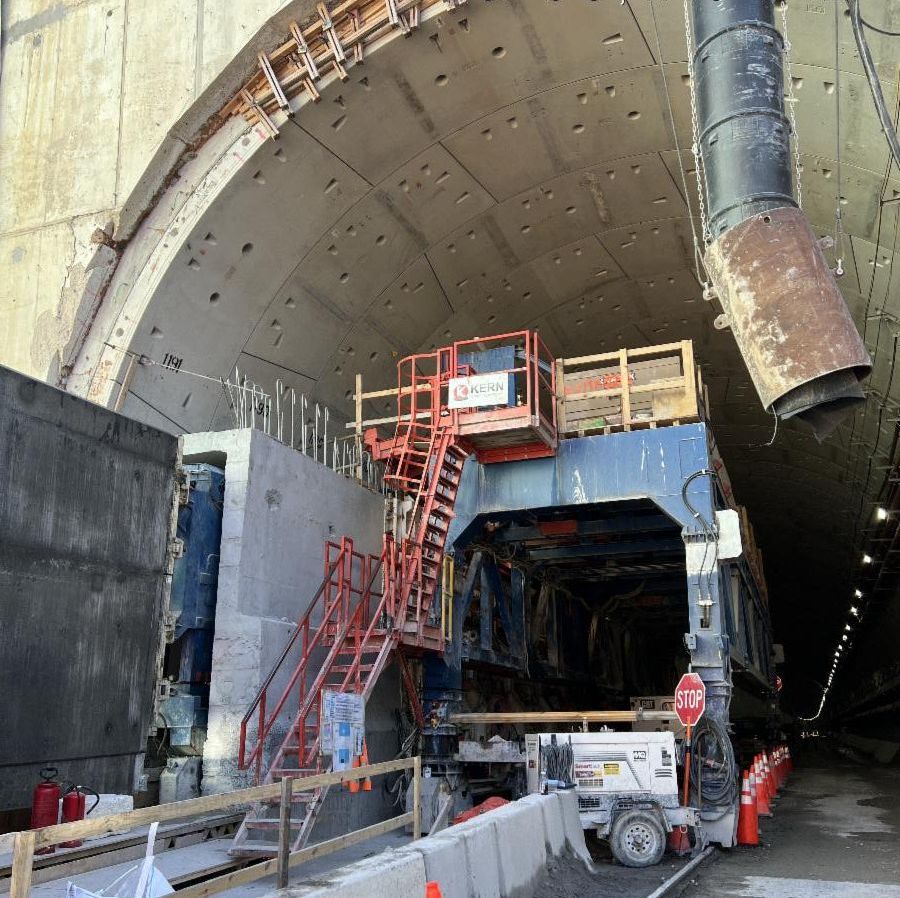
Once the TBM's shield and tail skin have has been removed, crews will begin pulling the four gantries into the shaft, one at a time, where they will be disassembled and lifted out by a single 800-ton crane.
Before the shield and gantries come out of the tunnel, the final three concrete rings must be erected to complete the tunnel at 1,194 rings. Tunnel liner completion is expected in mid-to-late November and the full disassembly process is expected to take until mid-March 2026.
Just as it took six months to turn the TBM around to begin boring a second tube, it will take a similar amount of time to complete the disassembly.
| | Slurry Out: Katherine's Disassembly Begins | | |
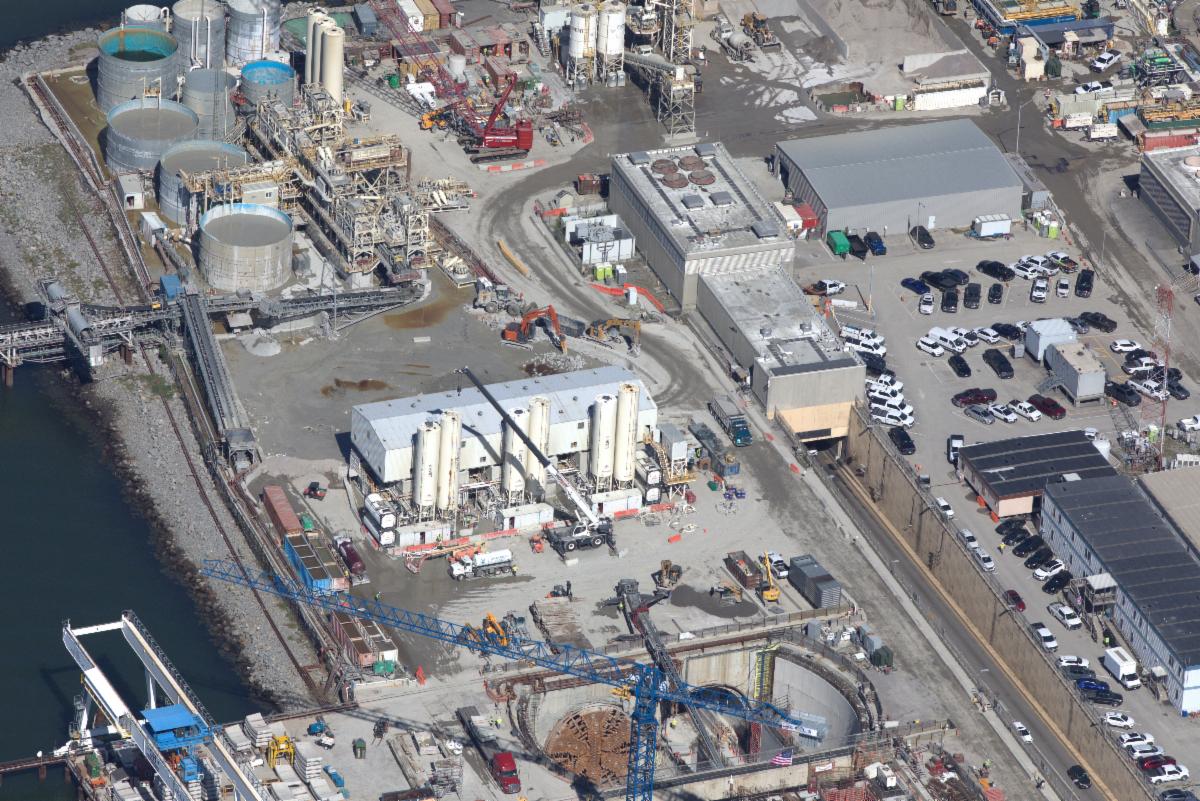
Mary was not operating solo on her journey between HRBT's manmade islands. Operating from a base on the South Island throughout the boring process, Katherine, The Slurry Treatment Plant, was feeding Mary every step of the way.
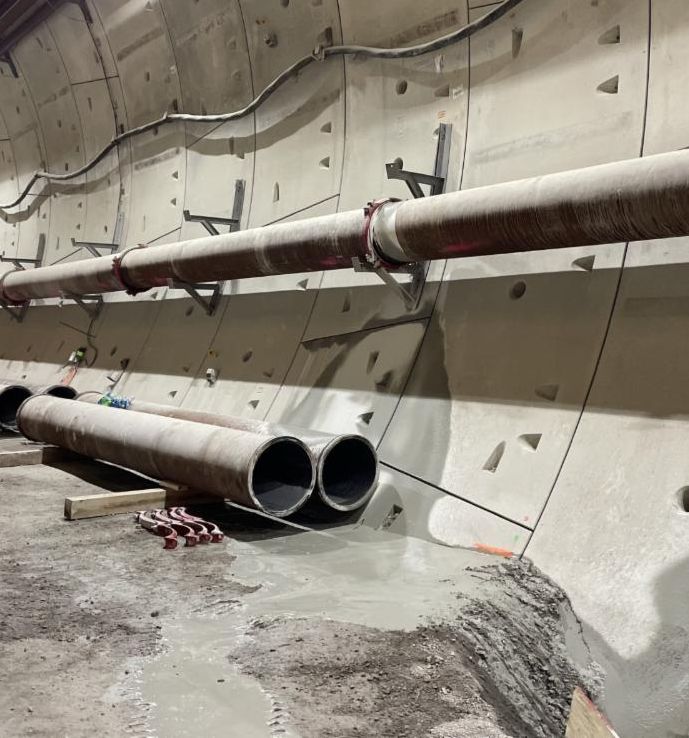
As the tunnel boring machine (TBM) advanced to excavate and construct Virginia's first bored tunnels, Katherine supplied the TBM with slurry, a water and clay mixture needed to help Mary operate and extract the spoils. After moving nearly 1.5 million tons of material, the slurry treatment plant's work was done, and the three-story plant had to be disassembled. The process included draining and removing slurry lines that connected Mary and Katherine, cleaning and removal of silos used to store slurry during mining, deconstruction of the filter press building, and demolition of the muck pit.
| | Building Out Below the Bay | |
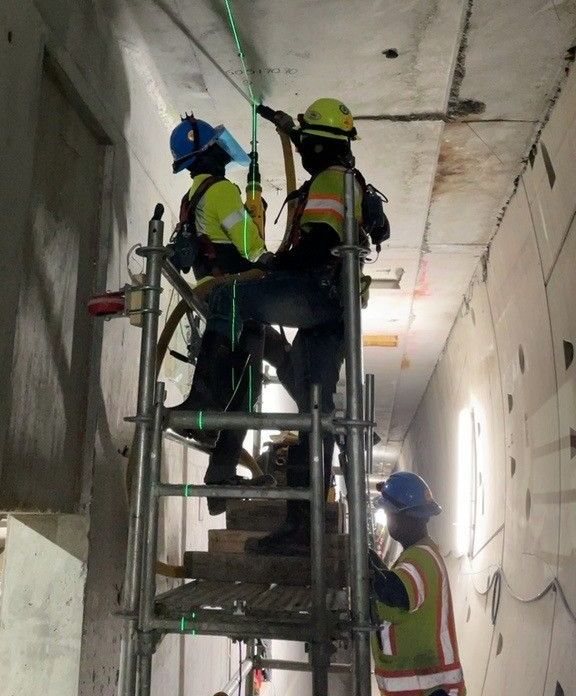
While landside crews in Norfolk and Hampton make strides toward expanding roadways above ground, interior tunnel crews are working underground, outfitting HRBT's twin bored tunnels with permanent egress corridors, and fire and safety features, in addition to the tunnel's drivable roadway.
Progress in the first bored High Occupancy (HT) Tunnel is most visible from the South Island approach. Crews have completed concrete pours for the egress corridor's walls.
| | | |
Tunnel interior work also includes ballast placement for the roadway, construction of a low-point pump station, and water main installations.
Each tunnel will be equipped with twenty-four jet fans for air circulation and a water deluge system supported massive water tanks on each island.
| | Building Atop the Islands Begins | | |
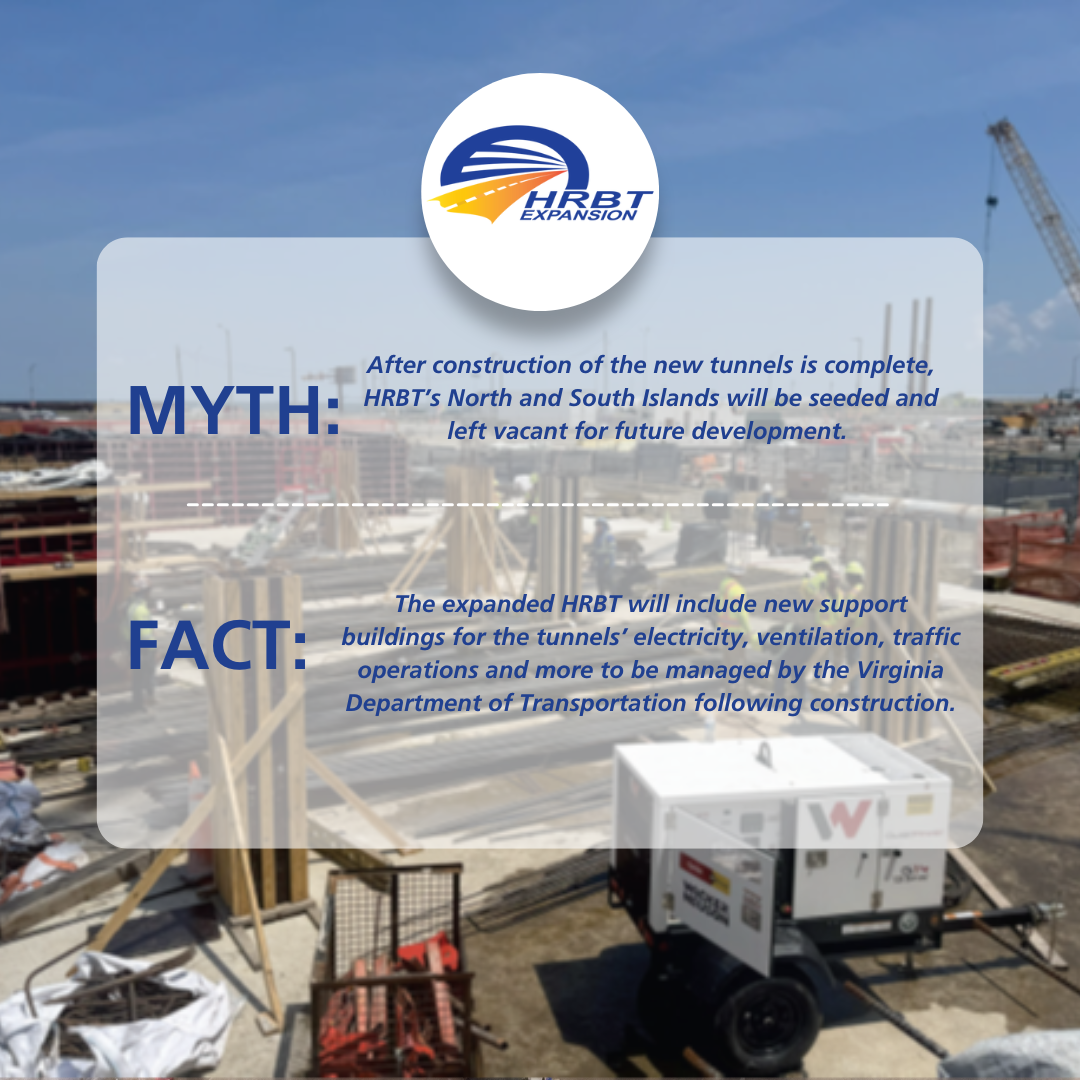
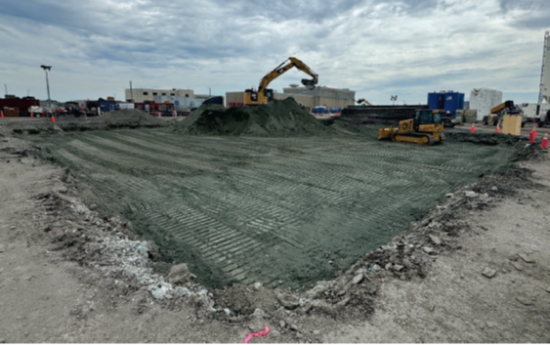
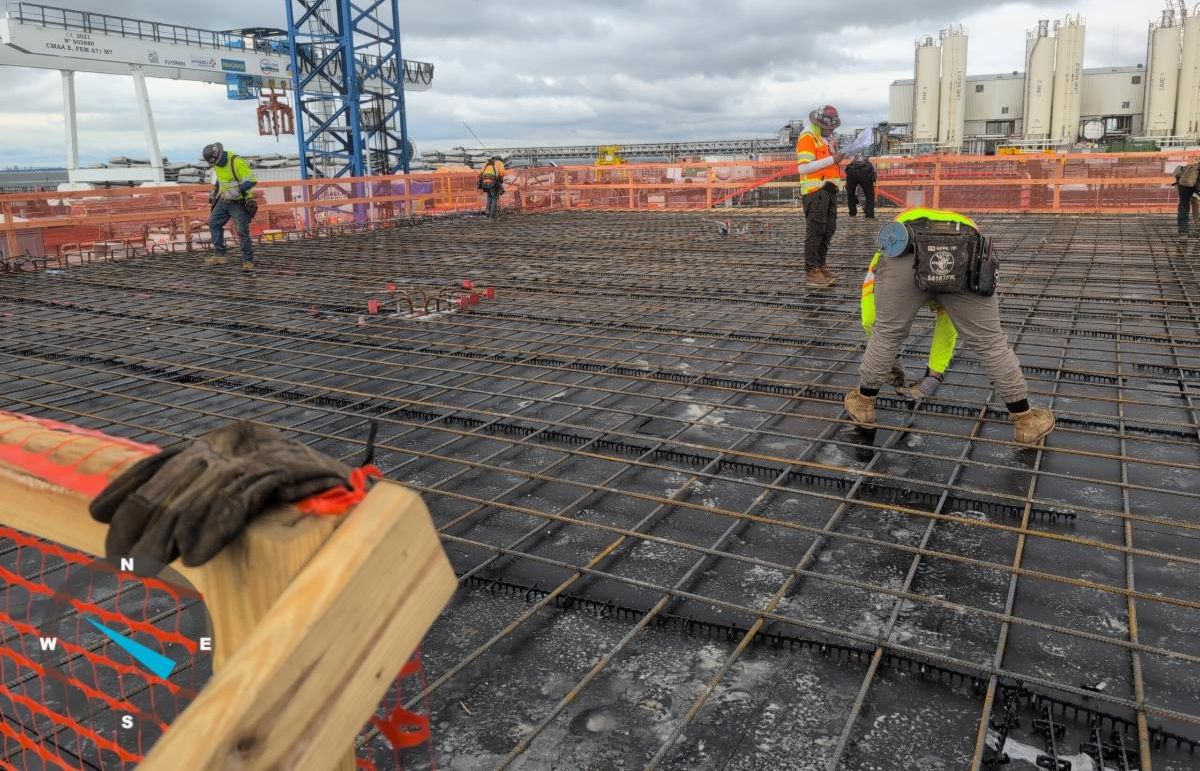
With tunnel boring complete and interior tunnel build-out progressing, construction for the new tunnels' support buildings is ramping up. Facility foundations are taking shape on both North and South Islands.
As part of the HRBT Expansion, a total of fifteen support buildings will be constructed on the islands. The buildings will house critical operating systems, including ventilation, traffic operations, communication, electrical, floodgates and more.
| | On North Island, crews are preparing for construction of the new Traffic Operations Center. The new TOC will operate the expanded HRBT in conjunction with the existing facility. | | On South Island, one of two new ventilation buildings has begun to emerge. The vent buildings will ensure airflow in the egress corridors motorists will use to exit the tunnels in case of an emergency. | |
Full House at the Open House | | |
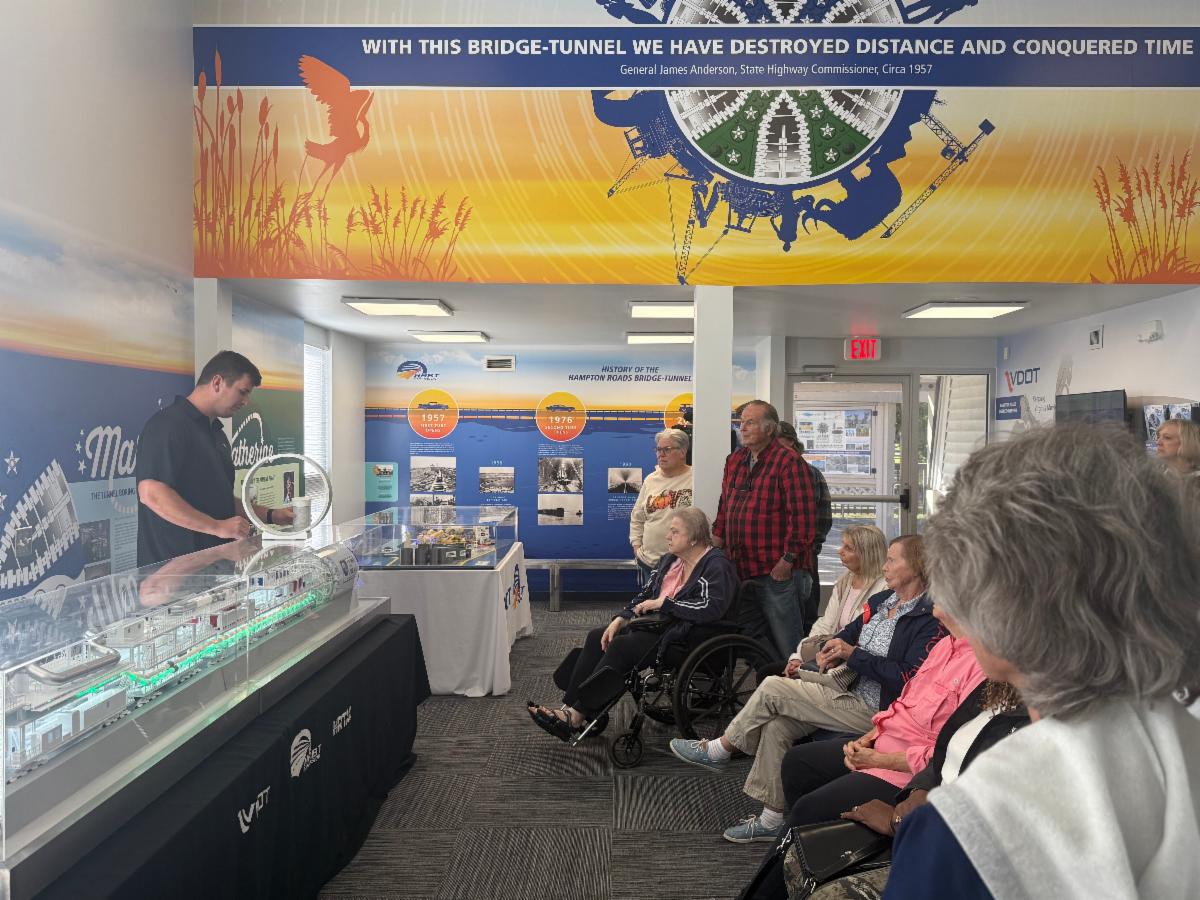
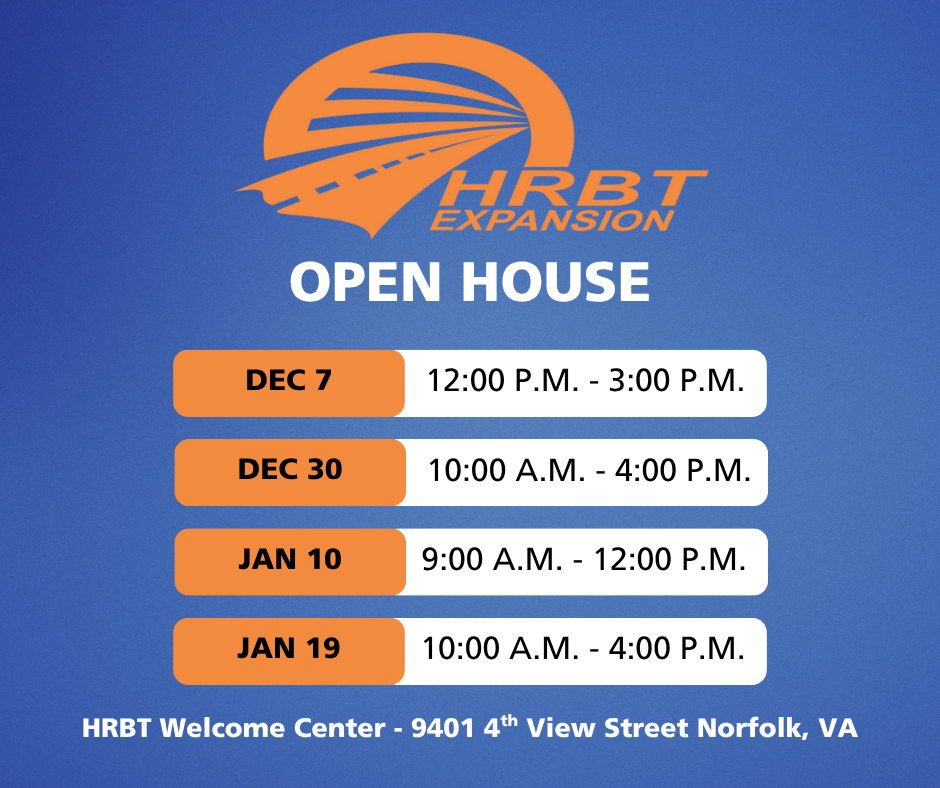
Mary’s tunnel boring machine is one of the main attractions for guests visiting the HRBT Welcome Center, but since her final September 2025 breakthrough, interest in learning how the tunneling team and the machine worked together to bore the two new tunnels dominates questions posed by the visitors.
October's open house event welcomed residents from the Peninsula and Southside who received answers to many of their questions from Lion Nitschke, VDOT's Assistant Resident Engineer and tunnel expert. He explained the tunnel boring process and equipment and engineering solutions applied along the way.
| | |
Each open house attracts curious retirees, young students, active commuters, and new drivers.
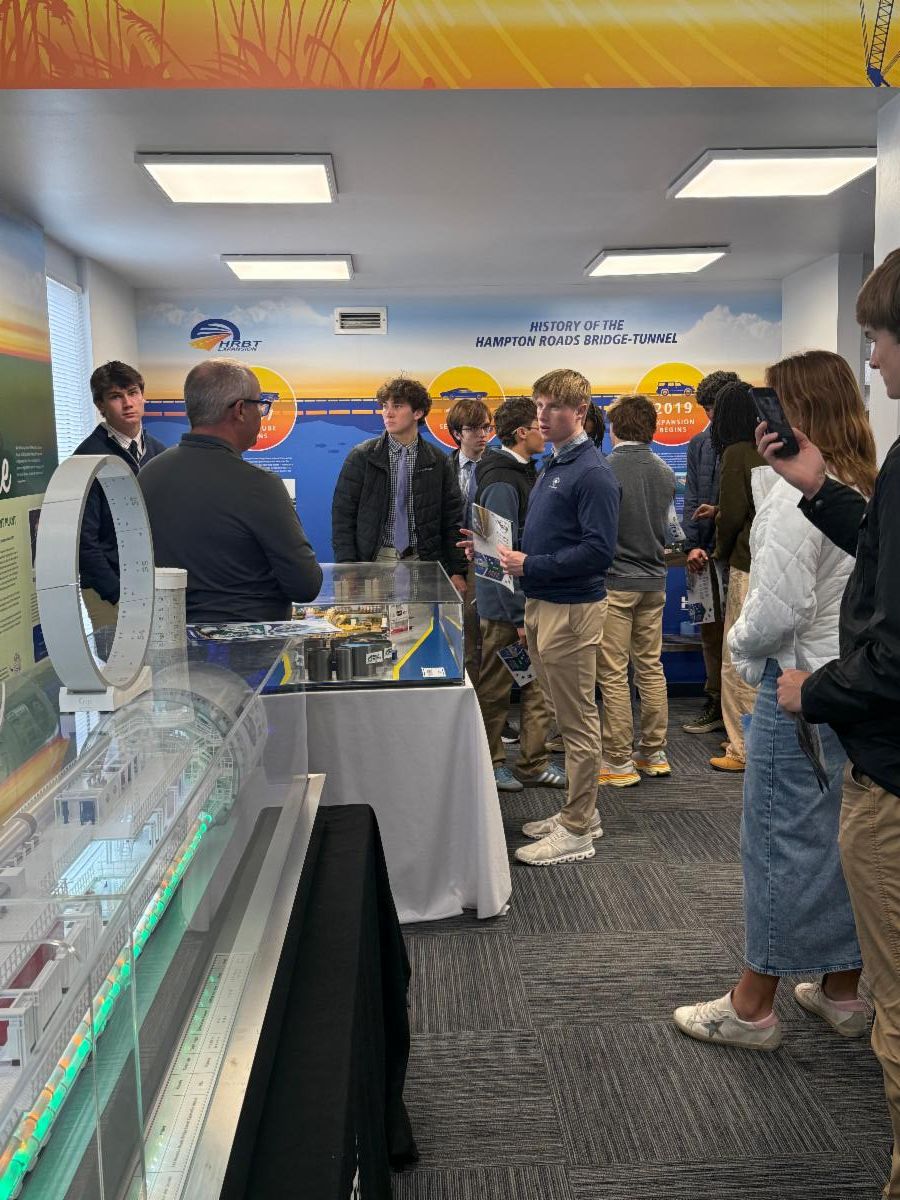
Seniors from an engineering class at Norfolk Academy (NA) recently visited the welcome center. The future STEM leaders learned about project design challenges, including ensuring traffic flow during construction and space limitations for staging large equipment like Mary The TBM.
The NA presentation was led by Assistant Project Director Bradley Weidenhammer who shared the complexities of coordinating logistics for the commonwealth's largest transportation project. They also left with practical career-building information, leveraging soft skills for relationship-building and the importance of intricate planning.
| | | |
Team HRBT invites the community, students, tunnel enthusiasts, civic leagues and others to learn about the innovative engineering and logistics behind the 10-mile interstate expansion that is transforming Hampton Roads.
For more information, contact the Project Communications team at HRBTinfo@vdot.virginia.gov.
| | |
EMPLOYEE SPOTLIGHT
The Unplanned Path to Tunneling
Todd Grifka, Resident Engineer -- Areas 3 & 9
| | |
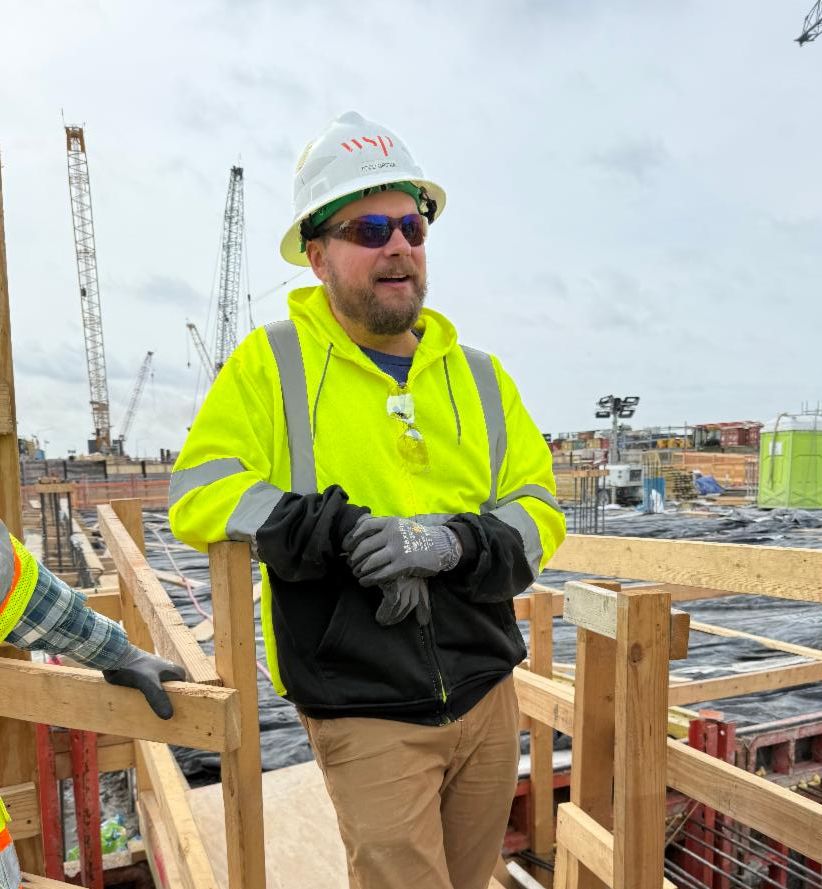
Engineers are known to have a knack for calculations and precise planning, but for Todd Grifka, Resident Engineer for HRBT Construction Areas 3 and 9, the path to a career in geotechnical engineering was anything but planned.
A product of his upbringing, Grifka grew up in Detroit, Michigan, surrounded by the motor industry. Further influence from his father, a machinist, and his mother, an educator, made technology and learning come naturally. He was drawn to pursue drafting as a high school elective and gained his first experiences using computer-aided design (CAD). The interest carried through into his civil engineering studies at Michigan State University, where he expanded his CAD experience working in a sheet metal shop. Later in his matriculation, Grifka accepted an opportunity to work for an environmental consulting firm. Guided by his experience, proven strengths, and a new understanding of how ground conditions impact structural design, he earned a graduate degree in geotechnical engineering from Virginia Tech in 2009.
A geotechnical engineer at WSP since completing graduate studies, Grifka has contributed to numerous tunnel, roadway, and design proposals, including the Midtown Tunnel. Now, a VDOT consultant overseeing construction for both tunnels and islands, Grifka has played a key role in the project’s design and major milestones, including Mary’s breakthrough. He credits each success to the dedication and high standards of his team. Over the course of 22 years in engineering, his proudest moments have been recognizing a shift in his leadership style and the positive impact it has had on his team at the expansion project.
He describes his primary role as coordinating operations and empowering staff toward solutions. The bigger picture, Grifka says, is supporting his team’s growth and professional development, an approach that has strengthened both performance and morale. Looking ahead, he is enthusiastic about what kind of structures geotechnical engineering will lead him to next, but he intends to keep his focus on people wherever he goes.
Outside of work, Todd is a dedicated family man, most likely to be spotted at the Norfolk Zoo, Botanical Gardens, or one of Hampton Roads’ beaches with his wife and growing toddler.
| | We paused to pay tribute to the brave service members, including the 45+ men and women working on the HRBT Expansion project who served honorably in the United States Armed Forces. We celebrate their bravery and sacrifice for their country and appreciate their commitment every day to the project. | | |
Eyes in the Sky
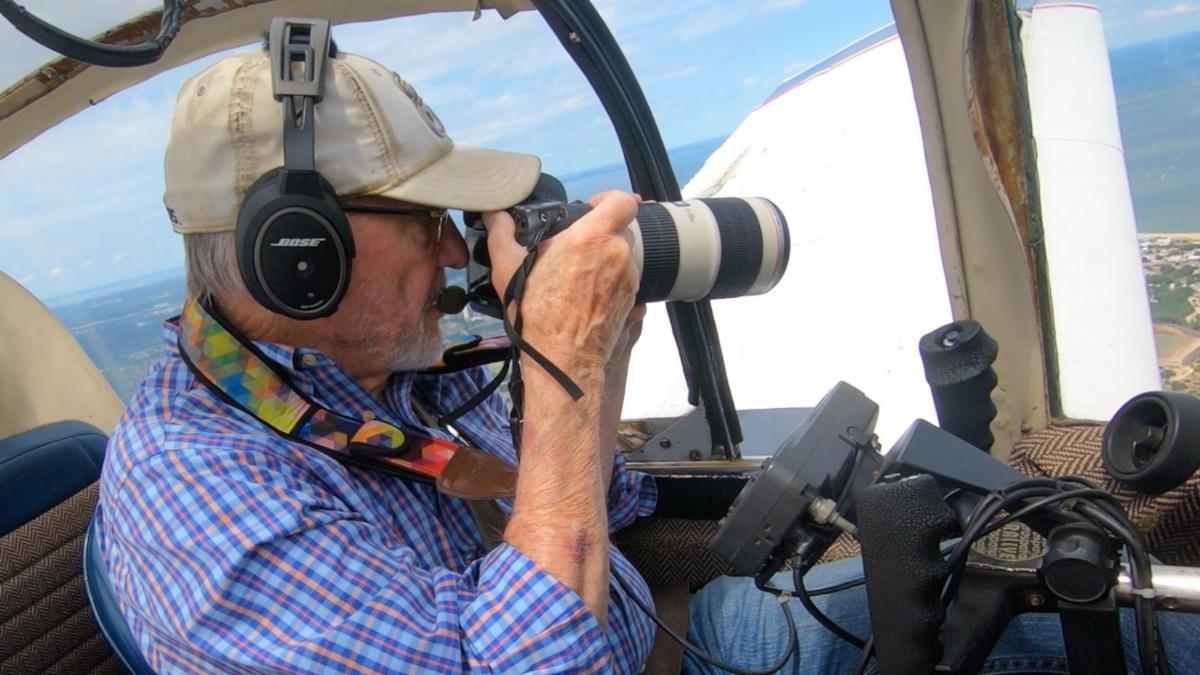
Tune in to HRBT Tunnel Talk for what may be the most unique perspective of the HRBT Tunnel Expansion.
| | |
The best view of the HRBT Expansion is from 2,000 FT above Interstate 64. No one knows the scenery better than photographer Ron Brown. Click the button below and listen to the latest project podcast about Ron’s unique approach to capturing Virginia transportation history in the making!
View a video story of Ron's perspective on hrbtexpansion.org.
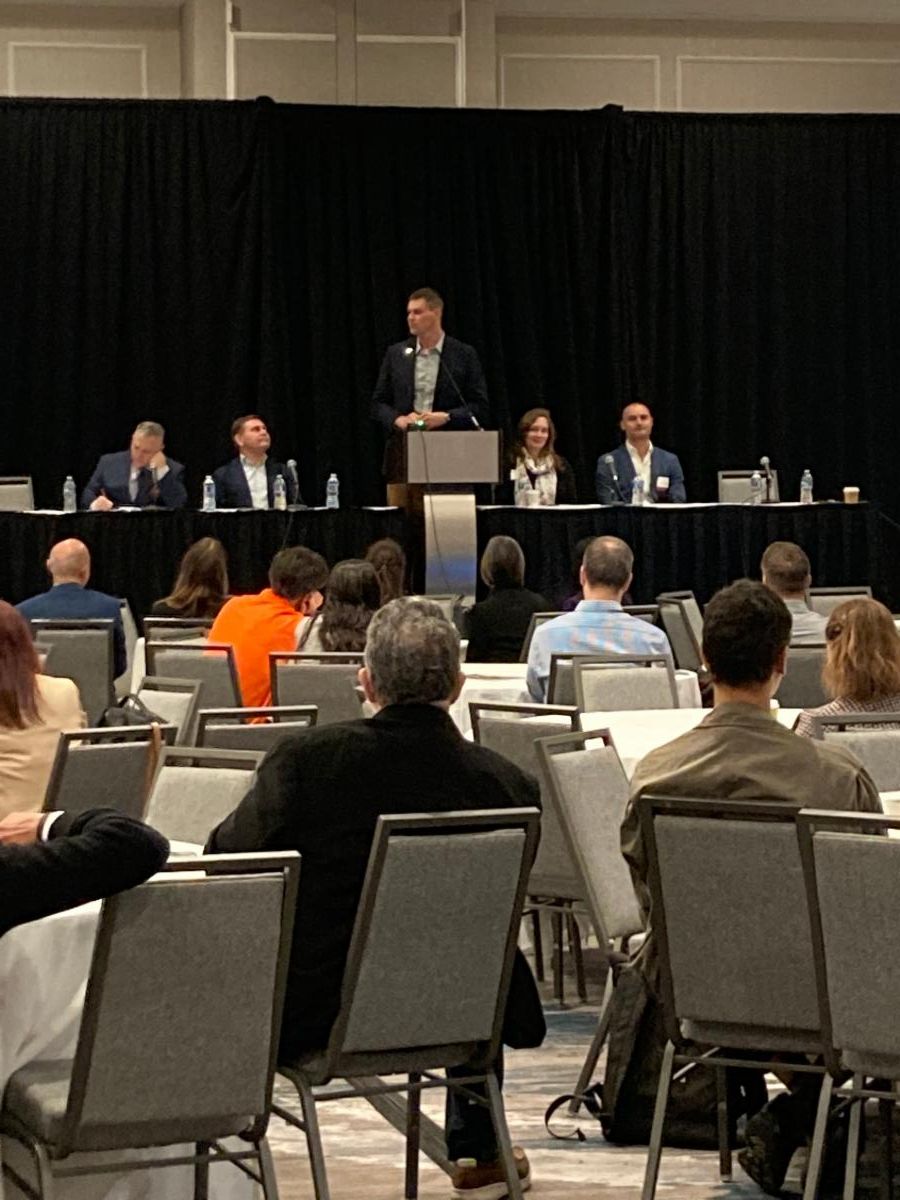
| | North American Tunneling Community Visits Norfolk | The Underground Construction Association (UCA) held its 2025 Cutting Edge Conference at the Norfolk Marriott from Nov 3-5. HRBT Expansion Project Director Ryan Banas and HRCP Executive Claudio Cimiotti jointly presented the expansion project on November 3. On November 5, HRCP hosted thirty attendees for a tour of the tunneling project, including a trip to the HRBT South Island where Mary The TBM arrived from her final mining mission and where she is currently being disassembled. | | | |
Hampton Roads Express Lanes:
A Year of Delivering a Faster, More Reliable Commute
| | |
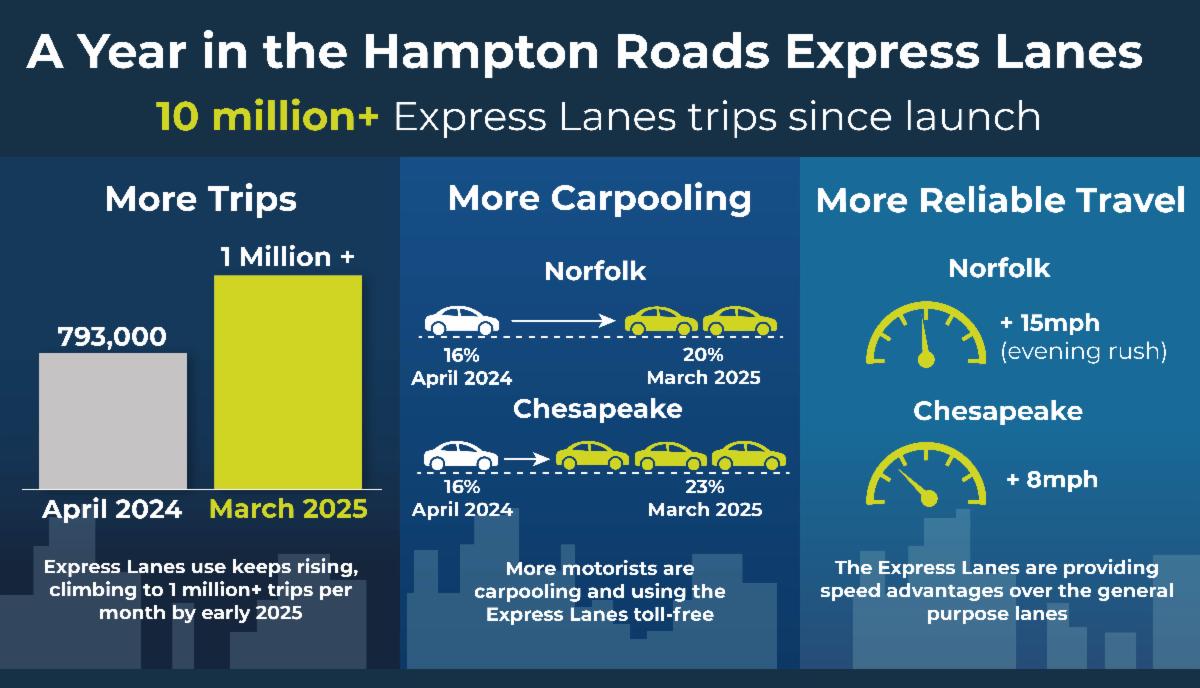
On March 17, 2024, the Virginia Department of Transportation (VDOT) launched full-time, 24/7 tolling operations on the I-64 Hampton Roads Express Lanes (HREL) in Chesapeake and Norfolk, marking a new chapter in how the region manages traffic. One full year of operations later, with more than 10 million trips taken, the HREL continues to show positive progress toward alleviating congestion and providing more reliable travel options for all motorists along the I-64 corridor.
Drivers have steadily embraced these new travel choices. Total monthly trips across the network have surged from 793,725 in April 2024 to over one million by March 2025. In Chesapeake, westbound commuters in particular took advantage, with daily usage rising nearly 40% over the first year.
The Express Lanes’ carpooling incentive has also shifted driver behavior in measurable ways. With an E-ZPass Flex transponder, vehicles with two or more occupants (HOV-2) travel toll-free, freeing up capacity in the general purpose lanes and reducing overall congestion. This added option boosted the share of free HOV trips from 16% in both segments to 23% in Chesapeake and 20% in Norfolk over the first year.
Inside the Express Lanes, speeds have remained constant and reliable, offering the traveling public an improved, predictable trip even during the busiest travel periods. During peak periods, the Express Lanes provided significant speed advantages over the general purpose lanes. In Norfolk's eastbound evening rush, the Express Lanes provided an advantage of nearly 15 mph faster than the general purpose lanes on average each month over the first year of operation. In Chesapeake, the average speed advantage provided by the Express Lanes over the general purpose lanes across all peak periods in March 2025 was approximately 7.6 mph faster on average. In Chesapeake, the average advantage of choosing the Express Lanes has only grown, with the eastbound evening speed gap doubling over the first year from 4 mph faster in April 2024 to 8.1 mph faster in March 2025.
The success of these operational segments thus far is the foundation of a continuous 45-mile Express Lanes network that will eventually stretch from Chesapeake to Newport News. Powered by dynamic tolling that keeps traffic moving, the HREL network is a key part of a long-term strategy to manage regional traffic demand. Furthermore, toll revenues stay local to fund operations and interstate improvements, ensuring a smoother commute for years to come.
To learn more about HREL, visit https://www.vdot.virginia.gov/projects/major-projects/64expresslanes/about-hrel/.
| |
Get In the Know, and Then Go! | | Sign Up To Receive Updates! |
Sign up for the HRBT Expansion Project Alerts to get weekly updates on traffic and construction impacts. Perfect way to “know before you go!”
| | | The HRBT Expansion Project team is committed to staying connected with the region for the life of the project. Like, join, follow, or tweet about the project on our social media channels. | | | | |