New Lanes Set to Open in Norfolk | | |
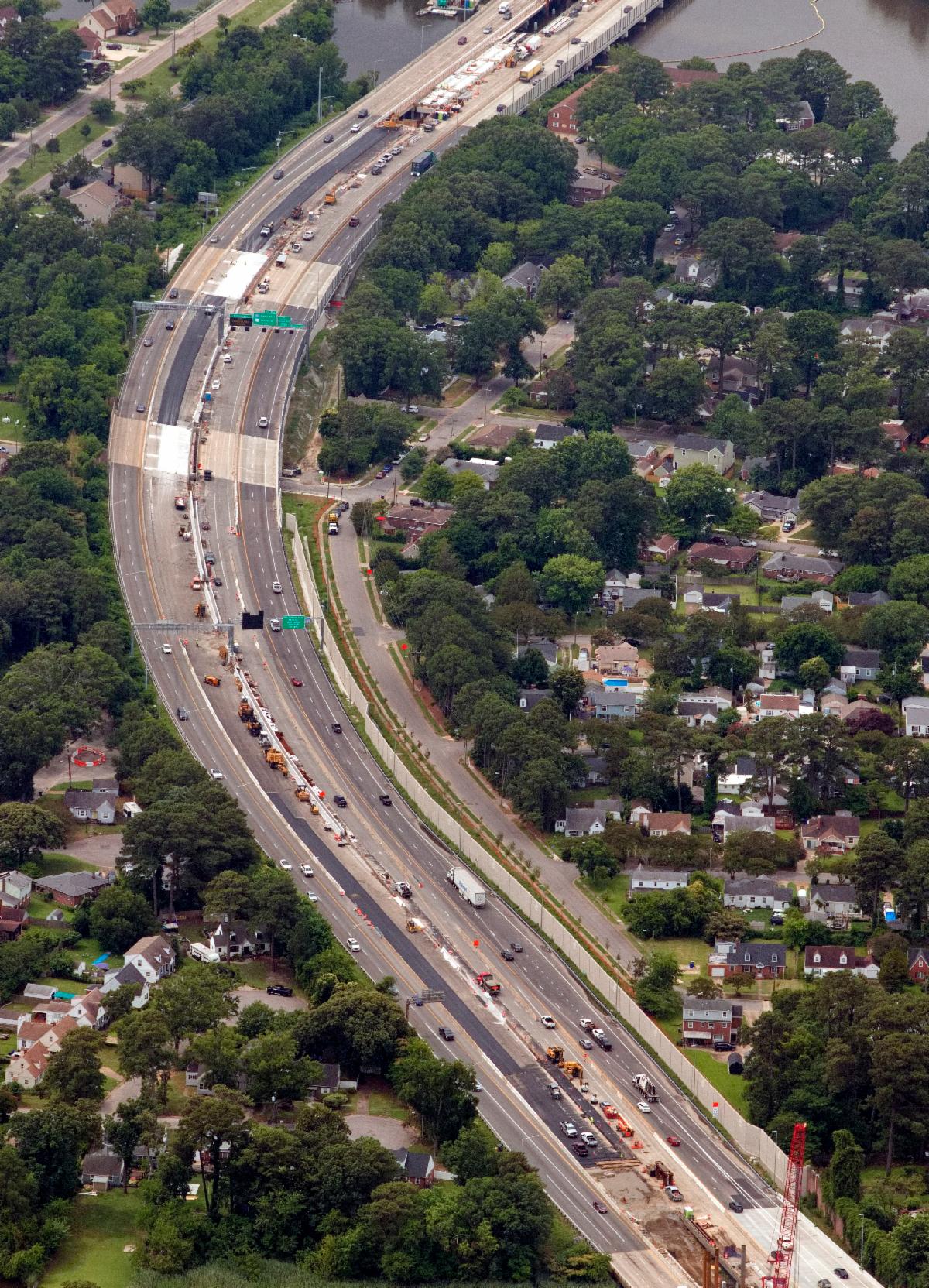
In July 2026, the first phases of the new westbound lanes on I-64 began opening throughout Norfolk. The first shift, completed on July 27, included moving traffic to newly widened roadway from Oates Creek to Bay Avenue.
Crews working on the 1st View Street and Mason Creek Road bridges are also preparing for upcoming shifts following the completion of a few finishing touches, including the installation of critical overhead signage.
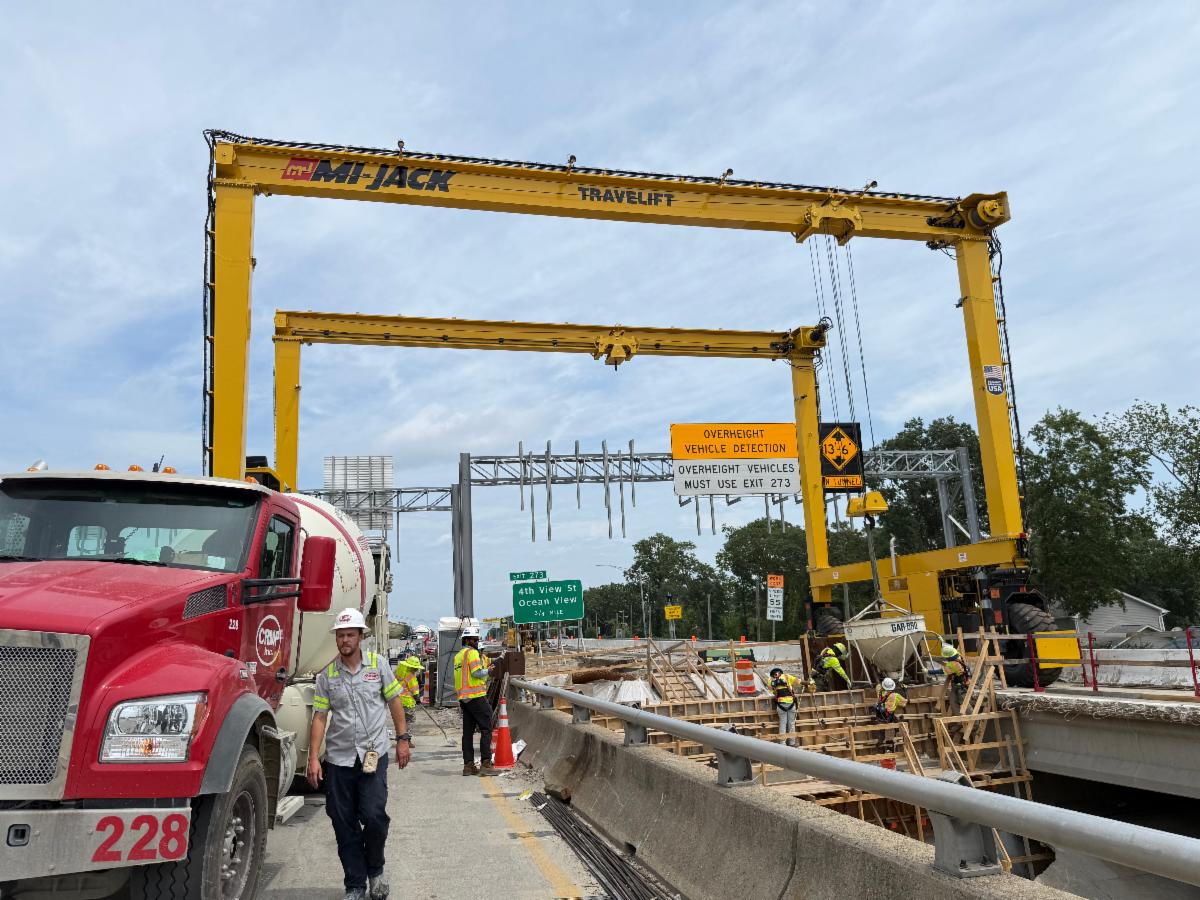
Westbound bridge work continues from Patrol Road to 4th View Street, where cranes are strategically placed to assist with different stages of construction below and atop the roadway. Near Bay Avenue, drivers have surely noticed the bright yellow gantry crane, known as a Mi-Jack, in the median, shown below. Marking only the second instance of using a gantry crane on the project, this type of crane rolls on existing structures to install bridge elements like new pier caps, girders, and reinforcing steel in a tight corridor.
| |
| | North Trestle Westbound Work Makes Strides Forward | | |
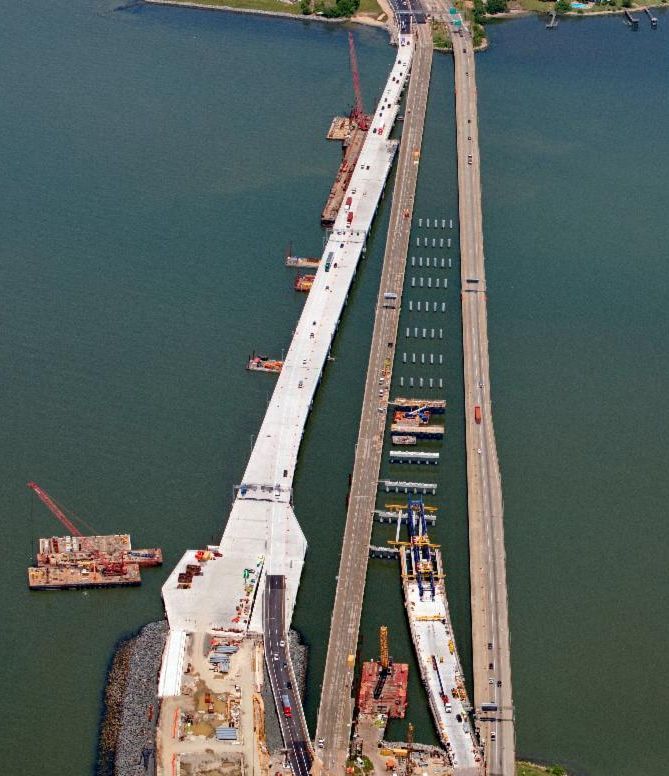
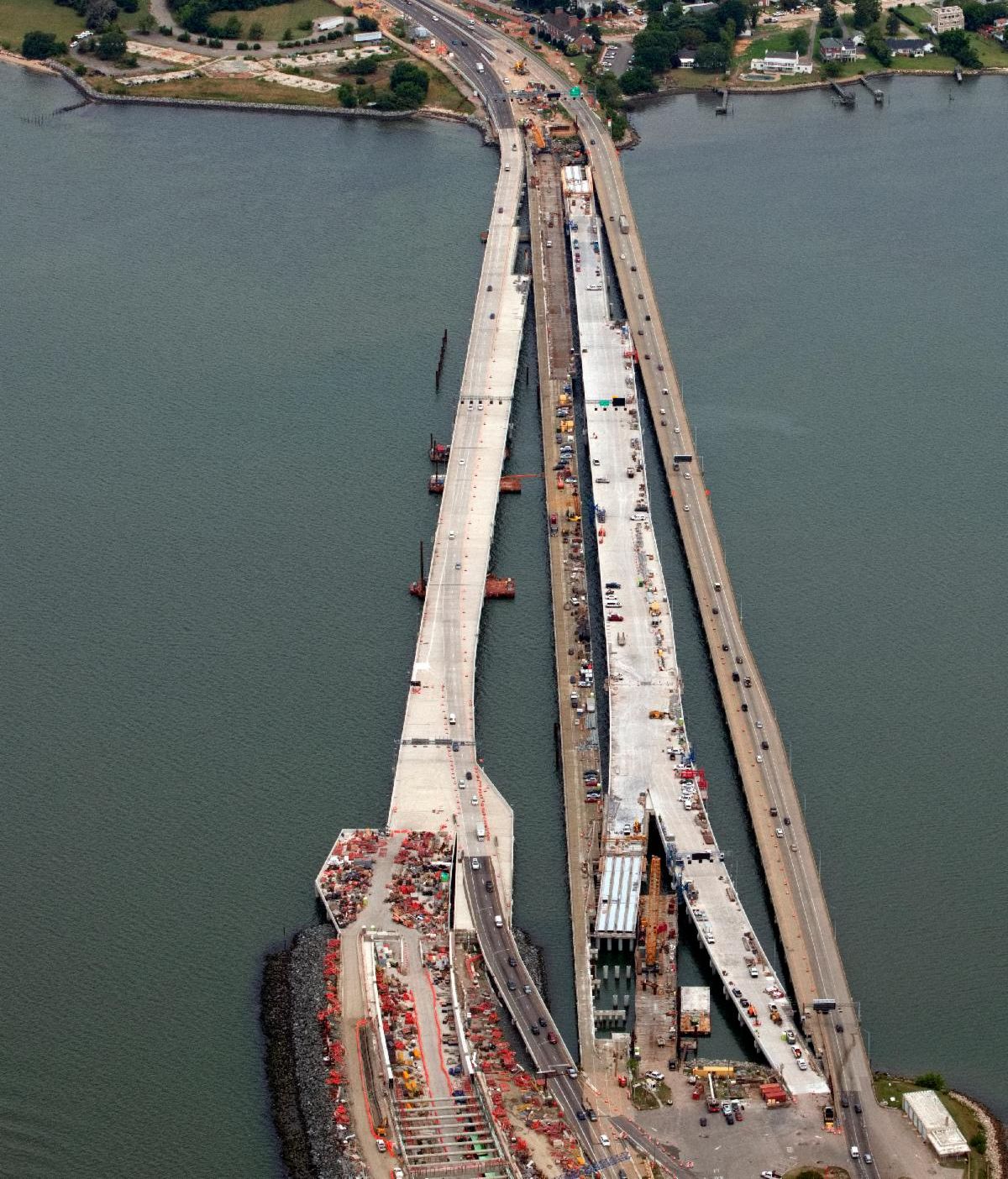
Hampton Roads residents and visitors traveling to the region's Southside have enjoyed a smooth ride on the new North Trestle eastbound since May 2024. The first of three newly constructed marine trestles to open as part of the HRBT Expansion Project, North Trestle eastbound will soon be joined by its westbound counterpart in carrying the traveling public between the facility's North Island and Hampton.
With only the few spans of the bridge left to be constructed, crews are making great strides despite the unique challenges of working adjacent to traffic between two existing bridges. From phased demolition to allow for the construction of temporary work trestles, to the strategic use of a beam launcher to horizontally place concrete bridge girders, the team has minimized travel impacts while pressing forward.
Project contractor, Hampton Roads Connector Partners, are working diligently to take advantage of the summer construction season to hit the target to open the new structure as early as Fall 2026.
| |
| Permanent Support Structures Advance on HRBT Islands | | |
Following a series of underwater concrete pours, the Expansion team's South Island operation to create a sturdy foundation for the South Trestle's tie-in to the new eastbound tunnels is complete. Now, marine works crews will shift their focus to constructing the bridge that will connect the South Island to Norfolk. Tunnel approach crews will take over the newly created foundations to construct what will become the walls leading to the new tunnel.
Also on South Island, tunnel approach crews are working on another critical aspect of the new tunnel approach: removing the temporary steel struts that were used to support the walls of the launching pit for the tunnel boring machine during mining operations. Since the conclusion of tunnel boring, permanent concrete walls have been constructed, making the steel struts no longer necessary.
Two of seven temporary struts have been successfully removed, with a third extraction planned by August.
| | |
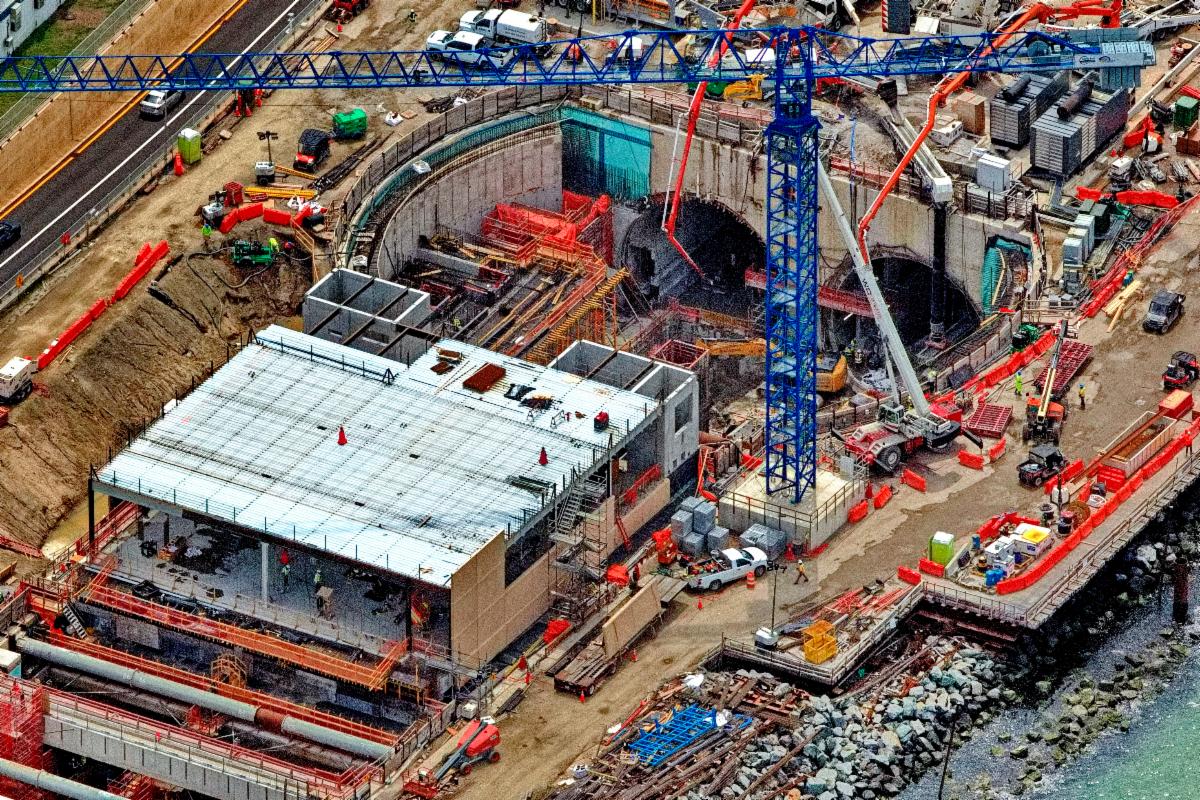
The South Island vent building is beginning to resemble its final form. Before the critical equipment used for removing exhaust, regulating airflow and electrical distribution can be installed, crews must complete the interior structure.
Until then, crews will continue the process of installing interior walls, flooring and permanent roofing system.
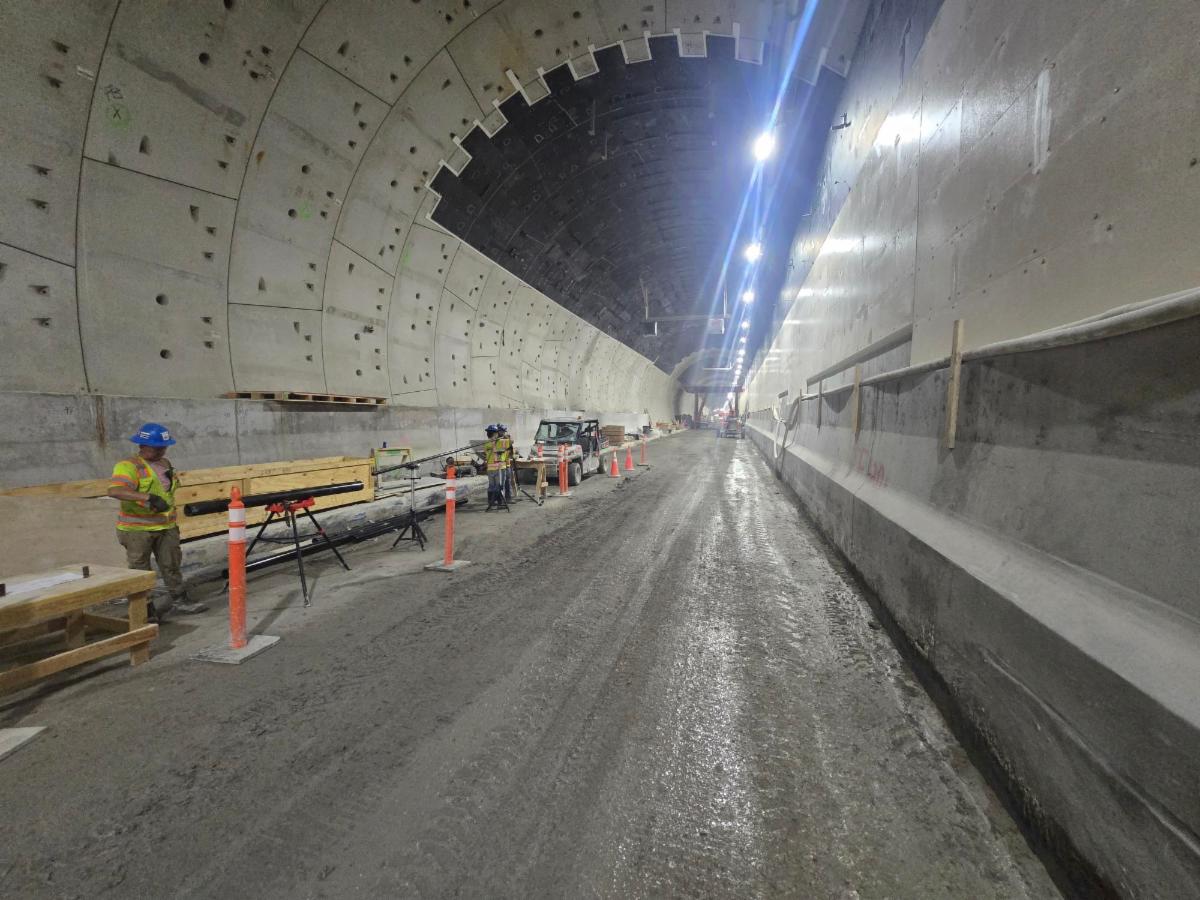
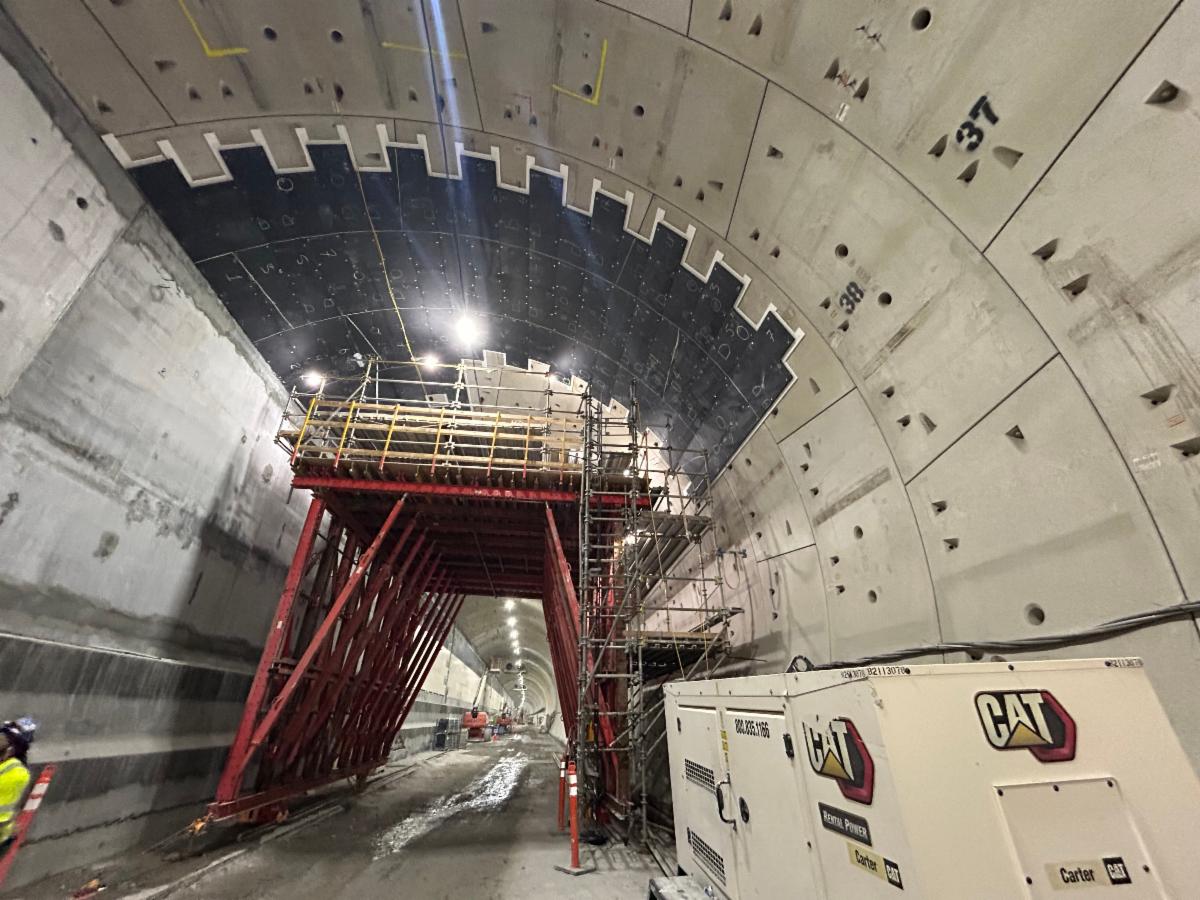
| | Twin Bored Tunnels Reach New Milestones Underground | | Now that the outer shape of the newly bored tunnels is in place, thanks to Mary the Tunnel Boring Machine and her crew, the task to transform the tubes into drivable, underwater roadways is in the hands of the tunnel interior structures team. The HRBT Expansion Project includes two new bored tunnels—one that will carry high-occupancy toll Express Lanes traffic and one that will carry general-purpose traffic. Scheduled to open simultaneously, both tunnels continue to reach new milestones. | | The high-occupancy tolled Express Lanes tunnel is hardly recognizable when compared to when the tunnel boring machine was present. Egress corridor walls have been placed throughout the length of the tunnel, and barrier walls are taking shape on the opposite wall. Most notably, fireboard installation is well underway along the vertical wall and arched section of the tunnel. Next, crews will start the tedious work of installing tunnel systems including pumping, ventilation, and lighting systems. | | Fire suppression and sprinkler testing are scheduled to start in the Express Lanes tunnel later this summer. | | The general-purpose tunnel is also looking quite different as egress corridors are well underway. Crews just hit a major milestone by completing the first phase of ballast placement in July 2026. This achievement marks the start of easier access throughout the length of the tunnel and allows for the installation of structural concrete for all 7,960 feet of the general-purpose tunnel's length. | | Fireboard installation is underway in the general-purpose tunnel. | |
|
Employee Spotlight
Built for the Challenge
Chris Spann, Resident Engineer, Tunnel Interior Structures
| | |
Even the most ambitious students can miss the mark when anticipating their future careers. Changing interests, new skill sets, and the timing of opportunities can impact whether a history buff becomes a professor, museum archivist, or journalist, for example. For others, the path ahead is a single road.
If asked 15 years ago what line of work Resident Engineer (RE) Chris Spann would be in after college, he would have confidently chosen engineering, and for the past decade, that is exactly what he has done. Another homegrown Hampton Roads talent, Spann was born in Chesapeake, VA. The son of a math teacher, he found his niche in numbers and almost immediately dove into the challenge of enrolling in every math class available at Great Bridge High School. Recognizing his aptitude for math, advisors suggested that he pursue teaching or engineering in higher education. It took no time for him to set his sights on the latter.
Like several others on the VDOT engineering staff, Spann studied civil engineering at Old Dominion University. The concentration would later prove to open more doors than he expected. While at ODU, he scored a year-round internship on the Dominion Boulevard Improvement Project. His first taste of civil engineering gave him hands-on experience with concrete testing, rebar inspections, and bridge construction, turning classroom concepts into real-world practice.
By the time he graduated, he already had a major infrastructure project under his belt and immediately went on to work for RS&H, where he is celebrating ten years of success this year. His experiences with RS&H range from smaller local projects such as the Lesner Bridge Replacement and Witchduck Road Improvements to the HRBT Expansion Project.
He first joined the HRBT Expansion team in 2020, helping with general oversight and inspection during the design phase and early construction activities, then became the landside bridge/roadway Lead Construction Engineer until 2024. Eager for a change of scenery, Chris and his wife Samantha decided to spend two years in Florida, enjoying unlimited access to Disney World and life outside of Hampton Roads with their cats, Maisy and Magnolia. When they returned in 2026, new opportunities awaited on the HRBT Expansion Project. With tunnel boring complete, interior build-out became the focal point of tunnel construction. Spann’s civil engineering background and dependable reputation led to his greatest professional accomplishment to date, becoming the Resident Engineer for Tunnel Interior Structures (TIS) on the HRBT Expansion.
Today, he oversees permanent structures including egress corridors, drainage systems, roadway elements, and fire protection systems. As RE, he manages and coordinates the teams performing each of these elements so that schedules and goals align. As the primary TIS liaison between VDOT and HRCP, Spann and his team of inspectors ensure that construction meets design specifications and agency standards every step of the way.
| | From Life-Saving Experience at the HRBT, to Working on the Expansion Project | |
Darin Blazer has spent the past two years under Hampton Roads Harbor as a tunnel mechanic on the HRBT Expansion Project, and more recently above ground as a roadway technician for the contractor, Hampton Roads Connector Partners.
He admits working at the HRBT has taken some courage, as it was choppy waters at the HRBT North Trestle that once almost cost him his life in 2016. Accompanied by his small dog named, “Baby,” Blazer was night fishing in his 14-foot Jon boat when it capsized and hurled the pair into the cold, dark water near the HRBT.
For two hours, Blazer swam from pylon to pylon (17 of them he still recalls) with his dog in one arm, in hopes someone would hear his cries for help. For a while, his voice was muted by the steady staccato of tires moving over the bridge above. Between swims, he clung to each pylon to catch his breath. Blazer had almost given up hope as the current near the final pylons kept pushing him away from shore. Three pylons from land and exhausted from battling the current, Blazer was quickly losing hope he would make it out of the water alive. But a nearby VDOT worker was curious about the faint voice he kept hearing in the dark and summoned colleagues for help. Miraculously, they were able to rescue Blazer and his best friend.
| |
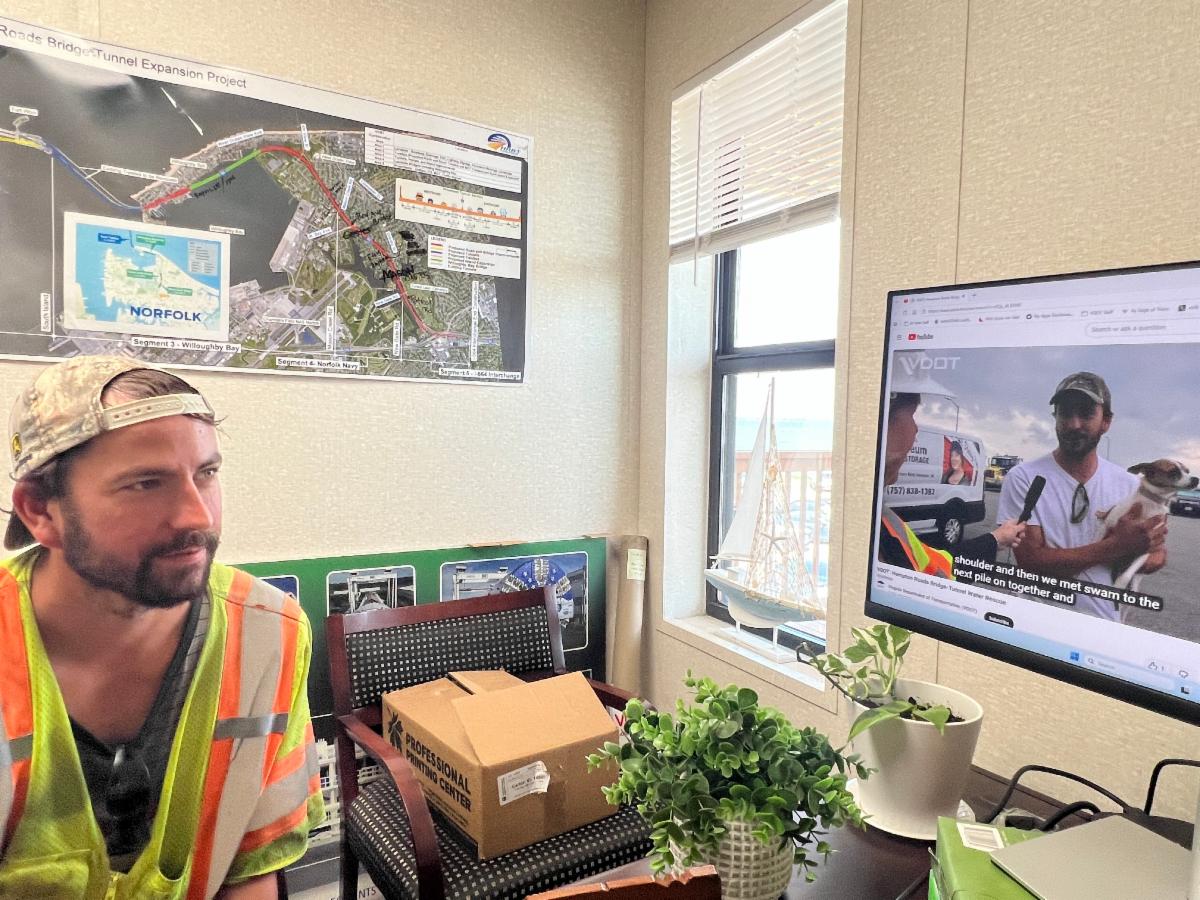
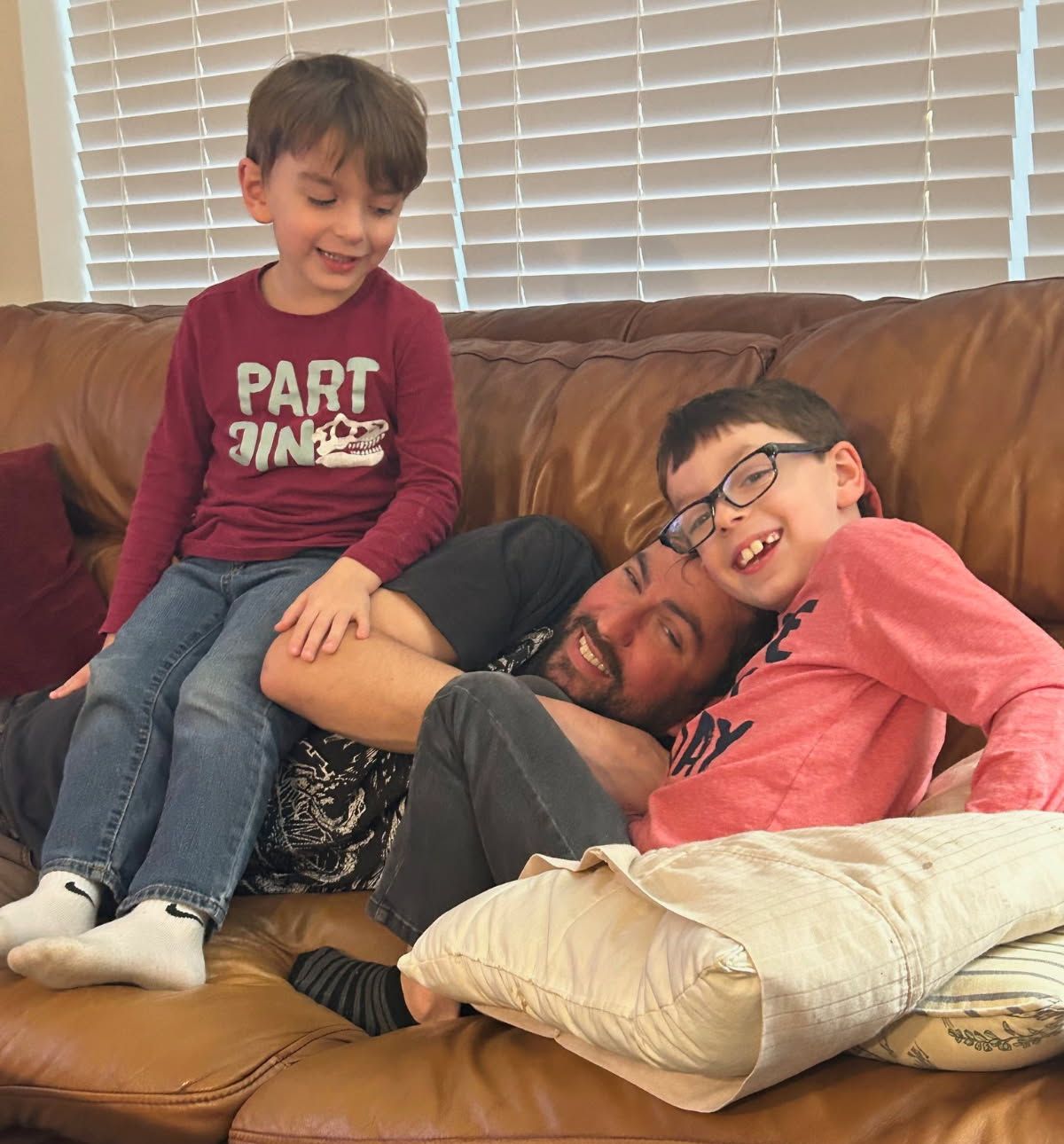
“It’s just a blessing to be here,” Blazer said, as he recently sat watching a nearly 10-year-old VDOT video of his rescue. He credits the VDOT crews for saving his life, and not only considers himself fortunate to be alive, but also now to be working on the mega-project. He’s especially grateful because since the harrowing experience, he has become a father to two boys, Colt, age seven, and Karl, age six. The blessing would not have occurred, Blazer admits, if he had not been rescued. His beloved dog passed away earlier this year.
To watch the full story from 2016, click here: https://youtu.be/rfQy_dLXVN0
| | |
Situated on the grounds of Virginia’s oldest university (College of William & Mary), and just steps from its famed Sunken Garden, is the college’s Geology Rock Garden, a required learning lab for geology students and public space for curious visitors.
More than two dozen large igneous, sedimentary and metamorphic rocks, the heftiest at approximately 5,000 pounds, are prominently displayed. Each hails from a distinct corner of the commonwealth and represents a “diversity of earth’s materials,” as Christopher “Chuck” Bailey, a William & Mary Professor of Geology, refers to them.
There’s granite rock from Richmond, a soapstone slab from Albemarle County, Arvonia Slate from Buckingham County, Anorthosite from Nelson County (a rock similar to those found on the moon), and metamorphosed granite found in the waters of Hampton Roads, to name a few.
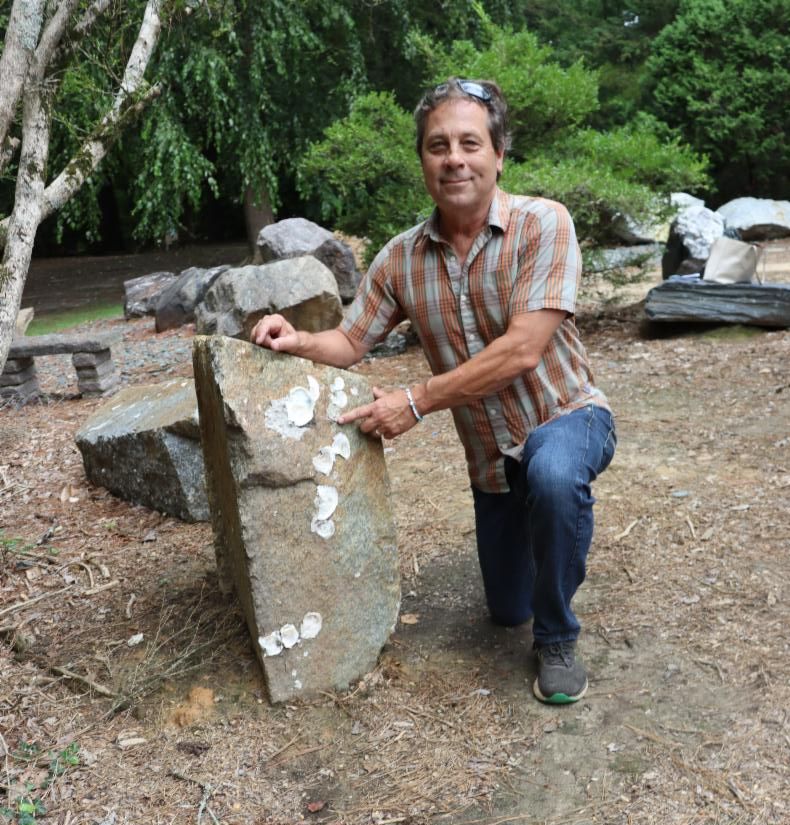
| | Professor Bailey points to oyster shells attached to rock recovered from the HRBT Expansion Project | | |
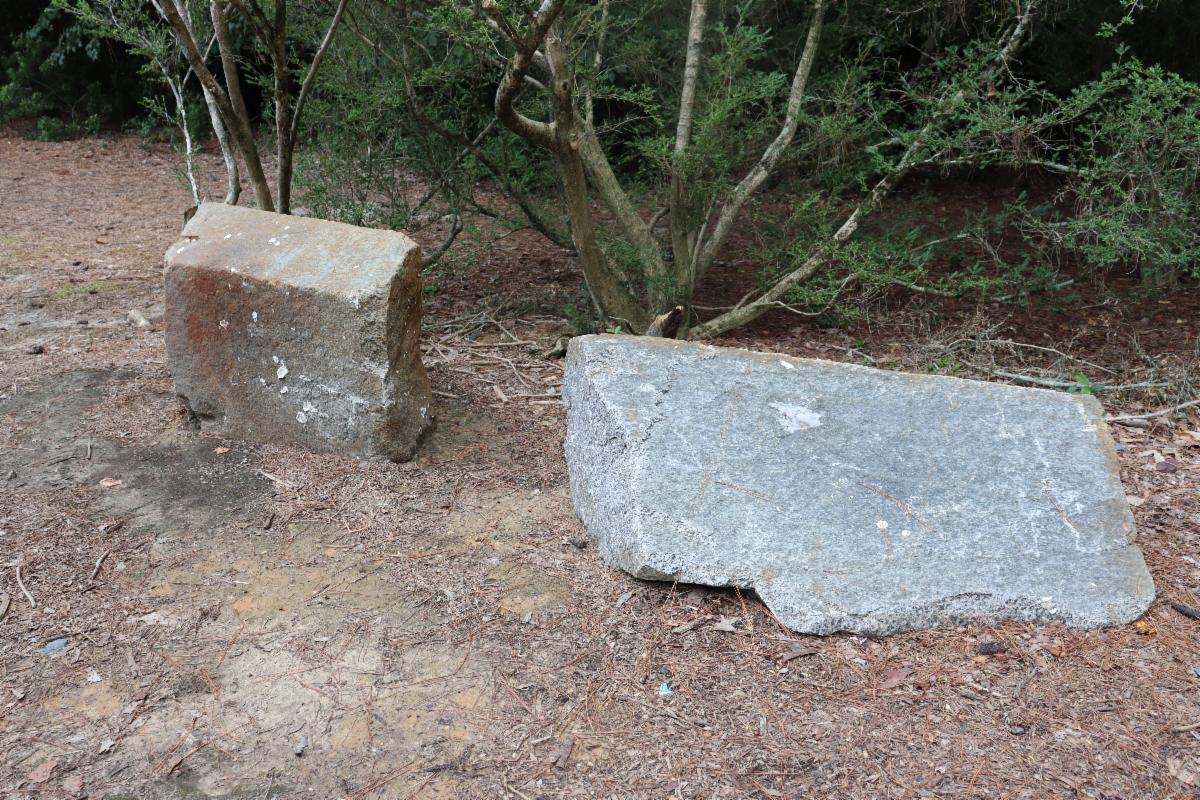
The three specimens from Hampton Roads carry history of their own and were donated by the Virginia Department of Transportation (VDOT) following excavation work for the new Hampton Roads Bridge-Tunnel (HRBT) Expansion Project.
The rocks are from a ship bound for Fort Monroe, Virginia, that wrecked during a nor’easter in April 1823 “within sight of Fort Monroe,” Bailey said, and sat at the bottom of the seabed for over 200 years.
Bailey tends the rock garden, a project started in 2017, to ensure students will be able to study the rocks for minerals, structure, and to use them for experiments to see how they have changed over time.
| | Specimens donated from VDOT to W&M Rock Garden | |
He was pleased VDOT agreed to add the rocks to the collection this year. Bailey says the formations from the shipwreck can be traced to the Port Deposit area of Maryland (just south of the Pennsylvania line) where they were quarried in the 1790s. Take a closer look at the Hampton Roads haul, and you’ll see where oysters attached themselves to the shipwrecked rocks while they sat on the bottom.
When he was asked to join the project to scientifically evaluate the three formations, he likened it to a rock detective story. “You’ve got rocks that were buried, they have been unearthed and then you want to know where they came from and why they got there,” Bailey said.
Bailey invites the public to visit the garden—a continuous work in progress—and discover for themselves, how geology is truly a science in which time and place are important.
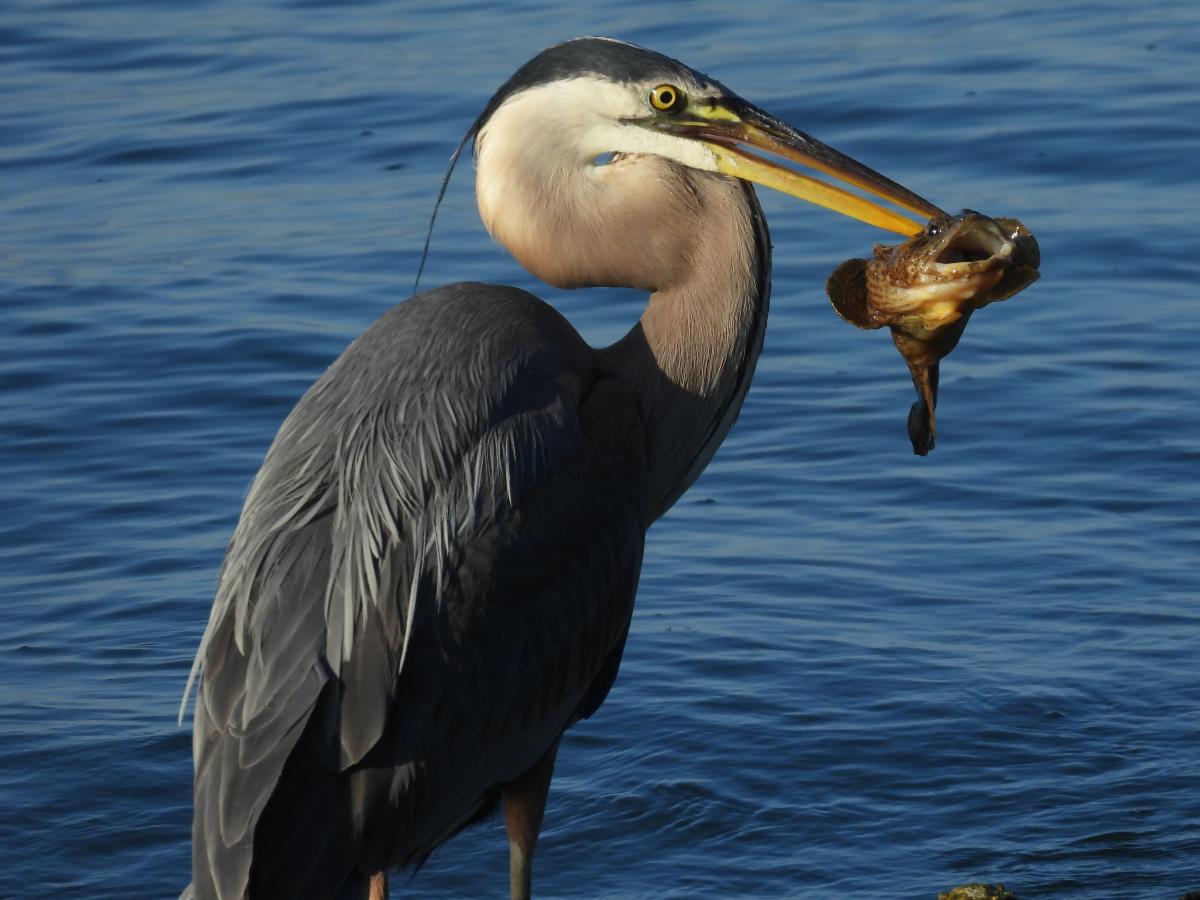
| | What's Trending on the Bay this Bird Season? | | Juvenile Yellow Crown Night Heron | | Great Blue Heron with fish | | |
Between Hampton Roads’ array of annual airshows, which draw families from across the region to watch in awe as aircraft dance above military base hangars, the area is no stranger to impressive, winged choreography.
Please enjoy a few of the amazing photos captured on the project this season.
| |
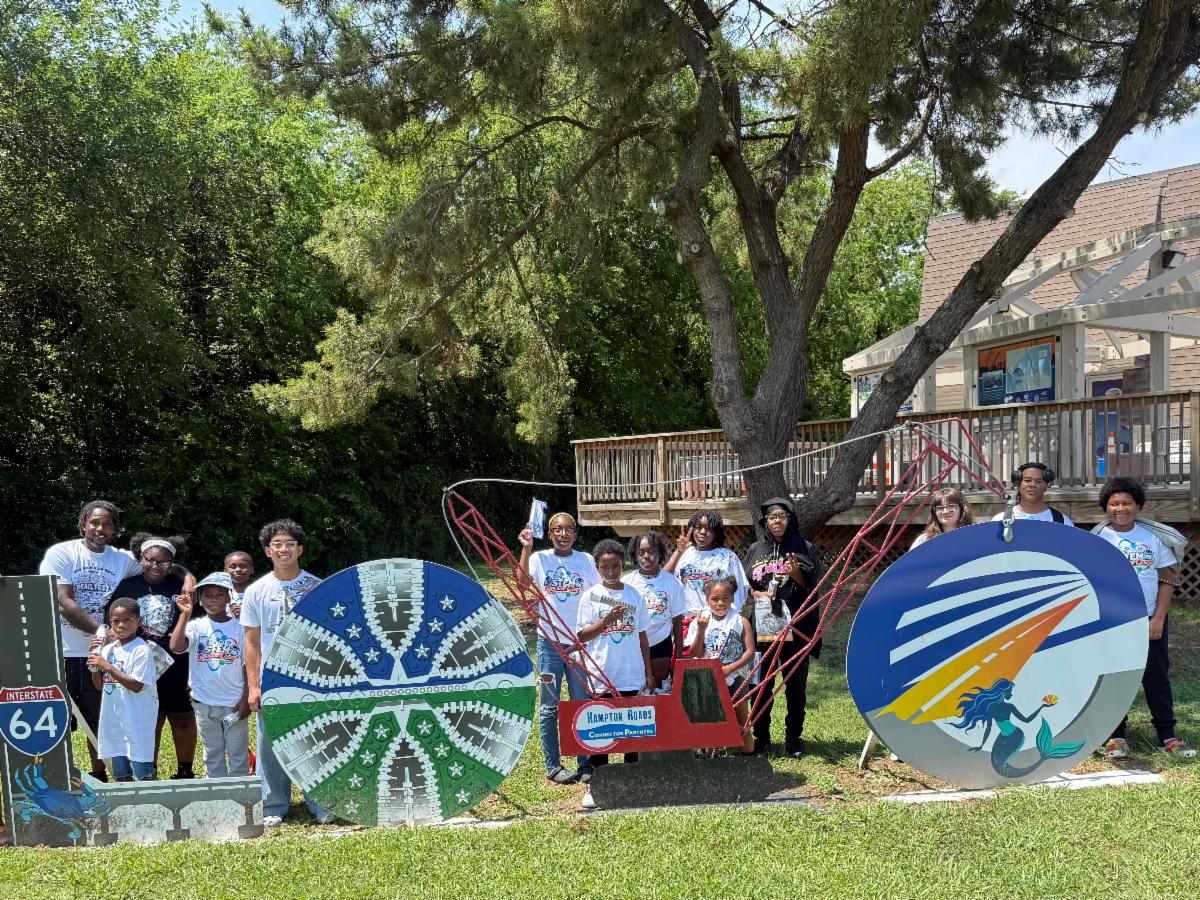
Young Residents Get in the Know | Although the HRBT Expansion has direct impacts on those who live and work in Norfolk and Hampton, residents from across the region are finding value in understanding the how's and why's of the mega-project. In July, more youth residents filed into the Welcome Center for science, technology, and math-inspired field trips. Guests included students from Portsmouth-based STEM camp Give Back 2 Da Block (above) and, for a second year in a row, Norfolk Academy's Museum Madness camp. | Fall Into the HRBT Expansion Open House | |
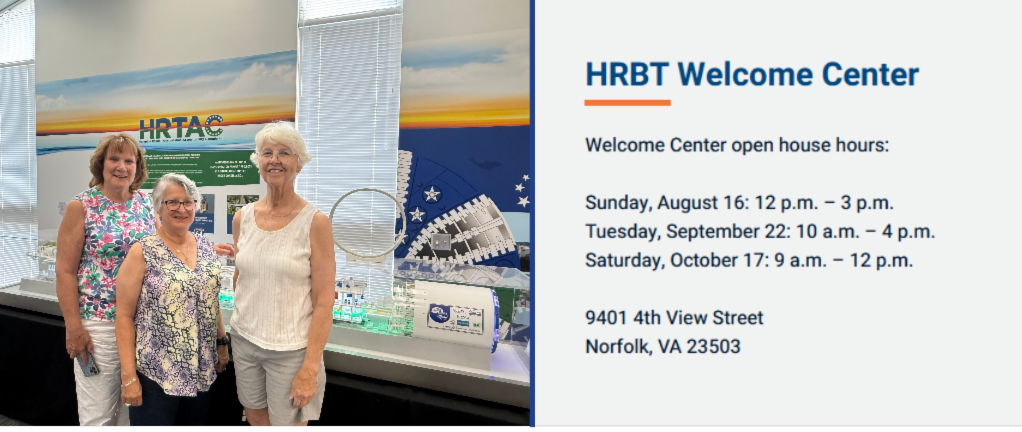
The July 15 Open House was joined by three members of Philanthropic Educational Organization (PEO) who left eager to share their experience with fellow participants.
The next Open House is scheduled for Sunday, August 16 from 12 p.m. to 3 p.m.
Welcome Center: 9401 4th View St Norfolk, VA 23503
| HRBT Expansion Critical Link in Hampton Roads Express Lanes Network | | |
Figuring prominently in the planned 45-mile continuous network of high occupancy tolled Express Lanes on I-64, known as the Hampton Roads Express Lanes (HREL) network, is the highly visible 9.9-mile Hampton Roads Bridge-Tunnel Expansion (HRBT Expansion) Project.
Once complete, the HREL network will extend from west of Denbigh Boulevard in Newport News to the Bowers Hill interchange in Chesapeake and is designed to provide motorists with more travel choices, support safe and more reliable travel and help manage congestion along one of Hampton Roads’ busiest interstate corridors.
The HRBT Expansion is a critical link in the network and will double travel capacity across the Hampton Roads Harbor. Once complete, the widened corridor will include two free general purpose lanes, one full-time Express Lane and one part-time shoulder Express Lane in each direction. The expansion also adds new four-lane bridges in the east- and westbound directions on the Peninsula and a new eight-lane mega trestle on the Norfolk side of HRBT to serve traffic in both directions. Road widening and significant bridge rehabilitation are also underway in the corridor.
Twenty-one miles of the network are already in operation on I-64, including the Norfolk Reversible Express Lanes located between the I-264 and I-564 interchanges, as well as the HREL Chesapeake Segment operating from just east of the I-264/I-664 Bowers Hill interchange, across the High Rise Bridge and up to the I-264 interchange in Norfolk.
As part of the network, Norfolk Segment (1A), Hampton Segment (4C) and Newport News Segment (4 A/B) are currently under construction, along with the HRBT Expansion. Construction is expected to begin later this year on the next Norfolk Segment (1B), which will repurpose the shoulder along I-64 to a part-time shoulder Express Lane, from I-264 to Tidewater Drive in the westbound direction and from Tidewater Drive to Northampton Boulevard in the eastbound direction.
The HREL network represents unified regional leadership and a collaborative partnership among VDOT, the Hampton Roads Transportation Accountability Commission (HRTAC), the Hampton Roads Transportation Planning Organization (HRTPO), and the U.S. Department of Transportation. The network was identified through the regional transportation planning process as a priority congestion-relief project for Hampton Roads. HRTAC provides regional funding for the HREL network, and, once the HRBT Expansion Project is complete, will establish and maintain tolling policies and manage HREL toll revenues, while VDOT delivers, operates and maintains the Express Lanes in coordination with HRTAC.
To learn more about the Hampton Roads Express Lanes projects and to view the interactive long-term traffic impacts map, visit 64expresslanes.org.
| |
Get In the Know, and Then Go! | | Sign Up To Receive Updates! |
Sign up for the HRBT Expansion Project Alerts to get weekly updates on traffic and construction impacts. Perfect way to “know before you go!”
| | | The HRBT Expansion Project team is committed to staying connected with the region for the life of the project. Like, join, follow, or tweet about the project on our social media channels. | | | | |