|
From the Founding Director
| | |
The Hagler Institute’s purpose is to increase excellence at Texas A&M University. Its main focus is to bring the finest scholars not already at Texas A&M to the College Station and Galveston campuses for extensive collaboration with A&M faculty and students. We recently completed recruiting our 15th class of Hagler Fellows and Distinguished Lecturers. I will soon be sending you information about this outstanding group of scholars. But first, I am happy to announce some changes made possible by our supporters.
The Hagler Institute for Advanced Study puts a high priority on helping faculty develop students who can contribute at the frontiers of knowledge in their fields. Getting the best students teamed with Hagler Fellows requires that we support the best students. I am pleased to announce that, in the fall of 2026, the Hagler Institute will increase its annual student stipend to $40,000 for all Hagler Institute fellowships, making the fellowships competitive for the most outstanding graduate students. In addition, beginning in the fall of 2027 we will pay tuition and program fees for each student on a Hagler Institute fellowship, which removes the final out-of-pocket expense for host departments to nominate their best students to work with Hagler Fellows and makes collaboration with Hagler Fellows even more attractive to our faculty.
The Hagler Institute has recently been highlighted as an important force for elevating research at Texas A&M. I invite you to take a few moments to read Texas A&M University’s news story. Please watch the imbedded YouTube video, with its focus on the Hagler Institute, Director John Junkins, and internationally renowned scholar, Dr. Alan Needleman, from the 2012-13 class of Fellows. After his Fellow appointment ended, Dr. Needleman joined Texas A&M’s faculty and helped build a world-class Department of Materials Science and Engineering.
We are thankful to all the donors who have assisted us in our mission of excellence. The acceleration of our graduate research programs is unprecedented. Since the Hagler Institute was formed, you have helped Texas A&M University to be recognized as the finest university in Texas and one of the leading universities in the nation.
-John L. Junkins
| | |
2026 ROGERS/HUANG MEDAL
FOR RESEARCH COLLABORATION
| | |
The Hagler Institute recently announced the winners of the 2026 Rogers/Huang Medal for Research Collaboration. Once again, the competition included an abundance of stellar research papers, and Dr. John Rogers and Dr. Yonggang Huang had the difficult task of selecting a single winner. After evaluating each submission carefully, they chose as the winning article,
“Non-Mendelian inheritance of DNA methylation patterns in mice.” Nature Genetics 58, 1409-1422 (2026).
Criteria for submission require that there be a current or former Hagler Fellow or Distinguished Lecturer and a Texas A&M student among the co-authors, and the research had to be conducted within the last four years.
Dr. Andrew P. Feinberg was the winning Hagler Fellow. He is a member of the 2020-21 class of Fellows and is the Bloomberg Distinguished Professor of Epigenetics at Johns Hopkins University and Professor of Bioengineering at Tel Aviv University.
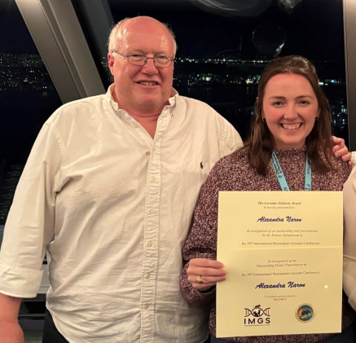
His Texas A&M student collaborator is Alexandra Naron, then a Ph.D. student in the Texas A&M Genetics and Genomics program. Alexandra received a graduate student fellowship from the Hagler Institute to work with Dr. Feinberg. She is currently a postdoctoral researcher in Texas A&M’s Department of Nutrition, working with another co-author on the paper, Dr. David W. Threadgill.
Dr. Threadgill is a Texas A&M University Distinguished Professor in the Department of Cell Biology and Genetics and head of the Department of Nutrition. Dr. Threadgill was the faculty host for Dr. Feinberg’s Hagler Fellow appointment.
The winning paper’s co-authors also include Danila Cuomo, a postdoctoral researcher in Texas A&M’s Dept of Cell Biology and Genetics. Danila is currently a toxicologist at Inotiv.
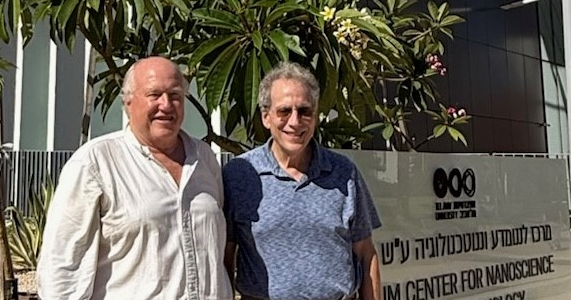
| | David Threadgill (left) and 2020-21 Hagler Fellow Andrew Feinberg | David Threadgill and Alexandra Naron | | |
David Threadgill summarized the research findings:
“Classic Mendelian inheritance teaches that phenotypes, including those associated with disease, are inherited in predictable patterns based on genetic sequence variants (known as alleles) of DNA. But many epigenetic modifications, which are chemical additions to DNA that are records of environmental exposure, that regulate gene expression, and therefore phenotype do not fit this model of inheritance. We used new DNA sequencing technologies to measure both DNA variations and epigenetic additions on individual stretches of DNA. This revealed that 7% of the DNA carrying epigenetic additions are not inherited in a predictable pattern like DNA variants. Our project lays the foundation for integrating the genetic risk of a disease with the environmental effects on the epigenetics of the risk allele and, potentially, for reversing this disease risk epigenetically.”
We invite you to review the recently published Texas A&M Stories news release for more information about this year’s winners.
| | |
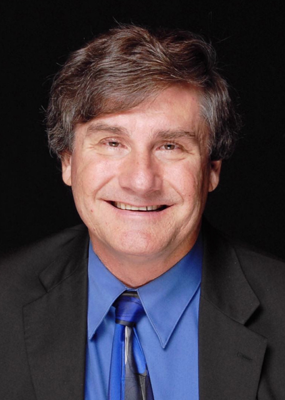
Gregory B. Baecher
2024-25 Hagler Fellow
| |  | |
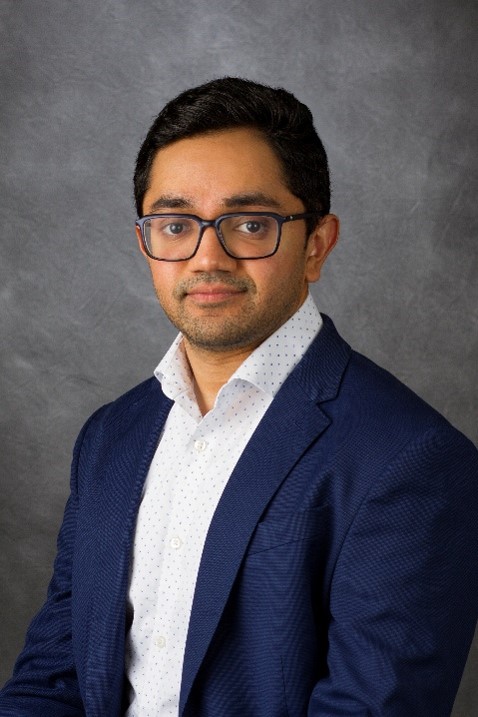
Youssef M.A. Hashash
2024-25 Hagler Fellow
| | | |
Dr. Gregory B. Baecher and Dr. Youssef M.A. Hashash are members of the 2024-25 Class of Hagler Fellows, and both are collaborating with faculty and students in Texas A&M’s Zachry Department of Civil and Environmental Engineering.
Dr. Baecher is the Glenn L. Martin Institute Professor of Engineering at the University of Maryland College Park. He has done pioneering work in risk and reliability of civil infrastructure. He is a member of the National Academy of Engineering and a distinguished member of the American Society of Civil Engineers. Dr. Baecher’s Fellow appointment is supported by an endowment from Ramiro A. “Ram” Galindo ’60, established in 2024 through the Ramiro A. Galindo Foundation, Inc. to support Hagler Fellows and Distinguished Lecturers for the Department of Civil and Environmental Engineering.
Youssef M.A. Hashash is the holder of the Grainger Distinguished Chair in Engineering at the University of Illinois Urbana-Champaign and a member of the National Academy of Engineering. He is a leading expert in geotechnical earthquake and tunnel engineering. Dr. Hashash is known for his innovative work in numerical modeling, seismic analysis of underground structures, and static and seismic soil-structure interaction. Dr. Hashash’s Fellow appointment is supported in part by the institute’s 2016 signature endowment from Jon L. Hagler ’58.
Dr. Jean-Louis Briaud, a University Distinguished Professor and Spencer J. Buchanan Chair Holder in Texas A&M’s Zachry Department of Civil and Environmental Engineering, expounds on these two Hagler Fellow appointments:
“It is rare to have two of the best civil engineering experts on risk and AI available to work with us at Texas A&M University and committed to help. We are extremely fortunate to have Professor Greg Baecher (risk) and Professor Youssef Hashash (AI) to work with us on a regular basis and we are hugely indebted to Professor John Junkins for his groundbreaking idea of the Hagler Institute which makes learning from Greg and Youssef possible.”
All above, in conjunction with Dr. Zenon Medina-Cetina, an Associate Professor in the same department, and Ph.D. student Billy Hernawan, a Hagler Institute fellowship recipient, recently published a paper titled “Risk of Generative AI as an Assistant in Geotechnical Practice” in GEOSTRATA, the most read media in the geo-engineering profession. Dr. Baecher and Dr. Hashash list their Hagler Institute affiliation in the article’s author profiles.
| | Billy Hernawan, Texas A&M Ph.D. student and Hagler Institute fellowship recipient. Hernawan’s research includes collaboration with Hagler Fellows Greg Baecher and Youssef Hashash, along with Texas A&M faculty Zenon Medina-Cetina and Jean-Louis Briaud. | | |
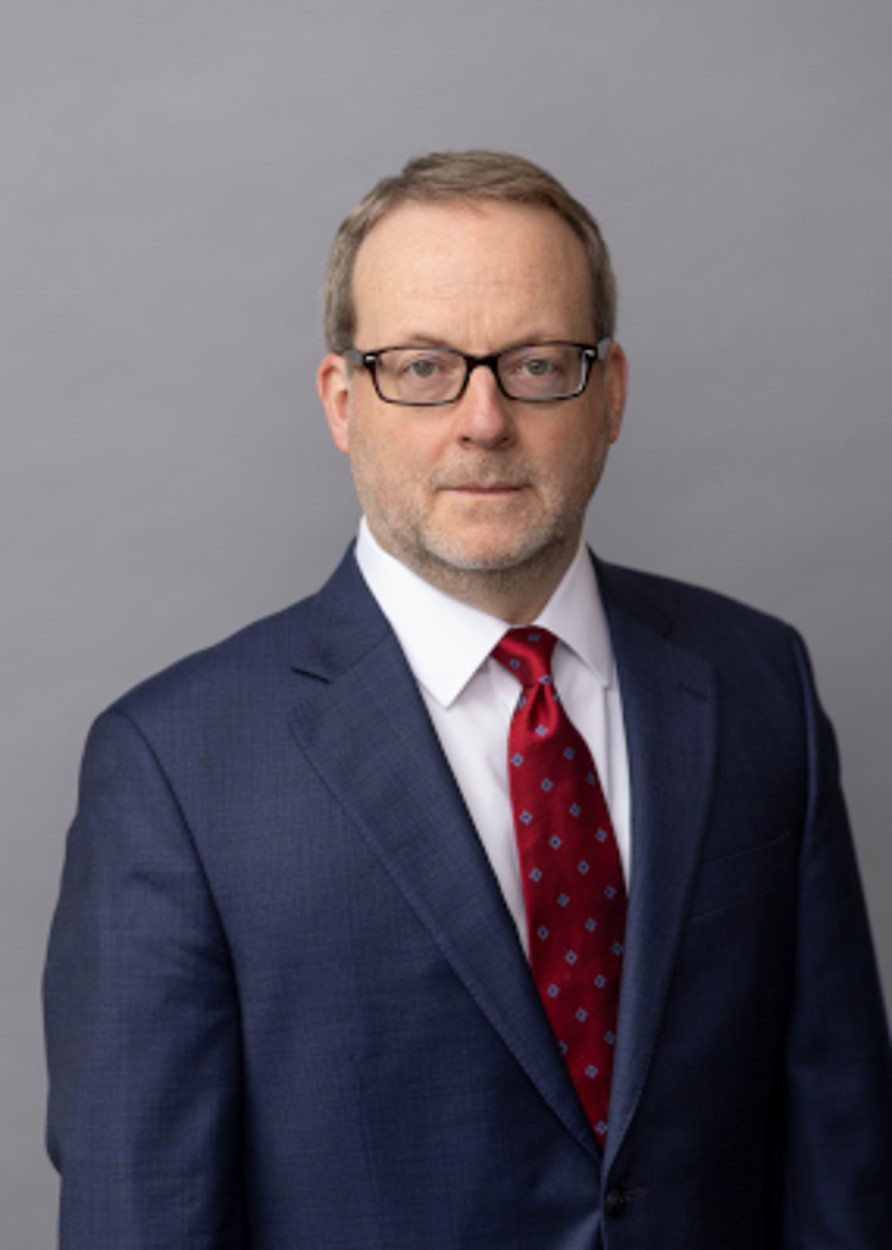
James E. Hubbard, Jr.
2017-18 Hagler Fellow
Texas A&M University Distinguished Professor
| | |
Dr. James E. Hubbard Jr., 2017-18 Hagler Fellow, joined the faculty of Texas A&M University after his institute appointment. He is the holder of the Oscar S. Wyatt, Jr. ’45 Chair I and University Distinguished Professor in the Department of Mechanical Engineering at Texas A&M University. Professor Hubbard is a multidisciplinary scholar and a member of the National Academy of Engineering and the National Academy of Inventors.
One of Dr. Hubbard’s many interests is quantitative brain dynamics. After nearly a decade of interdisciplinary research, Dr. Hubbard has completed the first release of NeuroModal Studio, a software platform that applies modern system identification and modal analysis techniques to study the dynamic organization of brain activity. His research applies engineering methods traditionally used to understand complex mechanical systems to the analysis of human brain dynamics.
Dr. Hubbard’s latest contribution builds upon decades of research in system dynamics, adaptive structures, and modal analysis, including foundational contributions made with his students and long-time collaborator Dr. Mark Balas. Dr. Balas holds the Leland T. Jordan Professorship in Mechanical Engineering at Texas A&M University. His pioneering contributions to system dynamics and control theory helped establish many of the engineering principles that ultimately made NeuroModal Studio possible.
NeuroModal Studio analyzes electroencephalography (EEG) recordings using state-space system identification and output-only modal analysis to identify the brain's dominant oscillatory structures, referred to as Brain Modes. The platform provides quantitative visualization of modal frequencies, damping characteristics, spatial participation patterns, and dynamic mode organization through an integrated interactive environment and automated analysis reports.
Professor Hubbard is working closely with neuroscientists and clinical collaborators to evaluate the scientific utility and reproducibility of NeuroModal Studio across a variety of EEG datasets and research applications. Potential research applications include quantitative studies of cognition, attention, learning, aging, neurological disorders, and other conditions in which changes in brain dynamics may provide new scientific insight.
| | |
Nikolay I. Zheludev
2021-22 Hagler Fellow
| | |
Dr. Nikolay I. Zheludev is a 2021-22 Hagler Fellow who came to the institute from the University of Southhampton, United Kingdom and the Nanyang Technological University in Singapore. He has been a Fellow for five years. Dr. Zheludev is a member of the Royal Society and is an international member of the National Academy of Engineering, among other prestigious recognitions. Dr. Zheludev never ceases to amaze, for he makes significant contributions to a variety of fields of study.
Dr. Zheludev’s superb contributions are recognized by those in many countries. He was awarded the 2025 European Physical Society Quantum Electronics and Optics Prize, one of the top European Physics prizes,
“…for pioneering discoveries and leadership in the fields of metamaterials, nanophotonics, optical super-oscillations, toroidal electrodynamics, as well as diverse applications across optical science.”
Previous recipients include some of the world’s greatest physicists.
| | |
Alex V. Filippenko
2024-25 Hagler Fellow
| | |
Dr. Alexei (Alex) V. Filippenko is known for his outstanding research and teaching, and our June 2026 newsletter mentioned some of the formal honors he has received on those fronts: the Gruber Foundation’s 2026 Cosmology Prize and nine “Best Professor” recognitions at University of California, Berkeley.
Now, Dr. Filippenko has also been awarded the 2026 Dorothea Klumpke-Roberts Award from the Astronomical Society of the Pacific. The award recognizes “individuals who have made outstanding contributions to the public understanding and appreciation of astronomy.” Dr. Filippenko was selected “for his dedication in sharing science through more than 40 years of engaging students and the public with infectious enthusiasm, engaging talks and other presentations, astronomy video courses, and media appearances.”
These noted aspects of Dr. Filippenko’s work complement his scientific expertise in a powerful way and have been evident during his visits to Texas A&M as a Hagler Fellow. In addition to his research collaboration with Texas A&M faculty and graduate students, Dr. Filippenko has, among other things, delivered the Fall 2025 Hagler Institute Eminent Scholar Lecture, given keynote addresses for the Community of Scholars and the Community of Retired Faculty, and met with undergraduate honors students in small-group settings.
| | |
Student Fellowship Spotlight
o
| | The Hagler Institute promotes a triad concept of education, where an advanced student is teamed with a rising star A&M faculty member and a National Academy level scholar. | | |
Sunder Neelakantan
Department of Biomedical Engineering
| | |
While a 5th year Ph.D. student in the Department of Biomedical Engineering, Sunder Neelakantan was awarded a Bradley L. “Brad” Worsham ’88 - Heep Fellowship from the Hagler Institute from the summer of 2024 through the spring semester 2025 to collaborate with Dr. Kyle Myers, 2023-24 Hagler Fellow and member of the National Academy of Engineering. Dr. Myers is one of the nation’s most knowledgeable people in the areas of medical imaging and imaging devices.
Sunder was recently honored with an Association of Former Students Distinguished Graduate Student Award for Excellence in Doctoral Research at Texas A&M University. He also won the 2025 Biomedical Engineering Graduate Student Research Award.
Sunder provided a summary of his fellowship experience, some of which is reproduced here:
“As part of my Hagler fellowship, I worked on multiple projects involving the pulmonary system… We developed a reduced-order computational model to understand the alterations in blood flow in the arteries within the lungs… The study titled “Dissecting contributions of pulmonary arterial remodeling to right ventricular afterload in pulmonary hypertension”, was recently accepted to be published in the journal of Bioengineering & Translational Medicine. Dr. Myers was extremely helpful in providing the clinical need for such a project. In addition, she was instrumental in developing a pipeline for this work to be potentially applied in clinical settings.
“The other major project was computational modeling of lung biomechanics to investigate lung injuries. We developed a physics-informed method to estimate the displacement and strains in the lungs from static CT imaging. This method was developed to minimize the need for excessive radiation associated with dynamic CT imaging. This study was presented at the IEEE Engineering in Medicine and Biology (EMBC) conference and published as a conference manuscript. In addition, we…developed a method to…study the accuracy of various image registration algorithms… Dr. Myers helped us to understand the imaging physics associated with CT imaging and the potential applications of this method to improve medical imaging in clinics.
“…Dr. Myers’ extensive experience in medical imaging research and the FDA enabled her to introduce me to the various researchers at the forefront of medical imaging research, across industries, academia, and hospitals.”
Dr. Myers had this to say about Sunder:
“…I have been collaborating with his advisor, Dr. Reza Avazmohammadi of the Department of Biomedical Engineering, and his students since my first days as a Hagler Fellow. My collaboration with Sunder and Reza has resulted in multiple journal articles, 6 joint proceedings indexed papers that Sunder presented at SPIE and IEEE/EMBC conferences, and multiple abstracts.”
Dr. Sunder Neelakantan is currently a Postdoctoral Fellow in the Department of Imaging Physics at the MD Anderson Cancer Center.
| | |
Annual Summaries from
Fellows and Students
for Academic Year 2025-26
| | Hagler Institute Fellows and student fellowship recipients provide annual summaries which demonstrate the valuable work and outcomes made possible by Hagler Fellow appointments and graduate student fellowships. | | |
Julia A. Beatty
Hagler Fellow, Class of 2024-25
| | |
Dr. Julia Beatty is Chair Professor of Veterinary Medicine and Infectious Diseases at the City University of Hong Kong. Her recent research pertains to viruses in cats, and she has actively pursued this research with A&M colleagues.
In the last year, abstracts of this work have been presented at conferences in Berlin, Madrid, and Chicago. She has collaborated on four peer-reviewed publications in the last year. To demonstrate the research teamwork that is typical of Fellow appointments, in various combinations of co-authors on the publications, Dr. Beatty collaborated with two different advanced students, with 2022-23 Hagler Fellow John Cullen, and with three Texas A&M faculty members. Dr. Beatty wrote to us:
"Our international collaborative studies focus on understanding how the feline hepatitis B virus impacts cat health. Feline HBV (also called domestic cat HBV, or DCHBV) was discovered in the Beatty Lab at the University of Sydney in 2018. Since that time, researchers have been trying to find out whether cats infected with feline HBV suffer from the same liver diseases that are caused by human HBV. In humans, HBV causes chronic hepatitis and liver cancers that cause over a million deaths each year.
"We have investigated whether the feline HBV causes liver cancer. Together, we have shown the first mechanistic links between feline HBV and liver cancer in cats. Specifically, the frequency of virus detection and the location of virus within the cat’s cancer genome suggest that, as in humans, the feline HBV plays a role in causing liver cancers in cats. Texas A&M Grad student, Min Chun Chen, who worked on this project in the College of Veterinary Medicine and Biomedical Sciences, graduated in June 2026 having secured a highly competitive pathology residency position as the next stage of her research career.
"The next phase of our work, to understand whether feline HBV causes chronic hepatitis in cats, has been launched (https://vetmed.tamu.edu/gilab/research/feliche-study/). Texas A&M Grad student Vinicius Dahm enrolled in September 2025 and is busy working on this project.
"The significance of our research is two-fold. Firstly, if feline HBV is a significant cause of liver disease in cats, then protective vaccines and antiviral treatments developed to treat HBV in humans can be adapted for use in veterinary medicine. Secondly, clinical trials in pet cats naturally-infected with feline HBV can inform human medicine. For example, a major hurdle in human HBV medicine is clearing viral reservoirs from the liver. Studying viral persistence in cats could identify approaches to cure chronic HBV and DCHBV infections, with lower initial regulatory thresholds to therapeutic translation. Hence our work promises to improve the lives of pets and people."
| | |
Geoffrey W. Coates
Hagler Fellow, Class of 2025-26
| | |
Dr. Geoffrey Coates is a University Professor in the Department of Chemistry and Chemical Biology at Cornell University. He just completed two visits during his first of five years as a Hagler Fellow, a time when research ideas and relationships are formed. While in College Station, Dr. Coates interacts with professors and students in the College of Arts and Sciences and the College of Engineering.
Dr. Coates has also been selected by the Hagler Institute to receive the additional distinction as a Welch Foundation Fellow of the Hagler Institute for Advanced Study at Texas A&M University (Welch-Hagler Fellow). Welch-Hagler appointments are made possible by an endowment from The Robert A. Welch Foundation designed to support Hagler Institute Fellows and their collaborative research efforts in chemistry and related disciplines at Texas A&M University. The Jon L. Hagler Foundation and Texas A&M University provided additional matching funds in connection with the gift from The Welch Foundation to further the reach of the Welch Foundation / Hagler Institute program.
Dr. Coates wrote to us about his experience as a Fellow, some of which is reproduced here:
“…the fellowship has provided an invaluable opportunity to engage with world-class faculty, contribute to cutting-edge research, and foster meaningful collaborations within the vibrant academic community at Texas A&M University. During the academic year, I completed two productive stays on campus… These visits allowed me to immerse myself fully in the intellectual atmosphere of the university and establish lasting professional relationships.
“A highlight of my fellowship has been the extensive interactions with distinguished faculty members across multiple departments. I had productive interactions with Professors John Junkins, Quentin Michaudel, John Gladysz, Donald Darensbourg, David Powers, Andy Thomas, Manish Shetty, Karen Wooley, François Gabbai, Emily Pentzer, Ned Thomas, Jodie Lutkenhaus, David Bergbreiter, Tadhg Begley, Marcetta Darensbourg, and Oleg Ozerov. These conversations spanned diverse research areas and have opened avenues for potential future collaborations. The interdisciplinary nature of these discussions has broadened my perspective and enriched my understanding of current challenges and opportunities in various fields.
“Additionally, I had the privilege of meeting with visiting scholars Emily Balskus from Harvard University and Paul Chirik from Princeton University, further expanding my professional network and facilitating knowledge exchange between institutions.
“One of the most rewarding aspects of my Fellow appointment has been the opportunity to interact with two exceptional students: Mary Yenca, working with Professor Quentin Michaudel, and Uddalak Sengupta, working with Professor David Powers. Through regular meetings and research guidance, I have been able to share my expertise while learning from their fresh perspectives and enthusiasm.
“…While I have contributed my expertise and external perspective to ongoing research projects and student development, I have gained immensely from exposure to new research methodologies, innovative approaches, and diverse viewpoints. The collaborative environment has challenged me to think beyond traditional boundaries and has already influenced my own research trajectory.
“The Hagler Fellowship has also enhanced my understanding of how world-class research universities operate and has provided insights into effective mentorship and collaboration strategies that I will carry forward in my career.
“I extend my heartfelt gratitude to the Hagler Institute and the Department of Chemistry at Texas A&M University, and all the faculty and staff who have made my fellowship experience so enriching. The exceptional hospitality, intellectual stimulation, and collaborative spirit I have encountered at Texas A&M University have exceeded my expectations… I look forward to continuing these valuable relationships and to the exciting possibilities for future collaboration that have emerged from this first year as a Hagler Fellow.”
| | |
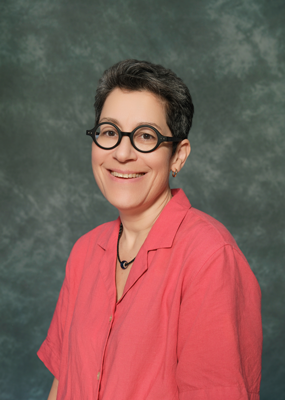
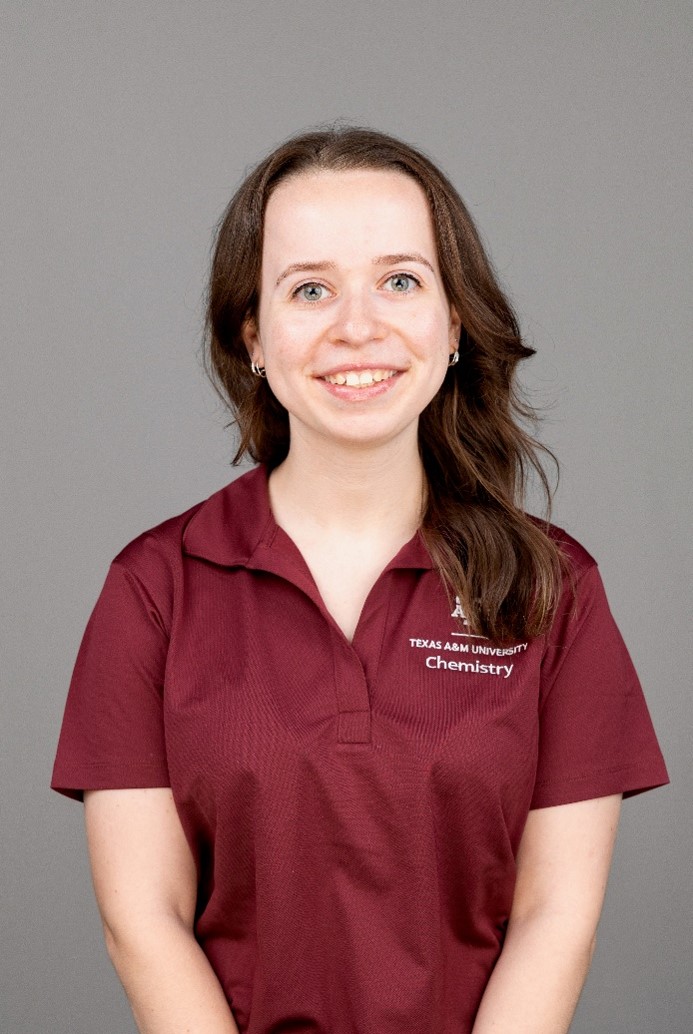
Mary Yenca, Ph.D. Student
Department of Chemistry
| | |
Mary Yenca is a Ph.D. student in the Texas A&M’s Department of Chemistry. Mary received a fellowship from the Hagler Institute for Advanced Study in the academic year 2025-26 to work with Hagler Fellow, Dr. Geoffrey Coates. She described her work for us:
“The collaborative work with the Michaudel laboratory focuses on creating new plastic materials with unique light-responsive properties. These specialized polymers are designed to change their structure when exposed to light, making them potentially useful for advanced coatings and electronic devices. The team successfully created a key building block molecule that serves as the foundation for these materials, using a more efficient process than previous methods. Early experiments showed promising results when linking these building blocks together using a ruthenium-based catalyst. The research is now expanding to explore different versions of these materials that could form structured networks with microscopic pores, opening up additional applications in materials science.”
| |
|
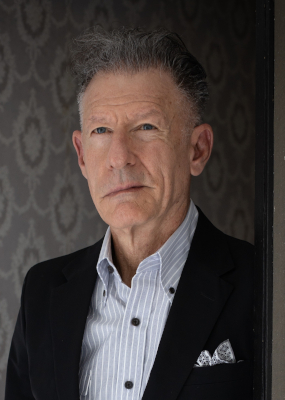
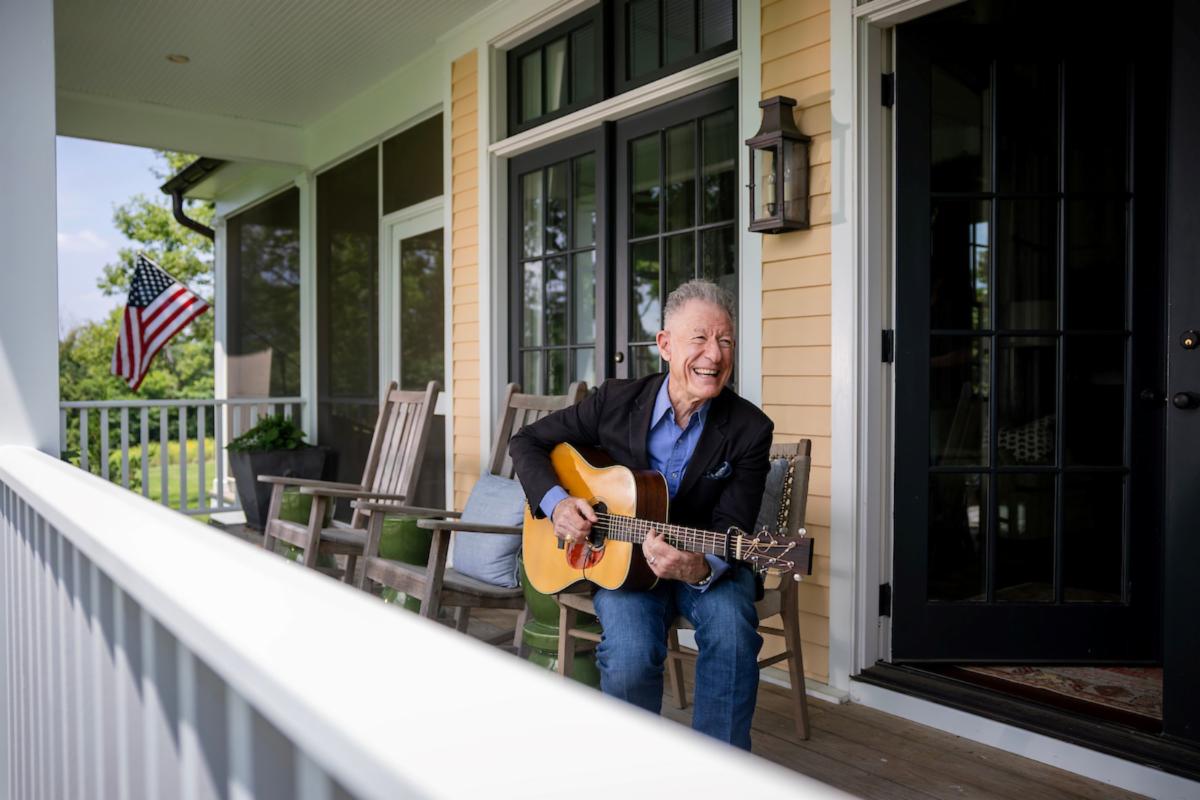
Hagler Fellow Lyle Lovett
Helps Promote Texas A&M
| | |
Lyle Lovett, Class of 2025-26,
just finished his first year as a Hagler Fellow, and he will be sharing his expertise for two more years in the College of Performance, Visualization & Fine Arts. With 14 albums to his credit, Lovett has received four Grammy Awards, as well as other prestigious recognitions for his musical accomplishments. He has also appeared in major motion pictures.
People of all ages and backgrounds relate to music. Lyle Lovett is one of the most visible and popular ambassadors for Texas A&M University.
Give yourself a special treat and watch Lovett in action with A&M students:
Lyle Lovett Shares Insights With Students Through Hagler Institute For Advanced Study
Lyle Lovett played a central role in Texas A&M’s commercial about working together for the good of America, seen by approximately 3.5 million viewers on Fox. The video debuted at the IndyCar Freedom 250 Grand Prix of Washington D.C., in which Felix Rosenqvist drove the university sponsored No. 60 Meyer Shank Racing Honda. The video brings an inspiring message about what makes Texas A&M University special in knowledge breakthroughs, leadership, spirit, and partnerships. In the video, Lovett performs the 1970’s hit, “Let’s Work Together” and promotes Aggie Core Values as the country is commemorating its 250th Anniversary. To see the commercial and read more about Lyle Lovett and his time in Aggieland as a Hagler Fellow, take a look at this feature in Texas A&M Stories.
| | |
Fall 2026 Eminent Scholar Lecture
Robert (Bob) Pianta
Hagler Fellow, Class of 2025-26R
| | |
Please join the Hagler Institute for Advanced Study for its Fall 2026 Eminent Scholar Lecture on Tuesday, October 27, 2026, at 4:00 p.m. in the Forum, Rudder Auditorium Complex.
This year’s distinguished speaker is 2025–26 Hagler Fellow Dr. Robert (Bob) Pianta, Batten Bicentennial Professor Emeritus and Dean Emeritus of the School of Education and Human Development at the University of Virginia.
Dr. Pianta will present “Relationships between Teachers and Students Are an Essential Resource for Learning: Evidence from Research, Interventions, and Policy.” His lecture will draw upon his groundbreaking research on teaching quality, early childhood education, and the systems that support student learning and success.
We invite you to join us for this engaging and thought-provoking presentation from one of the nation’s leading voices in education research and policy.
RSVP HERE.
| |
The Hagler Institute would like to thank the many members of its revolving Faculty Advisory Board of nine University Distinguished Professors who have served since the institute’s inception. These top A&M scholars have performed the difficult task of evaluating and recognizing excellence for Hagler Fellow appointments in the many fields of expertise represented on the campus of this great university. Ad | |
If you have news to share, please send articles, suggestions, or other information to:
Dr. Clifford L. Fry, Associate Director
Hagler Institute for Advanced Study
at Texas A&M University
| | | | |