|
"As you approach the holidays, remember:
grief is both a necessity and a privilege.
It comes as a result of giving and receiving love.
Don't let anyone try to take your grief away.
Love yourself. Be patient with yourself.
And allow yourself to be surrounded
by loving, caring people."
– Dr. Alan Wolfelt
Share this article. Show your family and friends this article so they will have a greater understanding of how the holidays can be made easier and meaningful.
Love does not end with death. Dr. Wolfelt states, "Since love does not end with death, holidays may result in a renewed sense of personal grief—a feeling of loss unlike that experienced in the routine of daily living. Society encourages you to join in the holiday spirit, but all around you the sounds, sights, and smells trigger memories of the one you love who has died. No simple guidelines exist that will take away the hurt you are feeling."
New normal. Your holidays were once wrapped in love and family closeness as you celebrated together. With the death of a family member, others may try to “cling” to old family traditions, even though this may cause you much pain. Family members need to try to accept that nothing will ever be the old “normal." If everyone can join together, then you can create new family traditions without leaving anyone out.
Talk about them. Talk about your loved one. Tell a favorite story, give a toast, write a poem, play their favorite song, or go around the table and have each person tell a story about your loved one. These will help you express the importance of them, and then perhaps you and other family members will be able to appreciate the holidays with an even deeper and more meaningful significance.
Children (kids/teens/adults). No matter the age, children are grieving too, and the holidays are also difficult for them. All grief specialists suggest you include the immediate family in what you want to do so that everyone's ideas and concerns are considered and heard. Listen to what is important to them, and then see if you can incorporate their hopes or wishes into the holidays without completely giving up what you need. You can also break the day up into smaller segments of various types of events, such as opening presents at home as a family, a visit to the cemetery as a family, dinner with relatives, and then home early where you share memories of your loved one, work on a puzzle, or watch a movie.
Plan ahead. Talk with others about the reality that your loved one has died and that therefore your life (and your celebrations) will feel and be different. Make a plan regarding how you will get through the day and with whom you will spend it. Think about spending time with other “like hearts" and people who are compassionate and understanding of your needs. There is a decided advantage in thinking ahead about what you want the day to include and with whom you want to spend it. If you haven't told others what you would like for the holidays, then do so. No one is a mind reader, and what is comforting to you might not occur to someone else.
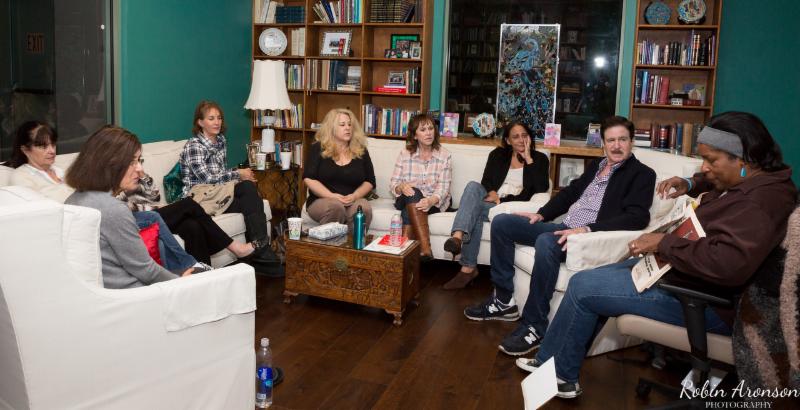
Grief group or therapy. If you are in a grief group, discuss your concerns and possibilities in group. Don’t hesitate to meet with a grief professional to assist you in deciding what to do. Trained grief professionals can help you articulate your feelings, fears, hopes, losses, and concerns. When those are expressed, you will be better able to figure out what you can and can’t handle.
Expectations. Lower your expectations and the pressures you put on yourself. You do not have to celebrate the holidays in exactly the same way you did before. Plan your day, keeping it simple. Allow yourself time to face the hard reality of your loved one’s death (in a manageable dose) if you think you can do so this year. For some, celebrating the holiday according to family tradition may be a comforting coping strategy. If it is not, allow yourself to take a break.
Perspective. Death puts things into perspective. Since the death of your loved one, some of the routine things that you used to care about may now mean almost nothing at all. Festivities and all of the hubbub might, for now, seem meaningless. Reassure yourself that eventually you can come to a new and deeper understanding of each special day and how you will handle it.
Take care of yourself physically. Because the holidays can be physically draining, especially if this is your first or second experience with a holiday since the death of your loved one, respect your mind and body. Failing to take care of yourself physically will only add to your fatigue and frustration.
Rethink the holidays. If you find yourself dreading spending time with people who won’t talk about your loved one, who carry on as if everything is the same, who ignore your requests for simple things, and who seem to avoid and ignore the fact that this day is one that is difficult and requires some greater sensitivity and understanding, then you might need to rethink how you will spend this holiday season. Maybe it’s time to take a break and do something different.
A new take on shopping. If gift shopping either seems like a daunting task or you don't want to be anywhere near stores, shop online or send a gift card. You may also ship items to a loved one if you are not spending the holidays together. If you simply cannot gift shop at all, that's okay. Let others know that you will not be exchanging gifts this year. Another possibility is to have your family members make an agreement that no one will exchange gifts this year or make an agreement to only give gifts to the children.
Your role. Think back to how you celebrated the holidays. What was your role in the celebration? How might that be different now that your loved one has died or that you aren't able to be together? Begin to consider how you might want to handle your traditional ways of celebrating this day following his or her death.
Invitations. If you accept a holiday invitation to someone’s home, give yourself some leeway. Be up front with them when you accept the invitation, letting them know that you will try to participate, but that you may well excuse yourself at some point. We suggest that you not host an event until you are truly ready to do so. As a guest, you can leave when you want or even cancel at the last minute. As a backup plan, you might also wish to consider making alternative plans that may feel more comfortable.
Make room for them under the tree. Put up an ornament or other object that is a reminder of your loved one; something that invokes their presence. You can be sure that its simple presence on the tree will also invite their presence into the room and into the thoughts when anyone walks by, conveying the feeling that they are indeed with you during this season in your hearts and minds. If you have children, include them in this process. In fact, they could make a special ornament or object for the tree.
For those without a tree, create a special object that you will place somewhere special or sacred that will invoke your loved one's presence as part of your holiday celebration.
Write a letter. Writing to your loved one can be meaningful and gives you a chance to express what you want to say. Recall several memories you have of the holidays in which this person played an important part. In that letter, write:
- When I think of this holiday without you, I feel …
- The thing I miss most on this holiday without you is …
- Or just let them know what is going on in your life.
Photos/Movie. Get out photos and sit together as a family remembering, sharing, and hopefully laughing as you recall that moment in the photo. Put together an online photo montage or video of everyone in the family and watch it together.
Memorabilia. Go through cards, letters, pictures and other personal memorabilia associated with your relationship with your loved one. Re-live the occasions as you review the mementos. Again, this should only be done when you feel ready.
Share memories. Ask your friends and family to write down their favorite memory of your loved one and share them via email or while you are together. Then you can collect them in a keepsake book. One thing we hear regularly at griefHaven is how much they love the funny or meaningful memories. So you might ask people to share a funny memory.
Bring a memento. Bring or wear something of your loved one that's meaningful and special to you, such as a piece of clothing or jewelry.
Photo display. If you are visiting someone else’s home, ask that person to display a photo or some other memorabilia of your loved one.
No have-to's. Remind yourself throughout the holidays that there are no “have-to's.” Your heart has been broken, your life has forever been changed, and you are simply attempting to find what will and what won’t work for you as you rebuild your life without your loved one.
Be kind to yourself. Be gentle and tender with yourself. Seek out the softest place to land so that you are in a position to honor your loved one, while also creating new traditions. One day you will most likely look forward to holidays filled with the true meaning of the holiday spirit.
Help someone else. Some find it meaningful and special to reach out and help another on this day. You can find a shelter or other place where they need servers, food to be delivered, someone to talk to, or some other type of help. You can make this part of the day and then the rest of the day is about your family. Include your children in this.
Give the gifts that keep on giving. Select a small gift, maybe even something of your loved one's, to give to each child on your loved one's behalf. This can provide both a cherished “linking object” that honors their unique bond with their loved one, and also serve as “conversation starters” about shared memories of a heartwarming or humorous type.
Invite them to the table. This is something that is not for everyone, but some families find it meaningful. If you really want to invoke their presence, set an extra place at the table for them. The empty chair would be a strong ritual statement of both their presence and absence.
|