|
Photo Credit: Congress Hall, Cape May NJ by Jennifer Balducci
July at One.
As we celebrate our country's 250th anniversary this month, we hope you find time to cool off and slow down while you enjoy our newsletter filled with ways to boost your health and wellbeing.
As always, we know how busy everyone is and we try our best to make this newsletter both informative and enjoyable. This month is packed again with tons of the latest health information and local events happening in our town. We love to hear from you about what you have taken away from your read! Feel free to share as that is our biggest compliment!
Yours in Wellness,
Jennifer and Christina
| | Welcome Our Latest Addition to the One. Team, Wendy Hallet! | |
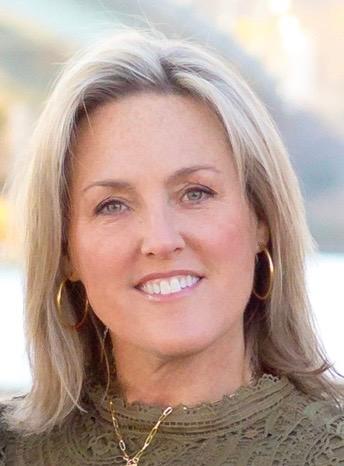
Wendy started teaching Pilates in 2007 after falling in love
with it while taking classes. As a Certified Athletic Trainer,
coming from a sports medicine background, Pilates made
perfect sense to her anatomy centered focus for rehab.
Wendy has previously worked clinically with college and high
school athletes in team settings, as well as with weekend
warriors and the general population in an outpatient rehab
setting. As a result, while she really enjoys teaching and
challenging all populations, she specializes in
clinical/rehabilitative Pilates and modifications. She has
completed training in pre- and post-natal populations,
pelvic floor dysfunction, athletic conditioning, and
teen/young adult classes. As a breast cancer survivor
herself, she has a particular interest in working with this
recovering population.
Working from the traditional exercises taught by Joseph
Pilates, Wendy focuses on the principles of Pilates and
truly believes in quality of movement over quantity. She
has taught, managed a Pilates/Yoga studio, and owned
her own Pilates clinic.
Outside of the studio, she enjoys traveling, SCUBA diving,
pickelball, golf, sailing, cooking, and mahjong. When not
out with her cherished friends, she can often be found out
and about in Annapolis walking her cavapoo, Milo. She
has two boys (fully adulting) and two fabulous daughters-
in-law; all four alumni of the Naval Academy and currently
serving. She is available to answer any questions or for scheduling a private Pilates session.
Click here to contact Wendy
| | |
Brain Fog: Why Can’t I Think Clearly?
Have you ever walked into a room and forgotten why you were there? Re-read the same sentence three times? Felt mentally “off,” forgetful, or like your brain just isn’t firing on all cylinders?
Many people describe this feeling as brain fog - a sense of mental fatigue, forgetfulness, trouble focusing, or slowed thinking. While occasional brain fog is common, ongoing symptoms can be frustrating and impact work, relationships, and everyday life.
One reason brain fog happens is that the brain may become overloaded or dysregulated. Think of it like having too many tabs open on your computer, everything slows down. When the brain spends energy managing stress or staying in “survival mode,” focus, memory, and mental clarity can suffer.
The good news? The brain has an incredible ability to adapt and heal. Supporting sleep, movement, stress management, hydration, and overall nervous system health can make a meaningful difference.
For some individuals, gentle approaches such as microcurrent neurofeedback may also help support the brain’s ability to self-regulate and function more efficiently. Some of my patients come in complaining that they can’t think clearly or are forgetful. After sessions some have reported feeling like a fog has lifted or that there is “less static.”
If brain fog has been affecting your daily life, know that there may be underlying reasons, and support is available. If you’re interested in microcurrent neurofeedback as a treatment option, please reach out via email - Connie@neurocenteredwellness.com, or call/text at 443-773-7745.
Brain game of the month:
Trivia!
- How many hot dogs are consumed on the 4th of July?
- What year were fireworks first used to celebrate the Fourth of July?
- What bird did Benjamin Franklin want to be the national bird (instead of the Bald Eagle)?
Find the answers at the end of the newsletter
| | |
Tai Chi with Jan
Join Jan Graves for Tai Chi on Tuesdays at 10:30AM (virtual) via zoom
Mar. 31, 2025 By Heather Hurlock
You’ve probably heard that traditional Chinese exercises like Tai Chi are good for you.
They’re slow, graceful, and kind of meditative, sure, but maybe you’ve wondered if they really do anything beyond helping you feel a little calmer or more flexible.
Turns out something is happening deep under the hood.
A new meta-analysis in the Journal of Exercise Science & Fitness pulled together data from 11 randomized controlled trials and found that traditional Chinese exercises (TCEs, for short) significantly increase brain-derived neurotrophic factor (BDNF) in middle-aged and older adults. Why does that matter? Because BDNF is like Miracle-Gro for your brain. It helps grow new neurons, repair old ones, and keep your cognitive functions sharp as you age.
BDNF is closely linked to learning, memory, and
neuroplasticity, your brain’s ability to adapt and change. Low levels have been associated with Alzheimer’s, depression, and cognitive decline. So the fact that something as low-impact and accessible as Tai Chi can help boost it? That’s kind of major.
The Exercise Technique That Sharpens Your Mind
Traditional Chinese exercises like Tai Chi integrate breathing, intentional movement, and mental focus. This trifecta seems to activate the body’s parasympathetic nervous system (the “rest and restore” mode), while subtly challenging balance, coordination, and attention.
What makes this study especially compelling is the population: healthy adults over 45. So we’re not just talking about people recovering from illness or already in cognitive decline, we’re talking about prevention and optimization in the prime of life.
This isn’t the first time TCEs have shown promising brain benefits. Other studies have linked Tai Chi to:
1. Improved Working Memory and Executive Function:
2. Reduced Inflammation Markers Impacting Brain Health:
3. Better Sleep, Supporting BDNF Production and Memory Consolidation:
-
Regular exercise, including practices like Tai Chi, can indirectly boost memory and thinking skills by improving mood and sleep, and by reducing stress and anxiety.
Even the Mayo Clinic has called Tai Chi “meditation in motion,” noting its role in reducing stress and improving mood.
Tai Chi For Beginners
These ancient practices aren’t just about “balance” in the philosophical sense—they’re turning out to be legit tools for brain
longevity. And for those of us who want to stay sharp, curious, and vibrant deep into our later decades, that’s a serious win.
The best part? You don’t need to train for a marathon or even break a sweat. Just 20 to 40 minutes a few times a week seems to be enough to see benefits. Bonus points if you practice outside—sunshine, nature, and gentle movement make an excellent neuroprotective cocktail.
| | | Sue's Power Stretch City Outdoor CLASS is back in July! | | |
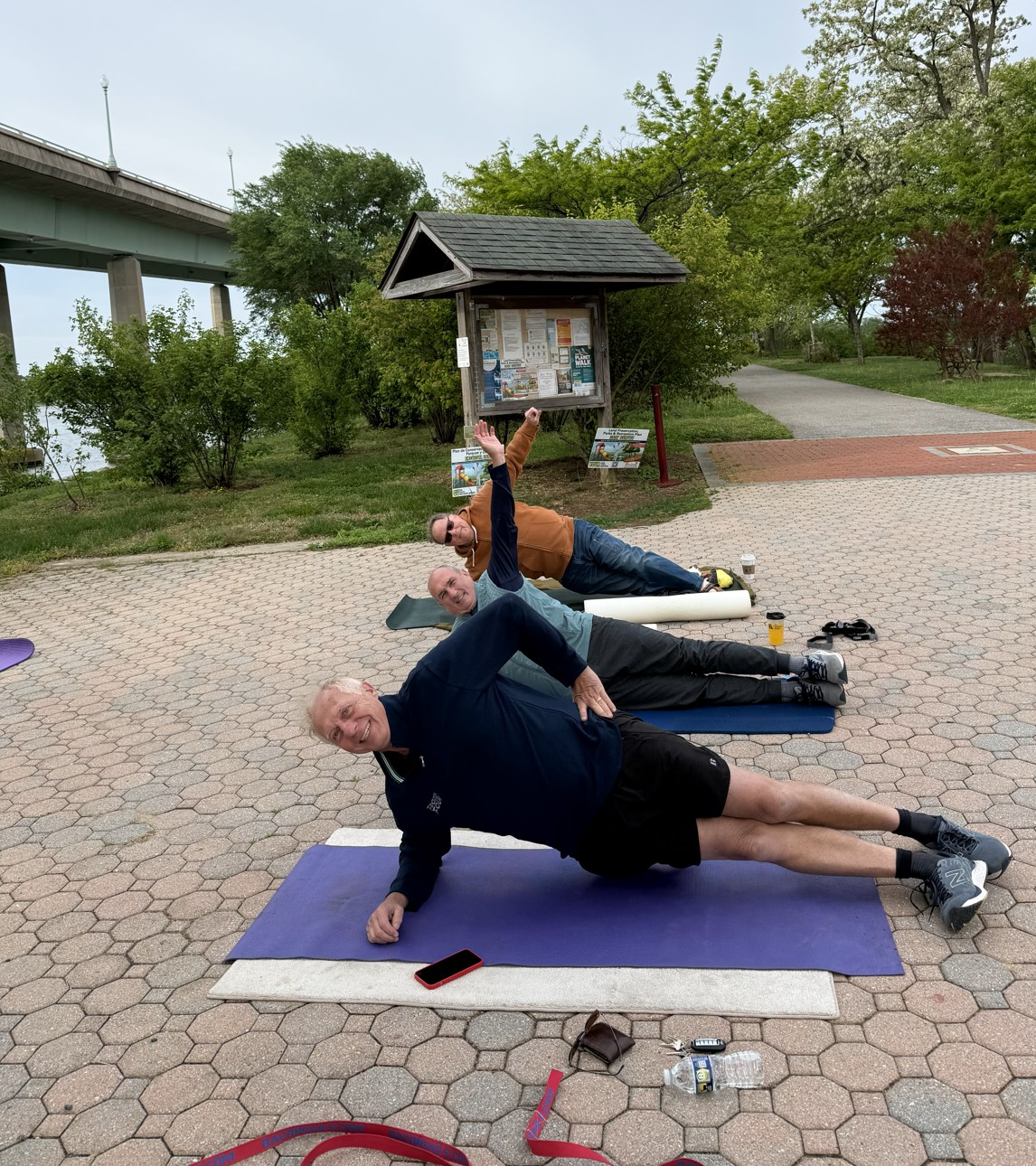
Join Sue Clements this Saturday, July 4th at 8 am for her outdoor class at the Maryland WWII memorial to kick off your 4th of July celebrations. This class is a mix of stretching and core strengthening designed to promote whole-body strength and flexibility as well as keep you injury-free! Be sure to bring your own yoga mat and padding, stretch strap, and theraband.
If you haven't joined Sue for this class yet, come down and see how healing it can be to exercise outside with a view of the water!
Click here to register.
| | What We are Reading Right Now In Honor of OUr country's independence! | | |
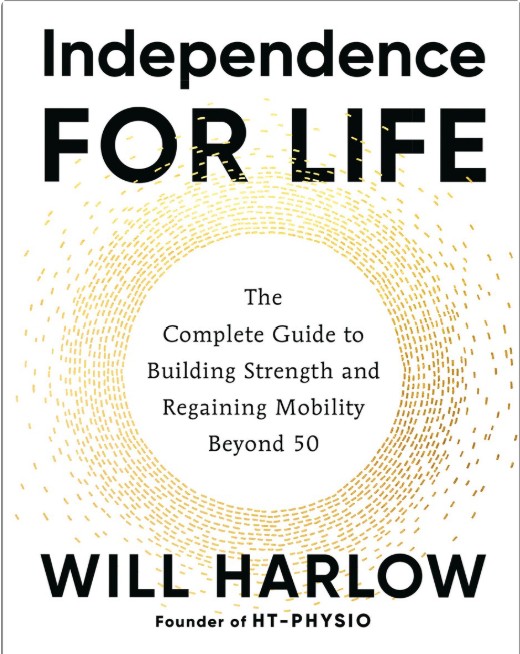
Getting older doesn’t have to mean slowing down. Discover how to create a personalized plan to build strength, protect bone health, restore balance and improve mobility at any age.
Physiotherapist and over-50s health specialist Will Harlow, who has helped millions through his YouTube channel, shows you how to build your own transformative, step-by-step plan based on his Four Pillars of Independence – strength, mobility, balance and skeletal health. First, you’ll assess your starting point, then choose exercises to target your weak areas and create a routine that grows with you. This isn’t about fixing one issue at a time – it’s about building a plan to keep your whole body strong, mobile and independent for years to come.
Inside, you’ll find science-backed strategies, easy-to-follow exercises and simple self-assessments to help you track your progress and stay motivated, whatever your starting point.
You’ll learn how to:
- Build muscle and stability safely at any age, even if you’ve never trained before.
- Improve balance and coordination to prevent falls and move with confidence.
- Protect and strengthen your bones to reduce the risk of fracture.
- Maintain and restore mobility with targeted stretching and movement routines.
- Reduce pain so you can stay active and get back to doing the things you love.
- Create a structured routine you can follow week by week and adapt as you improve.
Independence for Life is more than a collection of exercises – it’s your complete guide to building a clear, personalized roadmap for ageing well. You’re not too old and it’s never too late – you just haven’t had the right plan. Until now.
Click here to purchase
| |
Why ApoB May Be a Better Test Than Cholesterol
Two people can have the same cholesterol level but very different heart disease risk. A simple test may explain why.
Cara Michelle Miller
6/10/2026|Updated: 6/16/2026
For some people, a normal cholesterol reading doesn’t always mean there’s nothing to worry about. For about the price of a dinner out, a simple blood test can reveal a hidden layer of heart disease risk that standard cholesterol tests often miss.
Yet it isn’t part of routine cholesterol screenings, so most doctors do not order it.
The test measures apolipoprotein B (apoB), a protein that sits on every particle that carries cholesterol through the bloodstream. Unlike standard cholesterol tests, which measure how much cholesterol is circulating, an apoB test counts the actual number of those harmful particles.
“Two people can have the same [low-density lipoprotein] cholesterol level, but the one with more apoB-containing particles may be at higher cardiovascular risk,” said Yiyi Zhang, an assistant professor at Columbia University Medical Center and an author of a recent study on the blood marker.
Looking Beyond Cholesterol Levels
Standard cholesterol tests focus largely on low-density lipoprotein (LDL), the so-called bad cholesterol, along with high-density lipoprotein (HDL) cholesterol.
Higher levels of LDL cholesterol in the blood are linked to an increased risk of heart attacks and strokes, and for decades, clinicians have used LDL as their primary guide for treatment.
However, heart disease risk is not just about the amount of cholesterol present. It also depends on the number of cholesterol carriers.
Smaller LDL particles can produce a typical LDL reading but a higher total number of harmful particles overall—a pattern associated with an increased risk of atherosclerotic cardiovascular disease (ASCVD).
An apoB test closes that gap. Because each particle carries exactly one apoB protein attached to it, measuring apoB gives a direct count of how many harmful, or atherogenic, particles—those capable of burrowing into artery walls and depositing plaque—are circulating in the blood.
Having low or normal apoB levels—even in people with high LDL cholesterol—predicts a lower likelihood of plaque buildup and a lower risk of atherosclerosis.
In a study published in JAMA Network, Kohli-Lynch and colleagues used a computer model simulating about 250,000 U.S. adults eligible for statins to compare three ways of guiding cholesterol-lowering treatment: by LDL cholesterol, non-HDL cholesterol, and apoB.
They found that using apoB to guide treatment decisions gave the greatest overall benefit. It led to more treatment intensification when needed, which in turn prevented more heart attacks and strokes. The apoB-guided approach also produced more years of life in good health than the other approaches.
Higher apoB levels were associated with greater heart disease risk and strokes across all age groups. However, the marker was especially informative in younger adults ages 18 to 39, where the risk gap between high and low apoB levels was four times greater than in older adults. In younger adults, a one-standard-deviation increase in apoB was linked to a 53 percent higher risk of ASCVD, compared with a 13 percent higher risk in adults ages 40 and older.
Why ApoB Isn’t Used More Widely–Yet
ApoB tests are relatively inexpensive—often about $60 through major lab providers—but they are still not part of routine cholesterol screening. One reason is practical: The test usually has to be ordered separately, rather than included in a standard lipid panel.
LDL and non-HDL cholesterol still provide useful information, said Kohli-Lynch, but apoB is more directly tied to heart attack risk because it reflects the number of harmful cholesterol-carrying particles in the blood.
Click here for full article
| | |
Got a Tick?
(don't throw it away!)
Test the tick instead of your blood for faster/more accurate Lyme identification
About Tick Testing
When your tick arrives at our lab in Loudoun County, Virginia, we immediately work to properly identify it, photograph it under a microscope and determine how long it was actually attached and feeding. Once all of this is completed, testing for Borrelia pathogens begins.
Why Test for Lyme Disease?
Traditionally, it takes anywhere between 4 to 6 weeks or more for a blood sample to come back from a medical lab with qualitative results for Lyme disease. By testing the tick instead of humans, we are able to detect whether the tick itself carries the Lyme disease pathogen, helping with early detection and proactive treatment regimen.
Our program is dedicated to providing laboratory-quality tick testing to people in areas considered high-risk for Lyme both nationwide and internationally. Unlike traditional laboratories’ complicated test requisition forms, our tick testing program offers a simple, easy to use interface to order a tick test. Simply place your order, mail your tick(s) to our lab, and check your email for your results! Test results are typically be ready within 72 hours or less of lab receipt.
Center for Wilderness Safety‘s Tick Safety Program offers ELISA (enzyme-linked immunosorbent assay) tick testing that 98-99% accurately detects the presence of the three most common pathogens that cause Lyme disease (Borrelia garinii, Borrelia afzelii, and Borrelia burgdorferi sensu stricto) directly in the tick itself.
One test can accommodate up to five nymph ticks at a time (or one engorged tick) in just over an hour. Tick testing is an established laboratory procedure used to determine if a tick specifically carries the pathogens that cause Lyme disease. If you or your pet have been bitten by a tick (meaning it was attached), we highly recommend testing the tick to determine your risk of contracting serious tick-borne diseases and decide on an early diagnosis and treatment regimen.
Click here to mail in your tick for testing
| |
Served in To-Go Cups. Here’s What They Found.
Convenient yes–but to-go cups, used by more than 1 billion people globally each day, may be harming your health.
Rachel Ann T. Melegrito
5/12/2026|Updated: 5/21/2026
The cup that keeps your coffee warm may be the very thing that makes it less safe to drink.
A recent study found that heat can release thousands to hundreds of thousands of microplastics into a beverage, depending on the cup material and temperature, raising questions about one of the world’s most common daily habits.
Heat and Cup Choice Matter
The study, published in the Journal of Hazardous Materials: Plastics, found that heat is a key driver of microplastic release from disposable containers. Microplastics leached regardless of the temperature at which the beverage was held, but leaching levels increased as the temperature rose.
Researchers first analyzed data from 30 peer-reviewed studies on microplastic release from various plastic products, focusing on factors such as temperature and soaking time.
Products made of polyethylene (PE), polyethylene terephthalate (PET), polypropylene (PP), and polystyrene (PS) showed significant increases in microplastic release as temperatures rose. The most pronounced effects were in the high-temperature range typical of hot beverages.
PE is commonly used in plastic cups and liners, PP in takeaway containers and lids, PS in foam cups and food packaging, and PET in beverage bottles. Among these, PET generally showed the smallest increase in release with rising temperature, suggesting greater thermal stability than the other types.
For a real-world measure, researchers collected hundreds of coffee cups made of two major types: PE plastic cups and paper cups lined with a polyethylene coating, which look like paper but have a thin inner plastic layer to make them waterproof.
The study had two parts. The first involved analyzing existing research, and the second involved the real-world experiment. Although the review included several common plastics such as PE, PET, PP, and PS, the experimental portion of the study focused specifically on two plastic types, which were identified as among the most commonly used to-go cup types.
The authors estimate that drinking one 10-ounce hot beverage per day could result in ingesting approximately 360,000 microplastic particles per year from PE cups, compared with approximately 240,000 particles per year from PE-coated paper cups.
To avoid additional microplastic exposure, use steel, ceramic or glass for your morning cup and ditch the use of disposable ones.
Click here for full article
| | What We Are Buying Right Now | | |
This local company from MD has these soft and silky mineral lipsticks enriched with the natural oils of Avocado, Sweet Almond, and Pomegranate Seed Butter.
EWG verified so not toxic, loving this product right now!
| | |
Looking for a healthcare advocate for your loved one of yourself?
Navigating the healthcare system has become one of the most overwhelming experiences a family can face. As a Physician Assistant with 15 years of clinical experience in oncology, orthopedics, and bone marrow transplant, Kim Ely founded Human Kind Advocates to make sure no one has to do it alone.
She works as a private patient advocate helping individuals and families understand diagnoses, coordinate care, communicate with providers, navigate facilities, and make informed decisions during some of life's most difficult moments.
Whether you're managing a new diagnosis, supporting an aging parent, or simply feeling lost in a system that moves too fast, she's here to help.
Kim Ely, PA-C
858-405-7917
Click here to contact Kim to help you navigate your healthcare journey
| | |
Caregiver Support Group
Benefits of Caregiver Support Groups
1. Feeling less lonely, isolated or judged.
2. Gaining a sense of empowerment and control.
3. Improving your coping skills.
4. Reducing distress, depression or anxiety and having lower rates of clinical depression.
5. Developing a clearer understanding of what to expect with your situation.
6. Getting practical advice or information about treatment options.
7. Improving your caregiving ability and giving better quality of life for the care recipient.
8. Helping you keep your loved one at home longer.
July 20, 6- 7:30pm
Virtual, Email caregiver_support@aacounty.org for the Zoom link
July 8, 1 - 2:30pm
North County Office
7320 Ritchie Hwy, Glen Burnie 21061
No July Meeting
Heritage Complex (Independence Room)
2664 Riva Road, Annapolis, 21401
Anyone needing special accommodations must contact Mary Chaput at (410) 222-4339 or by e-mail at agchap01@aacounty.org at least seven days in advance of the event.
View the full list of upcoming events on the Anne Arundel County's Aging and Disabilities Event Calendar.
| | |
Annapolis Gold Pass Parking Program is Now Open
The City is reopening its “Gold Pass” parking program. The Golden Pass program is available to all seniors 55+, even if they do not live in the City of Annapolis.
The program is designed to make parking easier while encouraging residents and visitors to visit, shop, and dine downtown during the program period. Once a user signs up, their subscription will automatically renew each month until the end of the program on August 31 (users can self-cancel at any time from within the app).
From June 1 to August 31, seniors may register their vehicle(s) for $20 per month and receive up to two hours of parking per day at metered spaces on Maryland Avenue, Main Street, and at the Mills Hillman Garage.
Register at https://form.typeform.com/to/XH8fhUpH or call Premium Parking at (410) 216-5620.
| | |
One. is collecting small bottles of toiletries for the month of July
Do you have extra toiletries that you are looking to unload?
Join us as we collect for one of our great local community partners
Seeds 4 Success where their mission is
Working together as a community to provide children from low income communities with the skills and support to achieve success in school and in life.
Their families are often in need of these simple basic items.
One. will be collecting through the end of July.
| | |
The Summer Concert Series is back for the 2026 season!
Concerts start at 7 p.m. at the Museum’s waterfront McNasby campus (723 Second St., Annapolis).
The Tides & Tunes Summer Concert Series offers 10 weeks of popular music–from rock to folk to blues–with the incomparable backdrop of the Chesapeake Bay. Concerts are free; however, donations are gratefully accepted. Food and spirits are available for purchase. Beverage sales support the Museum’s education program. No outside alcohol permitted. Bring a chair or blanket.
07/02/26, The Grilled Lincolns
(rock, hip-hop, funk, reggae, R&B, and the blues)
07/09/26, One Night Only
(rock, pop-rock)
07/16/26, Timmie Metz Band
(rock and soul)
07/23/26, Sweet Leda
(rock, funk, soul)
07/30/26, John Frase Project
(motown, modern pop, rock and roll)
Click here for details
| | |
July 5th
Welcome to First Sunday Arts Festivals in Annapolis Maryland
We invite you to attend on the first Sunday of each month (May to November) to shop up to 130 artisans, enjoy live music and cafe dining. Free Admission.
Click here for details
| | |
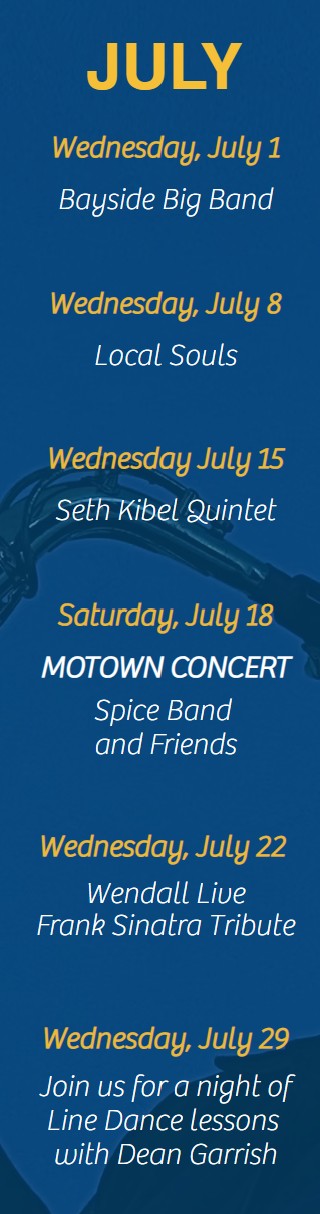
Dining Under The Stars
Dinner Under the Stars Music and Entertainment
Music is 6pm-9pm unless otherwise indicated
Wednesday Nights, music is down by Stan and Joe's Saloon and
Saturday Nights music is in front of the Art Galleries - see below
Dance the night away under the stars
2026 Music Schedule
| | Thursday Night LIVE! Summer Concerts at the Town Center | | |
Annapolis Town Center’s Thursday Night LIVE! outdoor music series on Thursdays, 6:30pm-8:30pm, and continues every Thursday night through August! Enjoy patio dining or grab a bite from one of our eateries and feel free to bring a blanket! Augie’s Mussel House + Sports Bar is partnering with the Town Center and hosting a drink tent during all concerts.
7/2 Remains of Radio (r&b, pop)
7/9 Don’t Back Down (tom petty tribute)
7/16 Honest Lee Soul (funk, soul)
7/23 Mambo Combo (latin)
7/30 Dan Heely (rock, blues)
Click for details
| | Annapolis Blues July Home Schedule | | |
More Happenings
July 2
Music of the American Revolution: The 250th Anniversary
Historic London Town & Gardens
Price:
Members: $18, Non-Members: $20, Students:$10
Time:
6:00 PM to 7:00 PM
July 3
ASO Brass Quintet Celebrates America250
Annapolis Symphony Orchestra
Price:
FREE
Time:
7:30 PM-8:30 PM
July 4
Concert of Revolutionary Music by David and Ginger Hildebrand in Old Senate Chamber
Maryland State Archives
Dates:
July 4, 2026
Price:
Free
Time:
Starting: 01:00 PM
July 12
Naptown Flea
Dates:
July 12, 2026
Price:
Free
Time:
10:00 AM to 5:00 PM
July 14
Profs & Pints Annapolis:
Owl Wisdom
Price: $13.50-$17.00
Time: 5:00 PM to 7:30 PM
Click here for details
July 14
A Virtual Lecture from Historic Annapolis – A House Divided: The Tilghman Family and the American Revolution
Historic Annapolis, Inc.
Price:
Free
Time:
From: 07:30 PM to 09:00 PM
Click for Details
| |
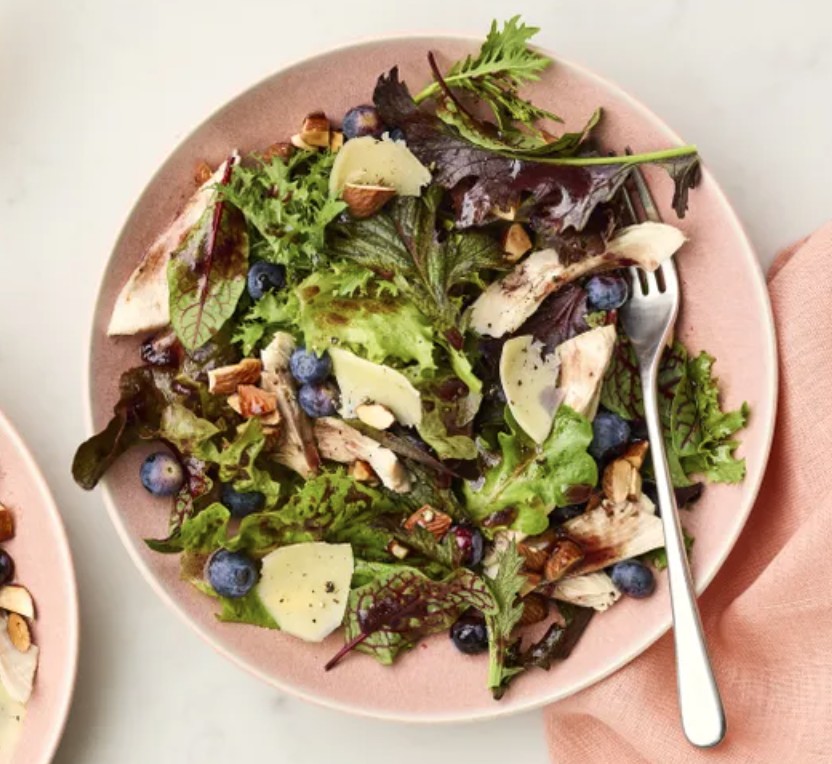
Rotisserie Chicken and Blueberry Salad
| |
Ingredients
- 5 tbsp blueberry preserves (such as Bonne Maman)
- 1/4 cup balsamic vinegar
- 1 1/2 tsp Dijon mustard
- 3/4 tsp kosher salt
- 1/2 tsp freshly ground black pepper
- 1/2 cup extra virgin olive oil
- 8 oz. spring mix salad greens (about 8 cups)
- 1 1/2 cups shredded rotisserie chicken
- 1/2 cup fresh blueberries
- 1/2 cup chopped toasted almonds
- 2 oz aged cheddar cheese, shaved (1/2 cup)
Directions
Make the dressing:
- Whisk together blueberry preserves, vinegar, mustard, salt, and pepper in a medium bowl. Slowly add oil, whisking constantly, until dressing is emulsified.
Assemble the salad:
- Place greens in a large bowl. Drizzle with 1/2 cup of the dressing and toss to coat. Top with chicken, blueberries, almonds, and cheese. Drizzle with desired amount of remaining dressing.
Click here for full recipe
| | |
Trivia Answers
- 150 million
- 1777
- Turkey
| | | | |